Integrated pest management combines cultural, biological and targeted chemical controls rather than relying on sprays. For cannabis the effective order is prevention first, monitoring second, biological controls third, and intervention last. Spider mites, the most damaging indoor pest, are slowed by raising humidity and lowering temperature — both environmental levers, not products.

We grow without pesticides or sterilizers, which means IPM is not a philosophy here. It is the only defence available.
The IPM Hierarchy
| Tier | Approach | Examples | When it acts |
|---|---|---|---|
| 1. Cultural | Remove conditions pests need | Airflow, sanitation, quarantine, VPD control | Before any pest arrives |
| 2. Monitoring | Detect early | Sticky traps, scouting, leaf inspection | Continuously |
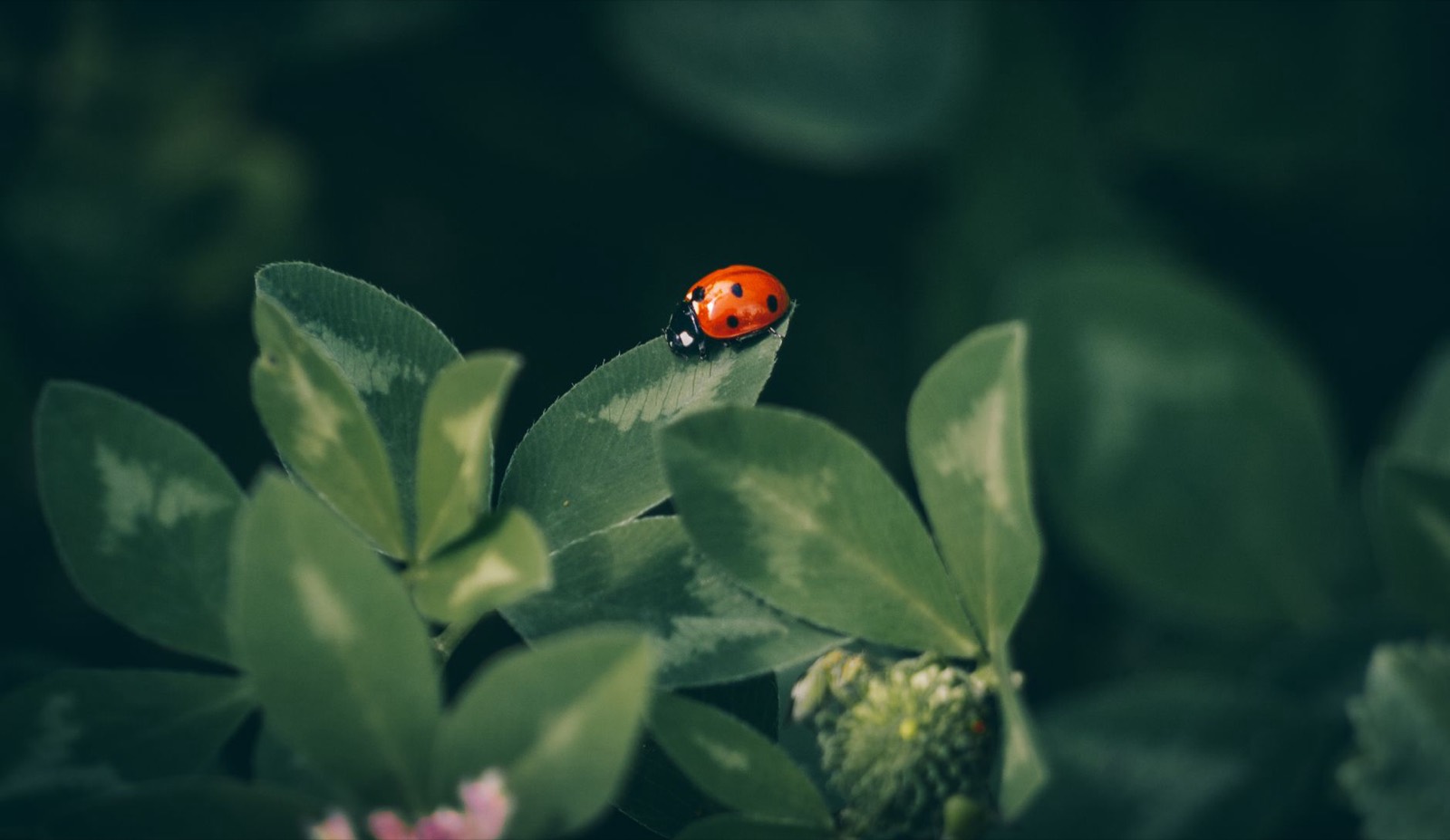
| 3. Biological | Predators and parasites | Predatory mites, ladybirds, lacewings | Preventatively and at first sign |
| 4. Mechanical | Physical removal | Pruning, wiping, isolating plants | On detection |
| 5. Targeted | Least-toxic products | Insecticidal soap, botanical oils | Last resort, veg only |
The tiers are ordered deliberately. Every level you skip increases the chance of needing the level below it, and the bottom tier is the one you least want to reach on a flowering crop.
Growers new to IPM often invert this, treating it as a list of products to apply when something goes wrong. That is not integrated pest management — that is reactive spraying with extra steps, and it produces exactly the residue problems the approach exists to avoid.
Prevention Comes First
Most indoor pest outbreaks are introduced, not spontaneous. They arrive on clones, on clothing, on tools, or through inadequate air filtration.
- Quarantine incoming plants. Never put an unverified clone straight into the room.
- Control entry. Dedicated clothing and footwear; wash hands between rooms.
- Sanitise between runs. Empty room, full clean, no shortcuts.
- Filter incoming air. Unfiltered intake is an open door.
- Remove plant debris. Dead leaves on the floor host problems.
Propagating your own plants removes one of the biggest vectors entirely. Our guide to cloning cannabis in rockwool versus aeroponic systems covers keeping a clean mother rather than buying cuttings of unknown origin.
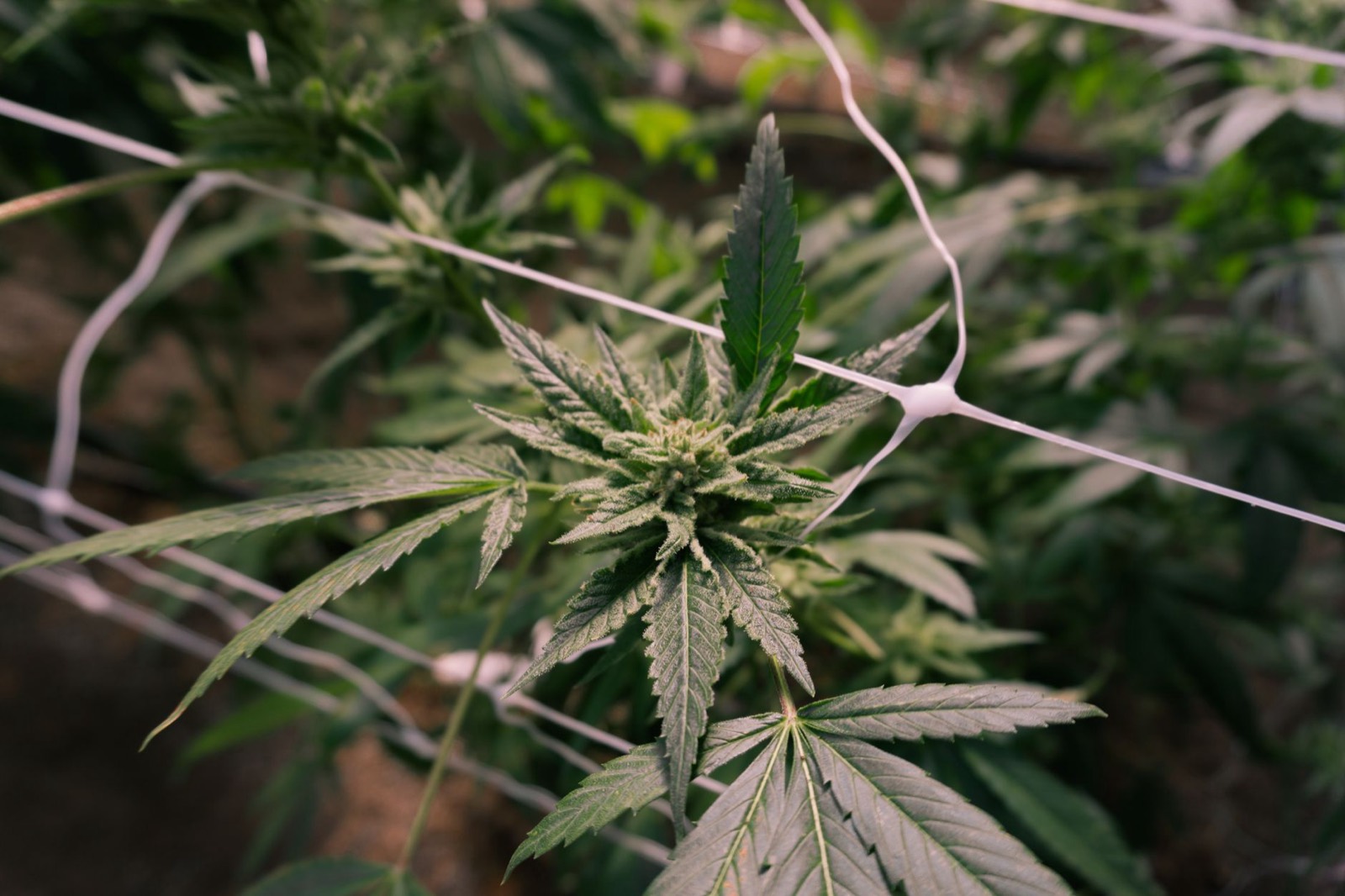
Monitoring: Find It Early
The difference between a nuisance and a lost crop is almost always how quickly you noticed.
- Yellow sticky traps at canopy height catch fungus gnats, thrips and whitefly.
- Scout weekly with a loupe, checking leaf undersides where mites live.
- Watch the stress indicators. Stippling, fine webbing and silvering appear before you see the insect.
- Keep records. Trap counts over time show a trend; a single count shows nothing.
| Pest | Early sign | Where to look |
|---|---|---|
| Spider mites | Fine stippling, later webbing | Leaf undersides, growing tips |
| Thrips | Silvery streaks, black specks | Upper leaf surfaces |
| Fungus gnats | Small flies at medium surface | Growing medium, traps |
| Aphids | Sticky honeydew, curled growth | New growth, stems |
| Powdery mildew | White powdery patches | Lower canopy, poor airflow zones |
| Botrytis | Browning inside dense colas | Cola interiors in late flower |
Spider Mites: The Main Threat
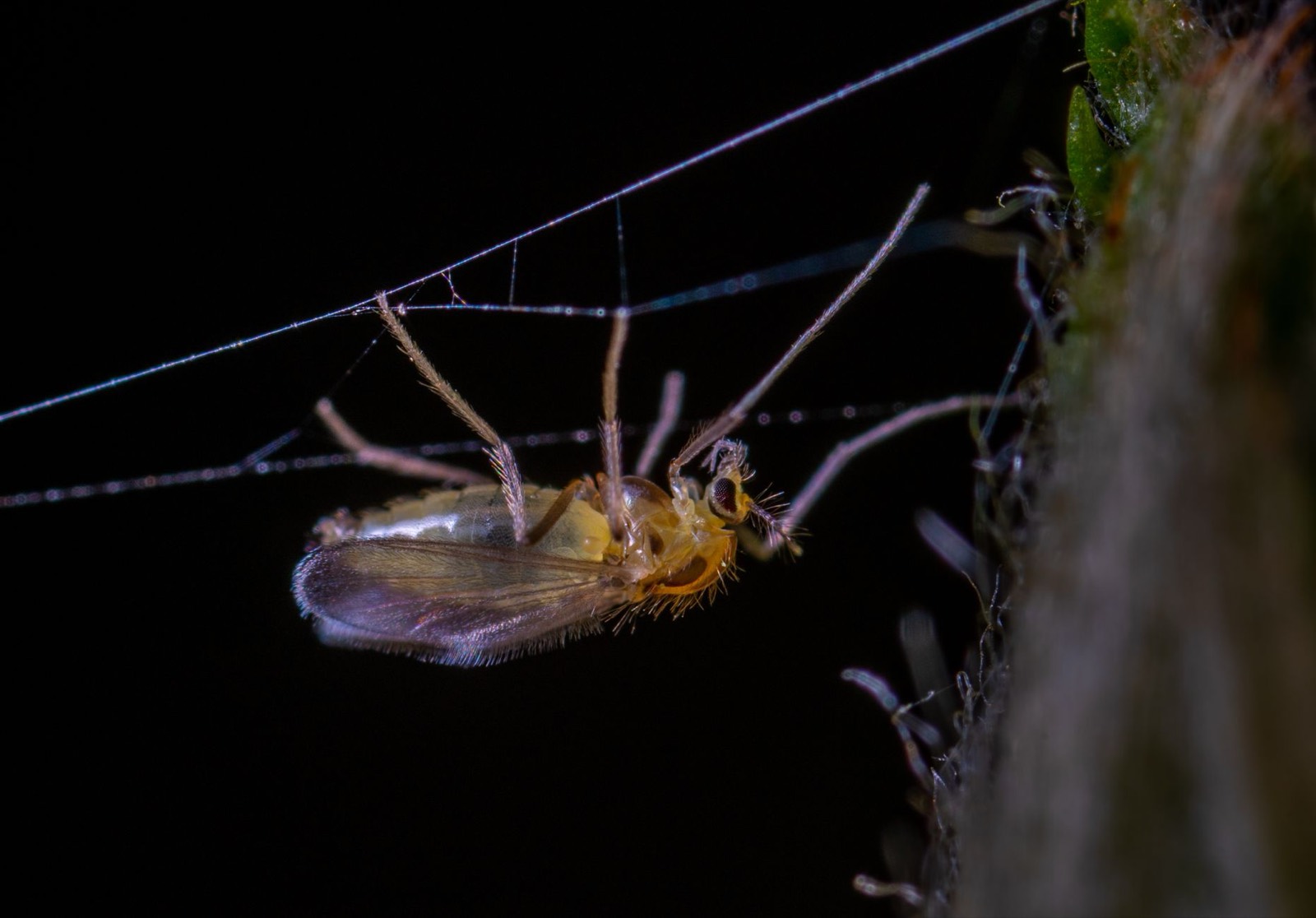
Spider mites feed on plant cells, causing stippling, discolouration, webbing and rapid decline. They reproduce fastest in warm, dry conditions — which describes a poorly managed flowering room precisely.
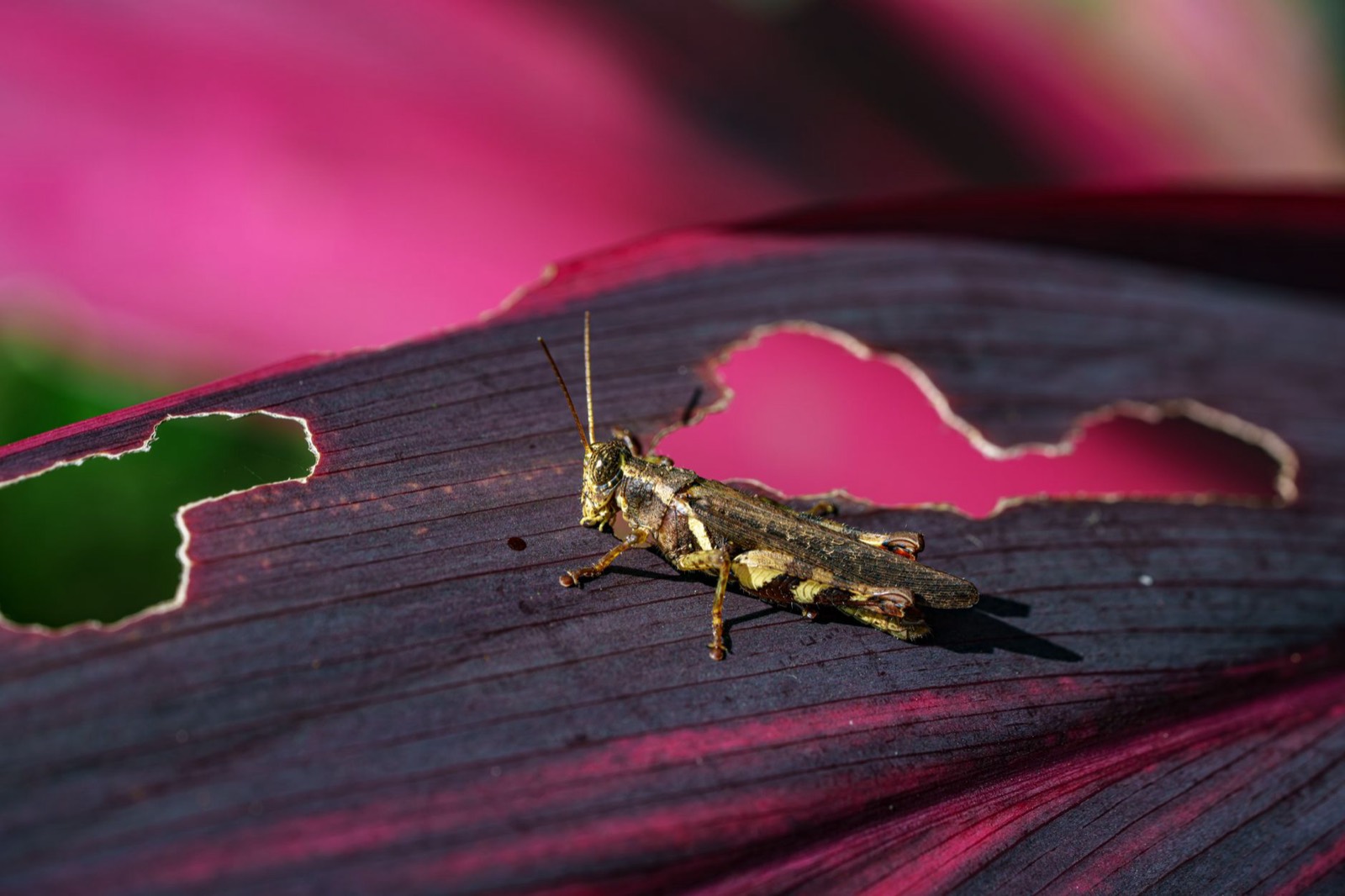
That gives you an environmental lever. Raising humidity disrupts their reproduction, and cooler setpoints slow feeding and can push populations toward diapause.
| Condition | Effect on spider mites | Trade-off |
|---|---|---|
| Warm and dry | Population explodes | Also the classic late-flower target |
| Higher humidity | Reproduction disrupted | Raises botrytis risk in dense flower |
| Cooler temperature | Feeding slows, diapause triggered | Slower growth |
| Strong airflow | Harder to establish, webbing disrupted | None meaningful |
This is where IPM and climate management stop being separate subjects. The same temperature, humidity and VPD targets that optimise growth also determine which pests can establish, and the two goals occasionally conflict.
Biological Controls
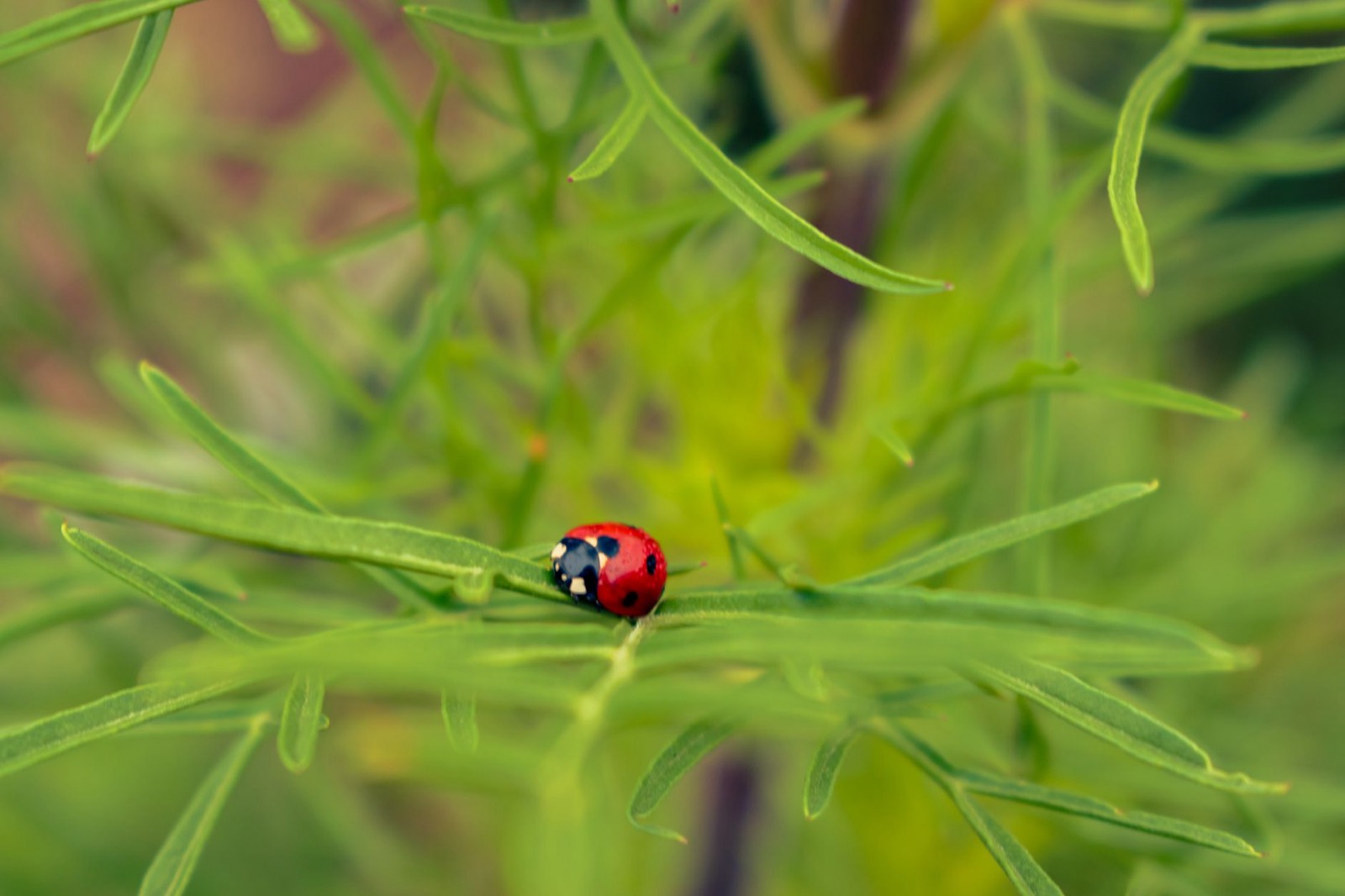
Predatory insects are the backbone of pesticide-free growing. They work best deployed preventatively, before a population establishes.
| Predator | Targets | Notes |
|---|---|---|
| Phytoseiulus persimilis | Two-spotted spider mite | Fast, specialised; needs prey to persist |
| Neoseiulus californicus | Spider mites | More tolerant; survives on low prey density |
| Amblyseius species | Thrips, young mites | Good general preventative |
| Ladybirds and lacewings | Aphids, soft-bodied pests | Broad, less targeted |
| Steinernema nematodes | Fungus gnat larvae | Applied to the medium |
The University of California’s Statewide Integrated Pest Management Program is the best free reference available on biological control and pest identification across crops.
Why We Do Not Spray
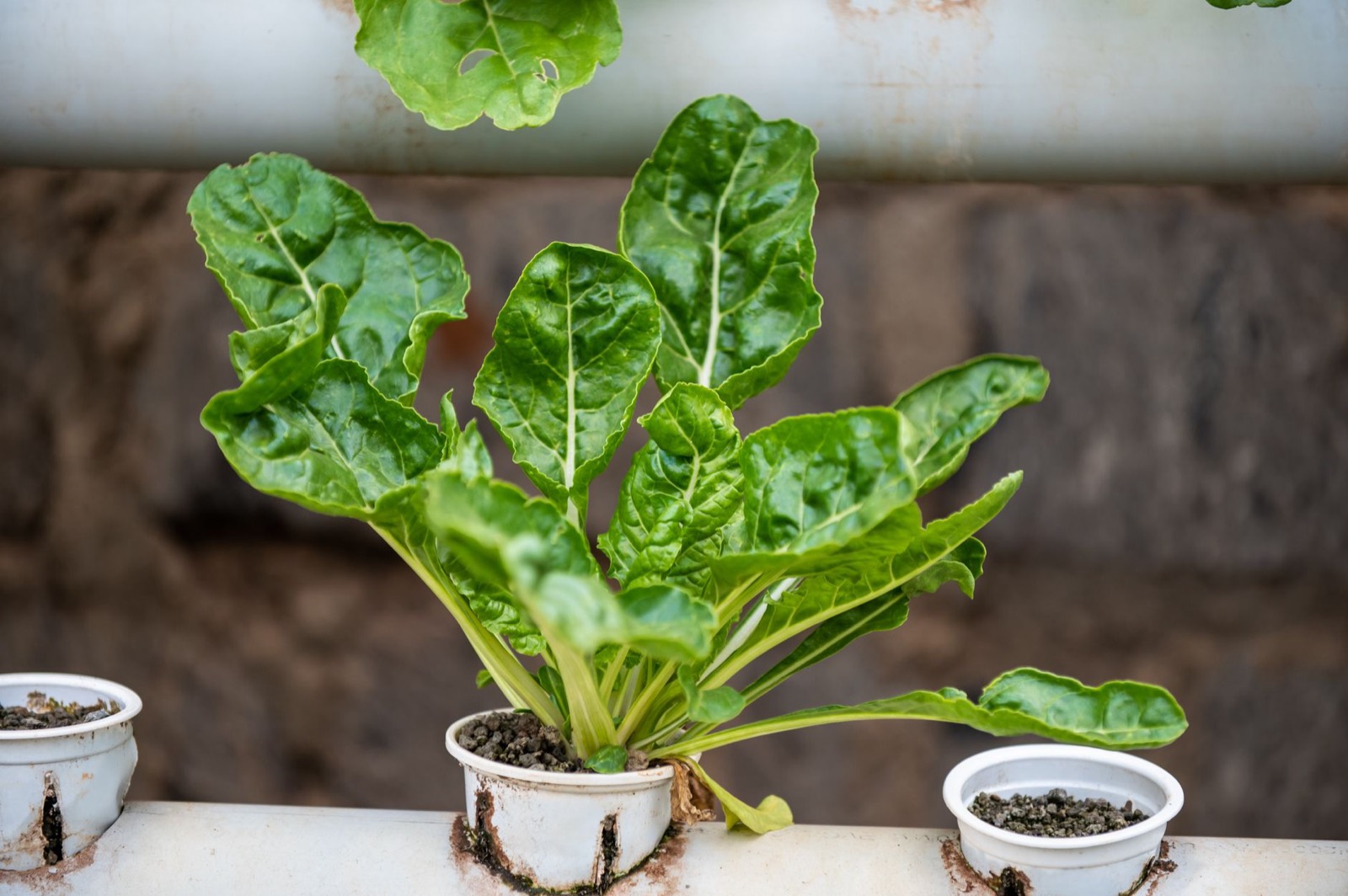
Pesticide residue is a genuine problem in legal markets, and remediation — treating contaminated flower to make it pass testing — is widespread.
We would rather take the loss than release something that is not up to our standards.
We use no pesticides and no sterilizers, and we never remediate. If a run develops a problem we cannot manage preventatively, it does not go out. That is an expensive commitment in a 1,000 square foot room, and it is the reason environmental discipline matters so much here.
Airflow through the canopy is the single highest-leverage control, which makes canopy training and defoliation a pest-management tool as much as a yield one. Watering practice matters too — see our irrigation and watering guide on overwatering and fungus gnats.
Our full protocols are in the Lost Leaf integrated pest management grow document, part of the complete cultivation guide collection.
Frequently Asked Questions
What is IPM in cannabis growing?
Integrated pest management combines cultural, biological, mechanical and targeted chemical controls in a hierarchy, prioritising prevention and monitoring over spraying.
How do I get rid of spider mites without pesticides?
Raise humidity and lower temperature to slow reproduction, improve airflow, remove affected material, and introduce predatory mites such as Phytoseiulus persimilis or Neoseiulus californicus.
When should I release beneficial insects?
Preventatively, before a population establishes. Predators introduced after an outbreak is visible are working from far behind.
Can I use neem oil in flower?
Avoid oils and soaps on flowering plants. They affect taste and can damage trichomes. Anything applied late in flower ends up in the finished product.
What is remediation and why avoid it?
Remediation treats contaminated flower so it passes testing. It is legal in many markets. We do not do it, because it addresses the test result rather than the underlying problem.
Building an IPM Routine
IPM fails most often not because the principles are wrong but because the routine lapses. Monitoring is boring, and it stops feeling necessary during the long stretches when nothing is wrong.
| Frequency | Task |
|---|---|
| Daily | Visual walk-through; check for wilting, stippling, anything unusual |
| Weekly | Loupe inspection of leaf undersides; record sticky trap counts |
| Fortnightly | Review trap trend; top up beneficial predator populations |
| Per run | Full room sanitation between crops |
| On intake | Quarantine and inspect anything entering the space |
Written records matter more than they seem to. A trap count means nothing in isolation; the same count compared against the previous four weeks tells you whether a population is building.
Educational content for adults 21+ growing legally in their jurisdiction. Check your local regulations before cultivating cannabis.
Related reading: Ruling out non-pest causes first.