Author: Leaf Lost

  • Solventless Hash and Rosin Explained: Ice, Water, Heat and Pressure

    Solventless Hash and Rosin Explained: Ice, Water, Heat and Pressure

    Solventless extraction separates trichomes from plant material using only ice, water, agitation, heat and pressure — no butane, ethanol or other chemical solvents. Ice water hash is made by chilling and agitating cannabis so brittle trichome heads break away, then filtering through screens from roughly 25 to 220 microns.

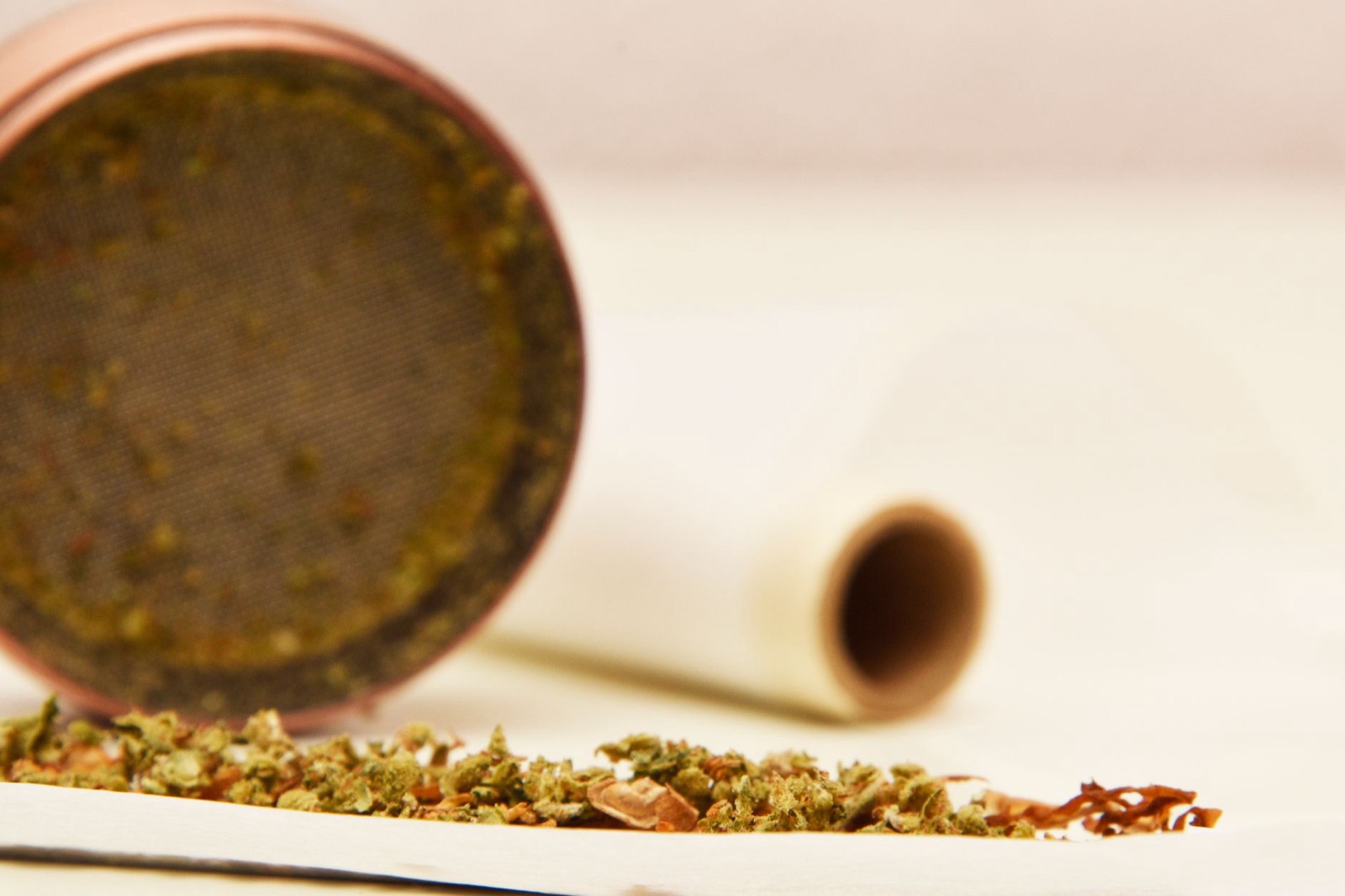
    Filter mesh representing the graded micron screens used in hash washing
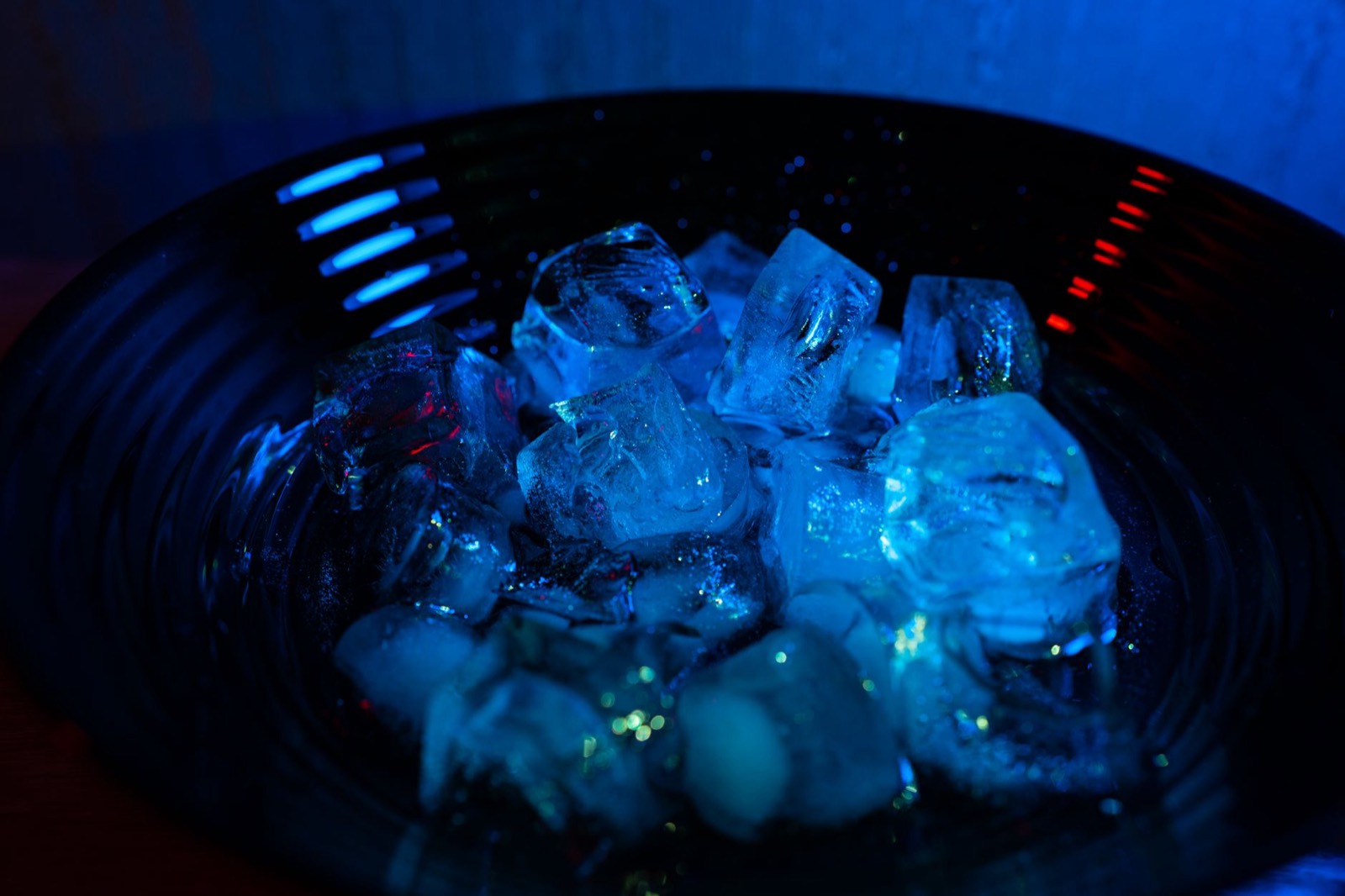
    Ice, water and filtration do the separating.

    Rosin is that hash pressed with heat and pressure. Live rosin is the same process starting from fresh frozen material rather than dried flower.

    How Ice Water Hash Works

    Trichome heads hold up to 90% of a plant’s cannabinoids, terpenes and flavonoids. The whole exercise is getting them off the plant without damaging them.
    Press machinery representing rosin pressing with heat and pressure
    Graded screens separate trichome heads by size.

    Cold makes them brittle. Agitation in ice water snaps them free. Because trichome heads are denser than water and plant matter is not, they sink and can be collected through graded screens.

    1. Chill cannabis in ice water until trichomes turn brittle.
    2. Agitate gently to break the heads away from the plant.
    3. Filter through screens, typically 25 to 220 microns.
    4. Collect each screen separately — different sizes, different quality.
    5. Dry the collected hash carefully before pressing or storing.
    Micron rangeWhat it catchesTypical quality
    160–220Large heads and some plant matterLower grade
    90–159Prime full trichome headsThe best material
    45–89Smaller headsGood, often blended
    25–44Fragments and small headsLower grade
    What each screen size collects.

    The 90 to 159 micron range is generally where the best material sits. It is often labelled as such on premium products.

    From Hash to Rosin

    Rosin is made by pressing hash between heated plates. Heat softens the resin, pressure forces it out, and what emerges is a translucent concentrate with no residual solvent because none was ever used.

    ParameterTypical rangeWhy
    Temperature160–200°FEnough to flow, not enough to degrade terpenes
    Time45–90 secondsShort exposure preserves volatiles
    PressureModerate and gradualForcing it damages quality
    InputDried ice water hashQuality in, quality out
    Rosin pressing parameters.

    The Press Club publish a detailed live rosin walkthrough if you want the full procedure.
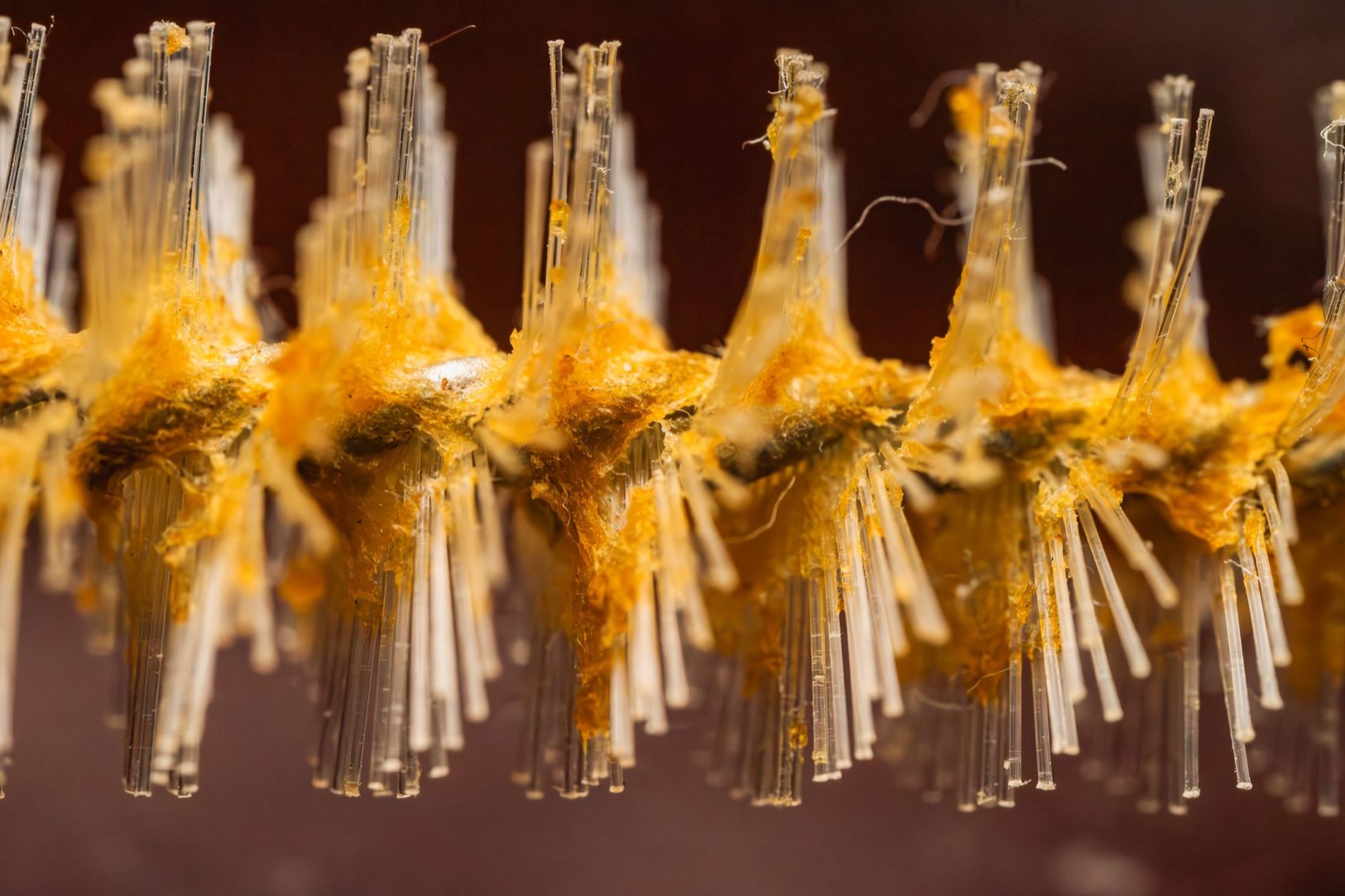
    Trichome heads, the material solventless extraction collects
    Live rosin starts from fresh frozen material.

    Live Versus Cured

    The distinction is what happens to the plant immediately after harvest.

    Live rosinCured rosin
    Starting materialFresh frozen at harvestDried and cured flower
    Terpene profileCloser to the living plantReflects the cure
    AromaBrighter, more volatileRounder, deeper
    ProcessFreeze immediately, then washDry, cure, then wash
    CostHigherLower
    Live rosin compared with cured rosin.

    Neither is simply better. Live rosin captures volatiles that disappear during drying; cured rosin reflects the character a proper cure develops. Our harvest and cure guide covers what curing actually does.

    Why Solventless Matters

    The appeal is straightforward: nothing is introduced that has to be removed afterwards.

    • No residual solvents. Nothing to purge, nothing to test for.
    • Full-spectrum. Terpenes and cannabinoids arrive together.
    • Flavour-led. Solventless products taste like the flower they came from.
    • Simple inputs. Ice, water, heat, pressure.

    It also raises the bar on input quality. Solvents can strip cannabinoids from mediocre material; ice water cannot. A wash only produces good hash if the flower was good, which is why contaminant panels and growing practice matter so much here.

    Solvent extraction can rescue poor flower. Water cannot.

    Grades and Labels

    Solventless products carry terminology that is worth decoding, because it describes real differences rather than marketing tiers.

    TermWhat it means
    Full meltHash pure enough to vaporise completely, leaving no residue
    Six starTop grade on a common six-point hash quality scale
    Cold cureRosin cured at low temperature for texture and terpene retention
    Fresh pressRosin used soon after pressing, before curing
    90u or 73uThe micron screen the material came from
    Common solventless terminology.

    A product labelled with its micron range is telling you something specific about the material. One labelled only with a strain name is telling you considerably less.

    What Makes a Good Hash Cultivar

    Not every cultivar washes well, and potency is a poor predictor.

    TraitWhy it matters
    Trichome head sizeLarger heads survive agitation and filter cleanly
    Head-to-stalk ratioMore head, more yield
    Resin quantityObvious, but not sufficient alone
    Terpene contentDetermines the flavour of the finished rosin
    Structural integrityHeads that shatter give poor returns
    What extractors look for in a wash cultivar.

    This is why cultivars like Original Glue and RS11 became extraction favourites. Both produce large, robust trichome heads in quantity.

    Amber concentrate representing pressed solventless rosin
    Trichome quality determines what a wash can produce.

    Our own cultivars are selected for flavour first, and heavy resin comes with that territory. Sarcophagos and Baijiu are both notably greasy, which is partly why they need such careful hand-trimming.

    Why Yields Are Low

    Solventless returns are modest compared with solvent extraction, and understanding why explains most of the price difference.

    Pressed hashish representing the centuries-old traditional method
    Pressed concentrate, with no solvent involved at any stage.

    Water only collects what physically detaches. Trichome heads that are damaged, immature or too small to catch on a screen are simply lost. Solvents dissolve cannabinoids out of everything, including material water leaves behind.

    MethodTypical returnInput requirement
    Ice water hashLowHigh-quality fresh material
    Rosin from hashLower againGood hash to begin with
    Solvent extractionSubstantially higherTolerates lesser material
    Why solventless costs more per gram.

    That constraint is also the appeal. A solventless product is evidence the input flower was good, because poor flower cannot produce good hash by this route. It is one of the few quality signals in cannabis that is difficult to fake.

    Storing Concentrate

    Rosin degrades faster than flower. Terpenes are concentrated and exposed, and heat will change the texture and profile within days.

    • Cold storage. Refrigeration slows terpene loss considerably.
    • Airtight glass. Silicone holds odour and can leach.
    • Minimal handling. Every warm touch changes consistency.
    • Use it. Concentrate is not something to age.

    The Old Method

    None of this is new in principle. Charas — hashish made by rubbing fresh plants by hand until resin collects on the skin — has been produced in the Hindu Kush for centuries.
    Golden viscous texture representing fresh pressed rosin
    The principle predates the equipment by centuries.

    Sieved and pressed Afghani hash is the same idea with mechanical separation. Modern equipment is more precise and the results more consistent, but the principle is identical. Our Hindu Kush guide covers that tradition.

    Frequently Asked Questions

    What does solventless mean?

    Extraction using only physical means — ice, water, agitation, heat and pressure — with no chemical solvents such as butane or ethanol.

    What is the difference between hash and rosin?

    Ice water hash is collected trichome heads. Rosin is that hash pressed with heat and pressure into a concentrate.

    What is live rosin?

    Rosin made from hash washed from fresh frozen cannabis rather than dried and cured flower, which preserves more of the volatile terpenes present in the living plant.

    What micron size is best?

    The 90 to 159 micron range generally holds the best material — full, intact trichome heads. Larger and smaller screens catch lower-grade material.

    Why does solventless cost more?

    Yields are lower, input flower must be high quality, and the process is labour-intensive. Solvent extraction can use lesser material and recover more from it.

    Educational content for adults 21+ in legal jurisdictions.
  • Headbanger Strain: Karma Genetics’ Sour Diesel Cross

    Headbanger Strain: Karma Genetics’ Sour Diesel Cross

    Headbanger is a Karma Genetics cultivar crossing Sour Diesel with Biker Kush, and it is the source of the fuel in Sherbanger. It contributes sharp diesel, genuine potency and the structural vigour that makes Sherbanger such a useful breeding parent.

    Sour citrus representing the Sour Diesel heritage in Headbanger
    Headbanger supplies the fuel that runs through Sherbanger.

    It is a step most people skip when tracing Sake Bomb and Pandemonium back to Sour Diesel, and it is where a good deal of what those cultivars actually do comes from.

    Headbanger at a Glance

    AttributeDetail
    GeneticsSour Diesel × Biker Kush
    BreederKarma Genetics
    AromaSharp diesel, sour, chemical, kush undertone
    EffectPotent, cerebral, heavy
    StructureVigorous, robust
    ResinHigh
    RoleBreeding parent more than menu cultivar
    Key descendantSherbanger
    Headbanger quick reference.

    The Parents

    Sour Diesel needs little introduction. It is the Chemdawg descendant that defined East Coast cannabis, sharp and sour and unmistakable, and it supplies most of what Headbanger smells like.

    Biker Kush is an OG-line cultivar from Karma Genetics, and it brings structure, density and the kush undertone that stops Headbanger being purely sour.

    The combination is deliberate. Sour Diesel is commercially awkward — long flowering, significant stretch, airier flower — and Biker Kush fixes a good deal of that without losing the profile.

    ParentLineageContributes
    Sour DieselChemdawg-derivedSharp fuel, potency, cerebral character
    Biker KushOG Kush lineStructure, density, kush depth
    HeadbangerThe crossFuel profile with commercial growability
    The Headbanger cross.

    Karma Genetics

    Karma Genetics built a reputation on exactly this kind of work: taking respected but difficult cultivars and making them viable without flattening what made them worth growing.

    Chrome and metal referencing the Biker Kush parent
    Sharp diesel is inherited almost intact from Sour Diesel.

    Headbanger is a good example. The Sour Diesel character survives, and the plant is considerably easier to run in a commercial room.

    You can see their catalogue at the breeder’s own site, which is the most reliable source for what they actually released.

    Why It Matters to Sherbanger

    Sherbanger is Sunset Sherbet crossed with Headbanger, and the two halves do very different jobs.

    Sunset Sherbet contributes creaminess, colour and dessert sweetness. Headbanger contributes everything else — the fuel, the potency, the vigour and the trichome density that make Sherbanger such a reliable structural parent.

    When breeders reach for Sherbanger to fix a terpene-rich but weak-growing cultivar, the traits they are actually borrowing came from Headbanger.

    Trait in SherbangerSource
    Creaminess and sweetnessSunset Sherbet
    Colour expressionSunset Sherbet
    Fuel and gasHeadbanger
    Structural vigourHeadbanger
    Trichome densityHeadbanger
    PotencyHeadbanger
    Which parent supplies what in Sherbanger.

    The Chain to Our Catalogue

    Headbanger reaches us at two removes, and it explains something specific about both cultivars.

    Dense resinous flower from the Headbanger line
    Structural vigour is the trait breeders actually want.

    Sake Bomb and Pandemonium both carry a fuel note underneath their sweetness. Neither Gelato 33 nor Zkittlez produces that. It arrives entirely through Sherbanger, and through Sherbanger from Headbanger.

    StepCrossResult
    1Chemdawg → Sour DieselThe diesel archetype
    2Sour Diesel × Biker KushHeadbanger
    3Sunset Sherbet × HeadbangerSherbanger
    4Gelato 33 × SherbangerSake Bomb
    4Zkittlez × SherbangerPandemonium (Candy Fumez)
    From Headbanger to our cultivars.

    Karma Genetics and the Fixer Role

    There is a category of breeder whose contribution is not novelty but repair, and Karma Genetics belongs to it.

    The work involves taking cultivars that people love and growers avoid, then crossing in structure until they become practical. It is unglamorous and it is why a great deal of famous genetics remained available at all.

    Headbanger is that work applied to Sour Diesel, and Sherbanger is the same principle applied one generation later to Zkittlez and Gelato lines.

    Availability

    Headbanger appears occasionally as flower, usually from growers with a specific interest in diesel genetics rather than as a mainstream release. If you find it, it is worth trying for the contrast with the Sherbanger descendants most people know.

    Craft cannabis cured in a sealed glass jar
    Dense, resinous flower from the fuel side of the family.

    Karma Genetics still distribute the line, so it remains accessible to breeders even where it is absent from retail menus.

    A Parent More Than a Product

    Headbanger is not common on menus, and that is normal for a successful breeding parent. Once a cultivar produces offspring that outperform it commercially, growers switch to the offspring.

    The same happened to Sunset Sherbet, which appears far less often than Gelato or Rainbow Chip despite being their parent. Genetics survive as lineage rather than as product.

    That is worth knowing when you read a pedigree. The plants that shaped a catalogue are frequently ones you will never see for sale.

    The Invisible Generation

    Headbanger illustrates something worth understanding about how cannabis pedigrees are read.

    People trace Sake Bomb back to Sour Diesel and skip the step in between, because Headbanger is not a name most consumers encounter. But the specific traits that arrived in Sherbanger were selected in Headbanger, not in Sour Diesel.

    Trichome density, the trait Headbanger passes to Sherbanger
    Craft cannabis cured in glass.

    Sour Diesel on its own is lanky, slow and airier than commercial growers want. What Sherbanger inherited was already-fixed structure and vigour, and that fixing happened at the Headbanger stage.

    GenerationWhat changed
    Sour DieselExceptional profile, difficult agronomy
    HeadbangerProfile retained, structure and vigour improved
    SherbangerSweetness and colour added on top
    Sake Bomb, PandemoniumFlavour direction chosen by the other parent
    What each generation contributed.

    Biker Kush

    Biker Kush deserves a mention in its own right. It is an OG-line cultivar from the same breeder, and it is doing more work in this cross than the name suggests.

    OG genetics bring density, structural strength and a kush depth that rounds out Sour Diesel’s sharpness. Without it Headbanger would be a sourer, weaker-structured plant with far less breeding utility.

    That is the same contribution OG lines make throughout modern breeding — see Hindu Kush for where those structural traits originally came from.

    Growing Notes

    Headbanger-line genetics inherit Sour Diesel vigour with better structure. Expect a productive, pungent plant that needs vertical space and serious odour control. Our training guide covers managing stretch.

    Vigorous cannabis plants in a controlled indoor room
    Fuel genetics remain a permanent minority taste.

    The improvement over straight Sour Diesel is real but partial. This is still a diesel plant, and diesel plants remain more demanding of room height and airflow than the dessert cultivars most modern rooms are built around.

    • Plan height. Diesel heritage means stretch.
    • Odour control. These are among the loudest plants in cultivation.
    • Support branches. Productive plants need help.
    • Do not overfeed. Fuel expression fades under heavy nitrogen.

    Frequently Asked Questions

    What are Headbanger genetics?

    Headbanger is Sour Diesel crossed with Biker Kush, bred by Karma Genetics.

    What is Headbanger used for?

    Primarily as a breeding parent. Its best-known descendant is Sherbanger, made by crossing it with Sunset Sherbet.

    What does Headbanger smell like?

    Sharp sour diesel with a kush undertone from the Biker Kush side.

    Why is Headbanger uncommon on menus?

    It is a breeding parent rather than a commercial cultivar. Its offspring outperform it commercially, so growers run those instead.

    How does Headbanger reach Lost Leaf cultivars?

    Through Sherbanger. Both Sake Bomb and Pandemonium carry Sherbanger, and the fuel note in each comes from Headbanger.

    Educational content for adults 21+ in legal jurisdictions. Lost Leaf flower is available only through licensed Michigan provisioning centres.
  • RS11 Strain: Rainbow Sherbert #11 and the Hunt Behind It

    RS11 Strain: Rainbow Sherbert #11 and the Hunt Behind It

    RS11, or Rainbow Sherbert #11, was developed by Doja Pak working with Deep East Oakland and Wizard Trees, built out of OZ Kush seed and selected for sweet, fruit-forward expression. Doja Pak describe it as OZK and Pink Guava crossed with Black Sherb.

    Sherbet dessert representing the sweet fruit side of RS11
    RS11 built its reputation on extraordinary resin production.

    It is the parent behind two of our own cultivars, and the two could hardly be less alike — which makes RS11 the clearest illustration in our catalogue of what a pheno hunt actually does.

    RS11 at a Glance

    AttributeDetail
    GeneticsOZK × Pink Guava, crossed with Black Sherb (per Doja Pak)
    BreedersDoja Pak, with Deep East Oakland and Wizard Trees
    Also known asRainbow Sherbert #11
    LineRainbow Sherbert, from OZ Kush
    AromaSweet fruit with a fuel undertone
    ResinExceptional
    ReputationConnoisseur-grade, heavily hyped
    Lost Leaf descendantsSarcophagos and Starbury
    RS11 quick reference.

    The OZ Kush Line

    The Rainbow Sherbert line came out of a pack of OZ Kush seeds obtained from Dying Breed Seeds. Deep East Oakland and Wizard Trees grew them out and selected several distinct expressions, each numbered.

    OZK is itself Eddy OG crossed with Zkittlez, so there is Z heritage running through RS11 — which is part of why it crosses so readily into candy-forward lines.

    Pink Guava came from backcrossing OZK to emphasise the sweet, fruity elements. Black Sherb added depth and colour. The result is a cultivar that reads sweet without being simple.

    Exceptional trichome resin production characteristic of RS11
    Sherbert-line genetics run through the RS lineage.

    Beard Bros Pharms cover the wider Rainbow Sherbert family in their strain journalism archive, which is a useful counterweight to breeder marketing copy.

    ComponentOriginContributes
    OZ Kush (OZK)Eddy OG × ZkittlezFuel backbone with candy undertone
    Pink GuavaOZK backcross by DEOSweet fruit emphasis
    Black SherbSherbert lineDepth and colour
    RS11The selectionSweet fuel with exceptional resin
    What sits behind RS11.

    Numbered Selections

    The #11 designation works the same way Gelato’s numbers do. It marks one specific plant kept from a large hunt, not a marketing variation.

    That convention exists because a single cross produces genuinely different plants. Numbering lets breeders distribute a specific expression rather than a lottery ticket.

    It is also why our own Sarcophagos and Starbury carry different names despite coming from identical seed packs.

    A strain name tells you the cross. A number tells you which plant.

    Why RS11 Got Hyped

    RS11 arrived during the period when resin quality became the primary marker of premium flower, driven largely by the growth of solventless extraction.

    Dense resin-heavy cannabis flower from the RS11 line
    Resin quality is what made RS11 valuable to extractors.

    It produces enormous quantities of high-quality trichomes, which made it valuable to hash makers as well as flower buyers. Cultivars that serve both markets command attention.

    Our guide to solventless hash and rosin covers why resin quality matters so much to extractors, and what separates a good hash cultivar from a merely potent one.

    • Exceptional resin — valuable for flower and extraction alike.
    • Sweet fuel profile — distinctive without being polarising.
    • Strong colour — commercial appeal from the Sherb side.
    • Breeding utility — crosses well into candy and gas lines.

    RS11 in Our Catalogue

    We crossed RS11 with Coffin Candy from Duke of Erb and hunted the result. Two plants were worth keeping, and they went in opposite directions.

    Sarcophagos took nearly all of the RS11 fuel character and arrives fast. Starbury took almost none of it, leading with strawberry candy and landing as a delayed creeper.

    Same packs, same room, same people selecting. That divergence is the single best argument we can offer for hunting seed rather than buying a proven clone.

    SarcophagosStarbury
    Lead noteSour gasStrawberry Z
    BackendSmarties candySmarties candy
    OnsetFastDelayed creeper
    RS11 fuel characterNearly all of itAlmost none
    SuitsGas chasersPatient consumers
    Two keepers from one RS11 cross.

    Reading an RS Pedigree

    When RS11 appears as a parent, it tells you three fairly reliable things about the offspring.

    Craft cannabis cured in a sealed glass jar
    Dense, resin-heavy flower typical of the line.

    There will be resin, and probably more than the other parent would produce alone. There will be sweet fruit somewhere in the profile even if fuel leads. And the plant will need careful handling at trim, because greasy cultivars shed trichomes.

    What it does not tell you is which direction the flavour will go. Our own hunt produced one gas-forward plant and one candy-forward plant from identical seed, which is about as clear a demonstration as possible that lineage sets a range rather than an outcome.

    Growing RS-Line Genetics

    RS11 descendants are resin factories, and everything that makes them desirable also makes them high-maintenance.

    Dense sticky flower needs constant airflow, trichome loss at trim is a real cost, and gas expression fades fast if the plant is pushed late. Our grow room climate guide and harvest and cure walkthrough cover the specifics.

    1. Airflow first. Sticky dense flower in still air invites botrytis.
    2. Hand-trim. Machine trimming strips resin from cultivars this greasy.
    3. Feed conservatively late. Fuel notes go first when pushed.
    4. Dry slowly. Sweet fuel is volatile and a fast dry removes it.

    Hype and Its Costs

    RS11 is one of the most hyped cultivars of recent years, and hype has consequences beyond price.

    Amber resin texture representing trichome quality prized by extractors
    Craft cannabis cured in glass.

    It encourages growers to run it whether or not it suits their room, and it encourages mislabelling, because a name that sells gets applied to flower that does not deserve it. Neither helps the cultivar’s reputation.

    The underlying genetics are genuinely good. What surrounds them is a market doing what markets do to anything scarce and fashionable.

    Effect of hypeConsequence for buyers
    Name applied looselyFlower with distant RS heritage sold as RS11
    Price premiumPaying for a name rather than execution
    Widely grownQuality varies enormously between producers
    Marketing over methodHarvest date and cure quality overlooked
    What hype does to a cultivar.

    Buying RS11

    RS11 is hyped enough that the name gets applied loosely, and plenty of flower sold under it carries only distant RS heritage.

    Ask which cut, ask who grew it, and ask about the terpene profile. Our craft cannabis buyer’s guide covers the questions that separate real from nominal.

    RS-line cannabis grown under controlled indoor conditions
    Trichome quality is the defining RS11 trait.

    Harvest date matters more here than on most cultivars, because the sweet fuel profile is volatile and a six-month-old jar of RS11 reads considerably duller than a fresh one.

    Frequently Asked Questions

    What is RS11?

    RS11, or Rainbow Sherbert #11, is a Doja Pak cultivar developed with Deep East Oakland and Wizard Trees from the OZ Kush line.

    What are RS11 genetics?

    Doja Pak describe it as OZK and Pink Guava crossed with Black Sherb. OZK is itself Eddy OG crossed with Zkittlez.

    Why is it numbered 11?

    The number marks one specific selected plant from a large seed hunt, in the same way Gelato phenotypes are numbered.

    What does RS11 smell like?

    Sweet fruit with a fuel undertone, backed by exceptional resin production.

    What Lost Leaf strains come from RS11?

    Sarcophagos and Starbury, both from the same RS11 x Coffin Candy hunt. They express in opposite directions.

    Educational content for adults 21+ in legal jurisdictions. Lost Leaf flower is available only through licensed Michigan provisioning centres.

  • Hindu Kush Strain: The Landrace Behind Every Modern Indica

    Hindu Kush Strain: The Landrace Behind Every Modern Indica

    Hindu Kush is a pure indica landrace named after the 500-mile mountain range running between Afghanistan and Pakistan. Centuries of high altitude, cold nights, arid soil and intense UV selected for short, stocky, resin-drenched plants — the archetype every modern indica descends from.

    Heavy trichome resin, an adaptation to high-altitude UV
    The mountain range that gave the landrace its name.

    It is also the traditional source of the world’s most famous hashish, and one of the proposed parents of OG Kush.

    Hindu Kush at a Glance

    AttributeDetail
    TypePure indica landrace
    OriginAfghanistan and Pakistan, Hindu Kush range
    StructureShort, stocky, broad-leaved
    ResinExtremely heavy
    AromaEarthy, hashy, sweet sandalwood
    FloweringFast
    Traditional useCharas and Afghani hashish
    LegacyFoundation of modern indica genetics
    Hindu Kush quick reference.

    Why It Looks the Way It Does

    Everything distinctive about Hindu Kush is an adaptation. High altitude means intense UV, and thick resin is the plant’s sunscreen. Cold nights and a short season select for fast flowering and compact structure.

    That is worth sitting with, because those same traits — density, heavy resin, quick finish — are exactly what commercial growers now select for deliberately. The mountains did it first.

    The broad leaves and squat habit that define “indica” as a botanical description all come from this population and its neighbours.

    Pressed resin representing the traditional hashish of the region
    Resin production is an adaptation to altitude and UV.

    Sensi Seeds have a detailed strain story on Hindu Kush covering its history and journey westward.

    Environmental pressureAdaptationModern consequence
    Intense high-altitude UVHeavy resin productionPrized for extraction
    Cold nights, short seasonFast floweringCommercially attractive
    Wind and exposureShort, stocky structureEasy to grow indoors
    Arid soilEfficient, hardy plantsForgiving genetics
    How the mountains shaped the plant.

    What Landrace Actually Means

    A landrace is a population that adapted to one region over a long period without deliberate hybridisation. It is not a brand or a breeder selection — it is what the plant became when left to a specific environment for a very long time.

    That gives landraces a stability modern hybrids lack. Grow a pack of Hindu Kush seeds and the plants will broadly resemble each other, where a modern polyhybrid produces phenotypes pulling in several directions at once.

    It also makes them genuinely predictable, which is why the indica label means something here and very little on a modern dispensary menu.

    Landraces also carry genetic diversity that hybrid populations have narrowed. Whatever future breeding requires — disease resistance, climate tolerance, cannabinoid profiles nobody has looked for yet — is more likely to exist in these populations than in the commercial gene pool.

    The Hashish Tradition

    Farmers across the region have processed this cannabis into hashish for generations. Charas is made by rubbing fresh plants by hand; traditional Afghani hash is sieved and pressed.

    Dense compact flower typical of the Hindu Kush landrace
    Hashish is the traditional product of this landrace.

    Both methods are solventless separation of trichomes from plant material — the same principle behind modern ice water hash, arrived at centuries earlier without any equipment.

    The modern equipment is better. The principle is identical.

    Every solventless technique in use today is a refinement of something Kush farmers worked out by hand a very long time ago.

    How It Reached the West

    Westerners began bringing Afghan seeds home in the 1970s and 80s, and those genetics became the foundation for most modern indica breeding.

    The heavy body effects, sedative character and dense bud structure that people now associate with indica all trace back to this lineage. Before it arrived, Western cannabis was largely equatorial sativa.

    Craft cannabis cured in a sealed glass jar
    Short, stocky structure is the landrace signature.

    That is part of why the indica and sativa labels became muddled — the categories described genuinely different populations before fifty years of crossing blurred them. Our classification piece covers where the terms still hold.

    Growing Kush Genetics

    Kush-line plants are among the more forgiving genetics available, which is part of why they spread so widely once they reached Western growers.

    Short stature suits indoor rooms with limited height. Fast flowering means more cycles per year. Hardy plants tolerate the mistakes beginners make. None of that was designed — it is what a harsh mountain environment produced, and it happened to align almost perfectly with what indoor cultivation would later require.

    Our grow room climate guide and training techniques cover working with compact plants.

    Hindu Kush and OG Kush

    The most widely accepted OG Kush account has Chemdawg crossed with Lemon Thai and a Hindu Kush line.

    If that is right, Hindu Kush supplied the density, earthiness and resin that separate OG Kush from its tall, stretchy Chemdawg parent. Our OG Kush guide covers the competing accounts.

    High altitude mountain landscape that shaped the genetics
    Craft cannabis cured in glass.

    Follow that chain forward and Hindu Kush reaches GSC, then Gelato and Sunset Sherbet, then most of our own catalogue.

    StepCrossResult
    1Chemdawg × Lemon Thai × Hindu KushOG Kush
    2OG Kush × Durban PoisonGSC
    3GSC descendantsGelato, Sunset Sherbet, GMO
    How a Kush landrace reaches modern dessert cannabis.

    What Modern Growers Borrowed

    Almost every trait indoor growers now select for was already present in this landrace centuries ago.

    Fast flowering, compact structure, heavy resin and hardiness are exactly what a commercial indoor room requires, and the Hindu Kush mountains selected for all four without anyone intending it.

    What modern breeding added was flavour variety. The agronomic foundation was already there, which is why so much contemporary breeding is really about layering new terpene profiles onto structural traits that arrived from the mountains decades ago.

    TraitOriginWhy growers want it
    Fast floweringShort mountain seasonMore cycles per year
    Compact structureWind and exposureFits indoor rooms
    Heavy resinUV protectionPotency and extraction yield
    HardinessArid, harsh conditionsForgiving of mistakes
    Landrace adaptations that became commercial advantages.

    Landraces Are Disappearing

    Hindu Kush populations in their home region are being displaced by imported hybrid genetics, the same pressure affecting landraces everywhere.

    Broad-leaved foliage characteristic of indica landraces
    Mountain landscapes shaped these genetics.

    That matters because landraces are the reservoir every hybrid was built from. Once a population is gone, the diversity it held is not recoverable. Durban Poison is the other landrace still widely available, and for the same reason: it happened to be commercially viable.

    • Imported hybrids dilute source populations.
    • Commercial yield expectations disfavour landraces.
    • Political instability disrupts traditional cultivation.
    • No seed banking infrastructure in most source regions.

    Frequently Asked Questions

    What is Hindu Kush?

    A pure indica landrace from the Hindu Kush mountain range between Afghanistan and Pakistan, shaped by centuries of natural selection at altitude.

    Why is Hindu Kush so resinous?

    Heavy resin is an adaptation to intense high-altitude UV and cold nights. It functions as protection for the plant.

    What is charas?

    Traditional hashish made by rubbing fresh cannabis plants by hand so resin collects on the skin, then pressing it. It is a solventless method centuries old.

    Is Hindu Kush related to OG Kush?

    Most likely. The widely accepted OG Kush account includes a Hindu Kush line alongside Chemdawg and Lemon Thai, though it has never been confirmed.

    Why do landrace strains matter?

    They are the genetic reservoir all modern hybrids were bred from. As populations are displaced by imported genetics, that diversity is lost permanently.

    Educational content for adults 21+ in legal jurisdictions. Lost Leaf flower is available only through licensed Michigan provisioning centres.
    Related reading: How modern solventless methods work.

  • Fire OG Strain: The Strongest of the OG Family

    Fire OG Strain: The Strongest of the OG Family

    Fire OG is an indica-dominant hybrid of OG Kush and SFV OG Kush, often called the strongest of the OG family. Top batches push 22–26% THC with outliers above 27%, and the onset is a creeper that builds over ten to twenty minutes before peaking.

    Lemon citrus representing the SFV OG side of Fire OG
    Fire OG carries OG genetics on both sides of the cross.

    Double OG genetics on both sides mean nothing pulls against the sedation. It is also the parent that gave Animal Cookies its weight, and through that, half of what Zookies inherited.

    Fire OG at a Glance

    AttributeDetail
    GeneticsOG Kush × SFV OG Kush
    TypeIndica-dominant hybrid
    THC22–26%, outliers to 29%
    CBDTypically below 1%
    AromaLemon Pledge, earthy pine, fuel
    OnsetCreeper — 10–20 minutes
    Duration3–4 hours
    EffectEuphoria, deep body melt, couch-lock
    Fire OG quick reference.

    Double OG Genetics

    Fire OG is unusual in having OG Kush on both sides. SFV OG — San Fernando Valley OG — is itself an OG Kush descendant, so the cross concentrates OG traits rather than diluting them.

    OG Kush contributes the heavy-hitting potency and earthy aroma. SFV OG adds a brighter citrus twist and a more uplifting cerebral edge, which is what stops Fire OG being purely narcotic.

    That concentration is why it earns the strongest-OG reputation. There is no non-OG parent moderating it.

    Lavender representing the linalool that amplifies Fire OG sedation
    Citrus and pine sit over the fuel base.

    This Fire OG strain and grow profile covers cultivation characteristics in more detail.

    ParentRelationship to OG KushContributes
    OG KushThe originalPotency, earthy fuel, density
    SFV OGOG Kush descendantCitrus lift, cerebral edge
    Fire OGBoth sides OGConcentrated OG character, higher ceiling
    Why Fire OG is described as double OG.

    The Creeper Onset

    Fire OG does not land immediately. Effects build over ten to twenty minutes before reaching peak intensity, then last three to four hours.

    That delay catches people out in the familiar way. Someone judges it at the ten-minute mark, concludes it is mild, and consumes more. Both doses then arrive together.

    Our Starbury profile covers the same phenomenon in a different cultivar, along with why creeper onset gets blamed on the flower rather than the method.

    1. Take a modest amount.
    2. Wait a full 30 to 45 minutes.
    3. Judge by the peak, not the first ten minutes.
    4. Treat anything OG-dominant as slower than it feels.

    Linalool and the Sedation

    Fire OG carries noticeable linalool, the floral terpene most associated with lavender. Linalool is linked with calming and softening effects, and in Fire OG it amplifies the sedation the OG genetics already provide.

    Dense resinous OG-line cannabis flower
    Floral linalool amplifies the OG sedation.

    That is a good illustration of terpenes shaping effect rather than just aroma. Our terpenes guide covers the individual compounds.

    Fire OG in Our Catalogue

    Fire OG reaches us through Animal Cookies, which BC Bud Depot made by crossing GSC with Fire OG.

    That is where Animal Cookies got its heavy back half. Zookies then crossed Animal Cookies with Original Glue, and the Glue side pulled the effect back toward balance — which is why Zookies is markedly less sedating than its parent.

    StepCrossResult
    1OG Kush × SFV OGFire OG
    2GSC × Fire OGAnimal Cookies
    3Animal Cookies × GG4Zookies
    From Fire OG to Zookies.

    Where the Name Comes From

    Two explanations circulate. One points to the orange and red pistils that give well-grown Fire OG a distinctly fiery look. The other simply reflects the reputation — fire being long-standing slang for exceptional cannabis.

    Both are plausible and neither is documented, which is entirely consistent with how the rest of the OG family got its names. Cannabis naming has always been oral tradition rather than record-keeping, and the stories tend to firm up only once a cultivar is already well known.

    Fire OG Kush is the fuller name and appears on some menus. It refers to the same cultivar.

    Craft cannabis cured in a sealed glass jar
    Dense, resinous OG-line flower.

    As with most cannabis naming, the story attached to a cultivar tends to be reconstructed after it becomes popular rather than recorded when it was made.

    Growing Fire OG

    OG-line plants are demanding, and Fire OG is no exception. Expect sensitivity to overfeeding, long branches that need support, and modest yields relative to modern dessert cultivars.

    See the nutrients guide for feeding sensitive genetics and plant training for supporting long branches.

    • Feed lightly. OG lines sulk when pushed.
    • Support branches. Heavy colas on long stems.
    • Airflow. Dense flower always needs it.
    • Expect strong odour. Fuel profiles announce themselves.

    Fire OG and the Potency Race

    Fire OG belongs to the period when OG variants competed largely on strength, and it won that contest within its family.

    The cost is versatility. Three to four hours of couch-lock is a specific tool rather than a general purpose one, and a great many people who admire Fire OG reach for something lighter most evenings.

    OG-line cannabis plants in a controlled indoor room
    Craft cannabis cured in glass.

    That trade-off runs through this whole family. Animal Cookies made the same exchange one generation later, and Zookies partially reversed it.

    Storage

    The citrus lift from the SFV OG side fades before the earthy fuel does. An older Fire OG jar reads heavier and less bright rather than losing character outright. Sealed glass, cool and dark.

    Why Double-OG Crosses Are Uncommon

    Crossing two closely related plants concentrates their shared traits, which is useful when those traits are what you want and limiting when they are not.

    Fire OG gets a higher potency ceiling and a more pronounced OG character. What it does not get is novelty — there is no second flavour direction pulling against the first, which is why most breeders cross OG lines outward instead.

    That is exactly what happened next. Fire OG was crossed with GSC to make Animal Cookies, bringing in dessert sweetness from an entirely different direction.

    Trichome detail on Fire OG cannabis flower
    OG genetics remain demanding to grow well.

    Read that way, Fire OG is a midpoint rather than a destination. Its job in the family tree was to concentrate OG potency so a later cross could combine it with something completely unlike it, and that is precisely what BC Bud Depot did.

    ApproachResultTrade-off
    Cross OG with OGConcentrated OG traits, higher ceilingLittle new flavour
    Cross OG outwardNew flavour directionsDiluted OG character
    Fire OG then outwardBoth, in sequenceTwo generations required
    Concentrating versus diversifying genetics.

    Frequently Asked Questions

    What are Fire OG genetics?

    Fire OG is OG Kush crossed with SFV OG Kush, giving it OG genetics on both sides of the cross.

    How strong is Fire OG?

    Top batches run 22 to 26% THC with outliers reported above 27%. It is often called the strongest of the OG family.

    Is Fire OG a creeper?

    Yes. Effects build over ten to twenty minutes before peaking, then last three to four hours.

    What does Fire OG smell like?

    Sharp lemon over earthy pine and fuel – frequently described as reminiscent of Lemon Pledge.

    What strains come from Fire OG?

    Animal Cookies most importantly, which BC Bud Depot made by crossing GSC with Fire OG. Zookies descends from that.

    Educational content for adults 21+ in legal jurisdictions. Lost Leaf flower is available only through licensed Michigan provisioning centres.
  • Purple Punch Strain: Two Heavy Indicas and One Surprising Child

    Purple Punch Strain: Two Heavy Indicas and One Surprising Child

    Purple Punch is a cross of Larry OG and Granddaddy Purple, bred by Supernova Gardens in Hawaii around 2012. It is famously sedating — both parents are heavy indicas and Purple Punch inherits the full sleepy profile from each side.

    Blueberry muffin representing the baked berry aroma of Purple Punch
    Purple Punch is grape candy and blueberry muffin over a heavy body effect.

    It is also one half of Mimosa, which is where things get interesting, because Mimosa is not sedating at all. A parent this dominant usually decides the effect of whatever it is crossed with, and in that one case it did not.

    Understanding why matters if you are reading pedigrees to predict how something will behave. Purple Punch is the clearest example in our catalogue of a parent whose reputation does not automatically transfer.

    Purple Punch at a Glance

    AttributeDetail
    GeneticsLarry OG × Granddaddy Purple
    BreederSupernova Gardens, Hawaii
    CreatedAround 2012
    AromaGrape candy, blueberry muffin, tart berry
    EffectSedating — head then body
    StructureShort, stocky, dark purple hues
    Best forEvening, sleep, nausea
    Notable descendantMimosa
    Purple Punch quick reference.

    The Parents

    Larry OG

    Also called Lemon Larry, this is an OG Kush descendant that contributes vigour, heavy resin production and complex flavour nuance.

    It is the reason Purple Punch is more interesting than a straightforward purple cultivar. Without the OG side it would be sweet and one-dimensional.

    Granddaddy Purple

    The male came from Ken Estes’ line. GDP supplies the colour, the sweet berry aromatics and a great deal of the sedation.

    Purple colour expression inherited from Granddaddy Purple
    Grape and berry sweetness define the nose.

    Granddaddy Purple is one of the most reliably sleepy cultivars in circulation, and it passes that trait on consistently.

    ParentContributed
    Larry OGVigour, resin, flavour complexity
    Granddaddy PurplePurple colour, berry sweetness, sedation
    Purple PunchGrape candy nose with a double dose of sleep
    The Purple Punch cross.

    This Purple Punch genetics history covers the breeding story in more detail.

    The One-Two Punch

    The name describes the effect. It lands between the eyes first, then settles down into the limbs — a distinct two-stage arc rather than a gradual build.

    Both parents are documented heavy indicas, so there is nothing pulling against the sedation. That makes it predictable in a way many hybrids are not, and genuinely useful if sleep is what you want.

    StageWhat happensTiming
    FirstPressure behind the eyes, head-heavyFast
    SecondSedation moves into the body20–40 minutes
    PeakHeavy limbs, strong urge to lie down45–90 minutes
    Best used forEvening, sleep, nausea, body aches
    The Purple Punch effect arc.

    The Mimosa Puzzle

    Here is what makes Purple Punch worth understanding as a breeding parent: Mimosa is Clementine crossed with Purple Punch, and Mimosa is uplifting.

    Craft cannabis cured in a sealed glass jar
    Purple expression is inherited reliably from Granddaddy Purple.

    That should not happen. Purple Punch normally dominates the effect of whatever it is crossed with. In Mimosa the Clementine side wins on effect while Purple Punch still supplies berry sweetness and purple colour.

    Purple PunchMimosa
    EffectHeavily sedatingUplifting, clear
    Best timeEvening and nightDaytime
    Lead aromaGrape candyOrange citrus
    ColourStrong purpleStrong purple
    Body loadHeavyLight
    Why Mimosa surprises given its parent.

    Our Mimosa profile covers the finished cross, which reaches our catalogue through Garlic Cocktail and into Baijiu.

    Larry OG and the Lemon Line

    Larry OG, sometimes called Lemon Larry, is an OG Kush descendant with a citrus lean. It is the less visible parent because Granddaddy Purple dominates both the colour and the aroma.

    Its contribution is structural and qualitative rather than obvious: vigour, resin production and the complexity that stops Purple Punch tasting like generic sweet candy. Without it the cultivar would be considerably less interesting.

    Larry OG traces back to OG Kush, which means Purple Punch carries OG heritage on one side and pure indica sedation on the other — a combination that guarantees weight.

    The Colour Trap

    Purple Punch purples heavily and reliably, and that has driven a great deal of its commercial success. Purple flower photographs well and sells faster.

    Stone fruit and berries underneath the grape candy note
    Craft cannabis cured in glass.

    Anthocyanin is a pigment. It contributes nothing to flavour, potency or effect, and chasing colour with cold late-flower temperatures at the expense of terpene retention is a genuinely bad trade that plenty of growers make anyway because purple flower moves faster off a shelf.

    If you are choosing between two Purple Punch jars, the darker one is not the better one. It may simply have been finished colder.

    Dense compact cannabis flower typical of Purple Punch
    Berry and stone fruit sit under the grape candy.

    Our terpenes guide covers what actually determines the experience.

    Why It Sells

    Purple Punch became a commercial staple for reasons that have little to do with effect. It is compact and easy to grow indoors, it purples reliably, and grape candy is an approachable flavour that almost nobody dislikes.

    Add a genuine sleep application and you have a cultivar that sells to several different buyers at once. That combination is rarer than it sounds.

    Selling pointWhy it works
    Purple colourPhotographs well, strong shelf appeal
    Grape candy noseBroadly likeable, easy to describe
    Compact structureFits standard indoor rooms
    Reliable sedationClear use case for sleep
    Why Purple Punch became a staple.

    Storage

    The candy sweetness fades before the earthier OG notes do, so an older jar reads flatter and less distinctive. Sealed glass, cool and dark, and check the harvest date before assuming a batch is underwhelming.

    Growing Notes

    Purple Punch is short and stocky, which makes it manageable indoors, and it produces dense flower that needs the usual care.

    1. Compact structure. Easier to fit than most OG descendants.
    2. Dense flower needs airflow. Standard for anything this tight.
    3. Cool finish for colour — but weigh it against terpene loss.
    4. Feed conservatively. The candy sweetness fades under heavy nitrogen.

    See grow room climate and harvest and cure for the detail.

    Buying Purple Punch

    Because it is grown at scale almost everywhere, quality varies enormously. The name tells you the genetics and nothing about the execution.

    Ask the harvest date first — the candy sweetness is the first thing to go. Ask who grew it, and be sceptical of unusually dark purple flower, which sometimes indicates a cold finish chased for appearance at the expense of terpene retention.

    Restful setting representing the sedating Purple Punch effect
    Dense, compact flower typical of the line.

    Our Michigan craft cannabis buyer’s guide covers the questions worth asking, and the COA guide covers reading the lab report.

    Frequently Asked Questions

    What are Purple Punch genetics?

    Purple Punch is Larry OG crossed with Granddaddy Purple, bred by Supernova Gardens in Hawaii around 2012.

    Is Purple Punch good for sleep?

    It is one of the more reliable sleep cultivars available. Both parents are heavy indicas, so there is little pulling against the sedation.

    What does Purple Punch taste like?

    Grape candy, blueberry muffin and tart berry, with stone fruit and cookie notes underneath.

    Why is Mimosa not sedating if Purple Punch is?

    In the Mimosa cross the Clementine side dominates the effect while Purple Punch contributes sweetness and colour. It is an unusual outcome for such a dominant parent.

    Does the purple colour mean anything?

    No. Anthocyanin pigments express in cool temperatures and do not affect flavour, potency or effect.

    Educational content for adults 21+ in legal jurisdictions. Lost Leaf flower is available only through licensed Michigan provisioning centres.
  • Michigan Cannabis Laws for Consumers: Limits, Driving and Where You Can Use

    Michigan Cannabis Laws for Consumers: Limits, Driving and Where You Can Use

    Michigan adults 21 and over may possess up to 2.5 ounces of cannabis in public, including a maximum of 15 grams of concentrate, and up to 10 ounces at home in a locked container. Public consumption is prohibited and carries a civil infraction of up to $100.

    Michigan signage representing state cannabis regulations
    Michigan legalised adult use in 2018 under the MRTMA.

    The rules are more specific than most people realise, particularly around transport and driving. Here is what actually applies, and where the common assumptions go wrong. None of it is complicated, but the details are the part that catches people out.

    Possession Limits

    SituationLimit
    In public2.5 ounces total
    Concentrate (within that 2.5 oz)15 grams maximum
    At home10 ounces
    Home storage requirementAnything over 2.5 oz in a locked container
    Transporting the full 10 ozNot permitted outside the residence
    Michigan adult-use possession limits.

    The distinction between the home and public limits catches people out. You may keep 10 ounces at home, but you cannot legally carry that amount in a vehicle — the 2.5 ounce public limit applies the moment you leave.

    Sealed storage representing Michigan home possession requirements
    Consumption is restricted to private property.

    This Michigan possession limits reference covers the detail.

    Where You Can Consume

    The Michigan Regulation and Taxation of Marihuana Act permits adult use but restricts consumption to private property.

    LocationPermitted?
    Private residenceYes, with the property owner’s permission
    Public spacesNo — civil infraction up to $100
    Motor vehiclesNo, including as a passenger
    WorkplacesNo
    Licensed consumption loungesOnly where specifically licensed
    Where cannabis consumption is permitted in Michigan.

    Renting complicates this. A landlord may prohibit cannabis use on their property, and many leases do. Private property means the property owner decides.

    Driving and Transport

    This is where the most serious penalties sit, and where the law differs most from alcohol.

    There is no roadside THC threshold equivalent to the 0.08 BAC limit for alcohol. Any detectable impairment can support a charge, which makes the situation considerably less predictable than drivers assume.

    1. Never consume in a vehicle — driver or passenger.
    2. Transport in a sealed, child-resistant container.
    3. Keep it out of reach of the driver, not in the cabin within easy access.
    4. Stay within 2.5 ounces when transporting.
    5. Do not cross state lines. That is a federal matter regardless of state law.

    There is no legal THC limit at the roadside the way there is for alcohol, which means any detectable impairment can lead to a charge.

    Buying Legally

    Cannabis may only be sold through licensed provisioning centres. Producers cannot sell direct to consumers, and no legitimate operation will ship flower to you.

    ChannelLegal?
    Licensed provisioning centreYes
    Direct from a growerNo
    Shipped to your doorNo
    Across state linesNo — federally prohibited
    Gifting between adults 21+Limited, within possession limits
    How cannabis may legally change hands in Michigan.

    That is why our own flower is retail-only — where to buy Lost Leaf covers which provisioning centres have carried our drops.

    Why the Rules Are Structured This Way

    Michigan legalised adult use by ballot initiative in 2018, and the resulting framework reflects a compromise: broad personal freedom paired with tight restrictions on public visibility.

    Home cannabis cultivation permitted within Michigan limits
    Home cultivation is permitted within limits.

    That explains what otherwise looks inconsistent. Generous home possession limits sit alongside a strict public consumption ban, because the political settlement was about keeping use private rather than about restricting quantity.

    Home Cultivation

    Michigan permits adults 21 and over to grow a limited number of plants for personal use at their residence, kept out of public view and in a secure area.

    Checklist representing cannabis transport requirements in Michigan
    Transport rules are more specific than most drivers realise.

    That is a genuinely useful right and one many states do not extend. If you are growing at home, our cultivation guides cover the practical side, starting with grow room climate and nutrients.

    Commercial cultivation is an entirely different regime — see our Michigan grower licence guide for the licensed side.

    Medical Versus Adult Use

    Michigan runs both an adult-use and a medical programme, and the rules differ in ways that matter.

    Adult use (21+)Medical (registered patients)
    Age21 and over18+, or minors with a caregiver
    Possession2.5 oz public / 10 oz homeHigher limits available
    Home cultivationLimited plants per residenceHigher plant counts
    TaxExcise plus sales taxSales tax only
    Card requiredNoYes, state registry
    Adult-use and medical programmes compared.

    For frequent consumers the tax difference alone can justify registering, and the higher possession and cultivation limits are meaningful if you grow.

    Common Misunderstandings

    A few points come up repeatedly and are worth stating plainly.

    • Legal does not mean unrestricted. Public consumption remains prohibited.
    • Passengers cannot consume either. The vehicle restriction is not driver-only.
    • Your employer can still test you. Legalisation did not change employment law.
    • Home limits do not travel. The 2.5 oz public cap applies the moment you leave.
    • State lines are federal. Both states being legal changes nothing.

    The gap between what is legal and what people assume is legal is where most avoidable trouble happens.

    Employment and Housing

    Legalisation did not remove employer discretion. Michigan employers may still enforce drug-free workplace policies and test for cannabis, and lawful off-duty use does not necessarily protect you.

    Licensed provisioning centre, the only legal retail channel
    Licensed provisioning centres are the only legal retail channel.

    The same applies to housing. Federally subsidised housing in particular remains subject to federal prohibition regardless of state law.

    Buying Sensibly

    Beyond the legal questions, a few habits make the retail experience considerably better.

    1. Check the harvest date before the potency figure.
    2. Ask about terpenes rather than category labels.
    3. Buy smaller amounts more often — freshness beats bulk.
    4. Ask who grew it. Craft producers are usually named.
    5. Keep a record of what you respond to.

    Our Michigan craft cannabis buyer’s guide covers this in detail, and the COA guide covers reading the lab report behind the package.

    If You Are Visiting Michigan

    Adult-use purchase does not require Michigan residency, so visitors 21 and over can buy from licensed provisioning centres with valid government ID.

    Michigan landscape referencing adult-use legalisation in 2018
    Michigan legalised adult use by ballot initiative in 2018.

    The catch is the state line. Whatever you buy has to be consumed or disposed of before you leave, because transporting it across a border is a federal matter regardless of the laws on either side.

    Frequently Asked Questions

    How much cannabis can I have in Michigan?

    Up to 2.5 ounces in public including a maximum of 15 grams of concentrate, and up to 10 ounces at home stored in a locked container.

    Can I smoke cannabis in public in Michigan?

    No. Consumption is restricted to private property. Public consumption is a civil infraction carrying a fine of up to $100.

    What is the THC limit for driving in Michigan?

    There is no roadside threshold equivalent to alcohol’s 0.08 BAC. Any detectable impairment can support a charge, so the safest approach is not to drive after consuming.

    How should I transport cannabis in a car?

    In a sealed, child-resistant container that is not readily accessible to the driver, and within the 2.5 ounce public possession limit.

    Can I take Michigan cannabis to another state?

    No. Cannabis cannot legally cross state lines, which remains a federal matter regardless of the laws in either state.

    General information for adults 21+, not legal advice. Cannabis law changes; verify current rules with the Michigan Cannabis Regulatory Agency or qualified counsel.

  • Cannabinoids Explained: THC, CBD, CBG, CBN and THCV

    Cannabinoids Explained: THC, CBD, CBG, CBN and THCV

    Cannabinoids are the compounds that interact with your endocannabinoid system, and THC is only one of more than a hundred. CBD is non-intoxicating, CBG is the precursor all the others form from, CBN is what THC becomes as it degrades, and THCV can suppress THC’s effects at low doses.

    Laboratory analysis measuring cannabinoid content
    Cannabinoids are one half of the picture; terpenes are the other.

    Terpenes determine how cannabis smells and tastes. Cannabinoids determine much of what it does. Both matter, and the label usually reports only one number from one of them.

    The Main Cannabinoids

    CannabinoidIntoxicating?Associated withNotes
    THCYesEuphoria, appetite, altered perceptionThe primary psychoactive compound
    CBDNoCalm, anti-inflammatory research interestCan moderate THC effects
    CBGNoClear-headed focusThe precursor to THC, CBD and CBN
    CBNMildlySedation, sleepFormed as THC oxidises
    THCVDose-dependentStimulation, appetite suppressionCan blunt THC at low doses
    CBCNoAnti-inflammatory research interestLess studied
    The major cannabinoids and what they do.

    CBG: The Mother Cannabinoid

    CBG is sometimes called the mother of all cannabinoids, and the name is literal. THC, CBD and CBN all begin as CBG before enzymes convert them.

    Trichomes where cannabinoids are produced and stored
    Cannabinoid content shifts measurably with age and storage.

    That means a plant high in CBG is generally one where less conversion happened. It is associated with a clear-headed, focusing quality and appears in products aimed at daytime use.

    CBN and Why Old Flower Feels Different

    CBN is not really produced by the plant. It is what THC becomes when it oxidises with age, heat and light exposure.

    This explains something most consumers notice without understanding: old cannabis often feels sleepier and less bright than fresh. THC has partially degraded into CBN, which is mildly psychoactive and associated with sedation.

    Storage conditionEffect on cannabinoids
    Cool, dark, sealedSlow degradation, profile preserved
    Warm or lit storageAccelerated THC to CBN conversion
    Long storageRising CBN, falling THC, sleepier effect
    Repeated handlingTrichome loss reduces everything
    How storage changes the cannabinoid profile.

    That is a good reason to check harvest dates. Our guide to reading a COA covers where cannabinoid data appears, and the curing guide covers storage.

    Cannabinoids Versus Terpenes

    It is worth being clear about the division of labour, because the two are constantly conflated.

    CannabinoidsTerpenes
    DetermineIntoxication, much of the physical effectAroma, flavour, character
    Measured asPercentage of weightPercentage of weight, much smaller
    On the labelAlmost alwaysSometimes
    Predicts qualityPoorlyWell
    How cannabinoids and terpenes divide the work.

    THCa Versus THC

    Raw cannabis contains almost no THC. It contains THCa, an acidic precursor that converts to THC when heated — which is why eating raw flower does not intoxicate you.

    ValueWhat it is
    THCaThe acid form present in raw flower
    Delta-9 THCActive THC already present, usually a small amount
    Total THCTHCa × 0.877 + THC
    How potency figures are derived.

    The 0.877 factor accounts for mass lost during decarboxylation. A label quoting THCa alone as though it were potency is overstating what you will actually experience.

    The Entourage Effect

    The entourage effect is the proposition that cannabinoids and terpenes work together, and that whole-plant cannabis behaves differently from isolated THC.

    Laboratory testing measuring THC and CBD content
    Two products with the same THC figure can behave completely differently.

    It is widely believed among growers and consumers and remains an active research question rather than settled science. Newsweek published a readable overview of the main cannabinoids if you want a non-technical starting point.

    Sealed glass storage slowing THC degradation into CBN
    Laboratory analysis reports cannabinoids and terpenes separately.

    What is not disputed is that two products with identical THC figures can feel completely different, which is exactly why the single number is a poor guide. Our terpenes guide covers the other half of that explanation.

    Why We Do Not Lead With Numbers

    Our strain pages describe terpenes and observed effect rather than headline percentages, and this is part of the reasoning.

    A cannabinoid figure tells you about one compound in one sample tested by one lab. It does not tell you about the terpene profile, the cure quality, the freshness, or how the flower actually behaves.

    We do not use labs known for inflating numbers, and we never remediate.

    That decision costs us on the shelf, because potency is the first thing many customers read. Our craft cannabis buyer’s guide covers better questions to ask.

    Minor Cannabinoids and the Market

    CBG, CBN and THCV have all had moments of commercial attention, usually driven by a specific claim rather than by consumer demand.

    CannabinoidMarketed forEvidence status
    CBDCalm, inflammationMost researched of the minors
    CBGFocus, clear-headednessEarly research, promising
    CBNSleepLimited; often overstated
    THCVAppetite suppression, energyEarly research
    CBCAnti-inflammatoryLeast studied
    Minor cannabinoids and where the evidence sits.

    It is worth reading those claims carefully. CBN in particular is heavily marketed for sleep on the basis of fairly thin evidence, and much of the sedation attributed to it in aged cannabis may come from terpene changes rather than CBN itself.

    Why Flower Differs From Isolates

    A cannabis product made from isolated THC and one made from whole flower with the same THC content do not behave identically, and most consumers notice.

    Whole flower representing chemistry beyond a single potency figure
    Sealed glass, cool and dark slows cannabinoid degradation.

    Whether that is the entourage effect, terpene contribution, minor cannabinoids or some combination is genuinely unsettled. What is clear is that reducing cannabis to a single cannabinoid figure discards most of what makes one flower different from another.

    Practical Takeaways

    1. Read total THC, not THCa alone. The difference is substantial.
    2. Check total terpenes. Above 2% is where good flower starts.
    3. Check the harvest date. CBN rises and THC falls with age.
    4. Store properly. Cool, dark, sealed glass slows degradation.
    5. Do not shop on potency alone. It predicts strength, not quality.

    The Endocannabinoid System

    Cannabinoids work because the body already has receptors for compounds like them. The endocannabinoid system is involved in regulating pain perception, mood, appetite, sleep and immune response.

    Molecular model representing THCa converting to THC
    Whole-plant chemistry is more than one number.

    THC binds directly to CB1 receptors, concentrated in the brain, which is why it is intoxicating. CBD interacts far more indirectly, which is why it is not. Caryophyllene, unusually for a terpene, binds to CB2 receptors — one of the more concrete pieces of evidence behind entourage-effect arguments.

    Frequently Asked Questions

    What are cannabinoids?

    Compounds found in cannabis that interact with the endocannabinoid system, influencing pain perception, mood, appetite and immune function. More than a hundred have been identified.

    What is the difference between THC and CBD?

    THC is intoxicating and responsible for the high. CBD is non-intoxicating and is studied for anti-inflammatory and calming properties; it can also moderate THC effects.

    What is CBG?

    Cannabigerol, often called the mother cannabinoid because THC, CBD and CBN all form from it. It is non-intoxicating and associated with clear-headed focus.

    Why does old cannabis make you sleepy?

    THC oxidises into CBN with age, heat and light. CBN is mildly psychoactive and associated with sedation, so older flower often feels heavier and less bright.

    What is the entourage effect?

    The proposition that cannabinoids and terpenes act together rather than individually. It is widely believed and still an active area of research rather than settled science.

    Educational content for adults 21+ in legal jurisdictions. Not medical advice.

  • Mimosa Strain: Citrus Brightness That Survives Any Cross

    Mimosa Strain: Citrus Brightness That Survives Any Cross

    Mimosa is a cross of Clementine and Purple Punch, known for a bright citrus-and-berry profile that reads genuinely like the brunch cocktail it is named after. It is uncharacteristically uplifting for something with Purple Punch in it.

    Citrus fruit representing the Clementine parent in Mimosa
    Mimosa is named for the cocktail, and the comparison is earned.

    Crossed with GMO it produced Garlic Cocktail, which sits directly behind our Baijiu — and it is the reason that garlic cultivar has citrus running through it rather than being pure funk. Without Mimosa in the pedigree, Baijiu would be a considerably narrower plant.

    Mimosa at a Glance

    AttributeDetail
    GeneticsClementine × Purple Punch
    AromaOrange citrus, berry, sweet
    FlavourBright citrus with tropical berry
    EffectUplifting, clear, sociable
    ColourPurple expression from the Punch side
    Best forDaytime and afternoon
    Notable descendantGarlic Cocktail
    Mimosa quick reference.

    The Parents

    Clementine

    Clementine is a Tangie and Lemon Skunk cross, and it is one of the most reliably citrus-forward cultivars available. It supplies almost all of the orange character.

    Purple Punch

    Purple Punch is Larry OG crossed with Granddaddy Purple, known for grape and berry sweetness, strong colour expression and a heavy, sedating effect.

    That last part is what makes Mimosa interesting. Purple Punch is a famously sleepy cultivar, and Mimosa is not — the Clementine side dominates the effect as thoroughly as it dominates the nose.

    ParentLineageContributed to Mimosa
    ClementineTangie × Lemon SkunkOrange citrus, uplift, clarity
    Purple PunchLarry OG × Granddaddy PurpleBerry sweetness, colour
    MimosaThe crossBright citrus-berry, uplifting
    The Mimosa lineage.

    This Mimosa strain profile covers reported effects and cultivation characteristics.

    The Name

    A mimosa is orange juice and sparkling wine, and the cultivar earns the comparison more honestly than most cannabis naming does. The orange is genuinely the dominant note.

    Grapes and berries representing the Purple Punch parent
    Orange citrus dominates the nose despite the Purple Punch parent.

    That is worth saying because a great many strain names describe an aspiration rather than an aroma. Mimosa is one of the cases where the name is a useful description.

    Why It Became a Breeding Parent

    Mimosa offers something in short supply: genuine citrus brightness that survives being crossed into heavier cultivars.

    Most sweet parents get buried when crossed with gas or funk. Mimosa holds its ground, which is why breeders reach for it when they want to lift something without erasing its character.

    • Citrus that persists. The orange note survives distant crosses.
    • Uplifting effect. Counteracts sedating partners.
    • Colour. Purple expression carries through.
    • Broad appeal. Citrus profiles are widely liked.

    Mimosa and Garlic Cocktail

    This is the cross that matters to us. Uprising Seed Co crossed GMO with Mimosa to make Garlic Cocktail, and the result is one of the more unusual pairings in cannabis.

    Craft cannabis cured to protect volatile citrus notes
    Berry sweetness from the Purple Punch side sits under the citrus.

    GMO is savoury garlic and onion funk. Mimosa is bright orange citrus. The two do not blend so much as sit against each other — funk on the inhale, orange-soda sweetness on the exhale.

    StepCrossResult
    1Clementine × Purple PunchMimosa — bright citrus berry
    2GMO × MimosaGarlic Cocktail — funk meets citrus
    3Sherbcake × Garlic CocktailBaijiu — garlic, citrus, blueberry hint
    From Mimosa to Baijiu.

    Our Baijiu profile covers the finished cultivar. The citrus in it is Mimosa showing through two generations of crossing, and our GMO guide covers the savoury half.

    Where the Citrus Comes From

    Clementine deserves more attention than it usually gets. It is a Tangie and Lemon Skunk cross, and both of those parents are themselves citrus specialists.

    Purple colour expression inherited from the Punch side
    Craft cannabis cured to protect volatile citrus notes.

    Tangie descends from California Orange and is one of the most orange-forward cultivars ever bred. Lemon Skunk adds a sharper citrus edge over Skunk structure. Stacking two citrus parents is what gives Clementine, and then Mimosa, citrus that survives being crossed into almost anything.

    GenerationCrossCitrus intensity
    TangieCalifornia Orange × SkunkVery high
    Lemon SkunkSkunk phenotype selectionHigh, sharper
    ClementineTangie × Lemon SkunkConcentrated orange
    MimosaClementine × Purple PunchOrange with berry underneath
    How the citrus was concentrated over generations.

    The Purple Punch Surprise

    Purple Punch is one of the more reliably sedating cultivars in circulation. Larry OG and Granddaddy Purple are both heavy, and the offspring usually inherit it.

    Mimosa is the exception. The effect leans clearly toward the Clementine side, uplifting and sociable, with Purple Punch contributing sweetness and colour rather than weight.

    Mimosa cannabis flower showing resinous structure
    Purple expression inherited from the Punch side.

    That is genuinely unusual and it is much of why Mimosa became popular. You get berry sweetness and purple expression without the sedation that normally accompanies them.

    TraitExpected from Purple PunchWhat Mimosa actually does
    EffectHeavy, sedatingUplifting, clear
    ColourStrong purpleStrong purple — as expected
    SweetnessGrape and berryBerry, under citrus
    Best time of dayEveningDaytime
    Where Mimosa diverges from its heavier parent.

    The Colour Question

    Purple Punch passes strong anthocyanin expression to its offspring, and Mimosa frequently purples in cool finishes.

    As always, colour is a pigment rather than a quality marker. It photographs well and contributes nothing to flavour or effect. Our terpenes guide covers what actually determines the experience.

    Storage

    Citrus-dominant cultivars are the least forgiving in storage. Limonene is highly volatile and it goes first, leaving berry sweetness behind without the brightness that made the cultivar interesting. Buy fresh and keep it sealed, cool and dark.

    Growing Notes

    1. Protect the citrus. Limonene-dominant profiles are the first to fade with heat.
    2. Cool late flower for colour, but not at the expense of terpene retention.
    3. Feed conservatively. Brightness goes first under heavy nitrogen.
    4. Slow dry. Citrus is volatile and a fast dry strips it entirely.

    See harvesting, drying and curing — citrus-forward cultivars are the least forgiving of a rushed finish.

    Mimosa as a Daytime Option

    Genuinely functional daytime cultivars are less common than menus suggest, because most modern breeding leans indica-dominant for structural and commercial reasons.

    Slow drying to retain volatile citrus terpenes
    Citrus-forward cultivars are the least forgiving of a rushed dry.

    Mimosa is one of the reliable answers. It is bright, clear and sociable without the sharpness some sativa-leaning cultivars carry, and the berry sweetness makes it approachable.

    Looking forMimosa delivers
    Daytime clarityYes — uplifting, low body load
    Citrus flavourYes — strongly orange-forward
    SedationNo, despite the Purple Punch parent
    Colour and bag appealYes, in cool finishes
    What Mimosa is and is not suited to.

    Frequently Asked Questions

    What are Mimosa genetics?

    Mimosa is Clementine crossed with Purple Punch. Clementine supplies the orange citrus; Purple Punch supplies berry sweetness and colour.

    Is Mimosa sedating?

    Generally no, which is surprising given the Purple Punch parent. The Clementine side dominates and the effect is uplifting and clear.

    What does Mimosa taste like?

    Bright orange citrus with tropical berry underneath — genuinely reminiscent of the cocktail it is named after.

    What strains come from Mimosa?

    Garlic Cocktail most notably, which is GMO crossed with Mimosa and sits behind a number of savoury-citrus cultivars.

    Why does Mimosa turn purple?

    Anthocyanin expression inherited from Purple Punch, which shows more strongly in cool late-flower temperatures. It does not affect flavour or potency.

    Educational content for adults 21+ in legal jurisdictions. Lost Leaf flower is available only through licensed Michigan provisioning centres.

    Related reading: The Purple Punch parent profile.

  • Durban Poison Strain: The Landrace Behind Girl Scout Cookies

    Durban Poison Strain: The Landrace Behind Girl Scout Cookies

    Durban Poison is a pure sativa landrace from the port city of Durban in South Africa, and it is one of the few cultivars where the sativa label genuinely means something. It is sweet, anise-tinged and energising, with a fast flowering time unusual for an equatorial sativa.

    South African landscape where the Durban Poison landrace developed
    Durban Poison is a genuine landrace, not a modern hybrid.

    Crossed with OG Kush it produced Girl Scout Cookies, which makes it a grandparent to most of the modern dessert catalogue — and to most of what we grow. Very few plants have contributed as much while remaining as commercially overlooked.

    Durban Poison at a Glance

    AttributeDetail
    TypePure sativa landrace
    OriginDurban, South Africa
    AromaSweet, spicy, anise and liquorice
    EffectEnergetic, clear, uplifting
    FloweringFast for a sativa
    StructureTall, narrow-leaved, chunky resinous flower
    Notable descendantGirl Scout Cookies
    Durban Poison quick reference.

    What a Landrace Actually Is

    A landrace is a population that adapted to one region over a long period without deliberate hybridisation. It is the closest thing cannabis has to a wild type.

    That matters because almost nothing on a modern menu is landrace. Fifty years of crossing have produced a gene pool where nearly every cultivar is a hybrid of hybrids, which is exactly why indica and sativa labels have stopped predicting anything.

    Tall narrow-leaved sativa plant structure
    The South African coast where the landrace developed.

    Durban Poison is one of the exceptions, and it is why it comes up so often in that debate. Our piece on indica versus sativa classification covers why the categories generally fail and where they still hold.

    LandraceModern hybrid
    Genetic backgroundRegionally adapted, stableMixed, often undocumented
    PredictabilityHigh within the populationVaries by phenotype
    Label accuracyMeaningfulFrequently misleading
    Commercial presenceRareNearly everything
    Landrace genetics versus modern hybrids.

    Modern Canna’s discussion of cultivar versus chemovar classification covers why chemistry has become a better guide than plant type.

    A Port City Plant

    Durban is a major port on South Africa’s east coast, and that geography is part of the story. Port cities were how cannabis genetics moved before seed banks existed.

    The population that became Durban Poison adapted to a subtropical coastal climate over a long period, which is where the fast flowering comes from — unusual for a sativa and the main reason it survived commercially where other landraces did not.

    The Anise Note

    Durban Poison’s most distinctive quality is a sweet, spicy liquorice or anise character that almost nothing else in cannabis produces.

    Botanical spices representing the anise and liquorice note
    Tall, narrow-leaved sativa structure.

    That note is what survived into GSC. The mint-and-sweetness people describe in the Cookies family is Durban Poison meeting OG Kush earthiness — neither parent produces it alone.

    Cross two plants that are nothing alike and you occasionally get something neither could have produced on its own.

    Why It Made GSC Work

    Crossing a pure equatorial sativa with an indica-leaning OG is genetically about as distant as cannabis breeding gets, and distant crosses usually produce muddled offspring.

    GSC came out coherent instead, and it defined a decade of cannabis. Durban Poison contributed the sweetness, the lift, and enough sativa influence to stop GSC being purely heavy.

    TraitFrom Durban PoisonFrom OG Kush
    SweetnessYesNo
    Energy and liftYesNo
    Earthy fuelNoYes
    Density and resinPartialYes
    The mint noteEmerges from the combinationEmerges from the combination
    What each GSC parent contributed.

    Our GSC guide covers the finished cross and its enormous list of descendants, and OG Kush covers the other parent.

    Durban Poison in Our Catalogue

    Every route is distant, but it is there in nearly everything.

    Lost Leaf cultivarRoute back to Durban Poison
    Sake BombGelato 33 → Sunset Sherbet → GSC → Durban Poison
    PandemoniumSherbanger → Sunset Sherbet → GSC → Durban Poison
    BaijiuGarlic Cocktail → GMO → GSC → Durban Poison
    Cherry LimettaMoonbow → Do-Si-Dos → OGKB (GSC-derived)
    How a South African landrace reaches Michigan craft cannabis.

    There is something satisfying about that chain. A plant adapted to the South African coast over centuries is a measurable part of what a Michigan grow room produces today.

    Why Landraces Are Disappearing

    Durban Poison is unusual in surviving as a commercially available landrace. Most have not.

    Craft cannabis cured in a sealed glass jar
    Sweet anise is the signature landrace note.

    Landrace populations are being displaced in their home regions by imported hybrid genetics, and the commercial pressure runs against them everywhere else — they generally yield less, flower longer and lack the bag appeal modern buyers expect.

    PressureEffect on landraces
    Hybrid genetics imported to source regionsOriginal populations diluted
    Commercial yield expectationsLandraces uncompetitive
    Long flowering timesFewer cycles per year
    Preference for dense flowerAirier landrace structure disfavoured
    Why landrace genetics are becoming scarce.

    That matters beyond nostalgia. Landraces are the genetic reservoir every modern hybrid was built from, and once a population is gone the diversity it held is not recoverable.

    The Sativa That Actually Behaves Like One

    Because so few genuine landraces remain in circulation, most people have never encountered cannabis where the sativa label reliably predicts the effect.

    Durban Poison does. It is clear, energetic and genuinely uplifting rather than sedating, and it stays that way across growers and batches in a manner modern hybrids rarely manage.

    Clear morning light representing the energising Durban Poison effect
    Craft cannabis cured in glass.

    That consistency is a function of its stability as a population. Our indica versus sativa piece covers why hybrids lost that predictability.

    Growing Durban Poison

    It is unusual among sativas in finishing relatively quickly, which is why it remained commercially viable when many equatorial landraces did not.

    1. Expect height. Sativa structure with significant stretch.
    2. Faster than most sativas. A genuine advantage indoors.
    3. Resinous for a landrace. Chunky, sticky flower.
    4. Train early. Tall plants benefit enormously from canopy work.

    See plant training techniques for managing tall structure and grow room climate for the environmental side.

    Finding Real Durban Poison

    Because the name carries weight, plenty of flower sold as Durban Poison is a hybrid carrying some Durban heritage rather than the landrace itself.

    The tells are structural. Genuine Durban Poison is tall and narrow-leaved with chunky, somewhat airier flower and a distinct anise note. Dense, purple, dessert-sweet flower labelled Durban Poison is almost certainly a hybrid.

    Chunky resinous flower unusual for a landrace sativa
    Clear, energising effect is genuinely characteristic here.

    Ask the producer, and ask about the terpene profile. Our craft buyer’s guide covers the questions worth asking.

    Frequently Asked Questions

    Is Durban Poison a true sativa?

    Yes. It is a pure sativa landrace from South Africa, one of relatively few genuine landraces still widely grown.

    What does Durban Poison taste like?

    Sweet and spicy with a distinctive anise or liquorice note that is uncommon elsewhere in cannabis.

    What is a landrace strain?

    A population that adapted to a specific region over a long period without deliberate hybridisation — the closest thing cannabis has to a wild type.

    What strains come from Durban Poison?

    Girl Scout Cookies most importantly, and through GSC an enormous share of the modern dessert catalogue including Gelato, Sunset Sherbet and GMO.

    Is Durban Poison energising?

    It is one of the cultivars where the sativa reputation genuinely holds — clear, uplifting and energetic rather than sedating.

    Educational content for adults 21+ in legal jurisdictions. Lost Leaf flower is available only through licensed Michigan provisioning centres.

    Related reading: Hindu Kush, the other surviving landrace.