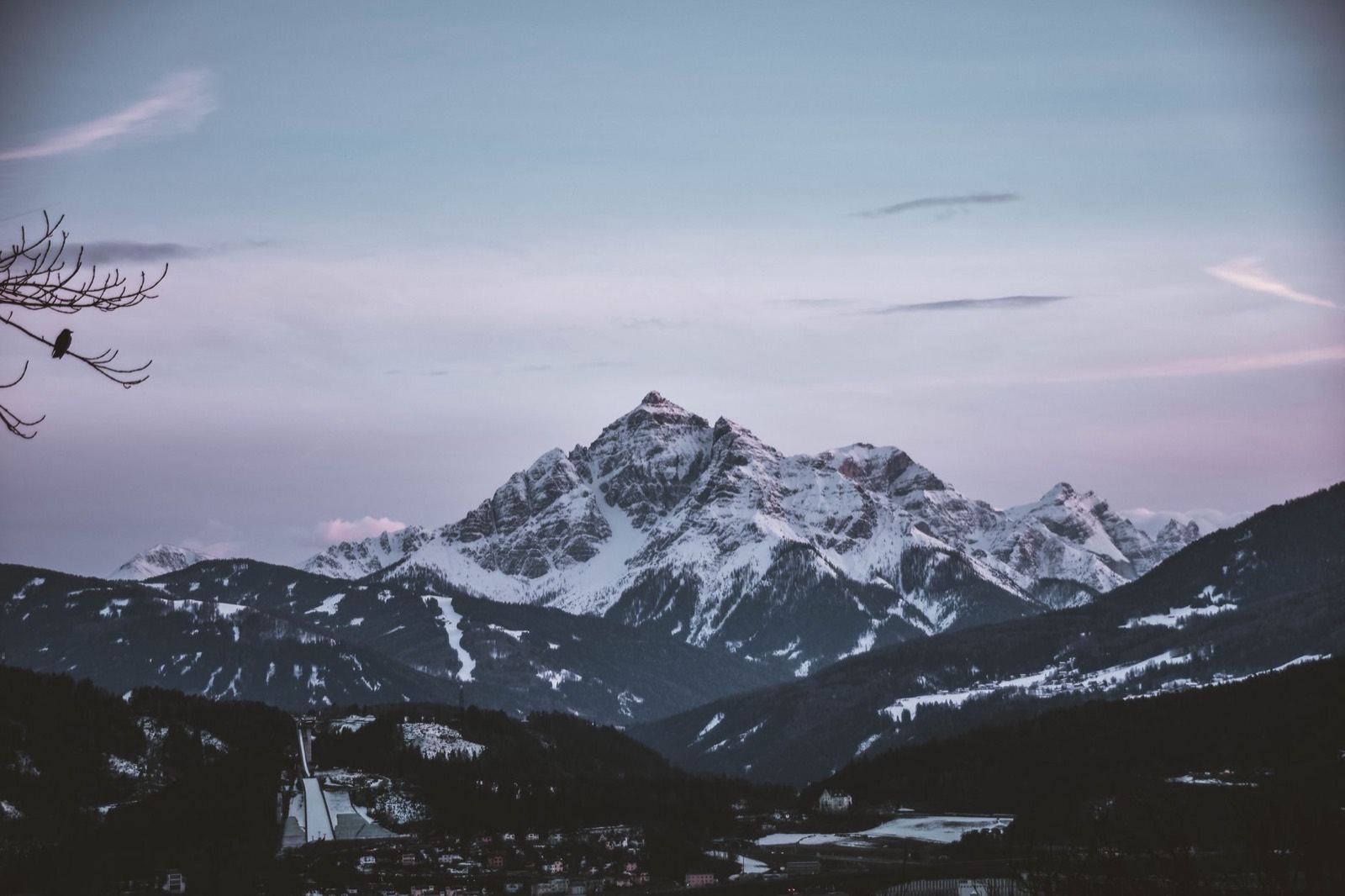
Hindu Kush is a pure indica landrace named after the 500-mile mountain range running between Afghanistan and Pakistan. Centuries of high altitude, cold nights, arid soil and intense UV selected for short, stocky, resin-drenched plants — the archetype every modern indica descends from.
It is also the traditional source of the world’s most famous hashish, and one of the proposed parents of OG Kush.
Hindu Kush at a Glance
| Attribute | Detail |
|---|---|
| Type | Pure indica landrace |
| Origin | Afghanistan and Pakistan, Hindu Kush range |
| Structure | Short, stocky, broad-leaved |
| Resin | Extremely heavy |
| Aroma | Earthy, hashy, sweet sandalwood |
| Flowering | Fast |
| Traditional use | Charas and Afghani hashish |
| Legacy | Foundation of modern indica genetics |
Why It Looks the Way It Does
Everything distinctive about Hindu Kush is an adaptation. High altitude means intense UV, and thick resin is the plant’s sunscreen. Cold nights and a short season select for fast flowering and compact structure.
That is worth sitting with, because those same traits — density, heavy resin, quick finish — are exactly what commercial growers now select for deliberately. The mountains did it first.
The broad leaves and squat habit that define “indica” as a botanical description all come from this population and its neighbours.
Sensi Seeds have a detailed strain story on Hindu Kush covering its history and journey westward.
| Environmental pressure | Adaptation | Modern consequence |
|---|---|---|
| Intense high-altitude UV | Heavy resin production | Prized for extraction |
| Cold nights, short season | Fast flowering | Commercially attractive |
| Wind and exposure | Short, stocky structure | Easy to grow indoors |
| Arid soil | Efficient, hardy plants | Forgiving genetics |
What Landrace Actually Means
A landrace is a population that adapted to one region over a long period without deliberate hybridisation. It is not a brand or a breeder selection — it is what the plant became when left to a specific environment for a very long time.
That gives landraces a stability modern hybrids lack. Grow a pack of Hindu Kush seeds and the plants will broadly resemble each other, where a modern polyhybrid produces phenotypes pulling in several directions at once.
It also makes them genuinely predictable, which is why the indica label means something here and very little on a modern dispensary menu.
Landraces also carry genetic diversity that hybrid populations have narrowed. Whatever future breeding requires — disease resistance, climate tolerance, cannabinoid profiles nobody has looked for yet — is more likely to exist in these populations than in the commercial gene pool.
The Hashish Tradition
Farmers across the region have processed this cannabis into hashish for generations. Charas is made by rubbing fresh plants by hand; traditional Afghani hash is sieved and pressed.
Both methods are solventless separation of trichomes from plant material — the same principle behind modern ice water hash, arrived at centuries earlier without any equipment.
The modern equipment is better. The principle is identical.
Every solventless technique in use today is a refinement of something Kush farmers worked out by hand a very long time ago.
How It Reached the West
Westerners began bringing Afghan seeds home in the 1970s and 80s, and those genetics became the foundation for most modern indica breeding.
The heavy body effects, sedative character and dense bud structure that people now associate with indica all trace back to this lineage. Before it arrived, Western cannabis was largely equatorial sativa.
That is part of why the indica and sativa labels became muddled — the categories described genuinely different populations before fifty years of crossing blurred them. Our classification piece covers where the terms still hold.
Growing Kush Genetics
Kush-line plants are among the more forgiving genetics available, which is part of why they spread so widely once they reached Western growers.
Short stature suits indoor rooms with limited height. Fast flowering means more cycles per year. Hardy plants tolerate the mistakes beginners make. None of that was designed — it is what a harsh mountain environment produced, and it happened to align almost perfectly with what indoor cultivation would later require.
Our grow room climate guide and training techniques cover working with compact plants.
Hindu Kush and OG Kush
The most widely accepted OG Kush account has Chemdawg crossed with Lemon Thai and a Hindu Kush line.
If that is right, Hindu Kush supplied the density, earthiness and resin that separate OG Kush from its tall, stretchy Chemdawg parent. Our OG Kush guide covers the competing accounts.

Follow that chain forward and Hindu Kush reaches GSC, then Gelato and Sunset Sherbet, then most of our own catalogue.
| Step | Cross | Result |
|---|---|---|
| 1 | Chemdawg × Lemon Thai × Hindu Kush | OG Kush |
| 2 | OG Kush × Durban Poison | GSC |
| 3 | GSC descendants | Gelato, Sunset Sherbet, GMO |
What Modern Growers Borrowed
Almost every trait indoor growers now select for was already present in this landrace centuries ago.
Fast flowering, compact structure, heavy resin and hardiness are exactly what a commercial indoor room requires, and the Hindu Kush mountains selected for all four without anyone intending it.
What modern breeding added was flavour variety. The agronomic foundation was already there, which is why so much contemporary breeding is really about layering new terpene profiles onto structural traits that arrived from the mountains decades ago.
| Trait | Origin | Why growers want it |
|---|---|---|
| Fast flowering | Short mountain season | More cycles per year |
| Compact structure | Wind and exposure | Fits indoor rooms |
| Heavy resin | UV protection | Potency and extraction yield |
| Hardiness | Arid, harsh conditions | Forgiving of mistakes |
Landraces Are Disappearing
Hindu Kush populations in their home region are being displaced by imported hybrid genetics, the same pressure affecting landraces everywhere.
That matters because landraces are the reservoir every hybrid was built from. Once a population is gone, the diversity it held is not recoverable. Durban Poison is the other landrace still widely available, and for the same reason: it happened to be commercially viable.
- Imported hybrids dilute source populations.
- Commercial yield expectations disfavour landraces.
- Political instability disrupts traditional cultivation.
- No seed banking infrastructure in most source regions.
Frequently Asked Questions
What is Hindu Kush?
A pure indica landrace from the Hindu Kush mountain range between Afghanistan and Pakistan, shaped by centuries of natural selection at altitude.
Why is Hindu Kush so resinous?
Heavy resin is an adaptation to intense high-altitude UV and cold nights. It functions as protection for the plant.
What is charas?
Traditional hashish made by rubbing fresh cannabis plants by hand so resin collects on the skin, then pressing it. It is a solventless method centuries old.
Is Hindu Kush related to OG Kush?
Most likely. The widely accepted OG Kush account includes a Hindu Kush line alongside Chemdawg and Lemon Thai, though it has never been confirmed.
Why do landrace strains matter?
They are the genetic reservoir all modern hybrids were bred from. As populations are displaced by imported genetics, that diversity is lost permanently.
Educational content for adults 21+ in legal jurisdictions. Lost Leaf flower is available only through licensed Michigan provisioning centres.
Related reading: How modern solventless methods work.