
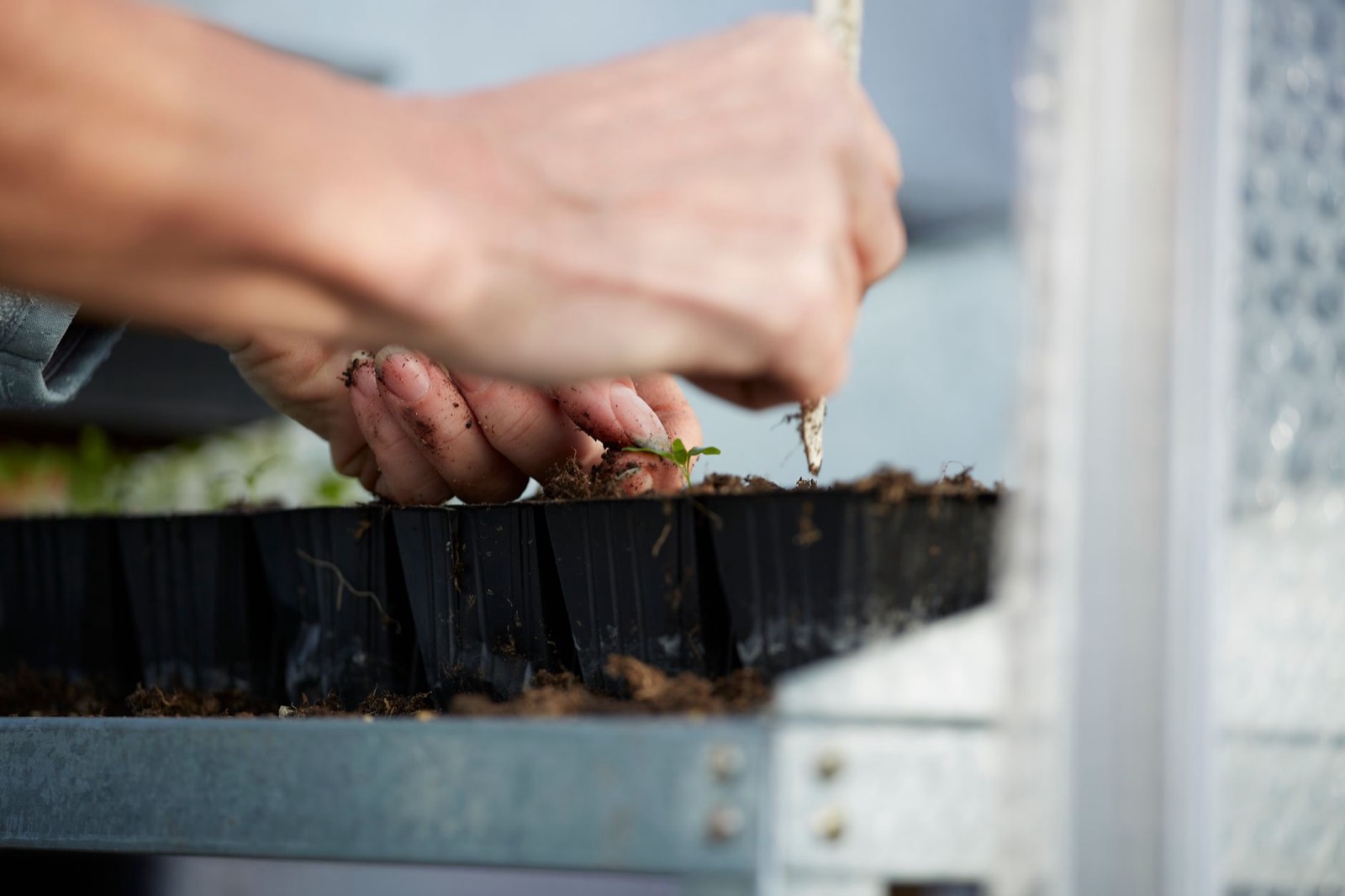
Rockwool and aeroponic cloning both reach 90%+ success rates once dialled in. Rockwool is cheaper, needs no power and has the highest rooting success in controlled studies; aeroponic cloners root faster and are far more forgiving for beginners. The medium matters less than the environment you keep the cuttings in.
That last point is the one most growers learn the expensive way. You can run either method badly and lose a whole tray. Below is how each system actually works, what it costs, and how to choose.
Why Clone at All?
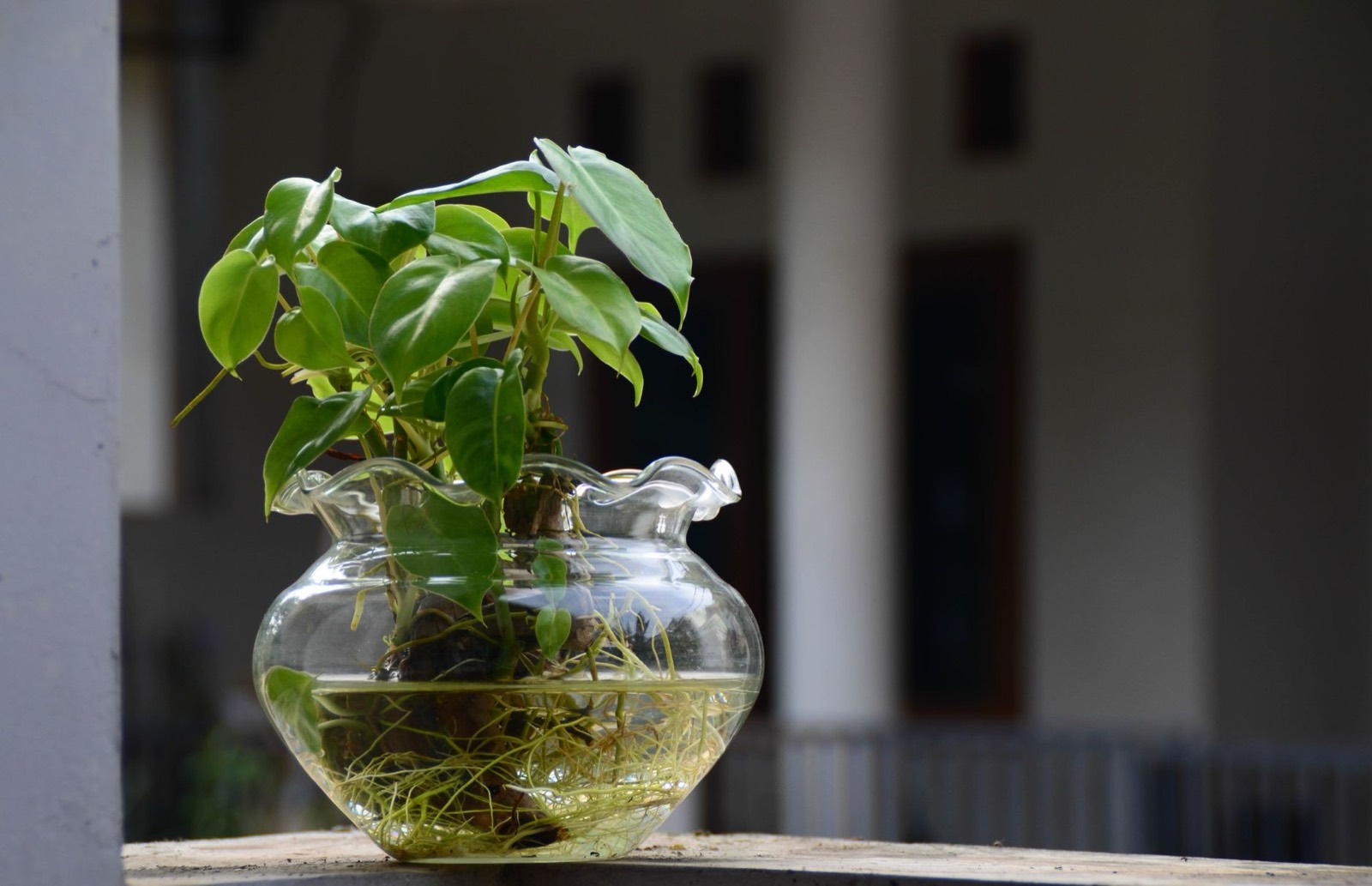
A clone is a genetic copy of the plant it was cut from. Once you have hunted a keeper pheno — the one out of fifty seeds with the terpene profile you actually want — cloning is the only way to run it again.
- Consistency. Every plant in the room finishes the same way.
- Speed. Clones skip the seedling stage and are sex-guaranteed.
- Preservation. A mother plant keeps a selection alive indefinitely.
- Economics. No repeat seed cost for a cultivar you already own.
Rockwool vs Aeroponic: Direct Comparison
| Factor | Rockwool cubes | Aeroponic cloner |
|---|---|---|
| Typical success rate | 90%+ once dialled in | 90%+ once dialled in |
| Rooting speed | 10–14 days | 7–10 days |
| Upfront cost | Low ($20–40 per tray setup) | Higher ($100–250 per unit) |
| Power required | None | Pump runs continuously |
| Beginner friendly | Moderate — needs technique | High — close to plug-and-play |
| Humidity dome | Required | Usually unnecessary |
| Failure mode | Over-saturation, rot | Pump failure, reservoir temperature |
| Transplant | Cube goes straight into medium | Bare root — handle carefully |
| Scalability | Excellent, stackable | Limited by unit size |
| Best for | Cost-conscious, larger runs | Beginners, fast turnaround |
Peer-reviewed work backs both approaches. A comparative analysis of propagation techniques for Cannabis sativa across soilless and aeroponic methods found aeroponics was as effective as — and sometimes better than — soilless media for root development, while other substrate research has recorded rockwool producing the highest rooting success of any medium tested.
How to Clone in Rockwool
Preparing the cubes
Rockwool arrives with a high pH. Soak the cubes in pH-adjusted water at around 5.5 for a few hours before use, then shake out the excess. Cubes should be moist, not dripping.
Over-saturation is the single most common rockwool failure. A waterlogged cube starves the cutting of oxygen and the stem rots before roots form.
Taking and setting the cutting
- Take cuttings from healthy lower growth with at least two nodes.
- Cut at a 45-degree angle to increase surface area.
- Dip in rooting gel immediately — do not let the cut end sit in air.
- Insert into the cube so the stem is snug, with no air gap around it.
- Trim large fan leaves back by roughly a third to reduce transpiration load.
Dome management — where most people go wrong
Keep the dome fully closed for the first several days to hold humidity high. Cuttings have no roots, so they take water in through their leaves.
From around day seven, crack the vents progressively every other day. Pull the dome briefly a couple of times daily for fresh air. Too much humidity for too long turns cuttings pale and actually inhibits rooting.
| Days | Dome position | Humidity target | What you should see |
|---|---|---|---|
| 1–3 | Fully closed | 90–95% | Turgid leaves, no wilting |
| 4–7 | Closed, brief daily airing | 85–90% | Slight callus at the cut |
| 8–11 | Vents cracked | 75–85% | First root initials |
| 12–14 | Vents open / dome off | 65–75% | Roots through the cube |
How Aeroponic Cloning Works
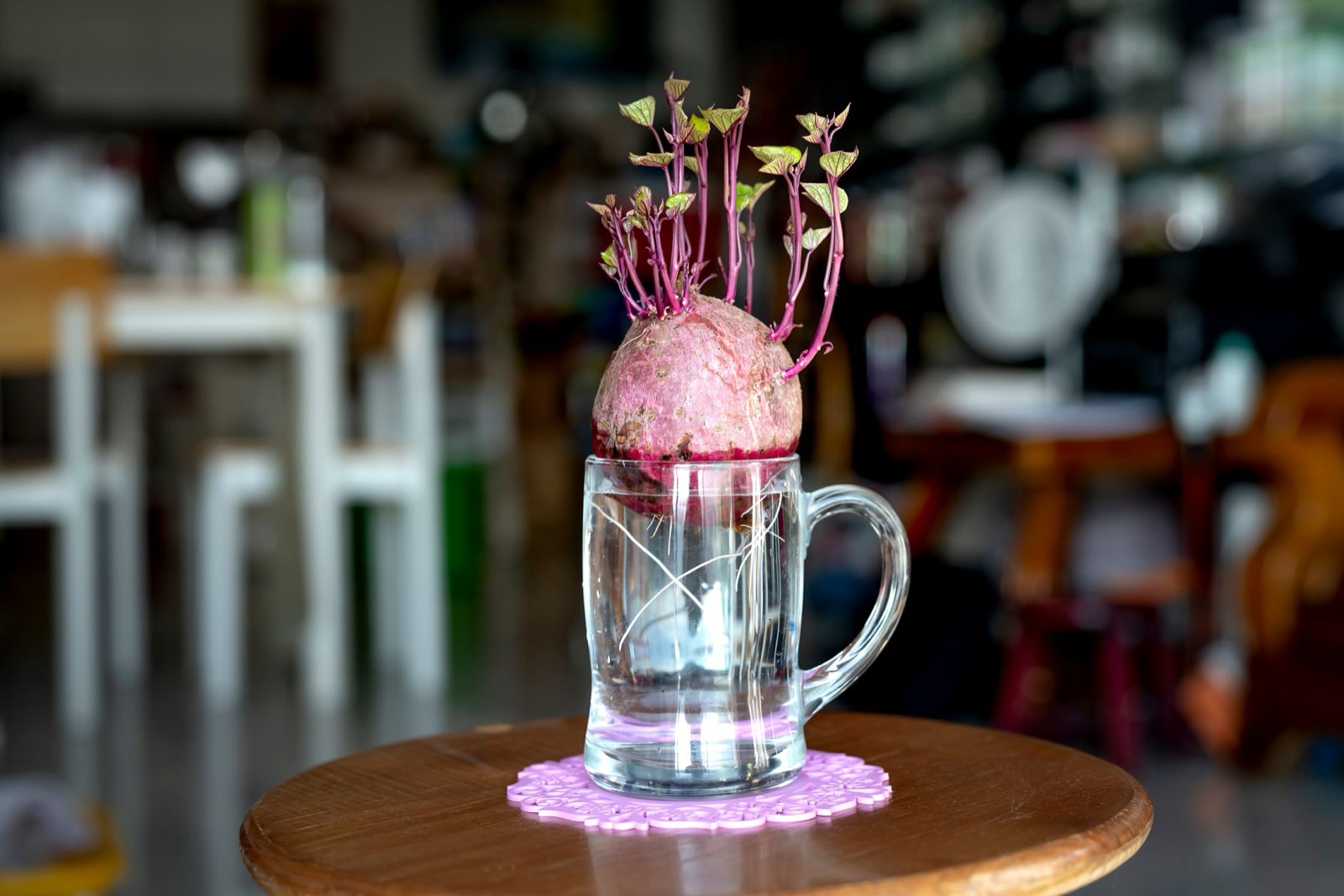
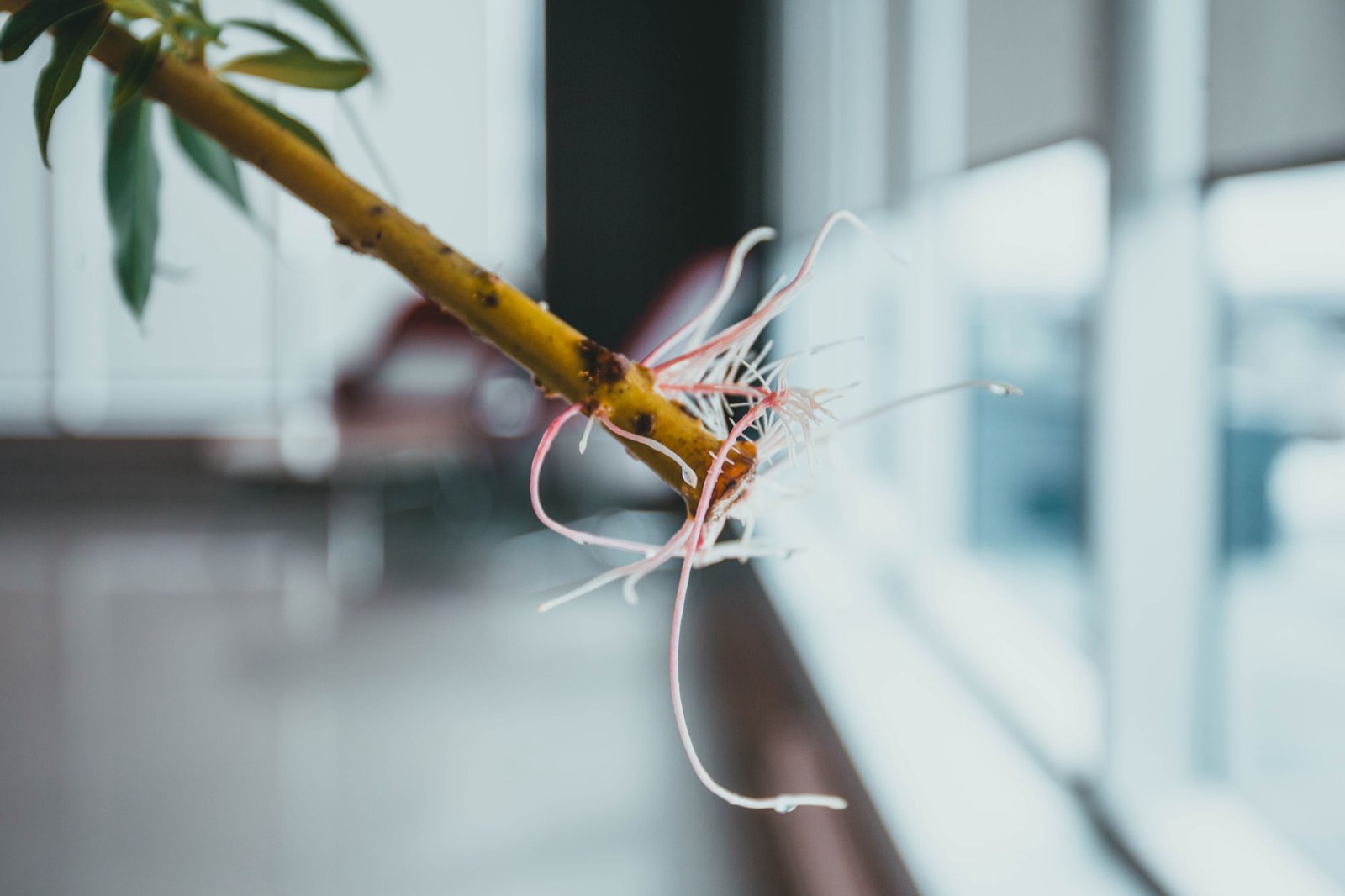
An aeroponic cloner suspends bare stems in a chamber and sprays them with oxygenated water. There is no medium at all — roots form directly in humid air.
Because the chamber holds near-saturated humidity by design, most units need no dome. That removes the trickiest variable for new growers, which is why aero cloners have a reputation for being forgiving.
Getting the most from an aero cloner
- Run the pump continuously. Research indicates continuous spray outperforms intermittent cycling for root initiation.
- Watch reservoir temperature. Warm water breeds pathogens; aim for the high teens Celsius.
- Keep it clean. Sterilise between runs — a biofilm in the lines will cost you a tray.
- Transplant promptly. Bare roots are fragile and tangle if left too long.
Cost Breakdown Over Time
Rockwool wins on cost at every scale, but the gap narrows if you value the time an aero cloner saves.
| Item | Rockwool | Aeroponic |
|---|---|---|
| Initial setup | Tray, dome, cubes — low | Cloner unit — moderate to high |
| Per-run consumables | New cubes each run | Neoprene collars reuse indefinitely |
| Electricity | None | Pump running 24/7 |
| Replacement parts | None | Pump, sprayers over time |
| Time to first roots | 10–14 days | 7–10 days |
| Best value at scale | Yes — cubes are cheap in bulk | No — needs multiple units |
Troubleshooting Common Failures
| Symptom | Likely cause | Fix |
|---|---|---|
| Cuttings wilt and never recover | Air gap at stem or dome opened too early | Re-set cutting snugly; close dome |
| Stems turn brown and mushy | Over-saturated cube | Squeeze out excess; improve drainage |
| Leaves pale or yellowing | Humidity too high for too long | Increase venting and airflow |
| No roots after 3 weeks | Poor cutting quality or cold room | Take from healthier growth; warm the tray |
| Slimy roots in aero cloner | Warm reservoir, biofilm | Cool and sterilise the reservoir |
How We Approach Propagation
Every cultivar we release is hunted from seed in-house, which makes propagation central to the whole operation. Once a keeper is identified, that selection has to survive across every future run.
Our flower is grown without pesticides or sterilizers, so cleanliness at the propagation stage is not optional — problems introduced in a clone tray follow the plant all the way to harvest.
The chemistry works. The environment determines success.
Our Lost Leaf cannabis cloning grow document covers both rockwool and aeroponic procedures with the specific protocols we run, and it is included in the complete Lost Leaf grow document package alongside nine other cultivation guides.
What Comes After Rooting
Rooted clones need a different environment from cuttings. Humidity comes down, light intensity comes up, and feeding begins gradually.
Our guide to ideal LED grow room temperature, humidity and VPD targets by growth stage covers exactly where to take a freshly rooted clone next. For the full library, browse the Lost Leaf cannabis cultivation guides and grow documents.
Frequently Asked Questions
Is rockwool or aeroponic cloning better?
Neither is universally better. Rockwool is cheaper, needs no electricity and scales well. Aeroponic cloners root faster and are more forgiving for beginners. Both reach 90%+ success once dialled in.
How long do cannabis clones take to root?
Roughly 10 to 14 days in rockwool and 7 to 10 days in an aeroponic cloner, assuming healthy cuttings and correct environmental control.
Do I need a humidity dome for rockwool cloning?
Yes. Cuttings without roots absorb water through their leaves, so high humidity is essential early on. Vent the dome progressively from around day seven.
Why are my clones turning yellow?
Usually humidity held too high for too long, which inhibits rooting. Increase venting and airflow. Persistent yellowing can also indicate the cutting was taken from unhealthy growth.
What pH should rockwool be soaked at?
Around 5.5. Rockwool is alkaline out of the bag and will lock out nutrients if it is not conditioned first.
Choosing Between the Two
If you are cloning at any scale, rockwool is the economical answer and the technique is learnable in a single run. If you are new to propagation, or you want roots in a week rather than two, an aeroponic cloner removes most of the ways a beginner can fail.
Many growers end up running both — an aero cloner for quick turnarounds and rockwool for bulk runs. The methods are not mutually exclusive, and the skills transfer in both directions.
Educational content for adults 21+ growing legally in their jurisdiction. Check your local regulations before cultivating cannabis.
Related reading: Feeding rooted clones correctly. Topping, lst and scrog once plants establish.
Related reading: Quarantine and clean-stock practices.