Michigan issues adult-use grower licences in three classes — Class A up to 100 plants, Class B up to 500, and Class C up to 2,000 — through the Cannabis Regulatory Agency (CRA). Prequalification costs $3,000, there is no cap on the number of grower licences, and your municipality must have opted in.
That last point stops more applicants than any other. Michigan is a local-opt-in state, and a perfect application means nothing if the township has not adopted an ordinance permitting cannabis businesses. Checking the local ordinance is the first thing to do, before spending money on anything else.
Grower Licence Classes
| Class | Plant limit | Typical fit |
|---|---|---|
| Class A | Up to 100 plants | Small craft operations |
| Class B | Up to 500 plants | Mid-size producers |
| Class C | Up to 2,000 plants | Large commercial facilities |
| Microbusiness | Up to 150 plants | Grow, process and sell direct |
Large operators commonly stack multiple Class C licences at one facility, which is how sites well beyond 2,000 plants operate legally. There is no cap on how many grower licences the CRA will issue overall.
What It Costs
| Item | Amount | Notes |
|---|---|---|
| Prequalification | $3,000 | Same for all licence types |
| Application fee | $4,000–$40,000 | Varies by licence type |
| Annual assessment | $2,000–$30,000 | Class A lowest, Class C highest |
| Build-out | Highly variable | Usually the largest real cost |
| Compliance systems | Ongoing | Seed-to-sale tracking, security, testing |
Treat these as indicative rather than current. Fees and requirements change, and the CRA is the authoritative source for what applies on the day you apply. This Michigan cultivation licensing overview is a useful orientation before you go to the regulator’s own documentation.
The Two-Step Process
- Step 1 — Prequalification. Background checks on all applicants and financial disclosure. This establishes whether you are eligible at all.
- Step 2 — Establishment licensing. Tied to a specific property, with municipal approval, plans and inspections.
Splitting it this way means you can establish eligibility before committing to a lease or build. Doing it in the other order is how people lose money.
Inspections and the 60-Day Clock
Once you submit, timelines become unforgiving.
| Requirement | Deadline | Consequence of failure |
|---|---|---|
| Pre-licensure inspection | Within 60 days of submission | Application denied |
| Bureau of Fire Services inspection | Within 60 days | Application may be denied |
| Municipal approval | Before establishment licensing | Cannot proceed |
The practical implication is that you should not submit until the facility is genuinely ready. A premature submission burns the clock and the fee.
Municipal Opt-In
Michigan lets each municipality decide whether to permit cannabis businesses, and many have declined or capped the number of licences.
- Check the ordinance first, before looking at property.
- Ask about caps. Some opt-in municipalities limit licence numbers.
- Understand local scoring. Capped municipalities often run competitive processes.
- Verify zoning. Opting in does not mean every parcel qualifies.
What Nobody Tells You About the Small End
A Class A licence sounds like the accessible entry point, and in fee terms it is. The economics are harder than the number suggests.

Compliance costs do not scale down proportionally. Seed-to-sale tracking, security, testing and insurance cost broadly similar amounts whether you run 100 plants or 2,000, which means the per-gram burden on a small operation is considerably higher.
| Cost type | Scales with size? | Effect on small growers |
|---|---|---|
| Licence fees | Yes | Manageable |
| Security and compliance | Barely | Disproportionate burden |
| Testing | Per batch | Small batches cost more per gram |
| Insurance | Barely | Disproportionate burden |
| Labour | Yes, if automated | Hand-finishing is labour-intensive |
The way small producers survive is by not competing on price. Craft operations compete on quality, distinctiveness and relationships with provisioning centres — which is a different business to the one large-scale growers are running.
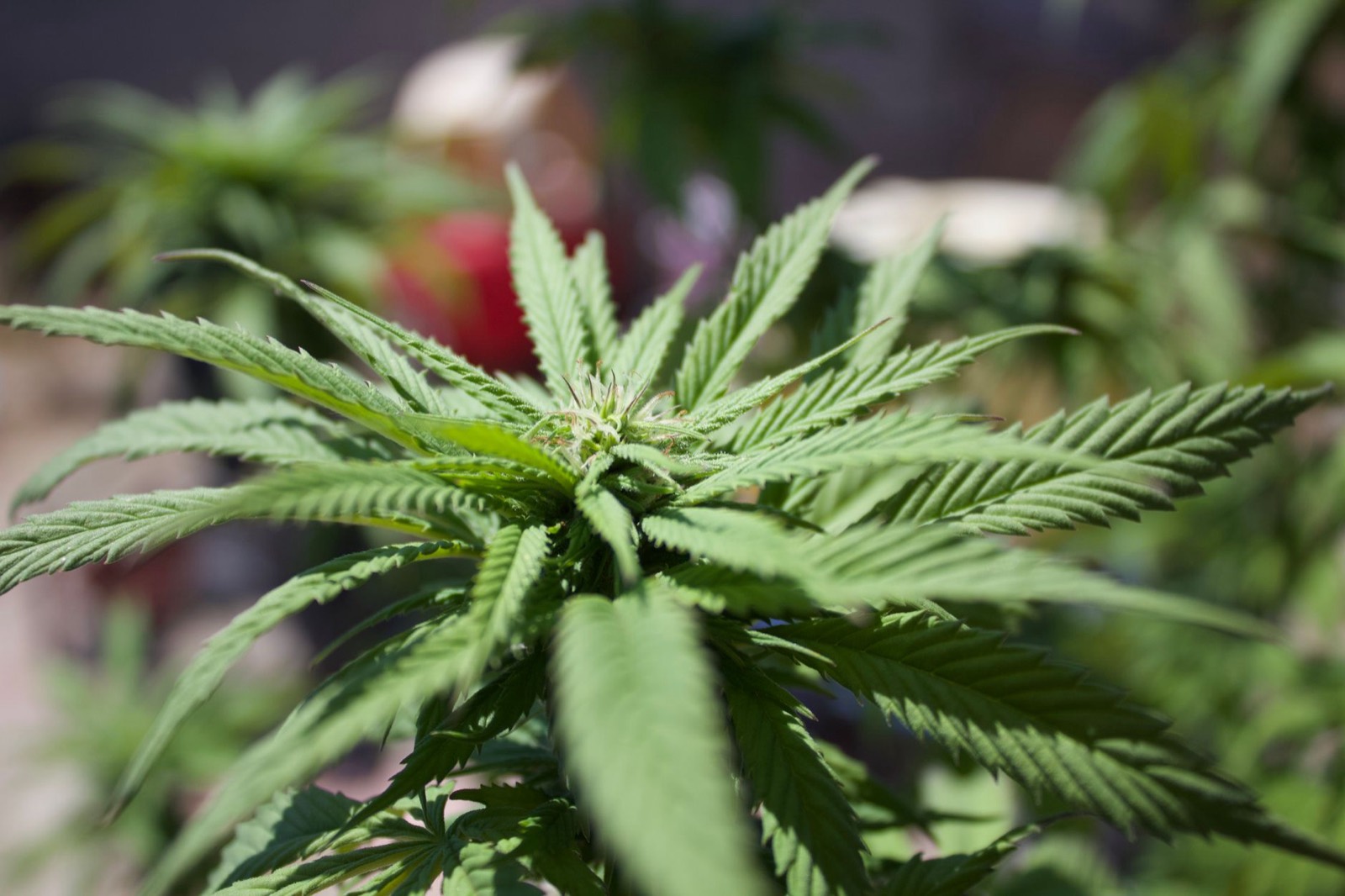
Michigan wholesale flower prices have fallen substantially since the market opened, which has squeezed everyone but hurt small producers most. Volume growers can absorb thinner margins; a 1,000 square foot room cannot.
That reality shapes what a small licence is actually for. If the plan is to sell commodity flower by the pound, the economics are punishing. If the plan is to grow something distinctive that buyers ask for by name, the small end is viable — but it is a brand business as much as a farming one.
Coming From the Caregiver Market
Many Michigan growers entering the licensed market came from the caregiver system, and the transition is a bigger adjustment than it looks.

Our owner started growing in the caregiver market in 2012 and still takes pride in those roots. The cultivation skills transfer directly. What does not transfer is the compliance apparatus, the documentation, the tracking, and the reality of building a facility to code.
Skill at growing plants and skill at running a licensed facility are different things, and the second one is what most applications actually test.
Practical Sequence
- Confirm your municipality has opted in and check for caps.
- Complete prequalification before committing to property.
- Secure a compliant location with municipal approval.
- Build out fully — security, tracking, fire compliance.
- Only then submit and start the 60-day inspection clock.
- Plan for months of operating costs before first revenue.
Underestimating the gap between step five and step six is the most common financial mistake. Licensing, build-out and the first crop cycle all consume money before a single gram is sold, and the runway required is routinely longer than applicants plan for.

Our own experience of this route is written up in the Lost Leaf grow document on getting into the white market. For the cultivation side, start with grow room climate and VPD, nutrients and feeding, and integrated pest management.
Frequently Asked Questions
How many plants can a Class A grower have in Michigan?
Up to 100 plants. Class B allows up to 500 and Class C up to 2,000. Operators may stack multiple Class C licences at one facility.
How much does a Michigan cannabis licence cost?
Prequalification is $3,000 for all types. Application fees run roughly $4,000 to $40,000 and annual assessments $2,000 to $30,000 depending on licence type. Verify current figures with the CRA.
Is there a cap on Michigan grower licences?
The state does not cap grower licences. Individual municipalities may cap the number they permit locally, and many have.
What is the 60-day rule?
Facilities must pass pre-licensure and Bureau of Fire Services inspections within 60 days of submitting licence qualification applications, or the CRA may deny the application.
Can I apply before I have a property?
Yes. Prequalification covers background and financial checks and is not tied to a location. Establishment licensing requires a specific municipally-approved property.
None of this is a reason not to pursue a licence. It is a reason to go in with accurate expectations about timelines, capital requirements and the amount of the job that has nothing to do with growing plants. The operators who struggle are usually the ones who budgeted for a grow and got a compliance business.
General information for adults 21+, not legal advice. Requirements and fees change — consult the Michigan Cannabis Regulatory Agency and qualified counsel before applying.
Related reading: What craft production actually means in practice.
Related reading: Consumer-side Michigan cannabis rules.