
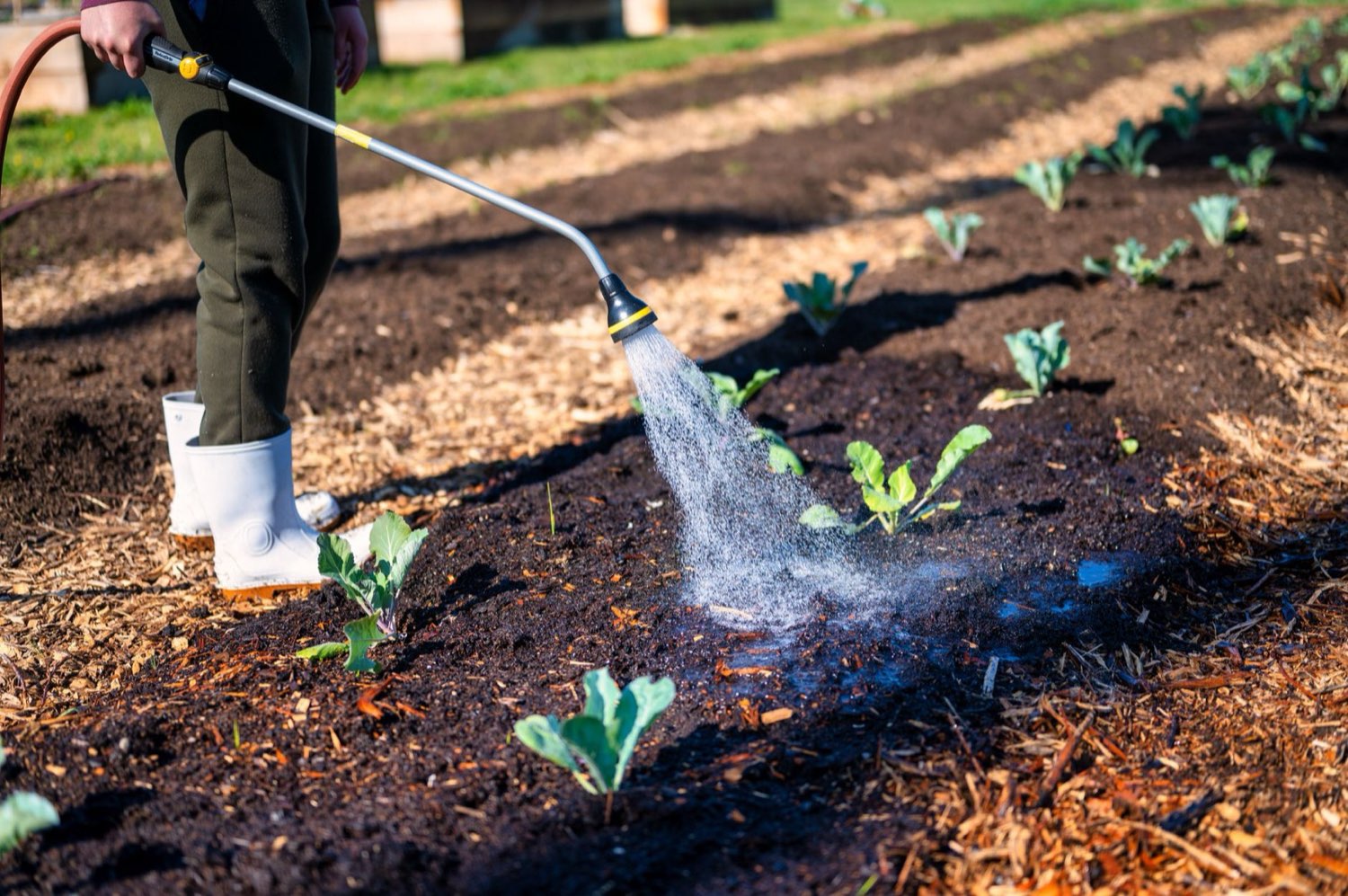
Water cannabis by plant demand rather than on a fixed schedule: let the medium dry back partially between irrigations, aim for 10–20% runoff to prevent salt build-up, and judge timing by pot weight rather than surface appearance. Overwatering kills more indoor plants than underwatering.
Watering looks like the simplest task in the room and is one of the easiest to get persistently wrong, because the symptoms of too much and too little look almost identical to an untrained eye and the instinctive correction for one makes the other considerably worse.
Why Overwatering Is So Common
Roots need oxygen as much as water. A medium held permanently saturated leaves no air space, roots suffocate, and uptake stalls.
The plant then droops — which looks exactly like thirst. The grower waters again. The cycle accelerates.
This single misreading probably accounts for more stalled indoor grows than nutrient problems, pest pressure and light issues combined. It is entirely avoidable, and the fix costs nothing.
The underlying principle is that roots need an oxygen phase as much as a water phase. Irrigation is not just delivering moisture — the dry-back between waterings is doing half the work.
| Symptom | Overwatering | Underwatering |
|---|---|---|
| Leaf posture | Drooping, firm, curled down | Drooping, limp, papery |
| Medium weight | Heavy | Very light |
| Recovery after water | No improvement or worse | Rapid improvement |
| Growth rate | Slow, stalled | Slow, then resumes |
| Root health | Brown, soft, sometimes smelly | Dry but white |
| Pest correlation | Fungus gnats | None specific |
The fastest diagnostic is weight. Lift the pot — or learn what a watered and a dry pot feel like on your bench. Surface appearance tells you almost nothing about what is happening at root depth.
Water by Demand, Not by Calendar
A fixed schedule ignores everything that actually drives water use: plant size, light intensity, temperature, humidity and stage.
| Factor | Effect on water demand |
|---|---|
| Plant size | Larger canopy transpires more |
| Light intensity | Higher PPFD drives higher uptake |
| Temperature | Warmer rooms increase transpiration |
| VPD | Higher VPD pulls more water through the plant |
| Growth stage | Peak demand in mid to late flower |
| Medium | Coco dries fastest, soil slowest |
Because transpiration is environmental, watering cannot be separated from climate. If your VPD is wrong, the plant will not drink correctly no matter how carefully you irrigate — see our LED grow room temperature, humidity and VPD guide.
Runoff and Salt Management
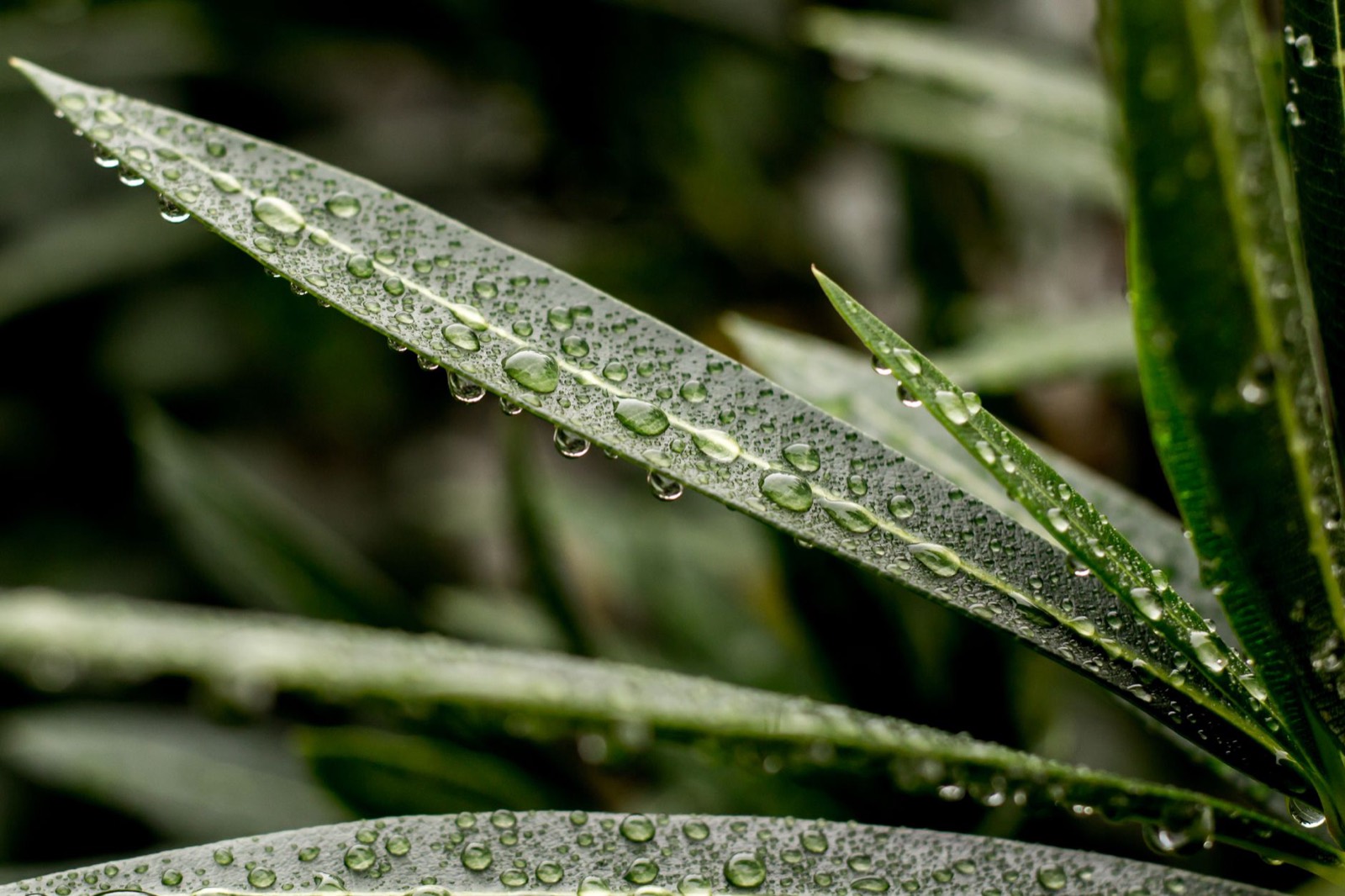
Runoff is the water that drains out the bottom. It is not waste — it is how accumulated salts leave the medium.
- Target 10–20% runoff on each irrigation in coco and hydro.
- Measure runoff EC and pH. Rising EC means salts are accumulating.
- Compare in versus out. If runoff EC is much higher than input, reduce feed strength.
- Do not chase zero runoff unless you are running a precision system that accounts for it.
| Runoff reading vs input | What it means | Action |
|---|---|---|
| Runoff EC higher | Salts accumulating; plant eating less than fed | Reduce feed strength |
| Runoff EC similar | Balanced | Continue |
| Runoff EC lower | Plant eating more than supplied | Increase feed strength |
| Runoff pH drifting | Medium buffering failing | Correct input pH; consider a flush |
This is where irrigation and feeding become the same conversation. Our cannabis nutrients guide covers EC and PPM targets by stage and how to distinguish lockout from genuine deficiency.
Frequency by Medium
| Medium | Typical frequency | Dry-back approach |
|---|---|---|
| Coco coir | Daily, sometimes multiple times | Small, frequent; never fully dry |
| Soil | Every 2–4 days | Allow meaningful dry-back |
| Living soil | Every 2–4 days | Keep biology alive; avoid extremes |
| Rockwool | Multiple daily in flower | Controlled dry-back between shots |
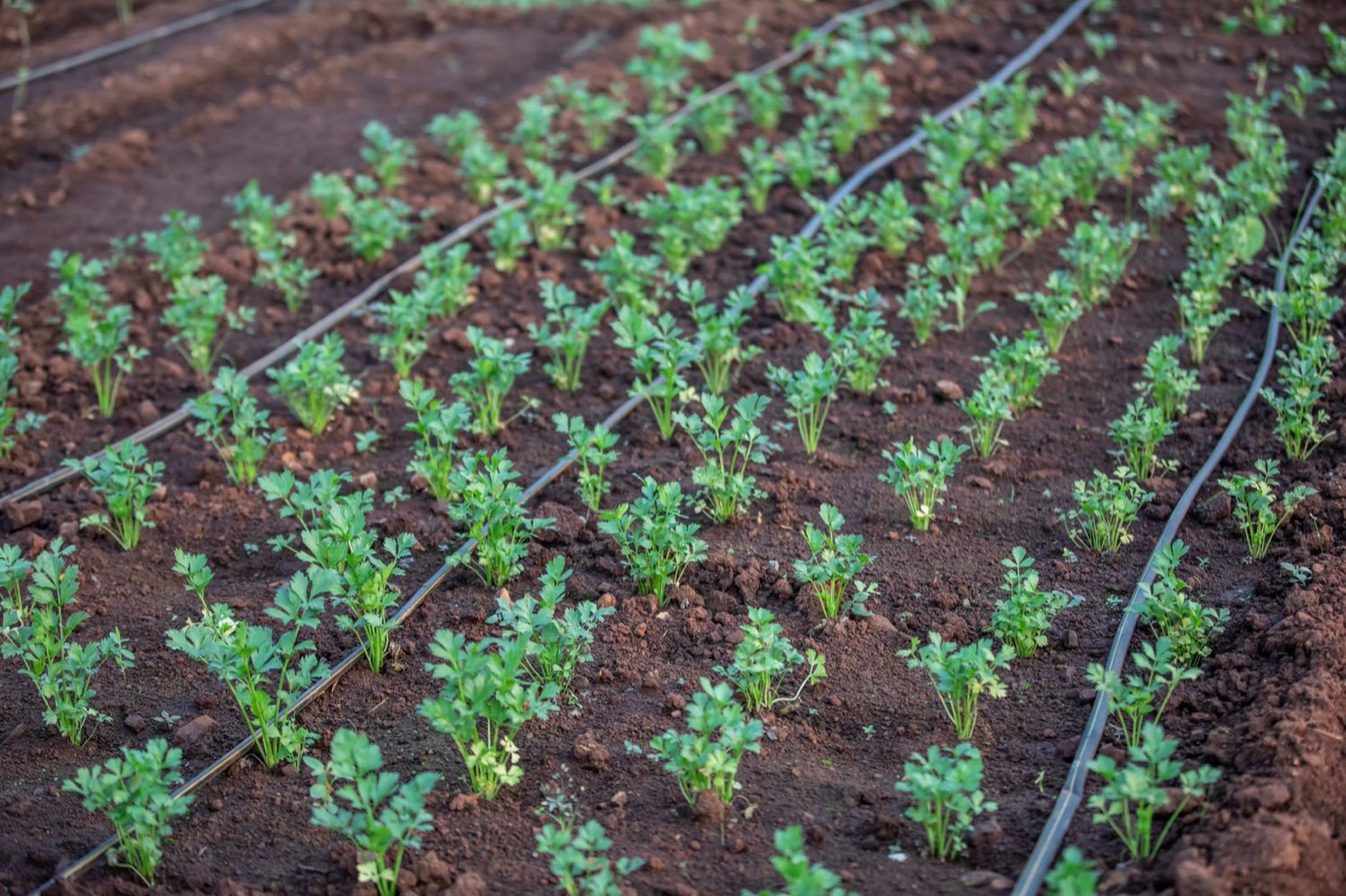
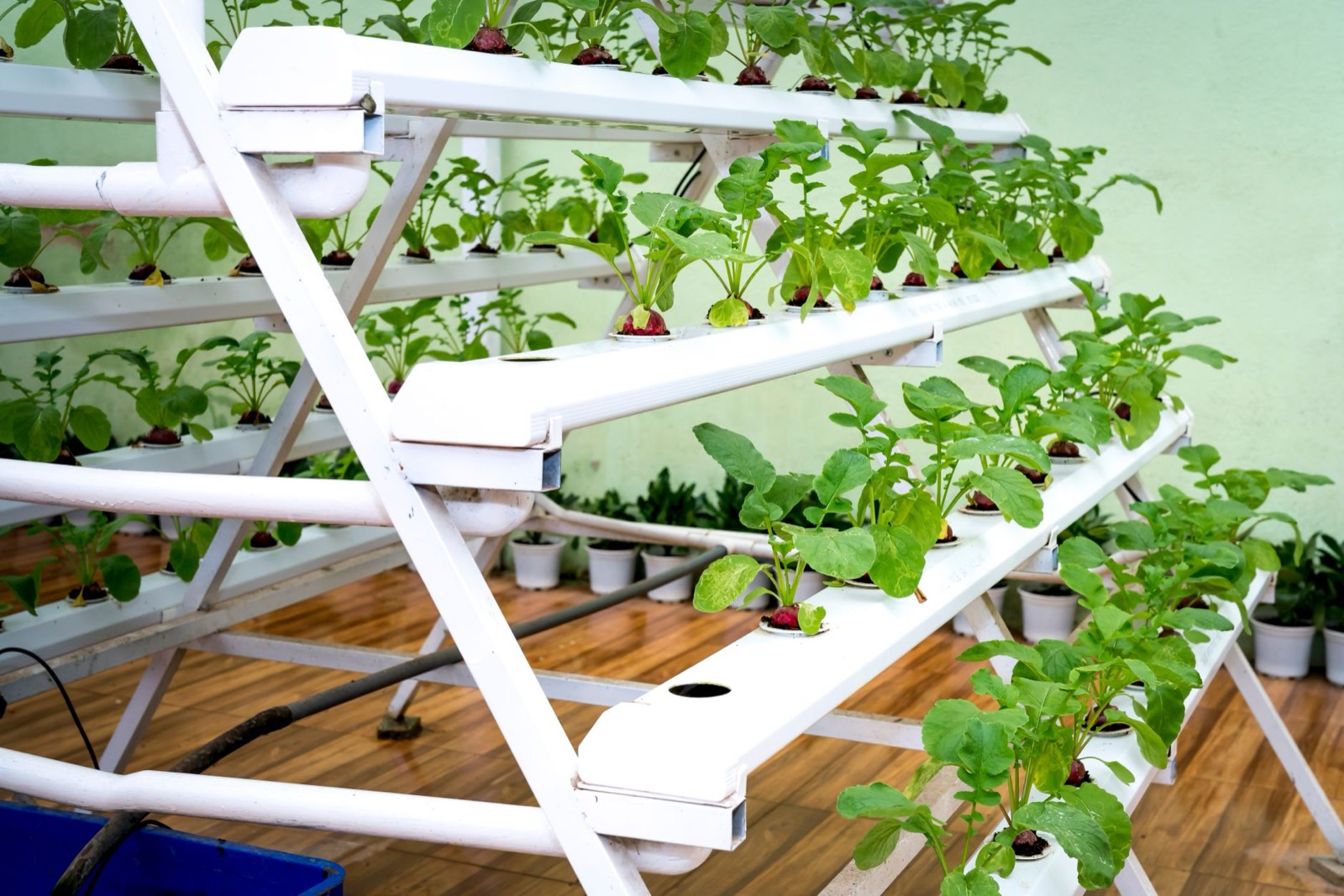
| DWC / hydro | Continuous | Monitor reservoir temperature and oxygenation |
The USDA Agricultural Research Service’s arid-land agricultural research programme publishes irrigation scheduling and water-use-efficiency research that generalises well to controlled environments.
Water Quality
What comes out of the tap varies enormously by region, and it changes what your nutrients actually deliver.
- Measure source EC first. Hard water already contains calcium and magnesium.
- Account for it in the feed. Adding full CalMag to hard water causes excess.
- Deal with chlorine and chloramine. They affect beneficial biology in organic systems.
- Watch water temperature. Cold water shocks roots; warm water holds less oxygen.
Watering and Pest Pressure
Persistently wet medium is the ideal fungus gnat habitat, and gnat larvae damage roots directly.
Letting the surface dry between irrigations breaks their breeding cycle without any product at all — one of the clearest examples of cultural control doing the work chemicals otherwise would. Our integrated pest management guide covers the wider approach.
Root pathogens follow similar logic. Pythium and related problems establish in warm, oxygen-poor root zones, which is a description of a chronically overwatered pot or a reservoir running too warm.
Fixing the irrigation regime removes the conditions rather than treating the symptom, which is both cheaper and more durable than any corrective product.
We grow without pesticides or sterilizers, so watering discipline is part of the defence rather than just a growth input. Our full irrigation protocols are in the Lost Leaf irrigation and watering grow document.
Frequently Asked Questions
How often should I water cannabis?
By demand rather than schedule. Coco often needs daily or more frequent irrigation; soil typically every two to four days. Judge by pot weight and dry-back, not the calendar.
How much runoff should I aim for?
Around 10–20% in coco and hydroponic systems. Runoff carries accumulated salts out of the medium and lets you measure EC and pH at the root zone.
How do I know if I am overwatering?
Drooping leaves that stay firm and curled, a heavy pot, no improvement after watering, and fungus gnats. Underwatered plants recover quickly once watered; overwatered ones do not.
Should I water every day?
In coco, often yes. In soil, rarely. Frequency depends on medium, plant size, light intensity and climate rather than a universal rule.
Does water temperature matter?
Yes. Cold water shocks roots and slows uptake; warm water holds less dissolved oxygen and encourages pathogens. Room temperature is a reasonable target.
Hand Watering Versus Automation
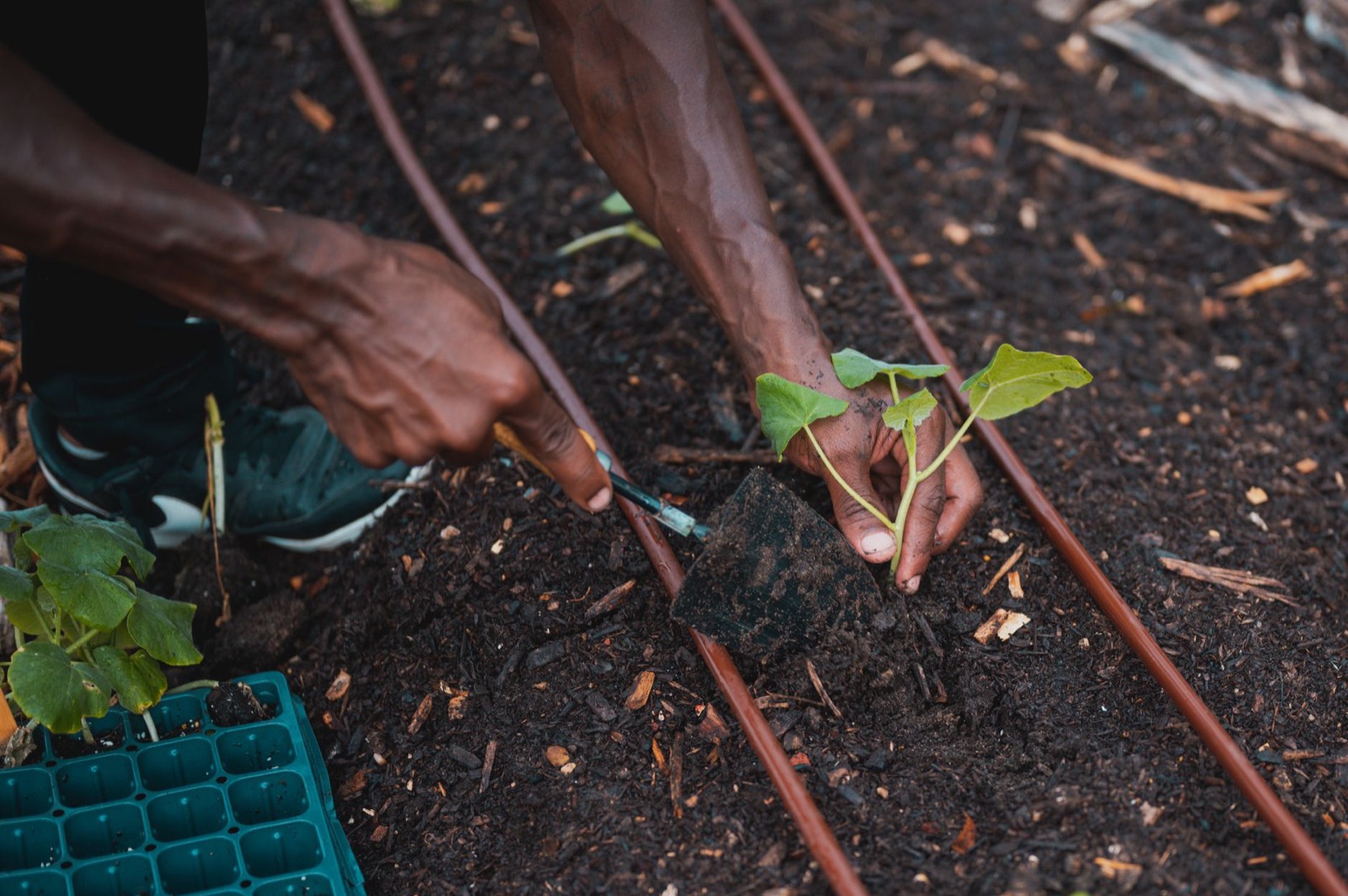
Automated irrigation is more consistent and saves considerable labour. It also removes the single most reliable diagnostic tool a small grower has: physically handling every plant several times a week.
| Hand watering | Automated drip | |
|---|---|---|
| Consistency | Variable | High |
| Labour | Significant | Low after setup |
| Early problem detection | Excellent — you touch every plant | Poor unless you still inspect |
| Scalability | Limited | Good |
| Failure mode | Missed or double watering | Blocked emitter starves one plant silently |
At our scale hand watering is practical, and the contact it forces is genuinely useful — problems get noticed early because someone is looking at every plant regularly rather than reading a controller.
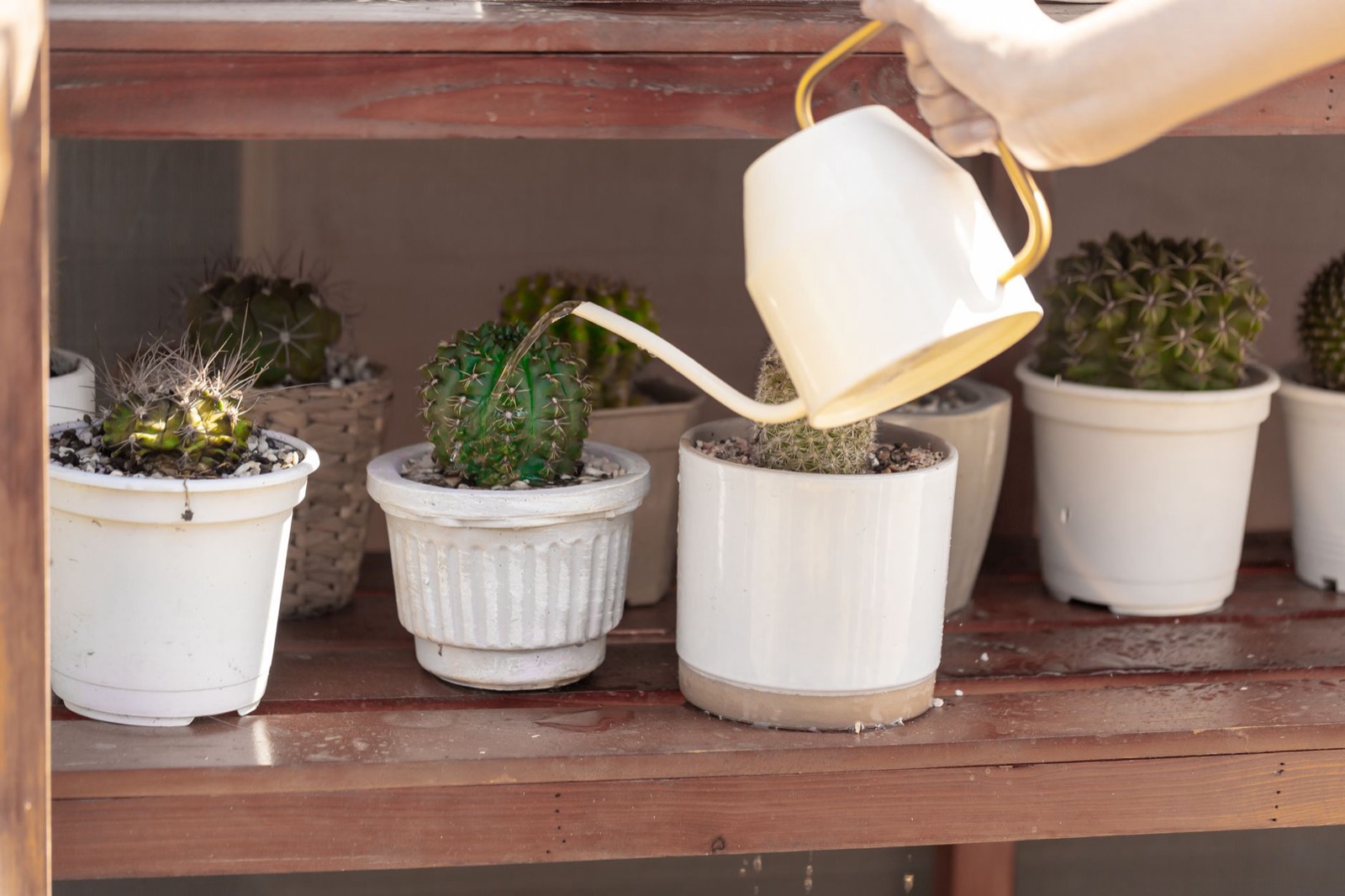
If you take one habit from this guide, make it weighing pots. It costs nothing, requires no equipment beyond your own hands, and it is the single most reliable way to know what is actually happening in the root zone rather than guessing from the surface.
Educational content for adults 21+ growing legally in their jurisdiction. Check your local regulations before cultivating cannabis.