
Cannabinoids are the compounds that interact with your endocannabinoid system, and THC is only one of more than a hundred. CBD is non-intoxicating, CBG is the precursor all the others form from, CBN is what THC becomes as it degrades, and THCV can suppress THC’s effects at low doses.
Terpenes determine how cannabis smells and tastes. Cannabinoids determine much of what it does. Both matter, and the label usually reports only one number from one of them.
The Main Cannabinoids
| Cannabinoid | Intoxicating? | Associated with | Notes |
|---|---|---|---|
| THC | Yes | Euphoria, appetite, altered perception | The primary psychoactive compound |
| CBD | No | Calm, anti-inflammatory research interest | Can moderate THC effects |
| CBG | No | Clear-headed focus | The precursor to THC, CBD and CBN |
| CBN | Mildly | Sedation, sleep | Formed as THC oxidises |
| THCV | Dose-dependent | Stimulation, appetite suppression | Can blunt THC at low doses |
| CBC | No | Anti-inflammatory research interest | Less studied |
CBG: The Mother Cannabinoid
CBG is sometimes called the mother of all cannabinoids, and the name is literal. THC, CBD and CBN all begin as CBG before enzymes convert them.
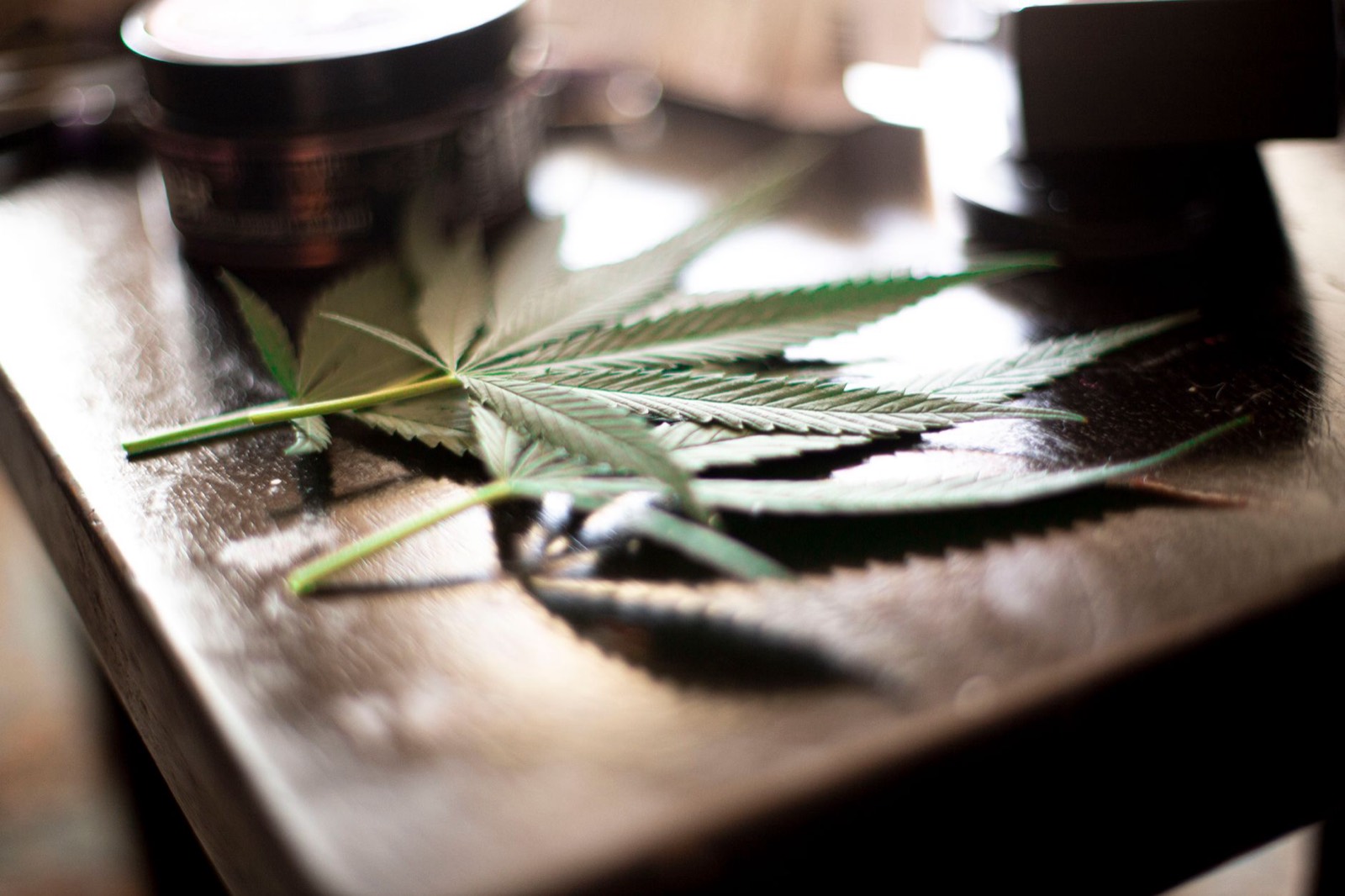
That means a plant high in CBG is generally one where less conversion happened. It is associated with a clear-headed, focusing quality and appears in products aimed at daytime use.
CBN and Why Old Flower Feels Different
CBN is not really produced by the plant. It is what THC becomes when it oxidises with age, heat and light exposure.
This explains something most consumers notice without understanding: old cannabis often feels sleepier and less bright than fresh. THC has partially degraded into CBN, which is mildly psychoactive and associated with sedation.
| Storage condition | Effect on cannabinoids |
|---|---|
| Cool, dark, sealed | Slow degradation, profile preserved |
| Warm or lit storage | Accelerated THC to CBN conversion |
| Long storage | Rising CBN, falling THC, sleepier effect |
| Repeated handling | Trichome loss reduces everything |
That is a good reason to check harvest dates. Our guide to reading a COA covers where cannabinoid data appears, and the curing guide covers storage.
Cannabinoids Versus Terpenes
It is worth being clear about the division of labour, because the two are constantly conflated.
| Cannabinoids | Terpenes | |
|---|---|---|
| Determine | Intoxication, much of the physical effect | Aroma, flavour, character |
| Measured as | Percentage of weight | Percentage of weight, much smaller |
| On the label | Almost always | Sometimes |
| Predicts quality | Poorly | Well |
THCa Versus THC
Raw cannabis contains almost no THC. It contains THCa, an acidic precursor that converts to THC when heated — which is why eating raw flower does not intoxicate you.
| Value | What it is |
|---|---|
| THCa | The acid form present in raw flower |
| Delta-9 THC | Active THC already present, usually a small amount |
| Total THC | THCa × 0.877 + THC |
The 0.877 factor accounts for mass lost during decarboxylation. A label quoting THCa alone as though it were potency is overstating what you will actually experience.
The Entourage Effect
The entourage effect is the proposition that cannabinoids and terpenes work together, and that whole-plant cannabis behaves differently from isolated THC.
It is widely believed among growers and consumers and remains an active research question rather than settled science. Newsweek published a readable overview of the main cannabinoids if you want a non-technical starting point.
What is not disputed is that two products with identical THC figures can feel completely different, which is exactly why the single number is a poor guide. Our terpenes guide covers the other half of that explanation.
Why We Do Not Lead With Numbers
Our strain pages describe terpenes and observed effect rather than headline percentages, and this is part of the reasoning.
A cannabinoid figure tells you about one compound in one sample tested by one lab. It does not tell you about the terpene profile, the cure quality, the freshness, or how the flower actually behaves.
We do not use labs known for inflating numbers, and we never remediate.
That decision costs us on the shelf, because potency is the first thing many customers read. Our craft cannabis buyer’s guide covers better questions to ask.
Minor Cannabinoids and the Market
CBG, CBN and THCV have all had moments of commercial attention, usually driven by a specific claim rather than by consumer demand.
| Cannabinoid | Marketed for | Evidence status |
|---|---|---|
| CBD | Calm, inflammation | Most researched of the minors |
| CBG | Focus, clear-headedness | Early research, promising |
| CBN | Sleep | Limited; often overstated |
| THCV | Appetite suppression, energy | Early research |
| CBC | Anti-inflammatory | Least studied |
It is worth reading those claims carefully. CBN in particular is heavily marketed for sleep on the basis of fairly thin evidence, and much of the sedation attributed to it in aged cannabis may come from terpene changes rather than CBN itself.
Why Flower Differs From Isolates
A cannabis product made from isolated THC and one made from whole flower with the same THC content do not behave identically, and most consumers notice.
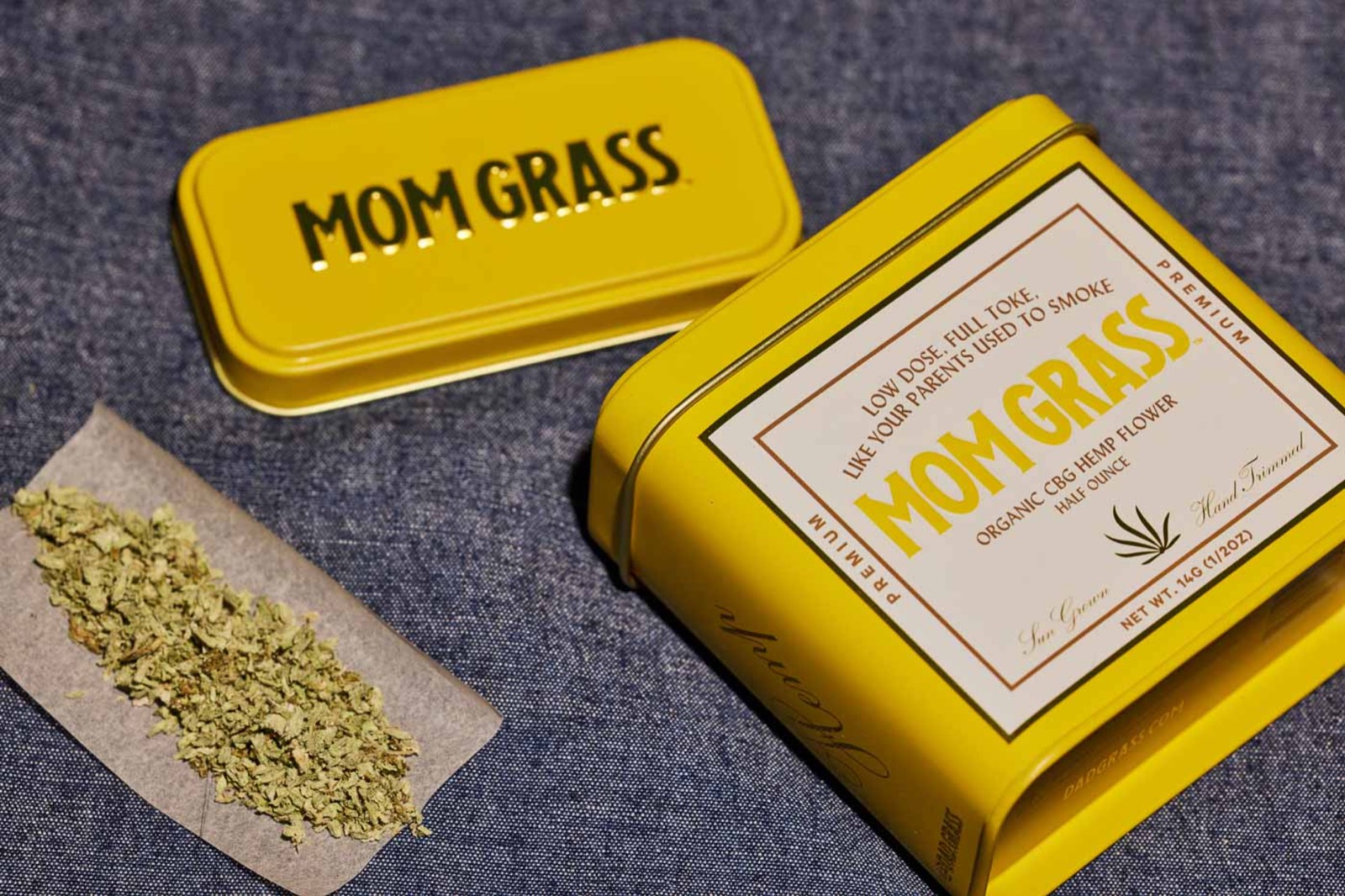
Whether that is the entourage effect, terpene contribution, minor cannabinoids or some combination is genuinely unsettled. What is clear is that reducing cannabis to a single cannabinoid figure discards most of what makes one flower different from another.
Practical Takeaways
- Read total THC, not THCa alone. The difference is substantial.
- Check total terpenes. Above 2% is where good flower starts.
- Check the harvest date. CBN rises and THC falls with age.
- Store properly. Cool, dark, sealed glass slows degradation.
- Do not shop on potency alone. It predicts strength, not quality.
The Endocannabinoid System
Cannabinoids work because the body already has receptors for compounds like them. The endocannabinoid system is involved in regulating pain perception, mood, appetite, sleep and immune response.
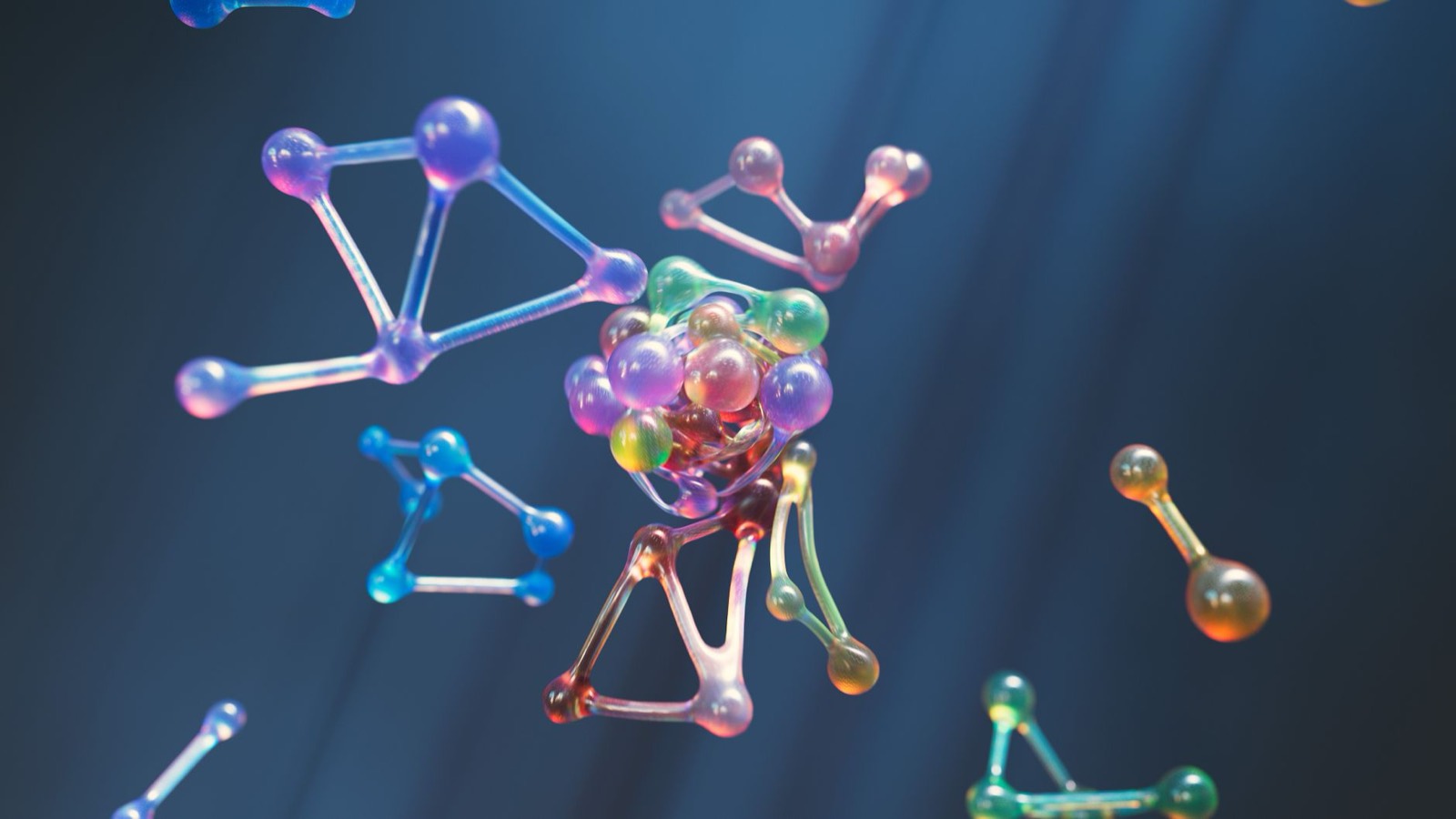
THC binds directly to CB1 receptors, concentrated in the brain, which is why it is intoxicating. CBD interacts far more indirectly, which is why it is not. Caryophyllene, unusually for a terpene, binds to CB2 receptors — one of the more concrete pieces of evidence behind entourage-effect arguments.
Frequently Asked Questions
What are cannabinoids?
Compounds found in cannabis that interact with the endocannabinoid system, influencing pain perception, mood, appetite and immune function. More than a hundred have been identified.
What is the difference between THC and CBD?
THC is intoxicating and responsible for the high. CBD is non-intoxicating and is studied for anti-inflammatory and calming properties; it can also moderate THC effects.
What is CBG?
Cannabigerol, often called the mother cannabinoid because THC, CBD and CBN all form from it. It is non-intoxicating and associated with clear-headed focus.
Why does old cannabis make you sleepy?
THC oxidises into CBN with age, heat and light. CBN is mildly psychoactive and associated with sedation, so older flower often feels heavier and less bright.
What is the entourage effect?
The proposition that cannabinoids and terpenes act together rather than individually. It is widely believed and still an active area of research rather than settled science.
Educational content for adults 21+ in legal jurisdictions. Not medical advice.