
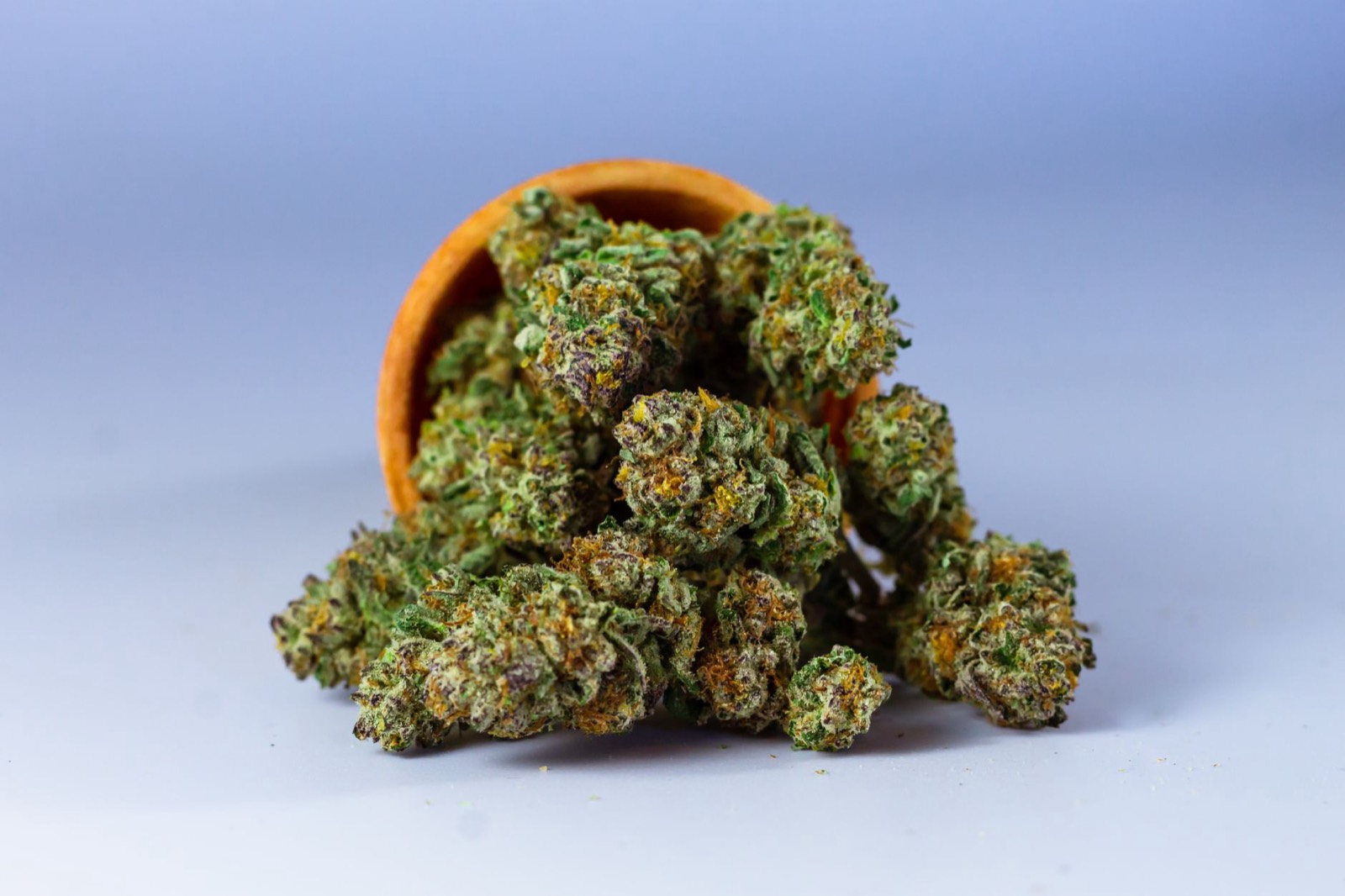
Michigan has one of the strongest small-producer cannabis scenes in the country, but craft flower is hard to identify on a menu because the labels do not distinguish it. The useful signals are harvest date, named producer, hand-trimming, terpene information and batch size — not the THC percentage everyone reads first.

This guide is about how to find genuinely good small-batch flower in Michigan, whoever grew it. Plenty of it is on shelves right now, sitting next to commodity product at a similar price, distinguished only by details most shoppers never think to ask about.
What “Craft” Actually Means
There is no legal definition, which is why the word appears on packaging that has nothing to do with small-batch production.
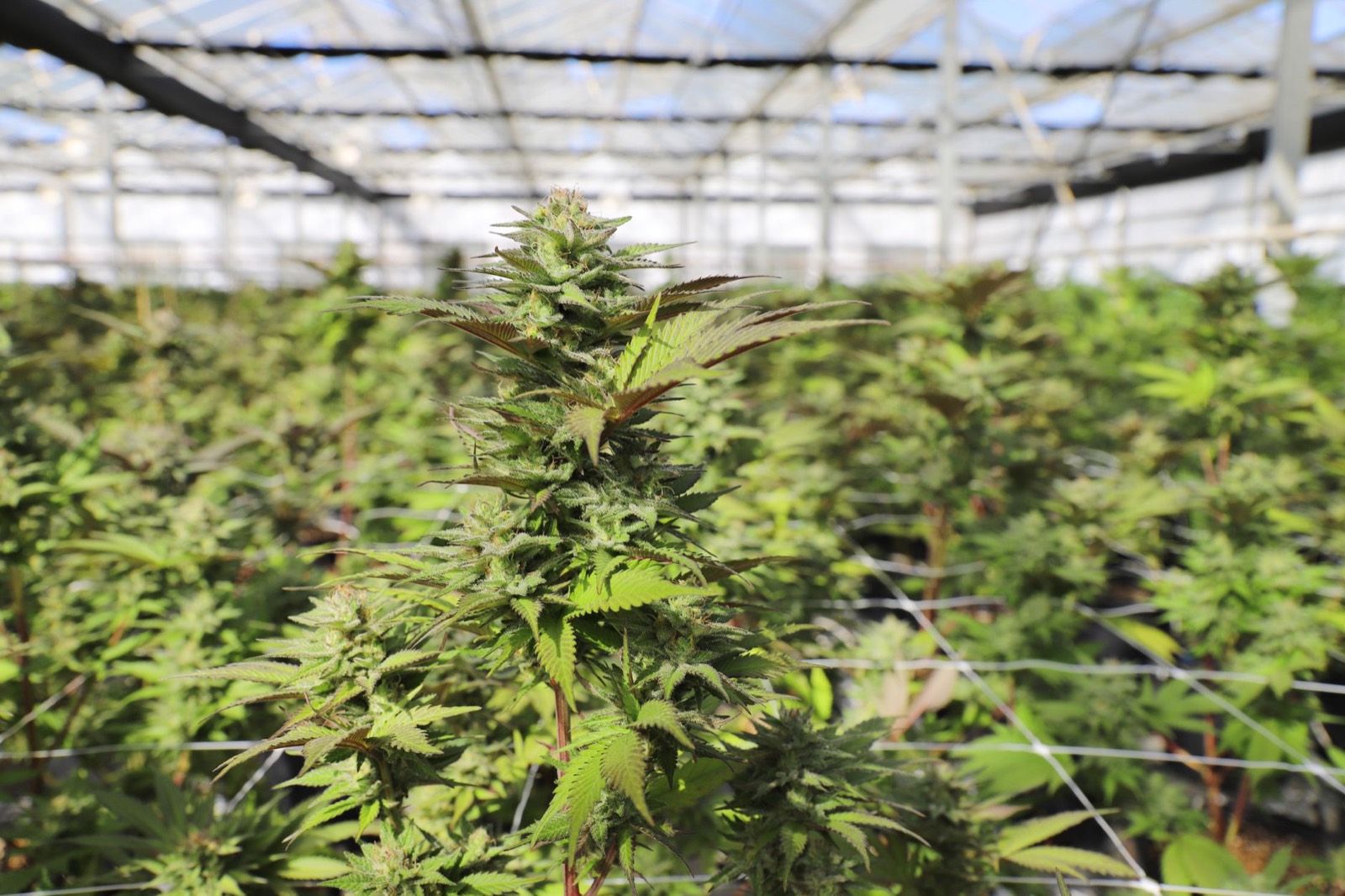
In practice the distinction is about scale and method. A craft producer runs small rooms, selects genetics deliberately, finishes by hand, and accepts lower yields for better flower.
| Craft production | Volume production | |
|---|---|---|
| Room size | Hundreds to low thousands of sq ft | Large warehouse facilities |
| Genetics | Often hunted from seed in-house | Established commercial clones |
| Trimming | Hand-trimmed | Machine-trimmed |
| Batch size | Small, rotating | Large, continuous |
| Selection priority | Flavour and quality | Yield and consistency |
| Drying and curing | Slow | Compressed for throughput |
| Price position | Premium | Competitive |
Neither is dishonest. They are different businesses solving different problems, and volume producers keep the market supplied at accessible prices. But if you are looking for flavour, the difference is real.
It is also worth saying that plenty of large facilities produce excellent flower, and plenty of small ones do not. Scale correlates with method rather than determining quality outright — a careless small grower beats nobody.
The THC Percentage Trap
The single most common mistake at a dispensary counter is shopping by THC number.
Potency inflation is a documented problem across legal markets. Labs vary in how generously they report, and producers can choose which lab to use. A jar reading 32% next to one reading 22% has not necessarily been tested the same way.
A well-grown 20% cultivar with a loud terpene profile will out-perform a rushed 30% one every time.
Terpene content, cure quality and freshness influence the experience far more than the headline cannabinoid figure. Ask about those instead.
What to Ask at the Counter
| Question | What a good answer sounds like | What it tells you |
|---|---|---|
| When was it harvested? | A specific recent date | Freshness; staff who know their stock |
| Who grew it? | A named producer | Craft producers are usually named |
| Was it hand-trimmed? | Yes, with detail | Trichome preservation, care taken |
| What are the dominant terpenes? | Named terpenes or a clear profile | Flavour-led rather than number-led |
| How big was the batch? | Small or limited | Small-batch production |
| Was it remediated? | No | No contamination requiring treatment |
Budtenders who can answer these tend to work somewhere that cares about what it stocks. Ones who immediately redirect to the highest THC number are telling you something too.
Freshness Matters More Than People Think
Cannabis is an agricultural product and it degrades. Terpenes are volatile, cannabinoids oxidise, and flower that has sat in a warehouse for eight months is not what it was at harvest.
Harvest date is printed on packaging in Michigan, and it is one of the most useful numbers on the label. Yet almost nobody reads it, while everybody reads the THC figure.
| Time since harvest | Typical condition |
|---|---|
| Under 3 months | Peak terpene expression |
| 3–6 months | Still good if stored properly |
| 6–12 months | Noticeable terpene loss |
| Over 12 months | Substantially diminished |
Reading the Flower Itself
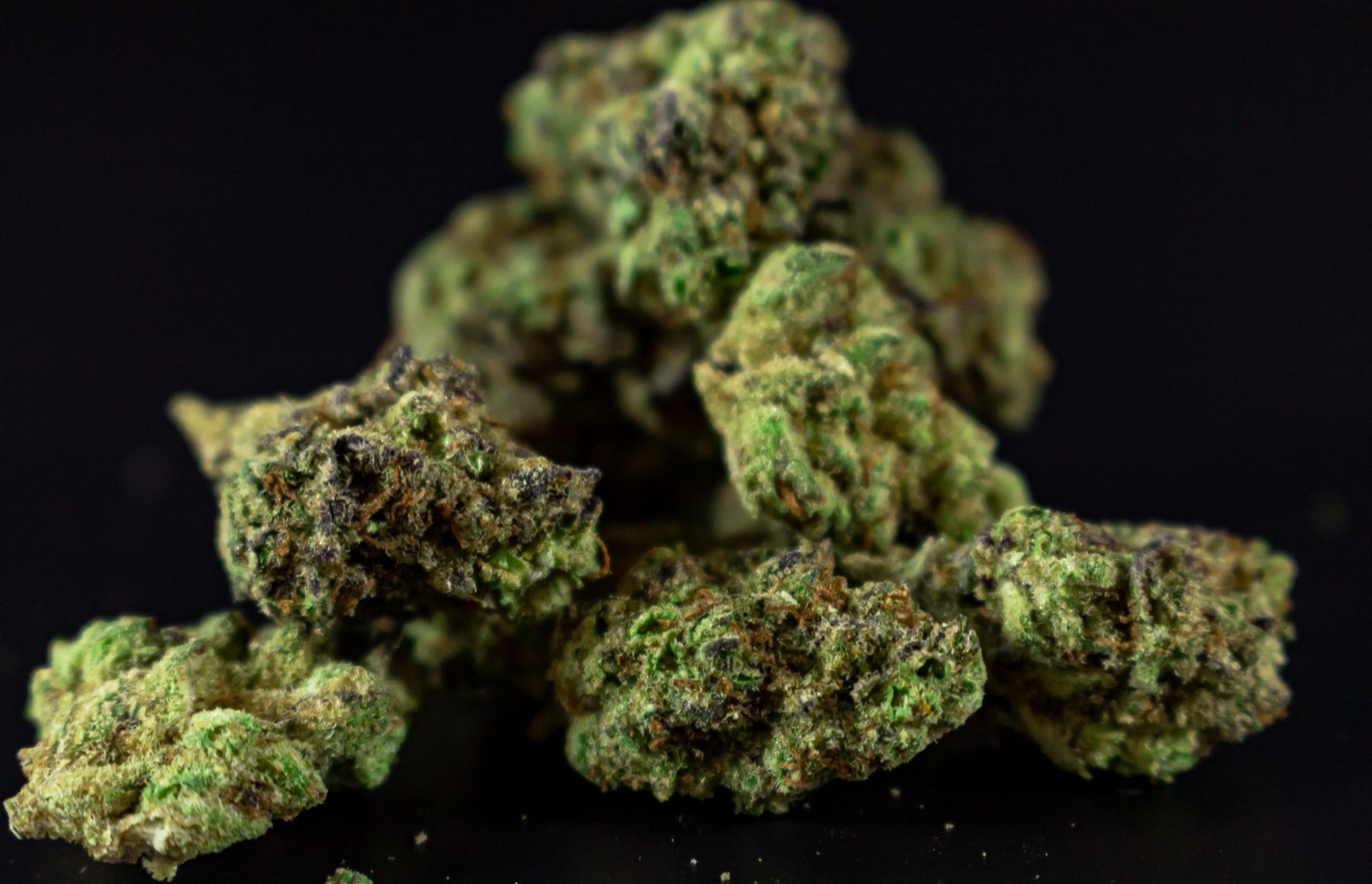
- Smell it if you can. Loud is good; hay or grass means a rushed dry.
- Look at the trim. Machine trimming leaves a uniform, slightly rounded look.
- Check the moisture. Bone dry means over-dried; damp risks mould.
- Look for trichome coverage, not just colour or density.
- Notice the structure. Hand-trimmed flower keeps its natural shape.
Michigan’s Craft Scene
The state has an unusually deep bench of small producers, partly because Michigan’s caregiver system built a generation of experienced growers before the adult-use market opened.
Many of the people running small licensed rooms today learned their craft in that earlier system. Our own owner started in the caregiver market in 2012.
| Retailer | Region | Notes |
|---|---|---|
| Dunegrass | Northern Michigan | Multiple locations including Beulah, Cadillac, Gaylord, Traverse City |
| Olswell | West and Southeast | Adrian, Grand Rapids and other locations; in-house brands |
| Butter | Ann Arbor | Southeast Michigan |
| High Profile | Statewide | Multiple locations |
The Michigan Cannabis Guide maintains a directory of Michigan cannabis makers worth asking for by name, which is a reasonable place to start if you are exploring beyond one brand.
Price Is Not a Quality Signal
Expensive flower is not automatically craft, and craft flower is not automatically expensive. Premium pricing is easy to apply to ordinary product, and some excellent small producers price modestly because they are not trying to signal anything.
Why Small Producers Sell Out
If you find something you like from a craft producer, buy it then. It very likely will not be there next month.
Small rooms produce small quantities, and many craft growers run single batches rather than keeping a cultivar in continuous production. That is a feature of how they work, not a supply failure.
Our own releases work exactly this way — where to find Lost Leaf and why availability rotates explains the mechanics.
The Economics Behind the Price
Craft flower costs more, and it is worth understanding why rather than assuming it is positioning.
| Cost factor | Effect on small producers |
|---|---|
| Compliance and security | Similar cost regardless of size; disproportionate per gram |
| Testing | Per batch, so small batches cost more per gram |
| Hand-trimming | Labour-intensive by design |
| Lower yields | Flavour-first selection costs weight |
| No remediation | Failed runs are losses, not reworked product |
The licensing and compliance side is covered in more detail in our Michigan grower licence guide.
Frequently Asked Questions
What makes cannabis “craft”?
There is no legal definition. In practice it means small rooms, deliberate genetics selection, hand-trimming, slow drying and curing, and accepting lower yields for better flower.
Is higher THC better?
No. Potency inflation is a known problem and labs vary in reporting. Terpene content, cure quality and freshness affect the experience far more than the percentage.
How do I find craft flower in Michigan?
Ask for the harvest date, the producer name, whether it was hand-trimmed, and what the dominant terpenes are. Craft producers are usually named; commodity flower often is not.
Why is craft cannabis more expensive?
Compliance, testing and insurance cost roughly the same regardless of scale, so per-gram overhead is much higher for small producers. Hand-trimming and lower yields add to it.
Why do craft brands sell out so fast?
Small rooms produce limited quantities and many craft growers run single batches rather than continuous production of one cultivar.
Educational content for adults 21+ in legal jurisdictions. Lost Leaf flower is available only through licensed Michigan provisioning centres.
Related reading: How to read a cannabis certificate of analysis. Terpene benchmarks worth knowing.
Related reading: The Michigan consumer law essentials.