
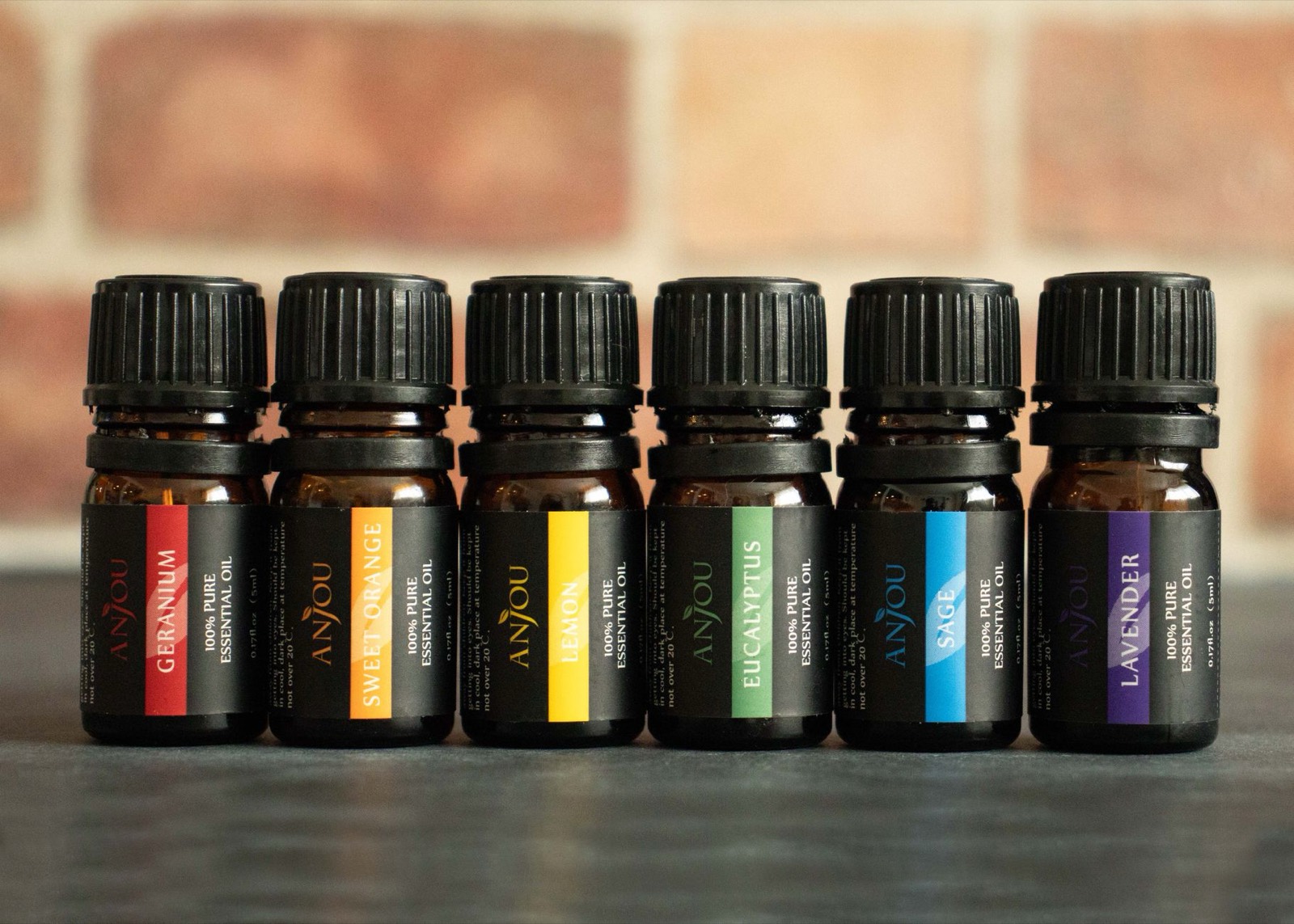
Terpenes are the aromatic compounds that give cannabis its smell and flavour, and they explain far more about how a cultivar feels than the THC percentage does. Total terpene content above 2% is good for flower; above 3–4% is excellent. Most cultivars are defined by three or four dominant terpenes out of dozens present.
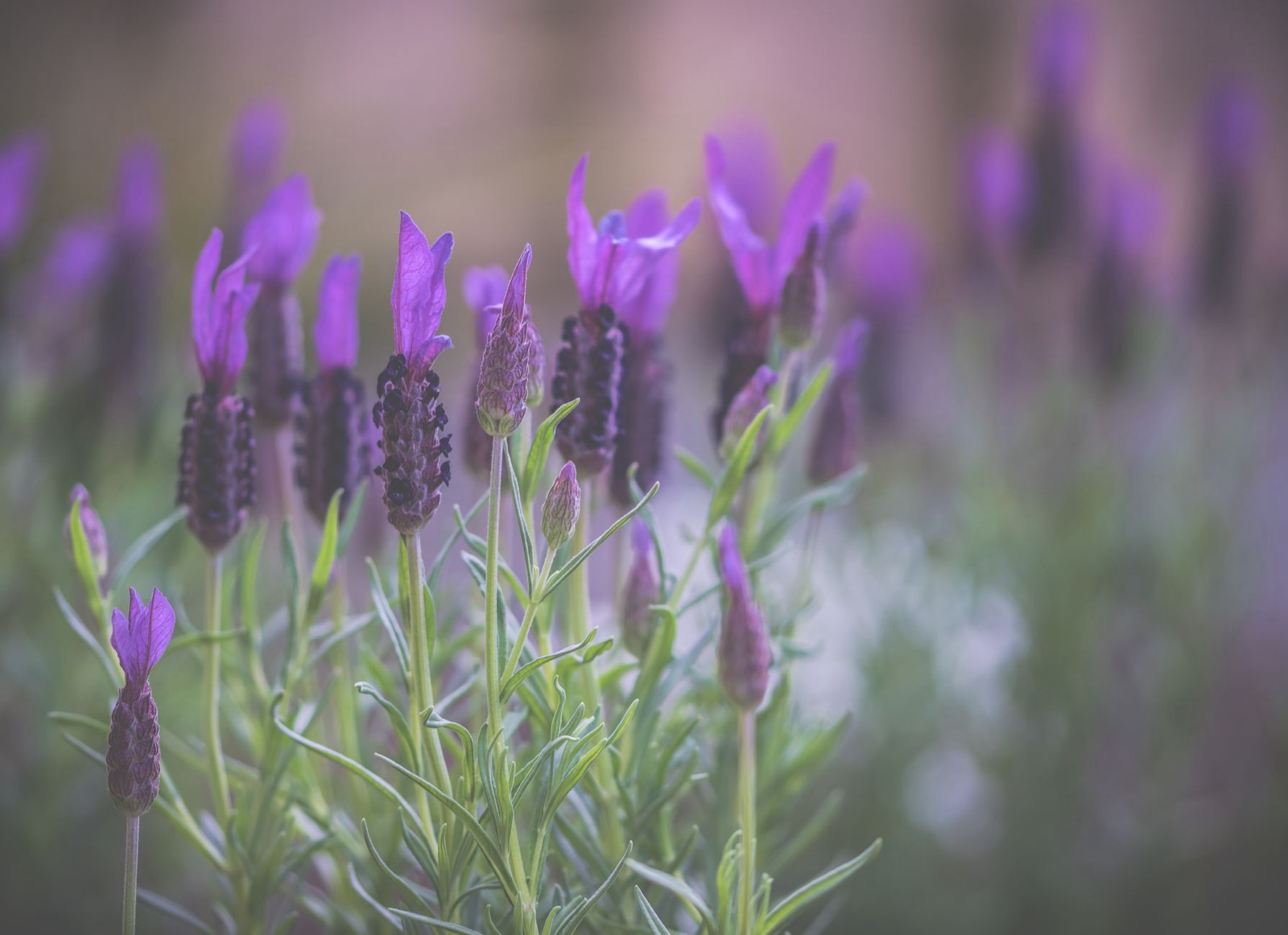
Terpenes are not unique to cannabis. The same compounds produce the smell of pine forests, citrus peel, lavender and black pepper — which is exactly why cannabis aromas are so easy to describe in kitchen terms. That shared chemistry is also why terpene research extends far beyond cannabis, into food science, perfumery and botany.
The Main Terpenes in Cannabis
| Terpene | Aroma | Also found in | Commonly associated with |
|---|---|---|---|
| Myrcene | Earthy, musky, herbal | Hops, mango, thyme | Relaxation, body heaviness |
| Limonene | Citrus peel, bright | Lemon, orange, juniper | Mood lift, stress relief |
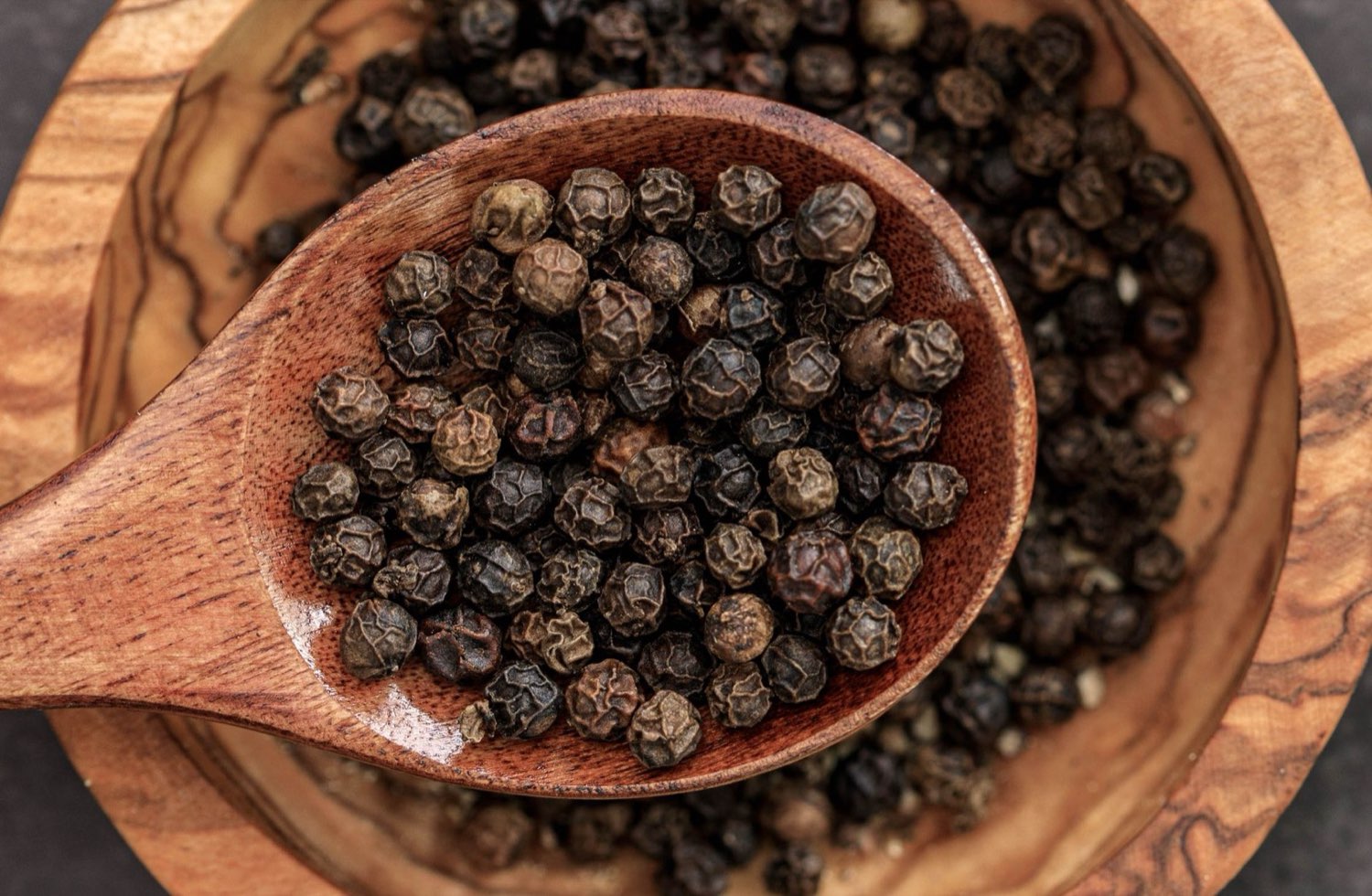
| Caryophyllene | Black pepper, spice | Black pepper, cloves | Calming; binds CB2 receptors |
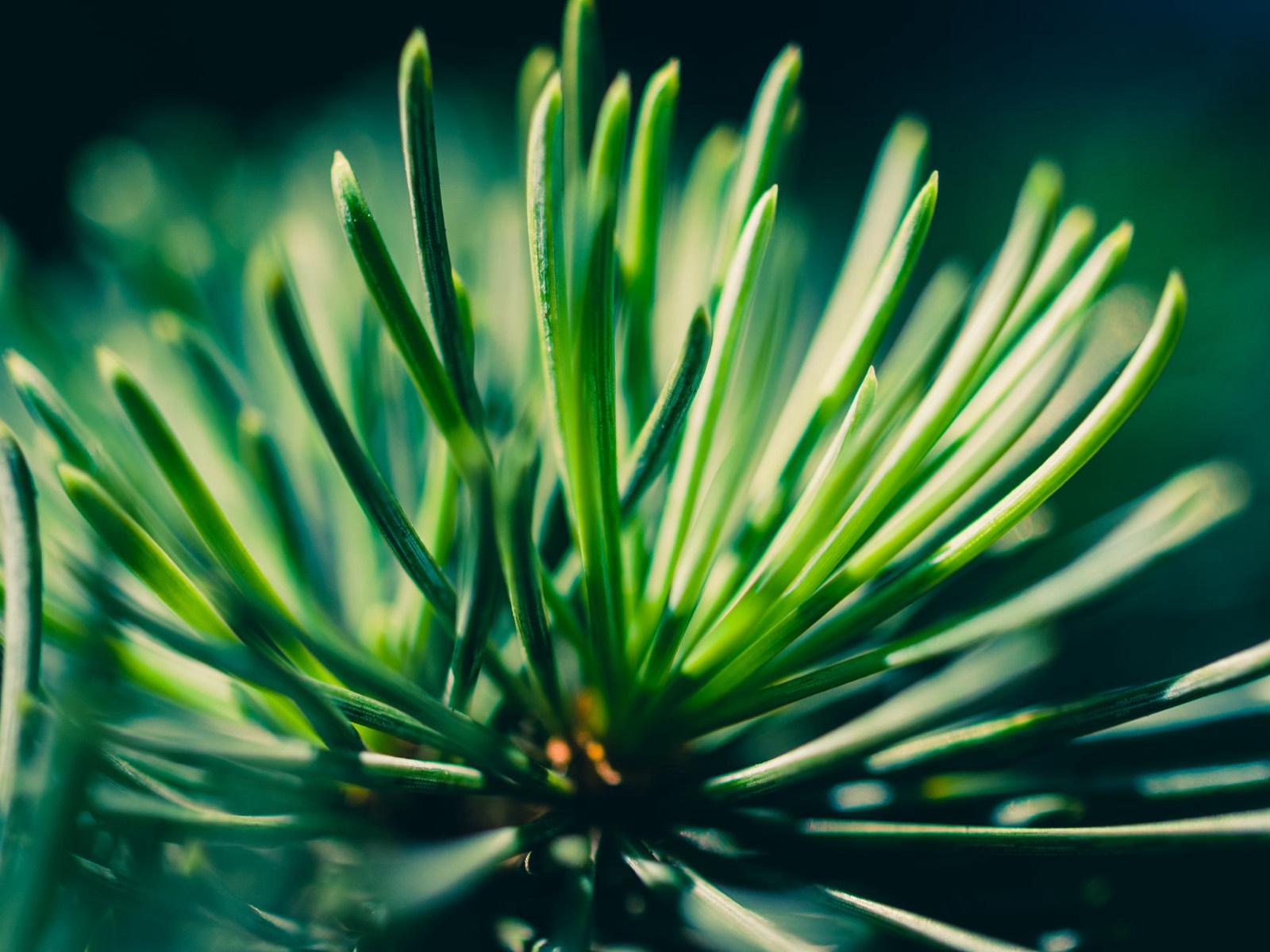
| Pinene | Pine, fresh forest | Pine needles, rosemary | Alertness, clarity |
| Linalool | Floral, lavender | Lavender, coriander | Softening, calming |
| Humulene | Hops, dry woodiness | Hops, ginger, sage | Appetite moderation |
| Terpinolene | Fresh, fruity, complex | Nutmeg, apples, cumin | Uplifting, energetic |
| Ocimene | Sweet, herbal, tropical | Mint, parsley, orchids | Bright, active |
Caryophyllene is the unusual one. It is the only common terpene known to bind directly to CB2 receptors, which is why it appears in research far more often than the others.
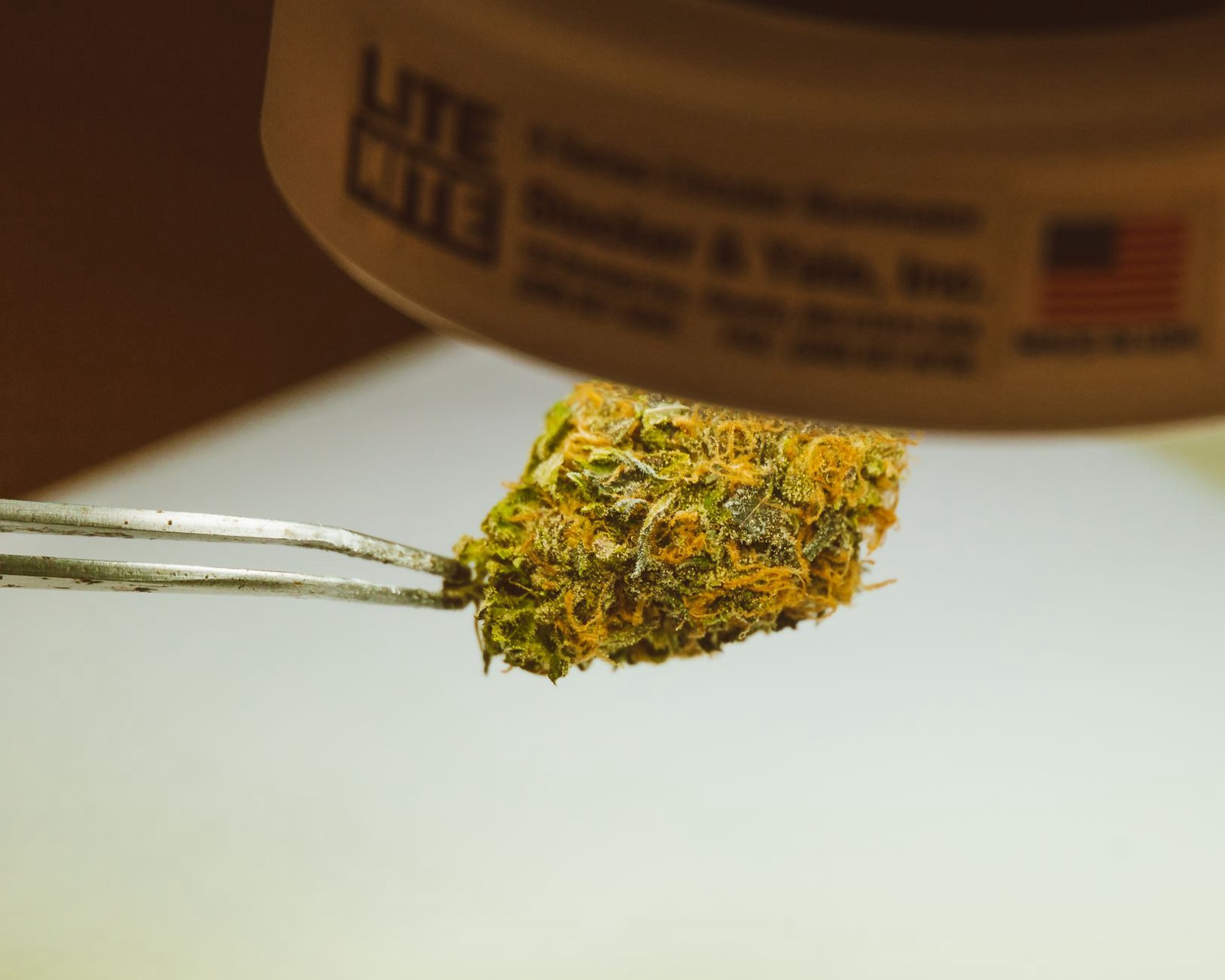
How to Read a Terpene Percentage
Terpene content is measured as a percentage of total weight, and the numbers are much smaller than cannabinoid figures. That makes them easy to dismiss and easy to misread.
| Total terpenes | What it means |
|---|---|
| Under 1% | Weak — likely old, poorly grown or badly dried |
| 1–2% | Average |
| 2–3% | Good — noticeably aromatic |
| 3–4% | Excellent |
| Above 4% | Exceptional, uncommon |
A 2% terpene reading on a 20% THC flower will almost always deliver a better experience than 0.5% on a 30% one. Our guide to reading a cannabis certificate of analysis covers where to find these numbers.
Why Terpenes Fade
Terpenes are volatile, which is precisely why you can smell them. Volatility also means they escape, and everything from harvest onward either preserves or destroys them.
- Heat drives terpenes off — the single biggest loss factor.
- Light degrades them along with cannabinoids.
- Time reduces content steadily even under good storage.
- Rough handling knocks trichomes off, and trichomes hold the terpenes.
- Fast drying strips them before they ever reach the jar.
This is why a slow dry and patient cure matter so much, and why harvest date is one of the most useful numbers on a package. Our harvesting, drying and curing guide covers the process in detail.
| Stage | Terpene risk | Mitigation |
|---|---|---|
| Late flower | Heat volatilising terpenes on the plant | Cooler late-flower temperatures |
| Drying | Fast, warm dry strips volatiles | 60–70°F, 7–14 days, dark |
| Trimming | Trichome loss | Hand-trim rather than machine |
| Curing | Under-cure leaves grassy notes | 60–65% RH, weeks not days |
| Storage | Heat, light, oxygen | Sealed glass, cool, dark |
Terpenes and Effect
The popular version of this is the “entourage effect” — the idea that terpenes and cannabinoids interact to shape the experience rather than THC acting alone.
The honest position is that this is plausible, widely believed among growers and consumers, and still an active area of research rather than settled science. What is not in dispute is that terpenes determine smell and flavour, and that people consistently prefer high-terpene flower.
Dutch Passion have a solid overview of cannabis terpenes if you want to go further into individual compounds.
Terpenes Beyond Cannabis
Every terpene in cannabis occurs elsewhere in nature, often in far higher concentrations. Limonene is more abundant in citrus peel than in any cannabis flower, and pinene is more abundant in pine.
This matters for two reasons. It means the compounds themselves are well studied outside cannabis research, and it means the aromas are genuinely comparable — when someone says a cultivar smells like lemon, they are describing shared chemistry rather than using a metaphor.
| Terpene | Highest natural sources |
|---|---|
| Limonene | Citrus peel, particularly lemon and orange |
| Pinene | Pine resin, rosemary, basil |
| Myrcene | Hops, lemongrass, mango |
| Linalool | Lavender, coriander, birch |
| Caryophyllene | Black pepper, cloves, cinnamon |
Growing for Terpenes
Terpene expression is genetic in potential and environmental in delivery. The same clone grown in two rooms will not produce the same profile.
- Select genetics for flavour, not yield — potential is set at the seed.
- Control late-flower climate. Cooler finishes preserve volatiles.
- Do not overfeed nitrogen late. It reliably blunts terpene expression.
- Dry slowly and cure patiently. More terpenes are lost here than anywhere.
- Hand-trim. Machine trimming removes the trichomes holding the terpenes.
Every cultivar we release is hunted from seed primarily for terpene expression, and our nutrient programme is built around flavour and smoothness rather than weight. That is a deliberate trade.
| Cultivar | Terpene character |
|---|---|
| Kiwano | Tropical sweet melon zest |
| Baijiu | Garlic, citrus, blueberry hint |
| Cherry Limetta | Lime forward, cherry, gas backend |
| Sake Bomb | Sherbanger-dominant, creamy gelato |
| Sarcophagos | Sour gas with Smarties backend |
Full profiles are linked from Kiwano, Baijiu, Cherry Limetta, Sake Bomb and Sarcophagos.
Buying by Terpene Rather Than Name
Once you know which terpenes you respond to, shopping becomes considerably more reliable than chasing strain names.
Strain names are inconsistent across producers, but a myrcene-dominant profile behaves like a myrcene-dominant profile regardless of what it is called. If a menu publishes terpene data, that is better information than the name above it.
A Note on Added Terpenes
Some products reintroduce terpenes after extraction, either cannabis-derived or botanical. That is not inherently dishonest, but it is different from terpenes present in the original flower, and a COA will not always distinguish them.
Frequently Asked Questions
What are cannabis terpenes?
Aromatic compounds that produce the smell and flavour of cannabis. They also occur throughout the plant world — the same compounds make pine smell like pine and lemons smell like lemons.
What is a good terpene percentage?
Above 2% total terpenes is good for flower, above 3–4% is excellent. Under 1% usually indicates old, poorly grown or badly dried material.
Do terpenes affect the high?
Many growers and consumers believe so, described as the entourage effect. Research is ongoing rather than settled. What is certain is that terpenes determine aroma and flavour.
Why did my flower lose its smell?
Terpenes are volatile and degrade with heat, light, time and handling. Store in sealed glass, cool and dark, and check the harvest date when buying.
Which terpene makes you sleepy?
Myrcene is most often associated with relaxation and body heaviness, though effect is shaped by the whole profile rather than any single compound.
Educational content for adults 21+ in legal jurisdictions.
Related reading: Cannabinoids and how they differ from terpenes.
Related reading: How extraction preserves or loses terpenes.