
A certificate of analysis (COA) is the lab report behind a cannabis product, showing cannabinoid potency, terpene content and contaminant screening. The three things worth checking are total THC, total terpenes above 2%, and a PASS on every contaminant panel — in roughly that order of unimportance to importance.
Most people read the THC number and stop. The rest of the document is considerably more useful, and learning to read it properly is the single biggest upgrade available to anyone buying cannabis regularly. It takes about two minutes once you know where to look.
What a COA Contains
| Section | What it shows | Why it matters |
|---|---|---|
| Cannabinoid potency | THCa, THC, CBD and minor cannabinoids | Strength, but a poor quality proxy |
| Terpene panel | Individual and total terpene content | Predicts aroma, flavour and character |
| Pesticides | Screening against a state list | Must PASS |
| Heavy metals | Lead, arsenic, cadmium, mercury | Must PASS |
| Microbials | Mould, yeast, bacteria | Must PASS |
| Residual solvents | Relevant to extracts | Must PASS |
| Moisture / water activity | Storage stability | Affects shelf life and mould risk |
THCa Versus Total THC
This is the single most misunderstood part of a COA, and it explains why some numbers look impossibly high.
Raw cannabis contains almost no THC. It contains THCa, the acidic precursor, which converts to THC when heated. A COA reports both, plus a calculated total.
| Value | Meaning |
|---|---|
| THCa | The acid form present in raw flower |
| Delta-9 THC | Active THC already present, usually small |
| Total THC | THCa × 0.877 + THC |
The 0.877 factor accounts for the mass lost during decarboxylation. If a label quotes THCa alone as though it were potency, the figure is inflated relative to what you will actually get.
The Terpene Panel Is the Useful Part
If a COA includes terpenes, that section tells you what the THC number cannot: how the product will actually smell, taste and feel.
| Total terpenes | Assessment |
|---|---|
| Under 1% | Weak — old, poorly grown or badly dried |
| 1–2% | Average |
| 2–3% | Good |
| 3–4% | Excellent |
| Above 4% | Exceptional |
Look at the dominant terpenes too, not just the total. A myrcene-dominant profile and a limonene-dominant one at the same total will behave quite differently — our guide to cannabis terpenes covers what each contributes.
Batch Testing and Variability
A COA describes the sample that was tested, not necessarily every gram in the batch. Cannabis is agricultural and varies plant to plant, even within one harvest.

Larger batches average out more variation, which cuts both ways: a commodity batch is more consistent, while a small craft batch may be better or worse than its paperwork suggests depending on which plants went into the sample.
This is not a reason to distrust COAs. It is a reason to treat them as a good indicator rather than a precise measurement of what is in your particular jar.
Contaminant Panels
These are the sections that actually matter for safety, and they are the ones almost nobody reads.
- Pesticides: must PASS. Residue in flower ends up in what you inhale.
- Heavy metals: cannabis accumulates metals from growing media readily.
- Microbials: mould and bacteria, particularly relevant for dense flower.
- Residual solvents: applies to extracts rather than flower.
A PASS on all panels is the baseline, not an achievement. What a COA cannot tell you is whether a product passed on the first attempt or after remediation.
What a COA Does Not Show
This is the important limitation, and it is where reading labs critically matters.
| Not shown | Why it matters |
|---|---|
| Which lab was used | Labs vary in how generously they report potency |
| Whether the batch was remediated | Treated flower can pass after initially failing |
| Whether the sample was representative | One sample may not reflect the whole batch |
| How the flower was dried and cured | Determines whether terpenes survived |
| Harvest date | Sometimes on the package rather than the COA |
Lab shopping is a documented issue across legal markets. Producers can choose where to test, and some labs consistently report higher potency than others on identical material.
We do not use labs known for inflating numbers, and we never remediate. Sometimes that means our figures read lower than flower sitting beside ours.
That decision costs us on the shelf, because the THC number is the first thing many customers look at. Our approach to growing is covered in more detail here, and our Michigan craft cannabis buyer’s guide covers what to ask beyond the paperwork.
Why Potency Became the Headline
THC percentage is a single number that appears comparable across products, which makes it perfect for shelf labels and terrible as a measure of quality.
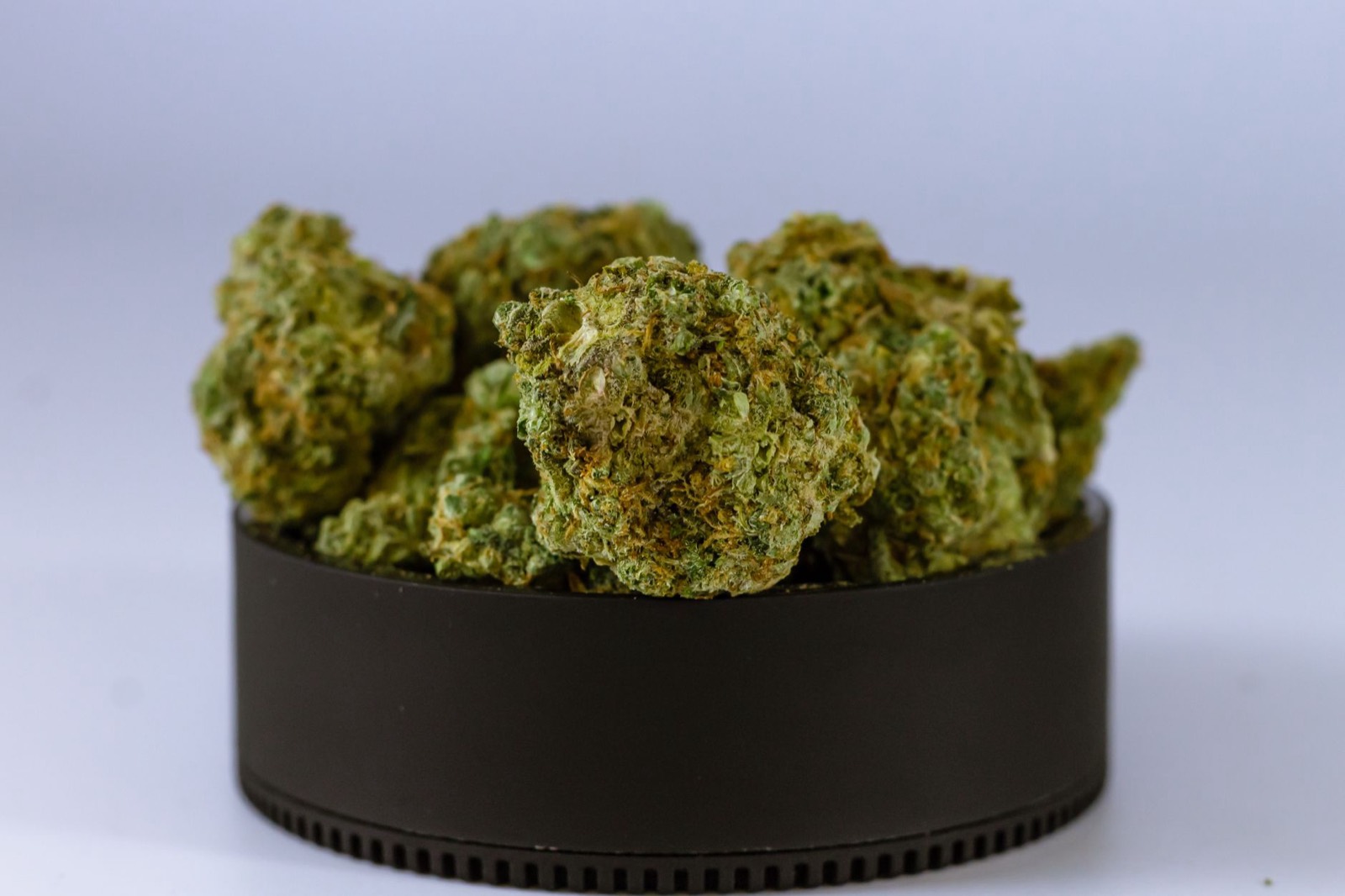
Consumers adopted it because nothing else was offered. Retailers organise menus by it, producers optimise for it, and labs compete partly on how generously they report it. The whole system now reinforces a metric most experienced consumers already distrust.
| Metric | How comparable | How useful |
|---|---|---|
| Total THC | Highly comparable on paper | Weak predictor of experience |
| Total terpenes | Comparable | Strong predictor |
| Dominant terpenes | Descriptive | Strong predictor of character |
| Harvest date | Objective | Strong predictor of freshness |
| Producer | Not numeric | Often the best single signal |
A Practical Reading Order
- Check every contaminant panel says PASS. Safety first.
- Find total terpenes. Above 2% is where good flower starts.
- Look at the dominant terpenes. This predicts character.
- Then read total THC — and read total, not THCa alone.
- Check the test date. Old tests mean old flower.
New Jersey’s cannabis regulator publishes a plain-language guide to reading a COA that generalises well beyond that state.
Where to Find the COA
Most Michigan packaging carries a QR code or batch number linking to the lab report. If a product has no accessible COA at all, that is worth asking about before buying.

Budtenders can usually pull one up. Whether they can interpret it varies, which is the reason to know what you are looking at yourself.
Frequently Asked Questions
What is a cannabis COA?
A certificate of analysis: the third-party lab report showing cannabinoid potency, terpene content and contaminant screening for a cannabis product.
How is total THC calculated?
Total THC = THCa × 0.877 + delta-9 THC. The factor accounts for mass lost when THCa converts to THC under heat.
What terpene percentage should I look for?
Above 2% total terpenes is good, above 3–4% is excellent. Under 1% suggests old or poorly handled flower.
Can COA numbers be inflated?
Potency inflation is a documented problem. Producers choose which lab to use, and labs vary in how they report. Treat large differences between similar products with scepticism.
Does a COA show if flower was remediated?
Generally no. A COA shows the result of the test performed, not whether the material was treated beforehand to achieve it.
Educational content for adults 21+ in legal jurisdictions. Testing requirements vary by state; consult your regulator for local rules.
Related reading: What each cannabinoid on the report actually does.