
Chemdawg is the common ancestor of most modern American cannabis, and nobody knows exactly what it is. The story begins at a Grateful Dead show in Deer Creek, Indiana in 1991, where a grower nicknamed Chemdog bought an ounce of unusually potent flower containing thirteen seeds.
Those seeds produced Chem 91, Chem D and Chem 4. Between them they went on to parent Sour Diesel and OG Kush, and by extension a very large share of everything sitting on a dispensary shelf today.
Chemdawg at a Glance
| Attribute | Detail |
|---|---|
| Genetics | Unknown — likely Thai and Nepalese landrace ancestry |
| Origin | Deer Creek, Indiana, 1991 |
| Seeds | Thirteen, from a single ounce |
| Known cuts | Chem 91, Chem D, Chem 4 |
| Aroma | Sharp diesel, chemical, pungent |
| Effect | Potent, cerebral, heavy |
| Descendants | Sour Diesel, OG Kush, GMO, GG4 lineages |
| Significance | Foundational to American cannabis |
The Genetics Nobody Can Confirm
This is the unusual part. For a cultivar this influential, the actual parentage is unknown.
Chemdawg is commonly associated with Thai and Nepalese landrace ancestry, but that is inference rather than documentation. The seeds came from a bag, not a breeder, and no records exist.

Everything downstream is well documented. The origin itself is not, and at this distance it probably never will be. What survives is the plant material itself, which has been propagated continuously for over thirty years and remains recognisable to anyone who knows the profile.
This Chemdawg family tree overview traces the descendant lines in detail.
The Keeper Cuts
From those thirteen seeds came several distinct phenotypes, each expressing a different face of the same diesel character. They are still circulated as clones decades later.
| Cut | Character |
|---|---|
| Chem 91 | The sharpest, most aggressively diesel |
| Chem D | Deeper, heavier, rounder |
| Chem 4 | Balanced, widely used in breeding |
| Chem Sister | Sativa-leaning variant; parent of Original Glue |
What It Produced
The descendant list is why Chemdawg matters. Two crosses in particular reshaped the entire market.
| Descendant | Cross | Impact |
|---|---|---|
| Sour Diesel | Chemdawg with Nepalese and Thai genetics | Defined East Coast cannabis |
| OG Kush | Chemdawg with Hindu Kush genetics | Defined West Coast cannabis |
| GMO | Chemdawg × GSC | The savoury funk line |
| Chem Sister → GG4 | Via Original Glue | The resin standard |
OG Kush then parented GSC. GSC parented Sunset Sherbet, Gelato and Animal Cookies. Follow the chain far enough and an enormous proportion of modern cannabis has Chemdawg somewhere in it.
Chemdawg in Our Catalogue
Every route is indirect, but there are several.
| Lost Leaf cultivar | Route back to Chemdawg |
|---|---|
| Baijiu | Garlic Cocktail → GMO → Chemdawg |
| Sake Bomb | Sherbanger → Headbanger → Sour Diesel → Chemdawg |
| Pandemonium | Sherbanger → Headbanger → Sour Diesel → Chemdawg |
| Cherry Limetta | Do-Si-Dos → OGKB and Face Off OG → OG Kush → Chemdawg |
The clearest line is through GMO into Baijiu. The others arrive via Sour Diesel and Do-Si-Dos.
The Clone-Only Problem
The original Chemdawg cuts are clone-only, which creates a specific issue: there is no seed you can buy that gives you the real thing.
Everything sold as Chemdawg seed is a recreation or a cross rather than the original plant. The authentic cuts move between growers as living clones, which means access depends on relationships rather than commerce.
That is true of a surprising number of foundational cultivars, and it is why clone provenance matters so much in craft circles. A cut is only as trustworthy as the chain it came through.
| Access route | What you get |
|---|---|
| Original clone lineage | The authentic cut, if the chain is genuine |
| Seeds labelled Chemdawg | A recreation or cross, not the original |
| Chemdawg-crossed cultivars | The heritage, expressed differently |
Why the Diesel Profile Endures
Dessert and candy profiles have dominated menus for a decade, and diesel has never gone away.
Part of that is nostalgia among older consumers. Most of it is that the profile is genuinely distinctive — sharp, chemical, unmistakable, and impossible to confuse with anything else.
Fashion moves. The plants that defined a category tend to stay.
Why the Origin Story Matters
It is tempting to treat the Grateful Dead account as folklore, and some of the detail probably is. The substance is not really in dispute though, and it illustrates something real about how cannabis genetics developed.
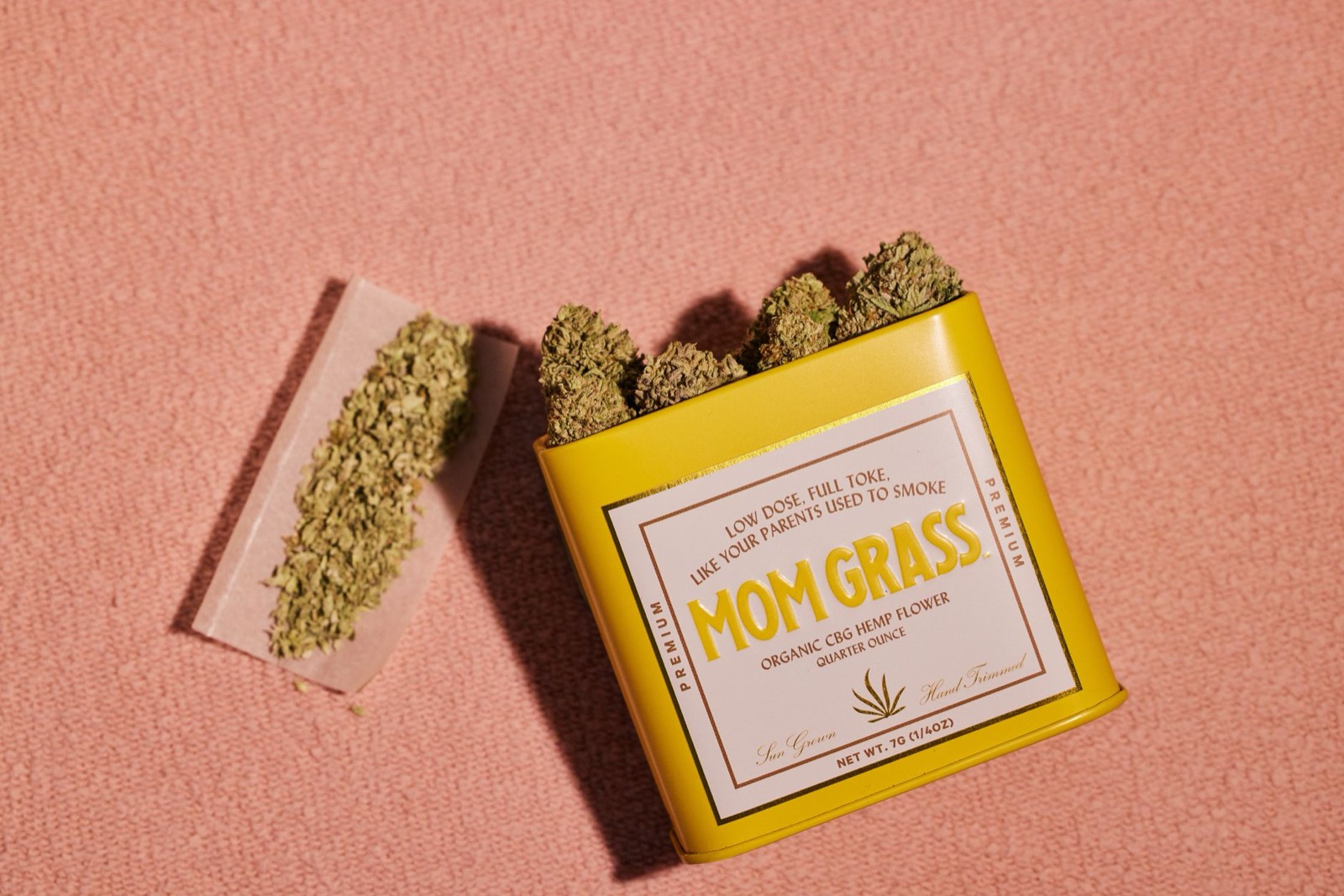
Before legal breeding programmes existed, the gene pool was built by hobbyists trading seeds found in flower. Nobody was keeping records because there was no legal framework in which records made sense.
The result is a foundational cultivar with unknown parentage and thirty years of meticulously documented descendants. That inversion is common in cannabis and almost unheard of in other agricultural crops.
| Era | How genetics moved |
|---|---|
| Pre-1996 | Seeds found in flower, traded informally |
| 1996–2012 | Medical markets; clone sharing, some seed banks |
| 2012 onward | Legal markets; documented breeding programmes |
Landrace Ancestry
The Thai and Nepalese associations are inference from the plant’s structure and profile rather than documentation. Chemdawg has the tall, stretchy habit and long flowering time associated with equatorial sativas.
Landrace genetics are populations that adapted to a specific region over long periods without deliberate hybridisation. Almost all modern cannabis traces back to a handful of them, and Chemdawg appears to be one of the routes.
Growing Chem-Line Genetics
Chemdawg descendants are typically vigorous, pungent and sativa-leaning in structure.
- Plan for height. Chem lines often stretch considerably.
- Plan for smell. These are among the most pungent plants in cannabis.
- Longer flowering. Many chem-dominant cultivars finish slowly.
- Airflow and support. Tall, productive plants need both.
See grow room climate targets and canopy training techniques for managing vigorous plants in limited space.
Finding It Today
Genuine Chemdawg is uncommon on modern menus, partly because it is clone-only and partly because it is commercially awkward. If you find it from a producer who names the cut, that is worth trying.
Frequently Asked Questions
What are Chemdawg genetics?
Unknown. The seeds came from a bag of flower purchased in 1991, with no breeding records. Thai and Nepalese landrace ancestry is commonly suggested but unconfirmed.
Where did Chemdawg come from?
According to the widely told account, from an ounce bought at a Grateful Dead show in Deer Creek, Indiana in 1991, which contained thirteen seeds.
What strains come from Chemdawg?
Sour Diesel and OG Kush most importantly, and through them GSC, Gelato, GMO, Original Glue and hundreds more.
What is the difference between Chem 91, Chem D and Chem 4?
They are distinct phenotypes from the original seeds. Chem 91 is sharpest, Chem D deeper and heavier, Chem 4 more balanced and widely used in breeding.
Is Chemdawg still grown?
Yes. The original cuts are still circulated as clones more than three decades later.
Educational content for adults 21+ in legal jurisdictions. Lost Leaf flower is available only through licensed Michigan provisioning centres.
Related reading: OG Kush, its most consequential descendant.