
Durban Poison is a pure sativa landrace from the port city of Durban in South Africa, and it is one of the few cultivars where the sativa label genuinely means something. It is sweet, anise-tinged and energising, with a fast flowering time unusual for an equatorial sativa.

Crossed with OG Kush it produced Girl Scout Cookies, which makes it a grandparent to most of the modern dessert catalogue — and to most of what we grow. Very few plants have contributed as much while remaining as commercially overlooked.
Durban Poison at a Glance
| Attribute | Detail |
|---|---|
| Type | Pure sativa landrace |
| Origin | Durban, South Africa |
| Aroma | Sweet, spicy, anise and liquorice |
| Effect | Energetic, clear, uplifting |
| Flowering | Fast for a sativa |
| Structure | Tall, narrow-leaved, chunky resinous flower |
| Notable descendant | Girl Scout Cookies |
What a Landrace Actually Is
A landrace is a population that adapted to one region over a long period without deliberate hybridisation. It is the closest thing cannabis has to a wild type.
That matters because almost nothing on a modern menu is landrace. Fifty years of crossing have produced a gene pool where nearly every cultivar is a hybrid of hybrids, which is exactly why indica and sativa labels have stopped predicting anything.
Durban Poison is one of the exceptions, and it is why it comes up so often in that debate. Our piece on indica versus sativa classification covers why the categories generally fail and where they still hold.
| Landrace | Modern hybrid | |
|---|---|---|
| Genetic background | Regionally adapted, stable | Mixed, often undocumented |
| Predictability | High within the population | Varies by phenotype |
| Label accuracy | Meaningful | Frequently misleading |
| Commercial presence | Rare | Nearly everything |
Modern Canna’s discussion of cultivar versus chemovar classification covers why chemistry has become a better guide than plant type.
A Port City Plant
Durban is a major port on South Africa’s east coast, and that geography is part of the story. Port cities were how cannabis genetics moved before seed banks existed.
The population that became Durban Poison adapted to a subtropical coastal climate over a long period, which is where the fast flowering comes from — unusual for a sativa and the main reason it survived commercially where other landraces did not.
The Anise Note
Durban Poison’s most distinctive quality is a sweet, spicy liquorice or anise character that almost nothing else in cannabis produces.
That note is what survived into GSC. The mint-and-sweetness people describe in the Cookies family is Durban Poison meeting OG Kush earthiness — neither parent produces it alone.
Cross two plants that are nothing alike and you occasionally get something neither could have produced on its own.
Why It Made GSC Work
Crossing a pure equatorial sativa with an indica-leaning OG is genetically about as distant as cannabis breeding gets, and distant crosses usually produce muddled offspring.
GSC came out coherent instead, and it defined a decade of cannabis. Durban Poison contributed the sweetness, the lift, and enough sativa influence to stop GSC being purely heavy.
| Trait | From Durban Poison | From OG Kush |
|---|---|---|
| Sweetness | Yes | No |
| Energy and lift | Yes | No |
| Earthy fuel | No | Yes |
| Density and resin | Partial | Yes |
| The mint note | Emerges from the combination | Emerges from the combination |
Our GSC guide covers the finished cross and its enormous list of descendants, and OG Kush covers the other parent.
Durban Poison in Our Catalogue
Every route is distant, but it is there in nearly everything.
| Lost Leaf cultivar | Route back to Durban Poison |
|---|---|
| Sake Bomb | Gelato 33 → Sunset Sherbet → GSC → Durban Poison |
| Pandemonium | Sherbanger → Sunset Sherbet → GSC → Durban Poison |
| Baijiu | Garlic Cocktail → GMO → GSC → Durban Poison |
| Cherry Limetta | Moonbow → Do-Si-Dos → OGKB (GSC-derived) |
There is something satisfying about that chain. A plant adapted to the South African coast over centuries is a measurable part of what a Michigan grow room produces today.
Why Landraces Are Disappearing
Durban Poison is unusual in surviving as a commercially available landrace. Most have not.
Landrace populations are being displaced in their home regions by imported hybrid genetics, and the commercial pressure runs against them everywhere else — they generally yield less, flower longer and lack the bag appeal modern buyers expect.
| Pressure | Effect on landraces |
|---|---|
| Hybrid genetics imported to source regions | Original populations diluted |
| Commercial yield expectations | Landraces uncompetitive |
| Long flowering times | Fewer cycles per year |
| Preference for dense flower | Airier landrace structure disfavoured |
That matters beyond nostalgia. Landraces are the genetic reservoir every modern hybrid was built from, and once a population is gone the diversity it held is not recoverable.
The Sativa That Actually Behaves Like One
Because so few genuine landraces remain in circulation, most people have never encountered cannabis where the sativa label reliably predicts the effect.
Durban Poison does. It is clear, energetic and genuinely uplifting rather than sedating, and it stays that way across growers and batches in a manner modern hybrids rarely manage.

That consistency is a function of its stability as a population. Our indica versus sativa piece covers why hybrids lost that predictability.
Growing Durban Poison
It is unusual among sativas in finishing relatively quickly, which is why it remained commercially viable when many equatorial landraces did not.
- Expect height. Sativa structure with significant stretch.
- Faster than most sativas. A genuine advantage indoors.
- Resinous for a landrace. Chunky, sticky flower.
- Train early. Tall plants benefit enormously from canopy work.
See plant training techniques for managing tall structure and grow room climate for the environmental side.
Finding Real Durban Poison
Because the name carries weight, plenty of flower sold as Durban Poison is a hybrid carrying some Durban heritage rather than the landrace itself.
The tells are structural. Genuine Durban Poison is tall and narrow-leaved with chunky, somewhat airier flower and a distinct anise note. Dense, purple, dessert-sweet flower labelled Durban Poison is almost certainly a hybrid.
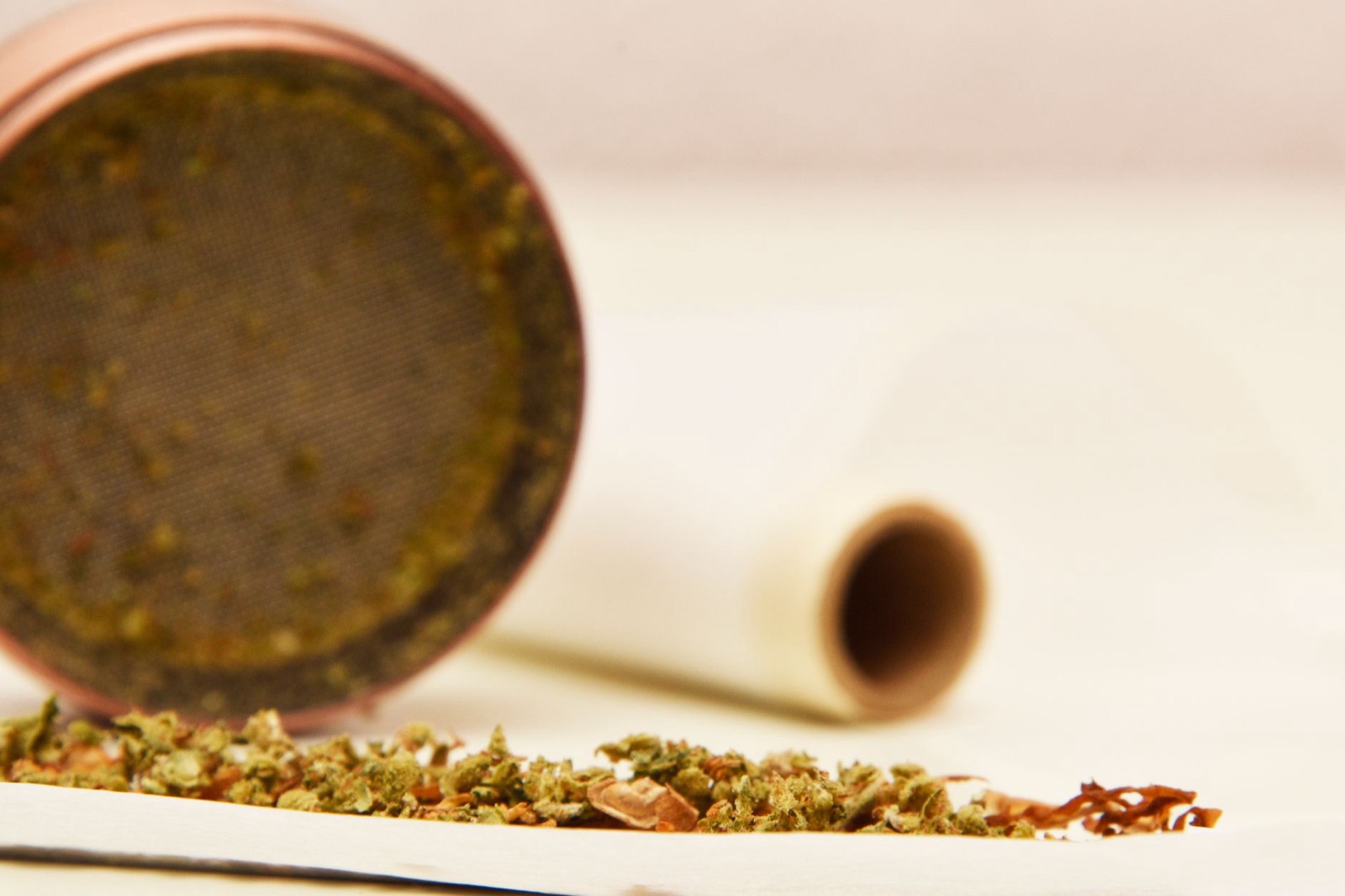
Ask the producer, and ask about the terpene profile. Our craft buyer’s guide covers the questions worth asking.
Frequently Asked Questions
Is Durban Poison a true sativa?
Yes. It is a pure sativa landrace from South Africa, one of relatively few genuine landraces still widely grown.
What does Durban Poison taste like?
Sweet and spicy with a distinctive anise or liquorice note that is uncommon elsewhere in cannabis.
What is a landrace strain?
A population that adapted to a specific region over a long period without deliberate hybridisation — the closest thing cannabis has to a wild type.
What strains come from Durban Poison?
Girl Scout Cookies most importantly, and through GSC an enormous share of the modern dessert catalogue including Gelato, Sunset Sherbet and GMO.
Is Durban Poison energising?
It is one of the cultivars where the sativa reputation genuinely holds — clear, uplifting and energetic rather than sedating.
Educational content for adults 21+ in legal jurisdictions. Lost Leaf flower is available only through licensed Michigan provisioning centres.
Related reading: Hindu Kush, the other surviving landrace.