
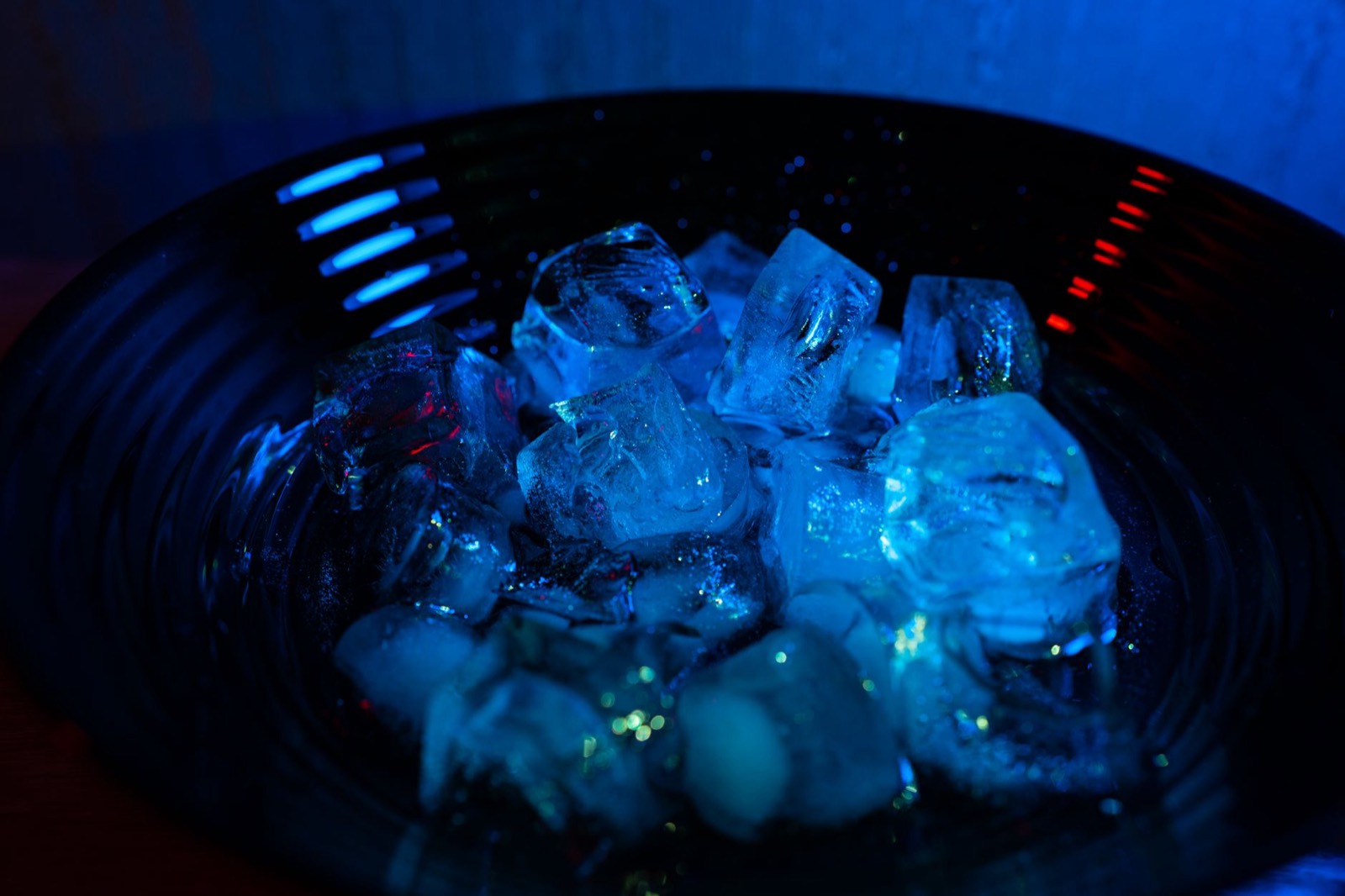
Solventless extraction separates trichomes from plant material using only ice, water, agitation, heat and pressure — no butane, ethanol or other chemical solvents. Ice water hash is made by chilling and agitating cannabis so brittle trichome heads break away, then filtering through screens from roughly 25 to 220 microns.
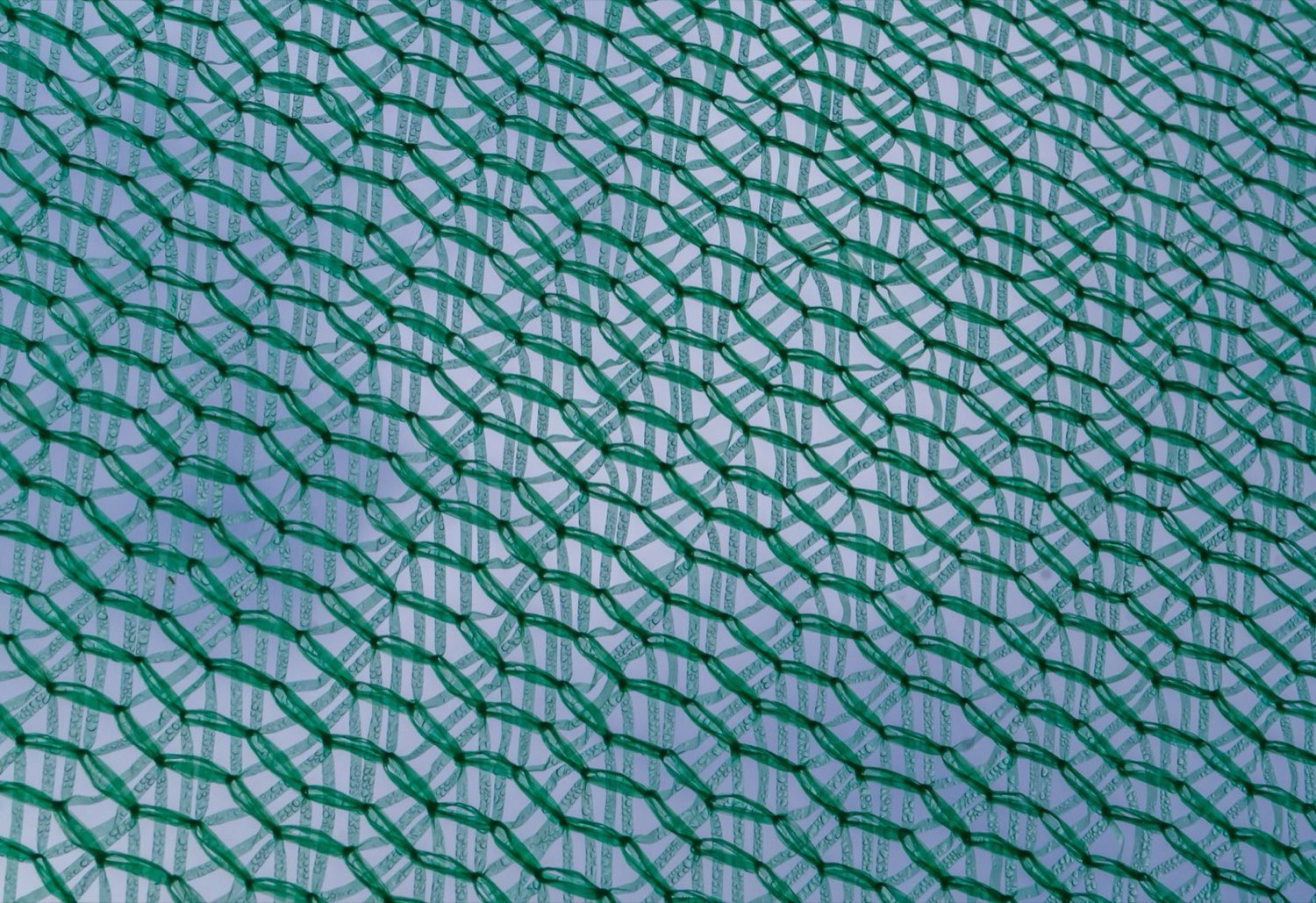
Rosin is that hash pressed with heat and pressure. Live rosin is the same process starting from fresh frozen material rather than dried flower.
How Ice Water Hash Works
Trichome heads hold up to 90% of a plant’s cannabinoids, terpenes and flavonoids. The whole exercise is getting them off the plant without damaging them.
Cold makes them brittle. Agitation in ice water snaps them free. Because trichome heads are denser than water and plant matter is not, they sink and can be collected through graded screens.
- Chill cannabis in ice water until trichomes turn brittle.
- Agitate gently to break the heads away from the plant.
- Filter through screens, typically 25 to 220 microns.
- Collect each screen separately — different sizes, different quality.
- Dry the collected hash carefully before pressing or storing.
| Micron range | What it catches | Typical quality |
|---|---|---|
| 160–220 | Large heads and some plant matter | Lower grade |
| 90–159 | Prime full trichome heads | The best material |
| 45–89 | Smaller heads | Good, often blended |
| 25–44 | Fragments and small heads | Lower grade |
The 90 to 159 micron range is generally where the best material sits. It is often labelled as such on premium products.
From Hash to Rosin
Rosin is made by pressing hash between heated plates. Heat softens the resin, pressure forces it out, and what emerges is a translucent concentrate with no residual solvent because none was ever used.
| Parameter | Typical range | Why |
|---|---|---|
| Temperature | 160–200°F | Enough to flow, not enough to degrade terpenes |
| Time | 45–90 seconds | Short exposure preserves volatiles |
| Pressure | Moderate and gradual | Forcing it damages quality |
| Input | Dried ice water hash | Quality in, quality out |
The Press Club publish a detailed live rosin walkthrough if you want the full procedure.
Live Versus Cured
The distinction is what happens to the plant immediately after harvest.
| Live rosin | Cured rosin | |
|---|---|---|
| Starting material | Fresh frozen at harvest | Dried and cured flower |
| Terpene profile | Closer to the living plant | Reflects the cure |
| Aroma | Brighter, more volatile | Rounder, deeper |
| Process | Freeze immediately, then wash | Dry, cure, then wash |
| Cost | Higher | Lower |
Neither is simply better. Live rosin captures volatiles that disappear during drying; cured rosin reflects the character a proper cure develops. Our harvest and cure guide covers what curing actually does.
Why Solventless Matters
The appeal is straightforward: nothing is introduced that has to be removed afterwards.
- No residual solvents. Nothing to purge, nothing to test for.
- Full-spectrum. Terpenes and cannabinoids arrive together.
- Flavour-led. Solventless products taste like the flower they came from.
- Simple inputs. Ice, water, heat, pressure.
It also raises the bar on input quality. Solvents can strip cannabinoids from mediocre material; ice water cannot. A wash only produces good hash if the flower was good, which is why contaminant panels and growing practice matter so much here.
Solvent extraction can rescue poor flower. Water cannot.
Grades and Labels
Solventless products carry terminology that is worth decoding, because it describes real differences rather than marketing tiers.
| Term | What it means |
|---|---|
| Full melt | Hash pure enough to vaporise completely, leaving no residue |
| Six star | Top grade on a common six-point hash quality scale |
| Cold cure | Rosin cured at low temperature for texture and terpene retention |
| Fresh press | Rosin used soon after pressing, before curing |
| 90u or 73u | The micron screen the material came from |
A product labelled with its micron range is telling you something specific about the material. One labelled only with a strain name is telling you considerably less.
What Makes a Good Hash Cultivar
Not every cultivar washes well, and potency is a poor predictor.
| Trait | Why it matters |
|---|---|
| Trichome head size | Larger heads survive agitation and filter cleanly |
| Head-to-stalk ratio | More head, more yield |
| Resin quantity | Obvious, but not sufficient alone |
| Terpene content | Determines the flavour of the finished rosin |
| Structural integrity | Heads that shatter give poor returns |
This is why cultivars like Original Glue and RS11 became extraction favourites. Both produce large, robust trichome heads in quantity.
Our own cultivars are selected for flavour first, and heavy resin comes with that territory. Sarcophagos and Baijiu are both notably greasy, which is partly why they need such careful hand-trimming.
Why Yields Are Low
Solventless returns are modest compared with solvent extraction, and understanding why explains most of the price difference.
Water only collects what physically detaches. Trichome heads that are damaged, immature or too small to catch on a screen are simply lost. Solvents dissolve cannabinoids out of everything, including material water leaves behind.
| Method | Typical return | Input requirement |
|---|---|---|
| Ice water hash | Low | High-quality fresh material |
| Rosin from hash | Lower again | Good hash to begin with |
| Solvent extraction | Substantially higher | Tolerates lesser material |
That constraint is also the appeal. A solventless product is evidence the input flower was good, because poor flower cannot produce good hash by this route. It is one of the few quality signals in cannabis that is difficult to fake.
Storing Concentrate
Rosin degrades faster than flower. Terpenes are concentrated and exposed, and heat will change the texture and profile within days.
- Cold storage. Refrigeration slows terpene loss considerably.
- Airtight glass. Silicone holds odour and can leach.
- Minimal handling. Every warm touch changes consistency.
- Use it. Concentrate is not something to age.
The Old Method
None of this is new in principle. Charas — hashish made by rubbing fresh plants by hand until resin collects on the skin — has been produced in the Hindu Kush for centuries.
Sieved and pressed Afghani hash is the same idea with mechanical separation. Modern equipment is more precise and the results more consistent, but the principle is identical. Our Hindu Kush guide covers that tradition.
Frequently Asked Questions
What does solventless mean?
Extraction using only physical means — ice, water, agitation, heat and pressure — with no chemical solvents such as butane or ethanol.
What is the difference between hash and rosin?
Ice water hash is collected trichome heads. Rosin is that hash pressed with heat and pressure into a concentrate.
What is live rosin?
Rosin made from hash washed from fresh frozen cannabis rather than dried and cured flower, which preserves more of the volatile terpenes present in the living plant.
What micron size is best?
The 90 to 159 micron range generally holds the best material — full, intact trichome heads. Larger and smaller screens catch lower-grade material.
Why does solventless cost more?
Yields are lower, input flower must be high quality, and the process is labour-intensive. Solvent extraction can use lesser material and recover more from it.
Educational content for adults 21+ in legal jurisdictions.