Author: Leaf Lost

  • Pandemonium Strain: Our Candy Fumez Selection

    Pandemonium Strain: Our Candy Fumez Selection

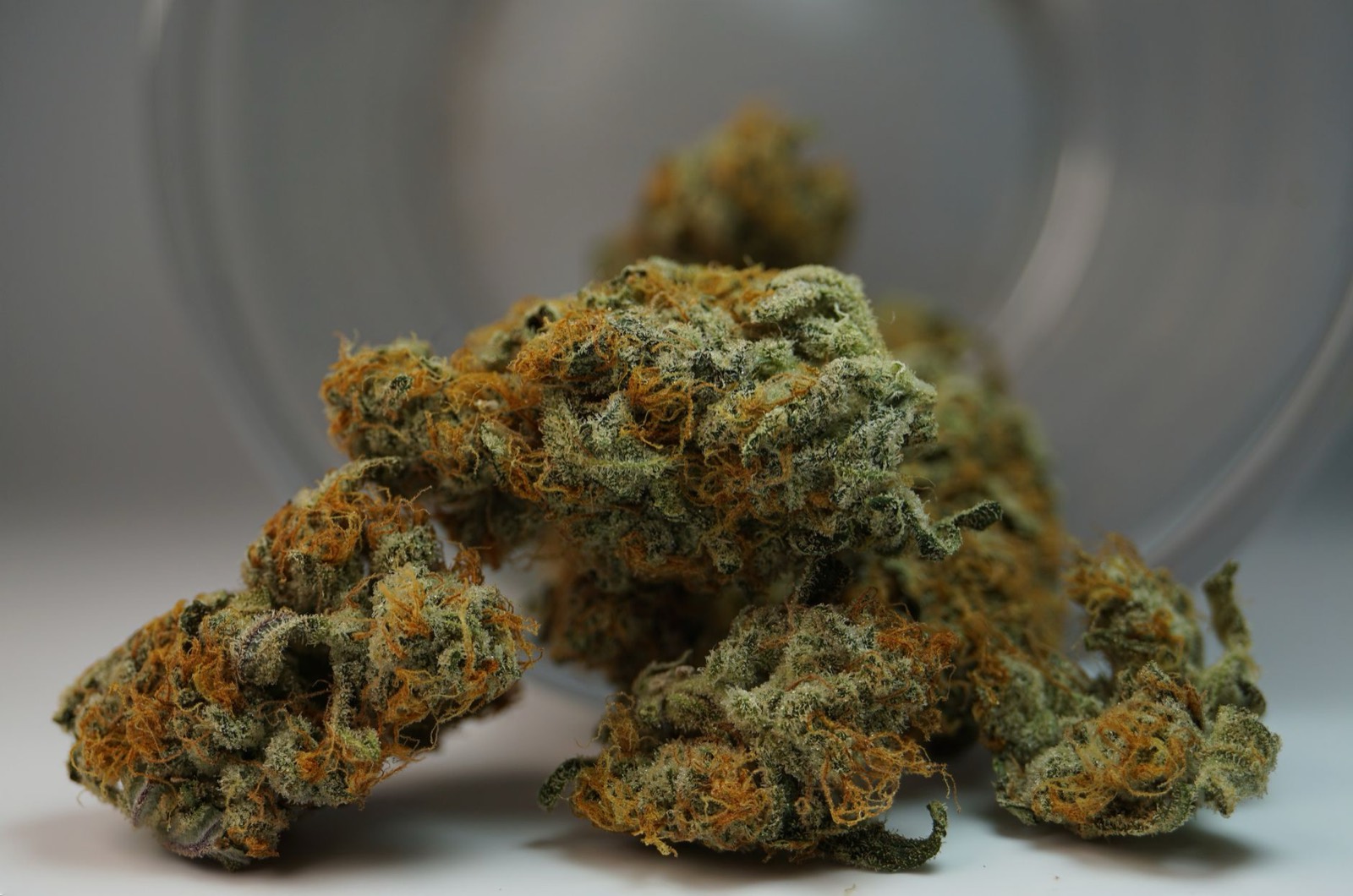
    Pandemonium is Lost Leaf’s in-house selection of Candy Fumez — a Zkittlez × Sherbanger cross from Bloom Seed Co working with Boston Roots. It runs candy and gas in equal measure, and the buzz is strong and euphoric.

    Colourful candy representing the sweet side of the Candy Fumez profile
    Pandemonium runs candy sweetness against a sharp fuel backbone.

    Candy Fumez is a decorated cross in its own right, with competition results behind it. What follows covers the line, why it was made, and what our particular pheno does with it.
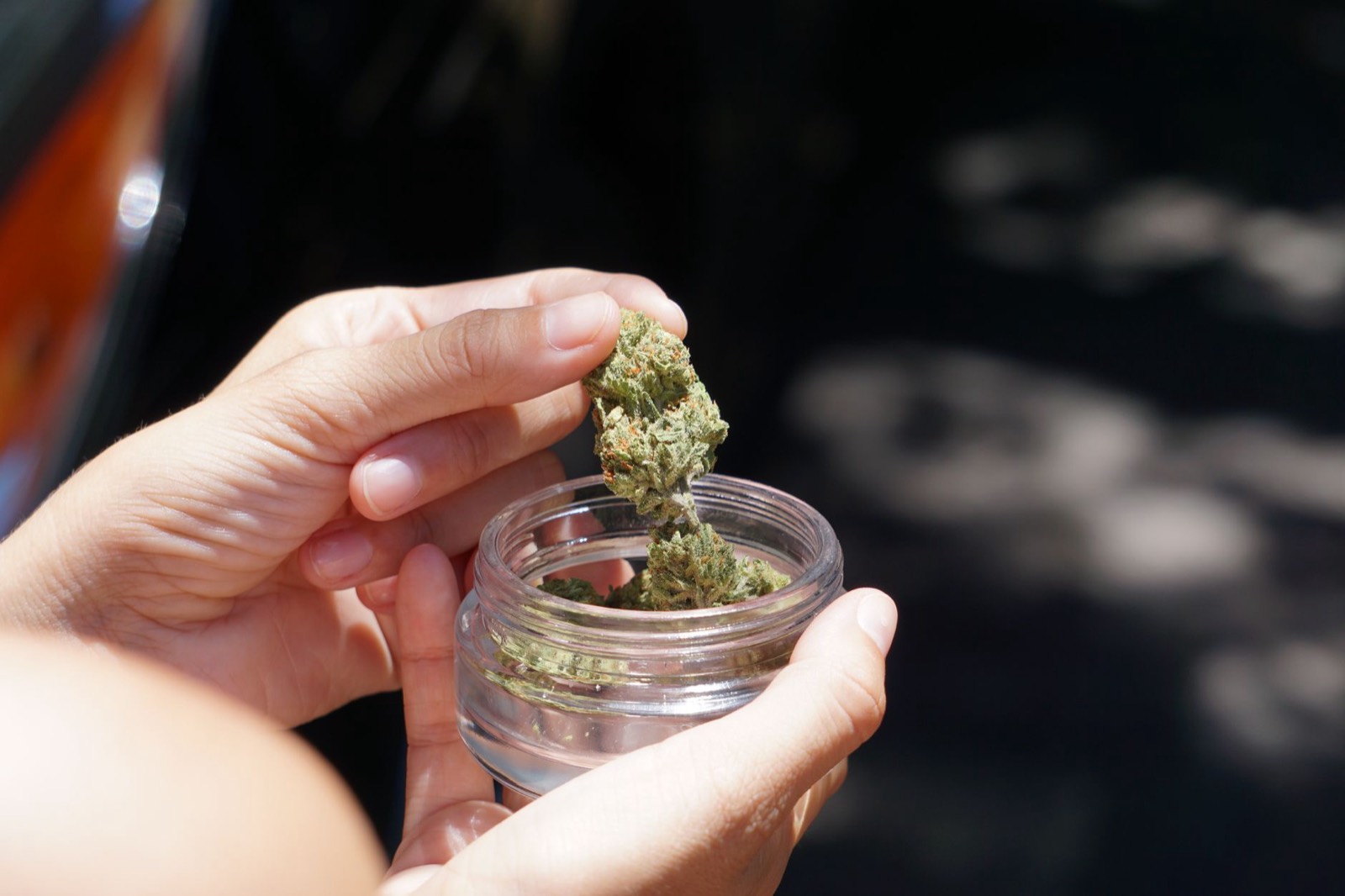
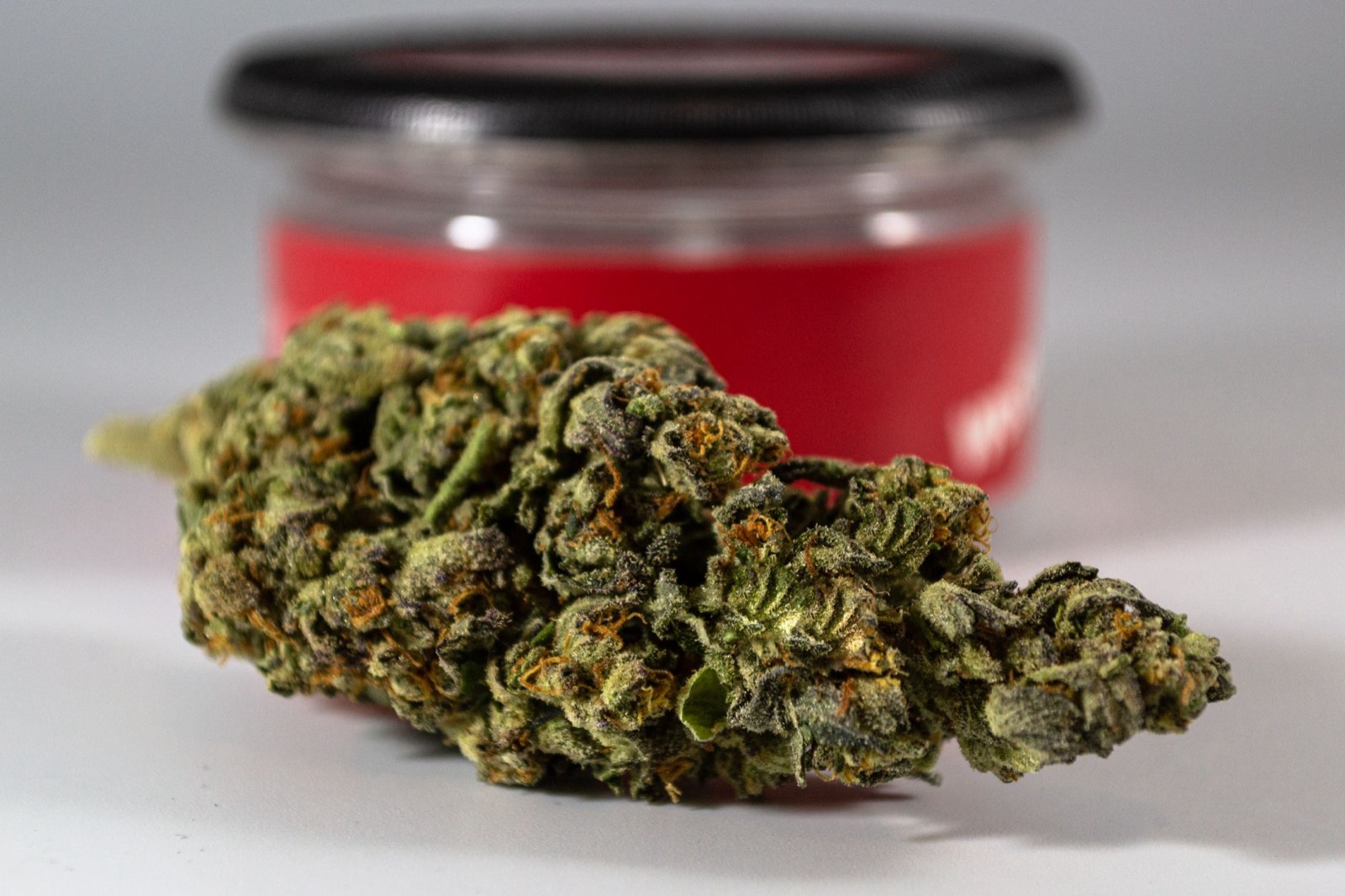
    Craft cannabis cured in glass to preserve terpenes
    Candy-sweet aromatics are the signature of the Zkittlez side.

    Names get reused constantly in cannabis, so it is worth being precise about which plant this is. Pandemonium is our selection, not a separate cross — the underlying genetics are Candy Fumez, and the name marks the specific phenotype we kept.

    Pandemonium at a Glance

    AttributeDetail
    GeneticsZ × Sherbanger — our selection of Candy Fumez
    BreederBloom Seed Co × Boston Roots
    SelectionHunted from seed in-house by Lost Leaf
    Terpene profileCandy and gas
    BuzzStrong, euphoric
    Harvest date23 Dec 2024
    Pesticides / sterilizersNone
    RemediationNever
    Pandemonium specifications.

    Why Candy Fumez Exists

    Zkittlez is beloved for its terpenes and frustrating to grow. Light yields, awkward structure, and a plant that does not always cooperate.

    Bloom Seed Co worked with Boston Roots to fix exactly that, introducing Sherbanger to improve structure, yield and trichome coverage without losing the candy nose. The result has picked up recognition at the Transbay Challenge and the National Cannabis Championship. Seeds Here Now’s Candy Fumez breakdown covers the breeding background in more detail.

    ParentWhat it bringsWhy it mattered
    ZkittlezTropical candy sweetness, dense resinous flowerThe reason the cross exists
    Sherbanger (Sunset Sherbet × Headbanger)Sour diesel, structural vigour, trichome densityFixed Zkittlez structure and yield
    CombinedPurple-tinted spear colas, greasy resinCandy nose with a fuel finish
    The Candy Fumez cross and what each parent contributes.

    What Our Pheno Does

    Candy Fumez expressions vary. Some lean almost entirely candy; others come out gas-dominant with the sweetness buried.
    Small-batch cannabis production inside a Michigan craft facility
    Craft cannabis cured in glass to preserve terpene content.

    Ours sits in the middle deliberately. The candy is unmistakable on the jar, but the gas is right behind it rather than hiding underneath. We selected for that balance because a cultivar that is purely sweet gets boring by the third session.

    Pheno tendencyNoseWho it suits
    Candy-dominantSweet, confectionery, light fuelFlavour-first consumers
    Balanced (our selection)Candy up front, gas immediately behindAnyone wanting both
    Gas-dominantSharp fuel with sweetness underneathGas chasers
    How Candy Fumez phenotypes typically express.

    The Buzz

    Strong and euphoric is how we describe it, and that ordering matters. The euphoria arrives fast and stays bright rather than sliding into sedation.

    Craft cannabis prepared for licensed Michigan provisioning centre retail
    Small-batch cannabis production inside a Michigan craft facility.

    It is a sociable cultivar. Most people find it works well in company and less well as a wind-down before sleep.

    • Onset: quick, noticeably euphoric
    • Peak: bright, talkative, physically relaxed without weight
    • Tail: gentle, no hard crash
    • Best for: afternoon and evening, social settings

    The Zkittlez family has a reputation for exactly this kind of effect — euphoric without being heavy, which is part of why it has stayed popular through years of shifting fashion in cannabis genetics.

    Sherbanger adds a firmer edge to that. Where straight Z can feel a little diffuse at higher doses, Pandemonium keeps its shape, and the euphoria stays directed rather than scattered.

    Growing Notes

    The whole point of the Sherbanger side is that it grows better than straight Zkittlez. That holds up in our room, but it does not make the plant maintenance-free.
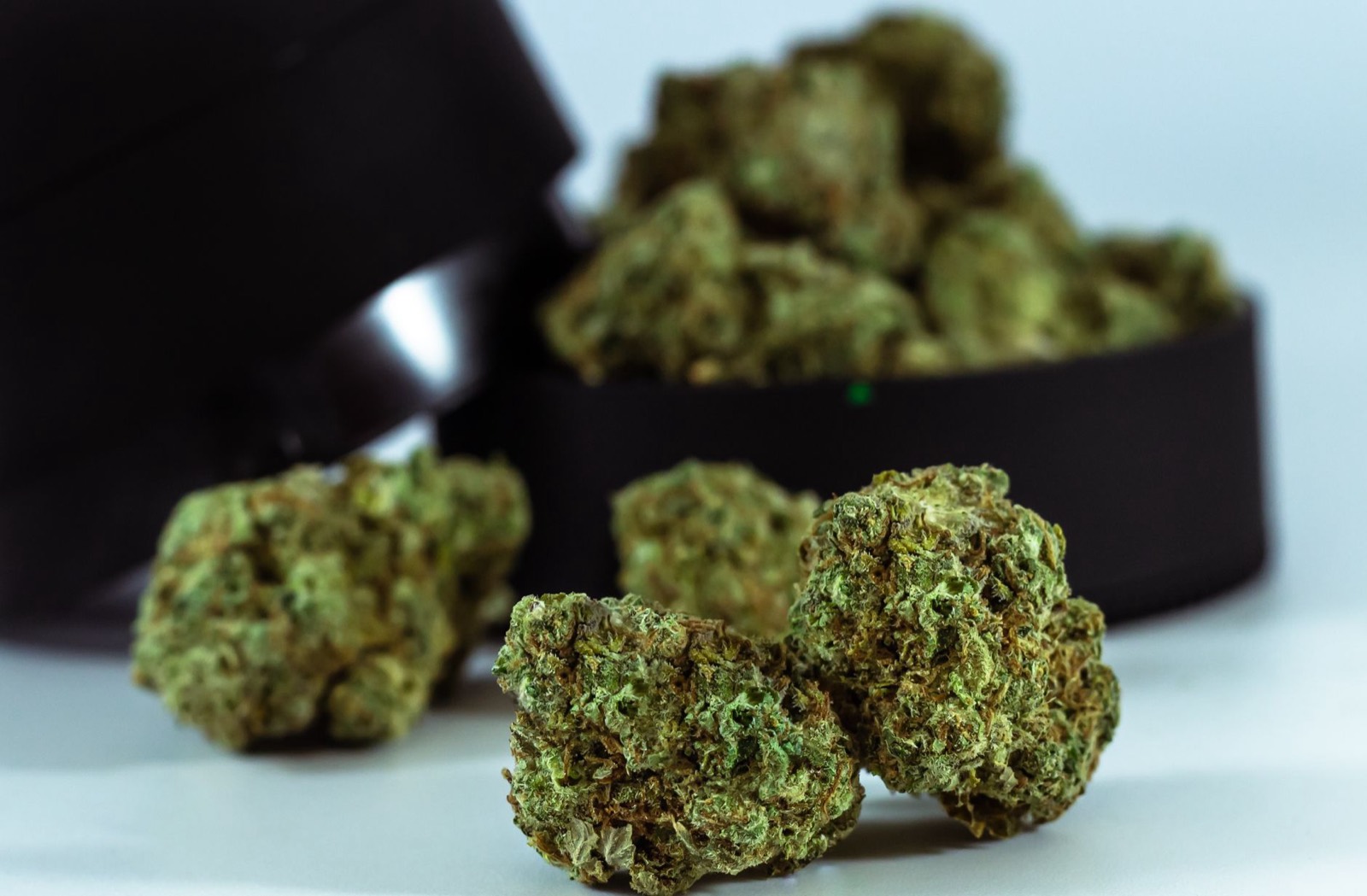
    Heavy trichome density inherited from the Sherbanger parent
    Craft cannabis prepared for licensed provisioning centre retail.

    Straight Zkittlez is famously awkward — light yielding, uneven, and prone to disappointing growers who fell in love with the terpenes. Sherbanger fixes much of that without flattening the nose, which is why the cross has spread so widely.

    1. Structure is better, density is still high. Airflow through the canopy stays essential.
    2. Resin production is heavy. Handle carefully at trim to preserve trichomes.
    3. Feed conservatively late. The candy note is the first casualty of overfeeding.
    4. Watch for purple expression. Cooler late flower brings colour but do not chase it at the expense of terps.

    Our LED grow room temperature, humidity and VPD guide covers the environment, the cannabis nutrients guide covers feeding, and plant training techniques like topping, LST and SCROG explain how to get an even canopy from a vigorous hybrid like this.

    Pandemonium vs the Rest of the Lineup

    CultivarGeneticsTerpsBuzz
    PandemoniumZ × Sherbanger (Candy Fumez)Candy and gasStrong, euphoric
    Sake BombGelato 33 × SherbangerSherbanger-dominant, creamy gelatoStrong, pressure
    KiwanoZbx2 Z × (Z × Strawberry Zkillato)Tropical sweet melon zestHeady euphoric
    SarcophagosRS11 × Coffin Candy (gas pheno)Sour gas, Smarties backendStrong, euphoric
    Cherry LimettaMoonbow 112 IXLime, cherry, gas backendHeavy, cerebral
    Pandemonium in context.

    Sake Bomb shares the Sherbanger parent and is the closest relative — see the Sake Bomb Gelato 33 × Sherbanger profile. For the gas end of the range, Sarcophagos goes considerably further.

    Where to Find It

    Pandemonium’s December 2024 harvest was stocked at Olswell in Adrian and Dunegrass locations in Gaylord, Cadillac and Traverse City West.
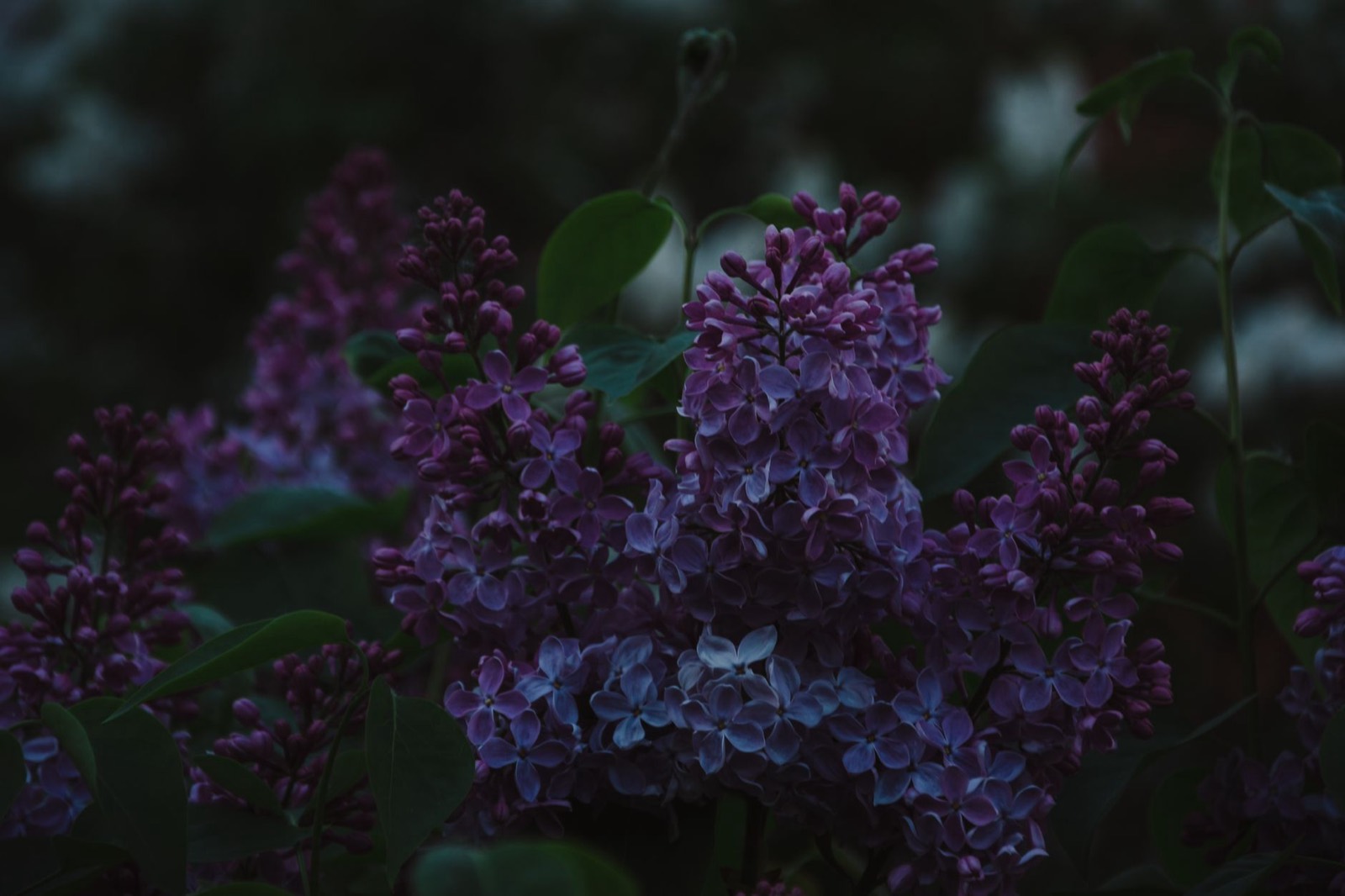
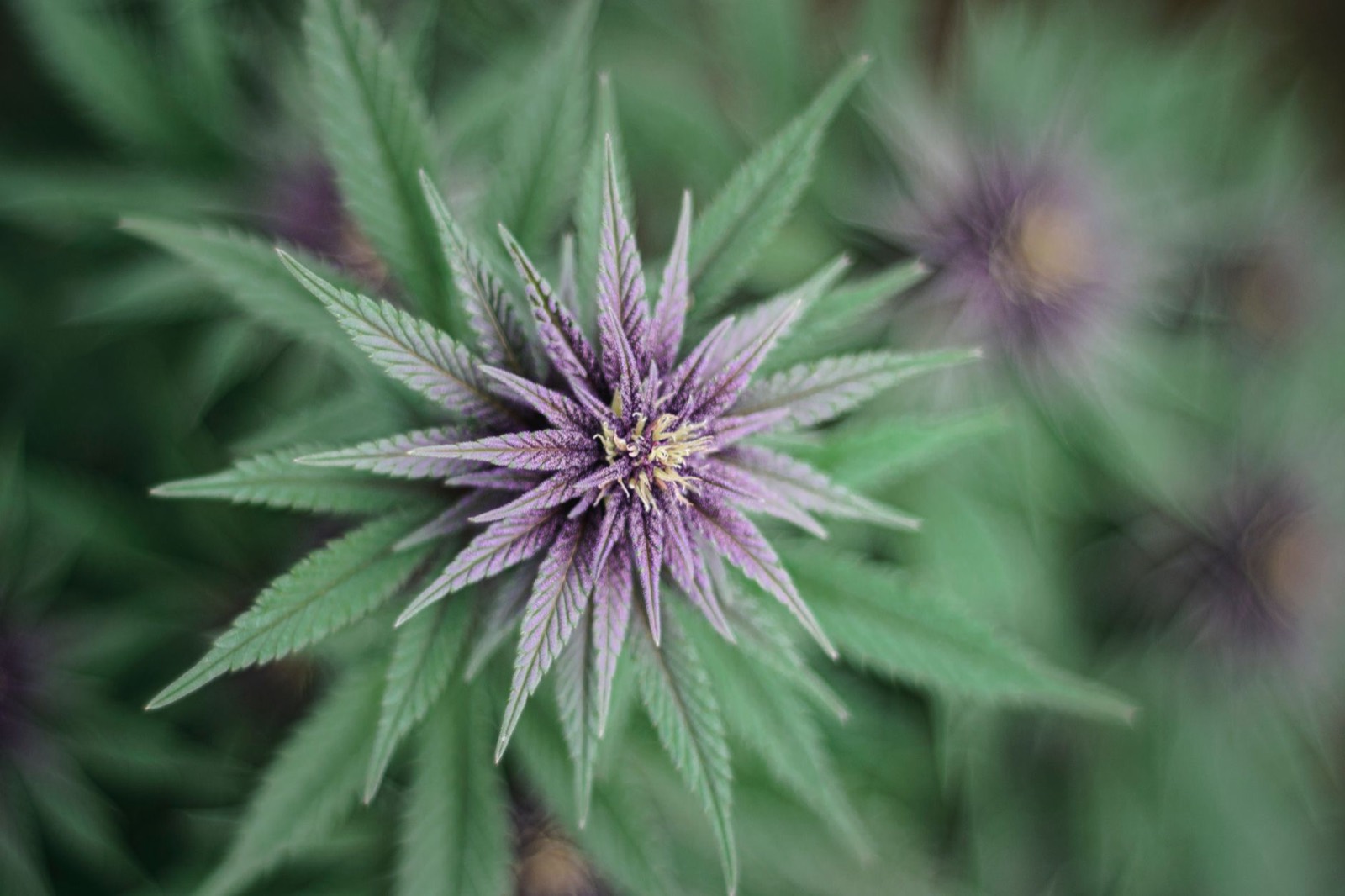
    Purple-toned botanical detail reflecting cool late-flower colour expression
    Purple-toned botanical detail reflecting cool late-flower colour expression.

    Everything we grow sells exclusively through licensed Michigan provisioning centres, and drops rotate quickly. Because runs are small and single-batch, a cultivar that is on a menu one month is frequently gone the next, and we would rather that than hold stock past its best. Read more about how we grow micro-batch craft cannabis or get in touch about stockist enquiries.

    Frequently Asked Questions

    What is Pandemonium crossed from?

    It is our in-house selection of Candy Fumez, which is Zkittlez × Sherbanger, bred by Bloom Seed Co in collaboration with Boston Roots.

    What does Pandemonium smell like?

    Candy up front with gas immediately behind it. We selected specifically for that balance rather than a purely sweet or purely fuel-driven expression.

    Is Candy Fumez the same as Pandemonium?

    Pandemonium is our named selection from Candy Fumez genetics. Other growers running Candy Fumez will have different phenos with different balances.

    Is Pandemonium good for daytime?

    The euphoria stays bright rather than sedating, so it suits afternoon and evening use and social settings. It is potent, so start low if your tolerance is modest.

    Why does Sherbanger appear in several Lost Leaf cultivars?

    Sherbanger contributes structure, vigour and trichome density, which makes it a reliable partner for terpene-heavy but difficult parents like Zkittlez.

    On Potency Numbers

    Candy Fumez genetics commonly test in the 23–28% THC range. Our figures sometimes read lower than that, and it is worth explaining why.

    We do not use labs known for inflating potency results. Lab shopping is widespread in legal markets, and the practical effect is that two identical jars can carry very different numbers depending on who tested them.

    An honestly tested 24% cultivar sitting beside a generously tested 32% one is not weaker. It is just measured differently. We would rather lose the shelf comparison than participate in it.

    Educational content for adults 21+ in legal jurisdictions. Lost Leaf flower is available only through licensed Michigan provisioning centres.

    Related reading: The Zkittlez parent behind Candy Fumez.

    Related reading: The Sherbanger parent behind Candy Fumez.
  • Cherry Limetta Strain: Archive Moonbow 112 IX, Hunted In-House

    Cherry Limetta Strain: Archive Moonbow 112 IX, Hunted In-House

    Cherry Limetta is a Lost Leaf in-house selection from Archive Seed Bank’s Moonbow 112 IX — a Zkittlez × Do-Si-Dos line — that leads with lime, carries cherry underneath, and finishes on gas. The buzz is heavy smoke with a cerebral edge, and it is one of the few Lost Leaf cultivars to see a repeat harvest.

    Moody botanical still life representing the Cherry Limetta terpene profile
    Cherry Limetta leads with lime over a cherry base and a gas finish.

    If you came looking for the widely-sold Michigan Cherries cultivar, that is a different plant entirely, from different breeders and different genetics. This one is ours, hunted from seed in our own room beside the Manistee National Forest.

    Cherry Limetta at a Glance

    AttributeDetail
    GeneticsMoonbow 112 IX — (Z × Dosido) × (Z × Dosido)
    BreederArchive Seed Bank
    SelectionHunted from seed in-house by Lost Leaf
    Terpene profileLime forward, cherries, hints of gas on the backend
    BuzzHeavy smoke, cerebral
    Harvest dates17 Nov 2024 and 23 Dec 2024
    Grow methodHydro-organic hybrid, custom nutrient program
    Pesticides / sterilizersNone
    RemediationNever
    Cherry Limetta specifications.

    The Moonbow Line Explained

    Moonbow is Archive Seed Bank’s cross of Zkittlez with a Do-Si-Dos phenotype. The pairing was built to keep the exotic candy-fruit terpenes Zkittlez is known for while fixing its notoriously difficult growth habit and light yields.

    Resin-coated flower from a Zkittlez-line cannabis cultivar
    Dense, resin-coated craft cannabis flower from a Zkittlez-line cultivar.

    The #112 designation marks a selected phenotype from an extensive hunt, chosen for resin density and candy-leaning aromatics. Archive has continued refining the line, and Moonbow #112 IX is a later intercross of that selection. You can read the parent line’s background on the Strainpedia entry for Moonbow (Zkittlez × Do-Si-Dos).

    ParentContributionWhat shows in Cherry Limetta
    ZkittlezTropical candy-fruit terpenes, dense resinous flowerThe bright citrus lead
    Do-Si-DosOG-bred potency, structure, heavy bodyThe weight behind the smoke
    Moonbow #112 selectionResin density, candy aromaticsTrichome coverage and nose
    Lost Leaf pheno huntFlavour-first selectionLime forward rather than generic sweet
    How the Moonbow lineage expresses in this cut.

    Why Lime Instead of Cherry?

    Most Moonbow expressions land somewhere on the berry-candy spectrum. Ours did not.

    Cherry fruit as the secondary flavour reference in Cherry Limetta
    Cherry fruit, the secondary flavour reference in this cultivar.

    The pheno we kept pushes citrus to the front — closer to fresh lime zest than to the sweet fruit you would expect from the name. Cherry sits underneath it as a rounder, darker note, and the gas arrives last on the exhale.

    That layering is the whole reason we selected it. A cultivar that changes across a single inhale is more interesting than one that hits the same note the whole way through.

    Indoor cannabis canopy grown under controlled environment conditions
    Indoor cannabis canopy under controlled environment conditions.

    Pheno hunting is largely an exercise in patience and disposal. You germinate a pack, grow everything out, and accept that most of it will be unremarkable. The keeper is the plant that does something the others do not.

    Hand-trimmed craft cannabis flower packaged in-house
    Hand-trimmed craft flower packaged in-house.

    In this case the tell was the jar at week four of cure. Most of the siblings had settled into a pleasant but familiar candy profile. This one had sharpened into citrus instead, and it kept sharpening.

    StageWhat you notice
    JarLime zest and a sweet-sour brightness
    GrindCherry emerges, deeper and rounder
    InhaleCitrus forward, smooth
    ExhaleGas on the backend
    EffectHeavy smoke with a cerebral lift
    The Cherry Limetta profile from jar to exhale.

    How It Compares to Michigan Cherries

    These get confused constantly on menus, so here is the distinction in plain terms.

    Michigan CherriesCherry Limetta (Lost Leaf)
    BreederFLWRpot / The Craft Seed CompanyArchive, hunted in-house by Lost Leaf
    GeneticsModified Mints × Tropicana CherryMoonbow 112 IX (Zkittlez × Do-Si-Dos)
    Lead noteSweet cherryLime
    FinishEarthy, pineGas
    BuzzHappy, upliftedHeavy smoke, cerebral
    Cherry Limetta versus the Michigan Cherries cultivar.

    Our full breakdown of Michigan cherry cannabis cultivars and how they differ covers the wider regional picture, including the two unrelated crosses both sold as Michigan Cherries.

    Growing a Zkittlez-Line Cultivar

    Moonbow crosses inherit Zkittlez structure, which means dense flower and a real need for airflow. They also reward restraint on the feed.

    1. Do not overfeed nitrogen late. It blunts the citrus top notes that make this cultivar worth growing.
    2. Keep late-flower humidity down. Dense colas plus moisture is how you lose a run.
    3. Defoliate for light, not for looks. Open the canopy without stripping the engine.
    4. Cure slowly. The lime sharpens and the gas settles over several weeks in glass.

    Our environmental targets are laid out in the guide to ideal LED grow room temperature, humidity and VPD by stage, and the feeding side is covered in our cannabis nutrients and deficiency guide. For the finish, see harvesting, drying and curing cannabis.

    Where Cherry Limetta Has Dropped

    Cherry Limetta is one of the few cultivars we have run twice, which means it has had wider distribution than most of our releases.

    HarvestStocked at
    17 Nov 2024Olswell — Grand Rapids
    23 Dec 2024Butter — Ann Arbor; Olswell — Adrian; Dunegrass — Beulah, Cadillac, Traverse City West, Traverse City Downtown
    Cherry Limetta drop history by harvest.

    Availability rotates with each harvest. Follow the Lost Leaf cultivation journal for drop updates or contact us about wholesale and stockist enquiries.

    Northern Michigan forest beside the Lost Leaf craft cannabis facility
    Northern Michigan forest beside the Lost Leaf facility.

    Running a cultivar twice is not our default. Most releases are single batches, hunted, grown and sold through before moving on to the next selection. Cherry Limetta earned its repeat by performing consistently across two very different runs, which not every keeper manages.

    The Rest of the Lineup

    CultivarGeneticsTerps
    Cherry LimettaMoonbow 112 IX (Archive)Lime, cherry, gas backend
    Lou BegaMoonbow 112 IX (Archive)Complex Z, doughy candy, hints of gas
    KiwanoZbx2 Z × (Z × Strawberry Zkillato)Tropical sweet melon zest
    PandemoniumZ × SherbangerCandy and gas
    Sake BombGelato 33 × SherbangerSherbanger-dominant, creamy gelato
    Where Cherry Limetta sits in the Lost Leaf range.

    Lou Bega comes from the same Moonbow 112 IX line and expresses very differently. For the fruit-forward end, see the Kiwano tropical melon profile; for candy and gas, Pandemonium, our Candy Fumez selection.

    Frequently Asked Questions

    What are Cherry Limetta genetics?

    Cherry Limetta is a Lost Leaf in-house selection from Archive Seed Bank’s Moonbow 112 IX, which is a Zkittlez × Do-Si-Dos intercross.

    Does Cherry Limetta taste like cherry?

    Cherry is present but it is not the lead. Lime comes first, cherry sits underneath, and there is a distinct gas note on the exhale.

    Is Cherry Limetta the same as Michigan Cherries?

    No. Michigan Cherries is a Modified Mints × Tropicana Cherry cross from FLWRpot. Cherry Limetta comes from the Archive Moonbow line and has a different profile entirely.

    How strong is Cherry Limetta?

    We describe the buzz as heavy smoke with a cerebral edge. It is potent, and it suits evening use better than daytime for most people.

    Where can I buy Cherry Limetta?

    Through licensed Michigan provisioning centres. Past drops were stocked at Olswell, Butter and Dunegrass locations. Availability rotates by harvest.

    Educational content for adults 21+ in legal jurisdictions. Lost Leaf flower is available only through licensed Michigan provisioning centres.

    Related reading: Lou Bega, the other Moonbow 112 IX selection.

    Related reading: Where to find Lost Leaf drops across Michigan.

    Related reading: Do-Si-Dos, the other half of the Moonbow cross.

  • Michigan Cherry Cannabis Strains: A Craft Grower’s Guide

    Michigan Cherry Cannabis Strains: A Craft Grower’s Guide

    Michigan Cherries is a hybrid cultivar from the state’s craft cannabis scene, most commonly attributed to FLWRpot’s Modified Mints × Tropicana Cherry cross, testing between roughly 18% and 26% THC with sweet cherry, pine and citrus notes. A separate Craft Seed Company version crosses a Pure Michigan cut with Bubbas Cherry Kush.

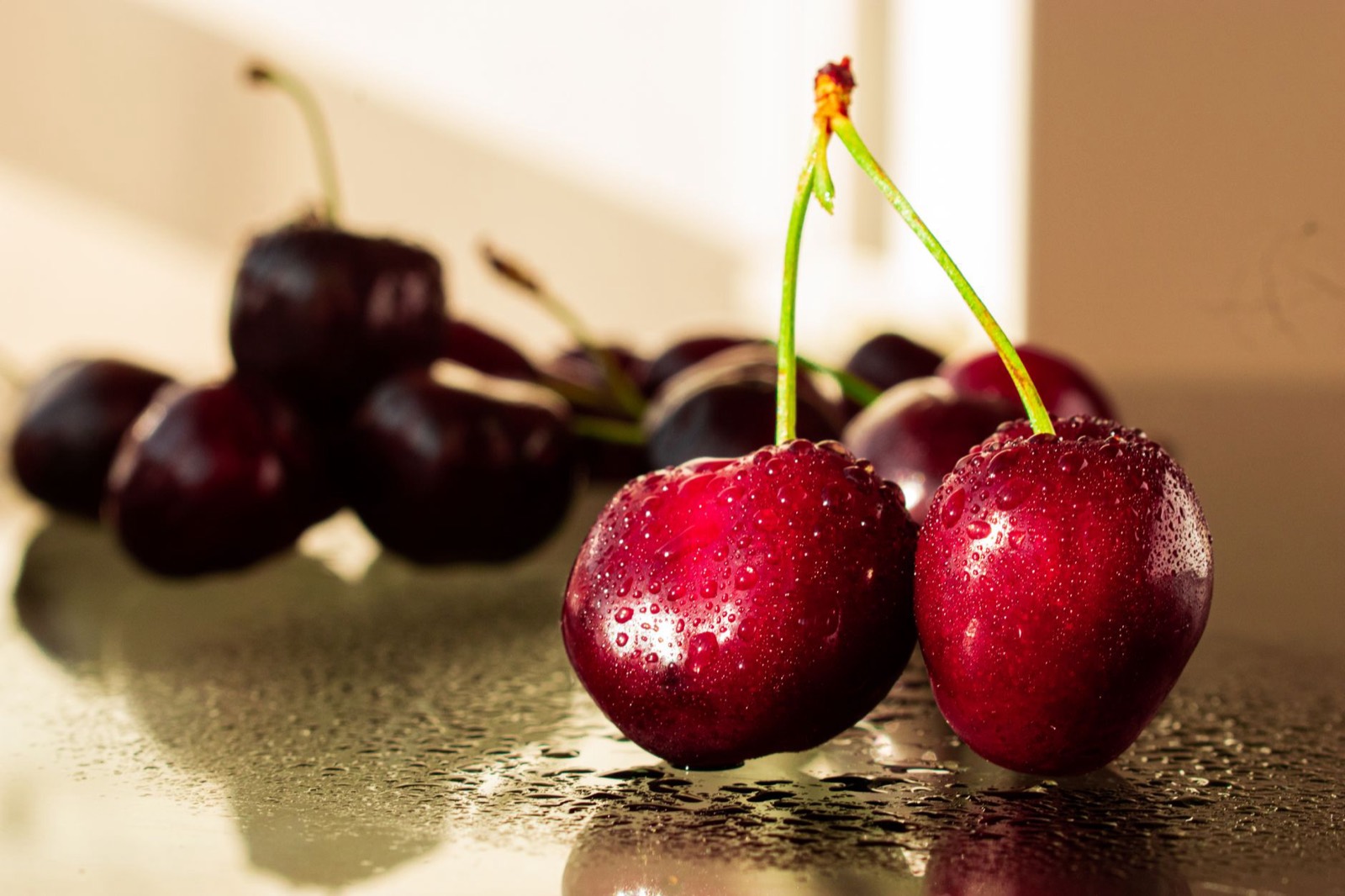
    Fresh cherries as a terpene reference for cherry-forward cannabis cultivars
    Cherry terpene profiles are a signature of Michigan craft cannabis.

    Cherry cultivars have become something of a Michigan signature. This guide covers the main ones, how they differ, and where the state’s craft growers fit into the picture.

    Why Cherry Genetics Took Hold in Michigan

    There is a pleasing symmetry to it. Michigan grows roughly three quarters of the tart cherries produced in the United States, and cherry is woven into the state’s agricultural identity — Michigan State University’s cherry research and extension programme has supported that industry for decades.

    Small-batch craft cannabis flower hand-finished at a Michigan facility
    Ripe cherries, the flavour reference behind cherry-forward cannabis cultivars.

    When Michigan’s craft cannabis market matured, cherry-forward cultivars and Michigan-referencing names followed naturally. Some of that is marketing. Some of it reflects genuine regional preference for sweet-fruit terpene profiles over the gas-dominant styles that define other markets.

    Michigan Cherry Cultivars Compared

    CultivarBreederGeneticsProfile
    Michigan CherriesFLWRpotModified Mints × Tropicana CherrySweet cherry, citrus, pine; happy and uplifted
    Michigan CherriesThe Craft Seed CompanyPure Michigan cut × Bubbas Cherry KushDeeper, kushier cherry with earthy backbone
    Michigan CherryVarious regional cutsInconsistent — verify per menuCherry-forward, varies widely by grower
    Cherry Limetta (Lost Leaf)Archive, hunted in-house by Lost LeafMoonbow 112ix — (Z × Dosido) × (Z × Dosido)Lime forward with cherries and gas on the backend; heavy smoke, cerebral buzz
    Michigan cherry-profile cultivars and how they differ.

    Note the naming problem. “Michigan Cherries” refers to at least two unrelated crosses, and “Michigan Cherry” is used loosely across menus. As with the several unrelated cultivars sold as Kiwano, check the genetics rather than trusting the name.

    What to Expect from Michigan Cherries

    AttributeDetail
    TypeHybrid
    THC rangeApproximately 18–26%
    Flavour notesSweet cherry, pine, earthy, citrus
    Reported effectsHappy, relaxed, uplifted, euphoric, creative
    Best useAfternoon and social settings
    AvailabilityMichigan provisioning centres
    Michigan Cherries quick reference.

    Cherry Limetta: Our Take on the Profile

    Our entry into this space is Cherry Limetta, a Moonbow 112ix selection from Archive genetics that we hunted from seed in-house.

    Northern Michigan forest landscape surrounding a craft cannabis grow facility
    Small-batch craft cannabis hand-finished at a Michigan facility.

    It is not a straight cherry cultivar. Lime leads, cherry sits underneath, and there is a distinct gas note on the backend. The buzz is heavy smoke with a cerebral edge.

    Typical Michigan CherriesCherry Limetta (Lost Leaf)
    Lead noteSweet cherryLime
    SecondaryPine, citrusCherry
    FinishEarthyGas
    BuzzHappy, upliftedHeavy smoke, cerebral
    BreedingModified Mints × Tropicana CherryMoonbow 112ix (Archive)
    GrownVaries by producer1,000 sq ft room, no pesticides, never remediated
    Cherry Limetta compared with the standard Michigan Cherries profile.

    How Michigan Craft Growing Differs

    Michigan’s market has an unusually strong small-producer segment. A number of the cultivars driving menus come from rooms measured in hundreds or low thousands of square feet rather than industrial warehouses.

    • Pheno hunting from seed. Small growers can afford to select for flavour over yield.
    • Hand finishing. Machine trimming is faster but costs trichomes and bag appeal.
    • Smaller runs. Rotating drops rather than continuous production of one cultivar.
    • Honest testing. Some producers deliberately avoid labs known for inflating figures.

    That last one is worth dwelling on. Inflated potency numbers are a well-known problem across legal markets, and a jar reading 32% next to an honestly-tested 24% is not necessarily stronger — it may simply have been tested somewhere more generous.

    For shoppers, the practical takeaway is to stop treating the THC percentage as a quality score. Terpene content, cure quality and how the flower was finished have far more influence on the experience than the headline number.

    Craft cannabis flower prepared for licensed provisioning centre retail in Michigan
    Northern Michigan forest landscape surrounding the grow facility.

    A well-grown 20% cultivar with a loud terpene profile will almost always outperform a rushed 30% one. Ask what the terps are, ask when it was harvested, and ask whether it was hand-trimmed — those answers tell you more than the label does.

    How We Grow

    Lost Leaf operates a 1,000 square foot room beside the Manistee National Forest. Everything is grown, trimmed, designed and packaged in-house by the owner and his wife.

    Cherry orchard fruit reflecting Michigan agricultural heritage
    Craft cannabis flower prepared for licensed retail in Michigan.

    Since a full rebuild in late 2022, every cultivar released has been hunted from seed in-house — phenos you will not find anywhere else. The nutrient program was built from scratch and tuned specifically for flavour, smoothness and smokability.

    We would rather take the loss than release something that is not up to our standards.

    No pesticides. No sterilizers. No remediation. The owner started growing in the Michigan caregiver market in 2012, and the operation still reflects that background. You can read more about how Lost Leaf grows micro-batch craft cannabis in northern Michigan.

    Our Cherry-Adjacent Lineup

    CultivarGeneticsTerpsBuzz
    Cherry LimettaMoonbow 112ix (Archive)Lime forward, cherries, gas backendHeavy, cerebral
    StarburyRS11 × Coffin Candy (candy pheno)Strawberry Z with SmartiesStrong creeper
    KiwanoZbx2 Z × (Z × Strawberry Zkillato)Tropical sweet melon zestHeady euphoric
    Sake BombGelato 33 × SherbangerSherbanger-dominant, creamy gelatoStrong, pressure
    SarcophagosRS11 × Coffin Candy (gas pheno)Sour gas, Smarties backendStrong, euphoric
    Lost Leaf cultivars in and around the fruit-forward range.

    For the full breakdown of individual cultivars, see our Sake Bomb Gelato 33 × Sherbanger guide and the Kiwano tropical melon cultivar profile. Growers curious about the methods behind these can start with our LED grow room temperature and VPD guide.

    Where to Find Michigan Craft Cherry Cultivars

    Everything sold in Michigan moves through licensed provisioning centres. Lost Leaf drops have appeared at Olswell in Grand Rapids and Adrian, Butter in Ann Arbor, and Dunegrass locations in Beulah, Cadillac, Gaylord and both Traverse City stores.

    Detail of cherry-forward craft cannabis flower with dense trichome coverage
    Cherry orchard fruit, the regional reference behind Michigan cherry cultivars.

    Craft drops rotate quickly and sell through. Follow the Lost Leaf cultivation journal for harvest and drop updates, or get in touch about wholesale and stockist enquiries.

    Frequently Asked Questions

    What are Michigan Cherries strain genetics?

    The most widely referenced version is FLWRpot’s cross of Modified Mints and Tropicana Cherry. The Craft Seed Company also produces a Michigan Cherries from a Pure Michigan cut crossed with Bubbas Cherry Kush.

    How strong is Michigan Cherries?

    Reported THC generally falls between 18% and 26%, depending on the producer and the specific run.

    What does Michigan Cherries taste like?

    Sweet cherry with pine, earthy and citrus notes. Effects are commonly described as happy, relaxed, uplifted and creative.

    Is Cherry Limetta the same as Michigan Cherries?

    No. Cherry Limetta is a Lost Leaf in-house selection from Archive’s Moonbow 112ix. It leads with lime rather than cherry and finishes with gas.

    Where can I buy Michigan craft cannabis?

    Only through licensed Michigan provisioning centres. Lost Leaf flower has been stocked at Olswell, Butter and Dunegrass locations, with availability rotating by harvest.

    Educational content for adults 21+ in legal jurisdictions. Cannabis is available in Michigan only through licensed provisioning centres.

    Related reading: The full cherry limetta strain profile.

    Related reading: How Michigan grower licensing actually works.

    Related reading: How to identify craft flower on a Michigan menu.

  • Ideal Grow Room Conditions for LED Cannabis: VPD, Temp and Humidity

    Ideal Grow Room Conditions for LED Cannabis: VPD, Temp and Humidity

    Cannabis under LED lighting performs best at roughly 72–77°F and 65–75% humidity for seedlings, 70–85°F and 55–70% in veg, and 68–80°F dropping to 40–50% humidity in flower — targeting a VPD of 0.4–0.8 kPa early, 0.8–1.2 kPa in veg and 1.2–1.6 kPa in bloom. LED rooms usually need to run warmer than HPS rooms to hit the same transpiration rate.

    Controlled environment cannabis grow room under LED lighting
    LED lighting in a controlled indoor cannabis cultivation room.

    That last detail catches out a lot of growers switching from HPS. Below is the full stage-by-stage chart, why LEDs change the maths, and how to diagnose a room that is fighting you.

    The Complete Environment Chart

    Print this one. It covers every stage from propagation through to late flower.

    StageTemperature (lights on)Relative humidityTarget VPD
    Clones / seedlings72–77°F65–75%0.4–0.8 kPa
    Early vegetative70–85°F60–70%0.8–1.0 kPa
    Late vegetative70–85°F55–65%1.0–1.2 kPa
    Early flower68–80°F45–55%1.2–1.4 kPa
    Mid flower68–78°F45–50%1.3–1.5 kPa
    Late flower65–75°F40–50%1.4–1.6 kPa
    Stage-by-stage temperature, humidity and VPD targets for LED cannabis rooms.

    Keep a 10–15°F gap between lights-on and lights-off temperatures. Too small a differential and you lose the signal plants use to regulate stretch; too large and you risk condensation on cold surfaces.

    What VPD Actually Measures

    Vapour pressure deficit is the difference between how much moisture the air is holding and how much it could hold at that temperature. It is a single number that captures what temperature and humidity do together.

    Temperature and humidity monitoring equipment in a cannabis grow room
    Temperature and humidity monitoring equipment in a grow environment.

    Practically, VPD tells you how hard the plant is being pulled to transpire. Too low and transpiration stalls, taking nutrient uptake with it. Too high and the plant closes its stomata to protect itself, which also stops growth.

    This is why chasing temperature and humidity as separate numbers leads growers in circles. 78°F at 60% humidity and 72°F at 70% humidity are very different environments for a plant, even though neither reading looks alarming on its own.

    Indoor cannabis canopy grown under full-spectrum LED lighting
    Indoor cannabis canopy grown under full-spectrum LED lighting.

    VPD collapses both into one figure you can actually steer by. Once you start managing the room by VPD rather than by two independent dials, most environmental problems become obvious.

    VPD readingWhat is happeningVisible symptoms
    Below 0.4 kPaTranspiration stalledSlow growth, guttation, edema, mould risk
    0.8–1.2 kPaHealthy vegetative transpirationVigorous growth, strong turgor
    1.2–1.6 kPaIdeal flowering rangeTight internodes, good resin development
    Above 1.8 kPaPlant defensively closing stomataLeaf curl, wilting, stunted growth
    Reading VPD symptoms in the room.

    Why LED Rooms Are Different

    This is the part that trips up growers coming off HPS. LEDs emit far less infrared radiation than HPS lamps, so they do not warm the leaf surface the same way.

    Rows of plants growing in a climate-controlled greenhouse environment
    Rows of plants growing in a climate-controlled greenhouse environment.

    Under LEDs, leaf temperature typically runs about 2–3°C (roughly 4–5°F) cooler than the surrounding air. Under HPS, leaves often sit warmer than ambient.

    The consequence: if you set an LED room to the ambient temperature you used under HPS, your leaves are colder, your leaf-level VPD is lower than your meter suggests, and transpiration underperforms. Most LED growers need to run ambient a few degrees warmer to compensate.

    FactorHPS roomsLED rooms
    Infrared outputHighLow
    Leaf vs air temperatureLeaf warmer than airLeaf 2–3°C cooler than air
    Ideal ambient temperatureLowerHigher to compensate
    Room heat loadVery highLower — may need supplemental heat
    Humidity control burdenDehumidification heavyOften needs humidification in veg
    VPD calculationAir temp approximates leaf tempMust offset leaf temperature
    How LED and HPS rooms differ environmentally.

    For the underlying science of controlled environment growing, Cornell University’s Controlled Environment Agriculture programme publishes well-regarded research on greenhouse and indoor crop environments.

    Measuring It Properly

    1. Measure at canopy height, not at the wall where your controller happens to hang.
    2. Use an infrared thermometer to read actual leaf surface temperature.
    3. Take multiple readings — corners and centre often differ by several degrees.
    4. Log over time. A single spot reading hides the swings that actually cause problems.
    5. Calculate VPD from leaf temperature, not air temperature, for accuracy under LEDs.

    Late Flower: Where Quality Is Won or Lost

    The back half of bloom is the highest-stakes period in the room. Dense flower plus high humidity is how botrytis starts, and terpene retention falls off sharply if the environment drifts.

    • Bring humidity down to 40–50%. This protects against bud rot in dense colas.
    • Drop temperature slightly. Cooler late flower helps preserve volatile terpenes.
    • Keep air moving. Airflow through the canopy matters as much as the numbers.
    • Do not spike VPD suddenly. Gradual change; plants adapt poorly to shocks.

    This matters most on tight, resinous cultivars. Our Sake Bomb Gelato 33 × Sherbanger selection and Kiwano tropical melon cultivar both throw dense flower, and both are grown without sterilizers — which means environmental control does the work chemicals otherwise would.

    Troubleshooting a Room That Is Fighting You

    SymptomLikely environmental causeCorrection
    Leaf edges curling upVPD too high, heat stressLower temperature or raise humidity
    Droopy, heavy leavesVPD too low, overwateringRaise temperature or dehumidify
    Water droplets on leaf edgesGuttation from very low VPDIncrease transpiration demand
    Slow growth despite good feedTranspiration stalledCheck leaf-level VPD, not air
    Bud rot in late flowerHumidity too high, poor airflowDehumidify, add canopy airflow
    Foxtailing budsExcess heat at canopyRaise lights or reduce intensity
    Matching visible symptoms to environmental causes.

    How We Run Our Room

    Lost Leaf flower is grown in a 1,000 square foot facility beside the Manistee National Forest, combining hydroponic control with organic inputs on a nutrient program built from scratch.

    Hydroponic cannabis cultivation system under controlled indoor conditions
    Hydroponic cultivation system under controlled indoor conditions.

    Because we use no pesticides and no sterilizers, environment is the primary defence. Every cultivar is hunted from seed in-house and the room is tuned for flavour, smoothness and smokability rather than raw yield.

    Cannabis plants thriving under optimised temperature and humidity conditions
    Cannabis plants thriving under optimised environmental conditions.

    The full protocols live in our grow document on ideal room conditions for LED cultivation, with companion guides on cannabis nutrients and feeding schedules and plant training techniques. Growers starting from propagation should read our comparison of rockwool and aeroponic cannabis cloning first.

    Frequently Asked Questions

    What is the ideal temperature for a cannabis grow room with LEDs?

    Roughly 72–77°F for seedlings, 70–85°F in vegetative growth, and 68–80°F in early flower dropping to 65–75°F late. LED rooms generally run warmer than HPS rooms because LEDs emit less infrared.

    What VPD should cannabis be grown at?

    Around 0.4–0.8 kPa for seedlings and clones, 0.8–1.2 kPa in vegetative growth, and 1.2–1.6 kPa in flower, with the higher end used late in bloom to reduce moisture.

    Why are my leaves cooler than the room under LED?

    LEDs emit far less infrared radiation than HPS, so they do not heat the leaf surface directly. Leaf temperature typically runs 2–3°C below ambient, which lowers your true leaf-level VPD.

    What humidity should late flower be?

    40–50%. Bringing humidity down through the back half of bloom protects dense flower from botrytis and helps preserve terpene content.

    Should I measure air or leaf temperature for VPD?

    Leaf temperature, measured with an infrared thermometer at canopy height. Under LEDs, calculating VPD from air temperature alone overstates your actual transpiration rate.

    Educational content for adults 21+ growing legally in their jurisdiction.

    Related reading: Cannabis nutrients, npk ratios and deficiency diagnosis. Harvesting, drying and curing cannabis. Plant training techniques that change canopy airflow.

    Related reading: How climate control determines pest pressure. Irrigation, runoff and EC management.

    Related reading: Troubleshooting symptoms by cause.

  • How to Clone Cannabis: Rockwool vs Aeroponic Methods

    How to Clone Cannabis: Rockwool vs Aeroponic Methods

    Rockwool and aeroponic cloning both reach 90%+ success rates once dialled in. Rockwool is cheaper, needs no power and has the highest rooting success in controlled studies; aeroponic cloners root faster and are far more forgiving for beginners. The medium matters less than the environment you keep the cuttings in.

    Healthy plant cuttings rooting under controlled humidity conditions
    Healthy cannabis cuttings rooting under controlled propagation conditions.

    That last point is the one most growers learn the expensive way. You can run either method badly and lose a whole tray. Below is how each system actually works, what it costs, and how to choose.

    Why Clone at All?

    A clone is a genetic copy of the plant it was cut from. Once you have hunted a keeper pheno — the one out of fifty seeds with the terpene profile you actually want — cloning is the only way to run it again.

    • Consistency. Every plant in the room finishes the same way.
    • Speed. Clones skip the seedling stage and are sex-guaranteed.
    • Preservation. A mother plant keeps a selection alive indefinitely.
    • Economics. No repeat seed cost for a cultivar you already own.

    Rockwool vs Aeroponic: Direct Comparison

    FactorRockwool cubesAeroponic cloner
    Typical success rate90%+ once dialled in90%+ once dialled in
    Rooting speed10–14 days7–10 days
    Upfront costLow ($20–40 per tray setup)Higher ($100–250 per unit)
    Power requiredNonePump runs continuously
    Beginner friendlyModerate — needs techniqueHigh — close to plug-and-play
    Humidity domeRequiredUsually unnecessary
    Failure modeOver-saturation, rotPump failure, reservoir temperature
    TransplantCube goes straight into mediumBare root — handle carefully
    ScalabilityExcellent, stackableLimited by unit size
    Best forCost-conscious, larger runsBeginners, fast turnaround
    Rockwool and aeroponic cloning compared across the factors that matter.

    Peer-reviewed work backs both approaches. A comparative analysis of propagation techniques for Cannabis sativa across soilless and aeroponic methods found aeroponics was as effective as — and sometimes better than — soilless media for root development, while other substrate research has recorded rockwool producing the highest rooting success of any medium tested.

    How to Clone in Rockwool

    Preparing the cubes

    Rockwool arrives with a high pH. Soak the cubes in pH-adjusted water at around 5.5 for a few hours before use, then shake out the excess. Cubes should be moist, not dripping.

    Rooted cannabis clone showing white root development ready for transplant
    Rooted cuttings ready for transplant into their final medium.

    Over-saturation is the single most common rockwool failure. A waterlogged cube starves the cutting of oxygen and the stem rots before roots form.

    Taking and setting the cutting

    1. Take cuttings from healthy lower growth with at least two nodes.
    2. Cut at a 45-degree angle to increase surface area.
    3. Dip in rooting gel immediately — do not let the cut end sit in air.
    4. Insert into the cube so the stem is snug, with no air gap around it.
    5. Trim large fan leaves back by roughly a third to reduce transpiration load.

    Dome management — where most people go wrong

    Keep the dome fully closed for the first several days to hold humidity high. Cuttings have no roots, so they take water in through their leaves.

    Propagation tray of young cannabis plants under controlled humidity
    Propagation tray with young plants under controlled humidity.

    From around day seven, crack the vents progressively every other day. Pull the dome briefly a couple of times daily for fresh air. Too much humidity for too long turns cuttings pale and actually inhibits rooting.

    DaysDome positionHumidity targetWhat you should see
    1–3Fully closed90–95%Turgid leaves, no wilting
    4–7Closed, brief daily airing85–90%Slight callus at the cut
    8–11Vents cracked75–85%First root initials
    12–14Vents open / dome off65–75%Roots through the cube
    A working two-week rockwool dome schedule.

    How Aeroponic Cloning Works

    An aeroponic cloner suspends bare stems in a chamber and sprays them with oxygenated water. There is no medium at all — roots form directly in humid air.

    Young cannabis plants established in a vegetative growth room
    Young cannabis plants established in a vegetative growth room.

    Because the chamber holds near-saturated humidity by design, most units need no dome. That removes the trickiest variable for new growers, which is why aero cloners have a reputation for being forgiving.

    Getting the most from an aero cloner

    • Run the pump continuously. Research indicates continuous spray outperforms intermittent cycling for root initiation.
    • Watch reservoir temperature. Warm water breeds pathogens; aim for the high teens Celsius.
    • Keep it clean. Sterilise between runs — a biofilm in the lines will cost you a tray.
    • Transplant promptly. Bare roots are fragile and tangle if left too long.

    Cost Breakdown Over Time

    Rockwool wins on cost at every scale, but the gap narrows if you value the time an aero cloner saves.

    ItemRockwoolAeroponic
    Initial setupTray, dome, cubes — lowCloner unit — moderate to high
    Per-run consumablesNew cubes each runNeoprene collars reuse indefinitely
    ElectricityNonePump running 24/7
    Replacement partsNonePump, sprayers over time
    Time to first roots10–14 days7–10 days
    Best value at scaleYes — cubes are cheap in bulkNo — needs multiple units
    Cost and time comparison across both cloning methods.

    Troubleshooting Common Failures

    SymptomLikely causeFix
    Cuttings wilt and never recoverAir gap at stem or dome opened too earlyRe-set cutting snugly; close dome
    Stems turn brown and mushyOver-saturated cubeSqueeze out excess; improve drainage
    Leaves pale or yellowingHumidity too high for too longIncrease venting and airflow
    No roots after 3 weeksPoor cutting quality or cold roomTake from healthier growth; warm the tray
    Slimy roots in aero clonerWarm reservoir, biofilmCool and sterilise the reservoir
    Diagnosing and fixing common cloning problems.

    How We Approach Propagation

    Every cultivar we release is hunted from seed in-house, which makes propagation central to the whole operation. Once a keeper is identified, that selection has to survive across every future run.

    Hydroponic root development on an established cannabis plant
    Hydroponic root development on an established cannabis plant.

    Our flower is grown without pesticides or sterilizers, so cleanliness at the propagation stage is not optional — problems introduced in a clone tray follow the plant all the way to harvest.

    The chemistry works. The environment determines success.

    Our Lost Leaf cannabis cloning grow document covers both rockwool and aeroponic procedures with the specific protocols we run, and it is included in the complete Lost Leaf grow document package alongside nine other cultivation guides.

    What Comes After Rooting

    Rooted clones need a different environment from cuttings. Humidity comes down, light intensity comes up, and feeding begins gradually.

    Plant cutting set into a rockwool propagation cube
    Plant cutting set into a rockwool propagation cube.

    Our guide to ideal LED grow room temperature, humidity and VPD targets by growth stage covers exactly where to take a freshly rooted clone next. For the full library, browse the Lost Leaf cannabis cultivation guides and grow documents.

    Frequently Asked Questions

    Is rockwool or aeroponic cloning better?

    Neither is universally better. Rockwool is cheaper, needs no electricity and scales well. Aeroponic cloners root faster and are more forgiving for beginners. Both reach 90%+ success once dialled in.

    How long do cannabis clones take to root?

    Roughly 10 to 14 days in rockwool and 7 to 10 days in an aeroponic cloner, assuming healthy cuttings and correct environmental control.

    Do I need a humidity dome for rockwool cloning?

    Yes. Cuttings without roots absorb water through their leaves, so high humidity is essential early on. Vent the dome progressively from around day seven.

    Why are my clones turning yellow?

    Usually humidity held too high for too long, which inhibits rooting. Increase venting and airflow. Persistent yellowing can also indicate the cutting was taken from unhealthy growth.

    What pH should rockwool be soaked at?

    Around 5.5. Rockwool is alkaline out of the bag and will lock out nutrients if it is not conditioned first.

    Choosing Between the Two

    If you are cloning at any scale, rockwool is the economical answer and the technique is learnable in a single run. If you are new to propagation, or you want roots in a week rather than two, an aeroponic cloner removes most of the ways a beginner can fail.

    Many growers end up running both — an aero cloner for quick turnarounds and rockwool for bulk runs. The methods are not mutually exclusive, and the skills transfer in both directions.

    Educational content for adults 21+ growing legally in their jurisdiction. Check your local regulations before cultivating cannabis.

    Related reading: Feeding rooted clones correctly. Topping, lst and scrog once plants establish.

    Related reading: Quarantine and clean-stock practices.

  • Sake Bomb Strain: Gelato 33 × Sherbanger Craft Cannabis

    Sake Bomb Strain: Gelato 33 × Sherbanger Craft Cannabis

    Sake Bomb by Lost Leaf is a Gelato 33 × Sherbanger cross from Boston Roots, hunted in-house and selected for a Sherbanger-dominant nose with creamy gelato undertones and a strong, pressure-heavy buzz. Several unrelated cultivars share the Sake Bomb name — this guide covers ours.
    Gelato dessert representing the creamy undertone in Sake Bomb genetics
    Sake Bomb leads with a Sherbanger-dominant nose over creamy gelato undertones.

    Sake Bomb is one of the cultivars that came out of our late-2022 rebuild, when we moved to hunting every release from seed in-house. It is a flavour-first selection, and the Sherbanger side does most of the talking.

    Sake Bomb at a Glance

    AttributeDetail
    GeneticsGelato 33 × Sherbanger
    BreederBoston Roots
    SelectionHunted from seed in-house by Lost Leaf
    Terpene profileSherbanger-dominant with creamy gelato undertones
    BuzzStrong, pressure-forward
    Grow methodHydro-organic hybrid, custom nutrient program
    Pesticides / sterilizersNone
    RemediationNever
    AvailabilitySold out — rotating release
    Lost Leaf Sake Bomb specifications.

    Name Collisions: Which Sake Bomb Is Which

    As with Kiwano, the Sake Bomb name is attached to several unrelated plants. If you are comparing notes across menus or databases, check the genetics rather than the name.

    VersionGeneticsReported profile
    Sake Bomb (Lost Leaf)Gelato 33 × Sherbanger (Boston Roots)Sherbanger-dominant, creamy gelato undertones, strong pressure
    Sake Bomb (multi-cross version)Runtz, Gushers and Lemon Cherry Gelato with Zkittlez and Kush MintsSyrupy berry and cherry, tropical, relaxed indica lean
    Sake Bomb (Sour Seed Co)Girl Scout Cookies × Urkle Bx260/40 indica-sativa, grape and berry with kushy OG terps
    Distinguishing the cultivars sold as Sake Bomb.

    Understanding the Cross

    Gelato 33 — the creamy half

    Gelato 33 (Sunset Sherbet × Thin Mint GSC) is one of the most reliable flavour parents in modern breeding. It contributes the creamy, dessert-like body and a limonene-leaning brightness.

    Heavy resin and trichome coverage on Sake Bomb craft cannabis flower
    Gelato genetics contribute a creamy, dessert-like undertone.

    It also brings structure — Gelato phenos tend to produce compact, resinous flower with good bag appeal.

    Sherbanger — the loud half

    Sherbanger (Sunset Sherbet × Tangie) is where the volume comes from. It pushes the citrus and sherbet notes forward and gives the cross its distinctive top-end sharpness.

    In our selection, Sherbanger dominates the nose while Gelato 33 fills in underneath. That balance is exactly what we were hunting for.

    TraitGelato 33SherbangerLost Leaf Sake Bomb
    Aroma leadCreamy, sweet, dessertCitrus, sherbet, loudSherbanger forward, gelato beneath
    StructureCompact, resinousMedium densityDense with strong resin
    EffectEuphoric, evenBright, energeticStrong, pressure-forward
    Flavour retentionGoodExcellentExcellent with slow cure
    How each parent shapes the finished cultivar.

    What “Pressure” Means

    We describe the Sake Bomb buzz as pressure rather than heavy or sedating. It arrives with weight — a noticeable behind-the-eyes sensation and a physical density that experienced consumers recognise immediately.

    Cannabis plants growing under controlled indoor cultivation conditions
    Dense craft cannabis flower with heavy resin coverage.

    It is potent without being flattening. Most people find it works better in the evening than at the start of the day.

    Craft cannabis jarred and labelled for licensed provisioning centre retail
    Cannabis plants growing under controlled indoor conditions.

    The distinction matters when you are choosing between cultivars on a menu. A strain described as “heavy” usually means sedation is coming. Pressure is different — the body registers weight, but the head stays engaged enough to hold a conversation or follow a film.

    That combination is what makes Gelato-Sherbanger crosses so consistently popular. You get the physical satisfaction of a potent indica-leaning hybrid without losing the evening to it.

    Consumer typeTypical responseSuggested approach
    Low toleranceStrong, potentially overwhelmingStart with a single small pull
    Moderate tolerancePleasant pressure, euphoric, relaxedEvening or late afternoon
    High toleranceSatisfying weight without sedationAnytime after midday
    Matching Sake Bomb to tolerance level.

    For general background on how cannabis affects the body, the National Center for Complementary and Integrative Health overview of cannabis and cannabinoids is a solid, non-commercial starting point.

    How We Grow It

    Sake Bomb is grown in the same 1,000 square foot room as the rest of our lineup, next to the Manistee National Forest. Everything is grown, hand-trimmed, designed and packaged in-house.

    • No pesticides, no sterilizers. The room is managed preventatively rather than chemically.
    • Custom nutrient program. Built from scratch and tuned for flavour, smoothness and smokability.
    • No remediation. If a run does not meet standard, it does not go out.
    • Honest labs only. We avoid labs known for inflating potency numbers.

    That last point costs us on the shelf. A jar of ours reading 24% may sit beside a competitor claiming 32%, and the number is the first thing many customers look at. We accept that trade.

    Small-batch cannabis production inside a Michigan craft grow facility
    Craft cannabis jarred and labelled for licensed retail.

    The owner started growing in the Michigan caregiver market in 2012 and takes pride in those roots. The whole operation is deliberately small — a room this size cannot compete on volume, so it competes on the things volume tends to erode.

    Grow considerations for Gelato-Sherbanger crosses

    1. Manage density. Gelato structure plus resin means airflow is non-negotiable.
    2. Do not overfeed. Heavy nitrogen late blunts the Sherbanger top notes.
    3. Dial VPD by stage. Terpene retention lives or dies in late flower.
    4. Slow dry, slow cure. The creamy undertone develops in the jar.

    Our grow room temperature, humidity and VPD guide for LED rooms covers the environmental side in detail, and our cannabis cloning comparison of rockwool and aeroponic methods explains how we keep selected mothers alive across runs.

    Sake Bomb Compared to Our Other Releases

    CultivarGeneticsTerpsBest for
    Sake BombGelato 33 × SherbangerSherbanger-dominant, creamy gelatoEvening, pressure seekers
    KiwanoZbx2 Z × (Z × Strawberry Zkillato)Tropical sweet melon zestAfternoon, flavour chasers
    PandemoniumZ × SherbangerCandy and gasEuphoria seekers
    SarcophagosRS11 × Coffin Candy (gas pheno)Sour gas, Smarties backendGas lovers
    StarburyRS11 × Coffin Candy (candy pheno)Strawberry Z with SmartiesCreeper effect
    Where Sake Bomb sits in the Lost Leaf lineup.

    If Sherbanger is the note you are chasing, Pandemonium shares that parent. For something brighter and fruit-driven, the Kiwano tropical melon cultivar is the natural next step, and our breakdown of the Zookies cookies-and-gas hybrid covers the dessert end of the spectrum.

    Where to Find Sake Bomb

    Lost Leaf sells exclusively through licensed Michigan provisioning centres. Past Sake Bomb drops have been stocked at Olswell in Adrian and Dunegrass locations in Gaylord, Cadillac and Traverse City West.

    Forest landscape near the Manistee National Forest where Lost Leaf grows
    Small-batch cannabis production inside a Michigan craft facility.

    Drops rotate. Check the Lost Leaf cultivation journal and drop updates or read more about our micro-batch Michigan growing methods.

    Frequently Asked Questions

    What are Sake Bomb genetics?

    Lost Leaf Sake Bomb is Gelato 33 × Sherbanger, bred by Boston Roots and hunted from seed in-house. Other cultivars sold under the same name have entirely different lineages.

    What does Sake Bomb smell like?

    Sherbanger dominates the nose — citrus and sherbet — with creamy gelato undertones sitting underneath.

    How strong is Sake Bomb?

    We describe the buzz as strong and pressure-forward: noticeable weight behind the eyes without full sedation. It suits moderate to high tolerance consumers.

    Is Sake Bomb an indica?

    It is a hybrid. The Gelato 33 and Sherbanger parents are both hybrids, and the effect is potent and physical rather than strictly indica or sativa.

    Why is the THC percentage lower than other brands?

    We do not use labs known for inflating potency figures. Our numbers reflect honest testing, which sometimes means they read lower than flower on the same shelf.

    Educational content for adults 21+ in legal jurisdictions. Lost Leaf flower is available only through licensed Michigan provisioning centres.

    Related reading: Sarcophagos, the gas pheno from our rs11 hunt.

    Related reading: Rainbow Chip, another Sunset Sherbet descendant.

    Related reading: The Gelato 33 parent profile. The Sherbanger parent profile.

    Related reading: Headbanger, where the fuel note originates.

  • Kiwano Strain: Lost Leaf’s In-House Tropical Melon Cultivar

    Kiwano Strain: Lost Leaf’s In-House Tropical Melon Cultivar

    Kiwano by Lost Leaf is an in-house pheno hunt from Zbx2 Z × (Z × Strawberry Zkillato), bred by Duke of Erb and Doja, selected for a tropical sweet melon terpene profile and a heady, euphoric effect. It is not the same plant as Kiwano Kush from Enlightened Genetics — a distinction almost every strain database gets wrong.

    Close-up of Kiwano cannabis flower showing dense trichome coverage
    Kiwano is defined by a tropical melon-forward terpene profile.

    If you searched for Kiwano and landed on a page describing an indica-leaning Numbskull × Banana Split cross, you found a different cultivar with the same name. This guide covers ours: where it came from, how it smells, and why we hunted it.

    Two Different Plants, One Name

    Strain naming in cannabis is unregulated, so collisions are common. Kiwano is a textbook example — at least three unrelated cultivars circulate under the name.

    VersionBreederGeneticsProfile
    Kiwano (Lost Leaf)Duke of Erb × Doja, hunted in-houseZbx2 Z × (Z × Strawberry Zkillato)Tropical sweet melon zest; heady euphoric hitter
    Kiwano KushEnlightened GeneticsNumbskull × Banana SplitTropical citrus-melon, indica-leaning, ~66 day flower
    KiwanoHeavy LoadsLemon Cherry Gelato #14 × ZkittlezSweet candy and citrus, hybrid effect
    Three distinct cultivars share the Kiwano name.

    Enlightened Genetics documents their version on the SeedFinder Kiwano Kush strain listing, which is a useful reference for telling the two apart. Everything below refers to the Lost Leaf cut.

    Craft cannabis cured in a glass jar to preserve terpenes
    Tropical melon notes define the Kiwano terpene profile.

    Lost Leaf Kiwano at a Glance

    AttributeDetail
    GeneticsZbx2 Z × (Z × Strawberry Zkillato)
    BreederDuke of Erb × Doja
    SelectionHunted from seed in-house by Lost Leaf
    Terpene profileTropical sweet melon zest
    BuzzHeady, euphoric hitter
    Grow methodHydroponic-organic hybrid, no pesticides or sterilizers
    RemediationNever remediated
    AvailabilitySold out — rotating release
    Lost Leaf Kiwano specifications.

    The Zkittlez Backbone

    Kiwano is heavily Z-dominant. Zbx2 means the Zkittlez parent has been backcrossed twice, concentrating those candy-fruit terpenes rather than diluting them.

    Crossing that back into Z × Strawberry Zkillato stacks the fruit character further. The result is a plant that reads tropical rather than generically sweet — closer to melon rind and citrus zest than the berry-candy note most Z crosses land on.

    Indoor cannabis canopy grown under controlled environment conditions
    Craft cannabis flower cured in glass to preserve terpene content.

    Why we hunted this pheno

    • Flavour first. Every cultivar we release since our late-2022 rebuild has been selected primarily for terpene expression, not yield or potency numbers.
    • Distinctiveness. Tropical melon is a genuinely uncommon note in a market saturated with gas and dessert profiles.
    • Smokability. Our nutrient program is built from scratch and tuned for smoothness — the ash and the throat feel matter as much as the nose.
    Selection criterionWhat we look forWhy it matters
    Terpene intensityLoud at every stage, not just at chopPredicts how the jar smells at week six
    StructureManageable density with good airflowDense colas need room or they rot
    SmoothnessClean white ash, no harshnessThe nutrient program is tuned around this
    StabilityConsistent expression across the runA pheno that drifts is not worth keeping
    How Lost Leaf selects a keeper from a seed hunt.

    Aroma, Flavour and Effect

    The nose is tropical and bright — melon rind, a little citrus zest, and a sweetness that sits closer to fresh fruit than candy. It is a noticeably different opening from the gas-forward cultivars that dominate most Michigan menus.

    The effect is heady. Consumers describe a fast euphoric lift with a clear-headed quality that does not flatten into sedation, which makes it a better afternoon cultivar than a bedtime one.

    StageWhat you noticeTiming
    NoseMelon rind, citrus zest, light sweetnessOn opening the jar
    InhaleTropical fruit, smooth, low harshnessImmediate
    OnsetFast euphoric lift, heady and bright2–10 minutes
    PeakClear-headed euphoria, sociable20–45 minutes
    TailGentle settle, no heavy sedation1–2 hours
    The Kiwano experience from jar to tail-off.

    How Kiwano Is Grown

    Kiwano is grown in a 1,000 square foot facility next to the Manistee National Forest. Everything is grown, trimmed, designed and packaged in-house by the owner and his wife.

    Fresh melon as a flavour reference for Kiwano terpenes
    Indoor cannabis canopy under controlled environment lighting.

    The room runs a hybrid approach — combining the control of hydroponics with organic inputs — on a custom nutrient program built from scratch. No pesticides. No sterilizers. No remediation, ever.

    We would rather take the loss than release something that is not up to our standards.

    That includes lab choice. We do not use labs known for inflating potency numbers, which sometimes means our THC figures read lower than flower sitting next to ours on the same shelf.

    Grow notes for tight Z crosses

    1. Airflow before anything else. Z backcrosses throw dense flower; stagnant air is the enemy.
    2. Feed for flavour, not for size. Pushing nitrogen late costs you terpenes and smoothness.
    3. Control late-flower humidity. Terpene retention and rot prevention are the same job.
    4. Cure slowly. Tropical notes sharpen over several weeks in glass.

    The full methodology behind room control is covered in our guide to ideal LED grow room temperature, humidity and VPD targets, and our cannabis grow documents and cultivation guides go considerably deeper for growers who want the full program.

    Craft cannabis hand-packaged in-house at a small Michigan facility
    Fresh melon, the closest culinary reference point for the Kiwano terpene profile.

    Kiwano vs Our Other Cultivars

    CultivarGeneticsTerpsBuzz
    KiwanoZbx2 Z × (Z × Strawberry Zkillato)Tropical sweet melon zestHeady euphoric hitter
    Sake BombGelato 33 × SherbangerSherbanger-dominant, creamy gelatoStrong, pressure
    Cherry LimettaMoonbow 112ixLime forward, cherries, gas backendHeavy smoke, cerebral
    PandemoniumZ × SherbangerCandy and gasStrong, euphoric
    BaijiuSherbcake × Garlic CocktailGarlic, citrus, hint of blueberryHeady, clear
    Lost Leaf cultivar lineup compared.

    If you like the Z-forward end of that list, our Sake Bomb Gelato 33 × Sherbanger selection is the closest relative in flavour weight, and Michigan cherry cannabis cultivars like Cherry Limetta sit at the fruit-and-gas end.

    Where to Find Kiwano

    Lost Leaf flower is sold exclusively through licensed Michigan provisioning centres. Past Kiwano drops have appeared at Olswell, Butter and Dunegrass locations across the state.

    Craft cannabis flower stocked at a licensed Michigan provisioning centre
    Craft cannabis packaged in-house at the Lost Leaf facility.

    Releases rotate and sell through quickly. Follow the Lost Leaf cultivation journal for drop announcements, or contact us about wholesale and stockist enquiries.

    Frequently Asked Questions

    Is Lost Leaf Kiwano the same as Kiwano Kush?

    No. Kiwano Kush is an Enlightened Genetics cultivar from Numbskull × Banana Split. Lost Leaf Kiwano is an in-house pheno hunt from Zbx2 Z × (Z × Strawberry Zkillato), bred by Duke of Erb and Doja.

    What does Kiwano taste like?

    Tropical sweet melon zest — melon rind and citrus with a clean, smooth finish. It is a fruit-forward profile rather than a gas or dessert one.

    Is Kiwano indica or sativa?

    It is a hybrid with a heady, euphoric effect. Consumers generally describe it as clear-headed and better suited to daytime or afternoon use than to sleep.

    Is Kiwano tested or remediated?

    Lost Leaf never remediates flower and does not use labs known for inflating potency figures. Flower is grown without pesticides or sterilizers.

    Where can I buy Kiwano in Michigan?

    Through licensed provisioning centres only. Past drops have been stocked at Olswell, Butter and Dunegrass locations. Availability rotates with each harvest.

    Educational content for adults 21+ in legal jurisdictions. Lost Leaf flower is available only through licensed Michigan provisioning centres.

    Related reading: Pandemonium, our candy fumez selection.

    Related reading: The Zkittlez strain guide behind this lineage.

    Related reading: What terpenes are and how to read them.

  • Zookies Strain: Genetics, Terpenes, Effects and Grow Notes

    Zookies Strain: Genetics, Terpenes, Effects and Grow Notes

    Zookies is a balanced hybrid cannabis strain bred by Alien Labs, created by crossing Animal Cookies with Original Glue (GG#4). It typically tests between 23% and 27% THC, leads with caryophyllene, limonene and myrcene, and delivers a focused, giggly head change that settles into relaxed legs without heavy sedation.

    Macro view of cannabis trichomes on a Zookies hybrid flower
    Zookies is a cookies-and-gas hybrid with dense, trichome-heavy flower.

    That is the short version. Below is the longer one — the genetics, the terpene chemistry, how it actually smokes, and what growers should expect from a cookies-meets-gas hybrid. We have spent years running Zkittlez- and cookie-dominant genetics in our own room in northern Michigan, so the grow notes here come from working with this family of plants rather than from a seed-bank sales page.

    Resin-coated hybrid cannabis flower showing heavy trichome production
    Dense, resin-coated hybrid flower showing the trichome production Zookies is known for.

    Zookies at a Glance

    AttributeDetail
    BreederAlien Labs
    GeneticsAnimal Cookies × Original Glue (GG#4)
    TypeBalanced hybrid (roughly 50/50, leans indica in effect)
    THC range23–27% (some phenos reported near 30%)
    Dominant terpenesCaryophyllene, limonene, myrcene
    AromaNutty, peppery, diesel, sweet cookie dough
    FlavourToasted nut and pepper up front, citrus-gas finish
    Typical effectsFocused, giggly, creative, then relaxed
    Flowering time~8–9 weeks indoors
    Best forAfternoon sessions, social settings, creative work
    Zookies quick-reference specifications.

    Zookies Genetics: Where the Flavour Comes From

    Zookies is a two-parent cross, and both sides show up clearly in the finished flower. Understanding the parents tells you most of what you need to know before you ever open the jar.

    Animal Cookies — the dessert half

    Animal Cookies (GSC × Fire OG) brings the sweet, doughy, slightly nutty backbone. It is also where much of the density comes from — Animal Cookies phenos tend to throw tight, resin-slicked nugs that break apart rather than crumble.

    Cured Zookies cannabis flower stored in a glass jar
    Cannabis flower in a glass jar, cured and ready for sampling.

    Original Glue (GG#4) — the gas half

    GG#4 contributes the diesel edge, the sticky resin production, and a good deal of the potency. It is the reason Zookies smells sharper than a straight cookie cultivar and why the exhale carries that solvent-like bite.

    TraitAnimal CookiesOriginal Glue (GG#4)What Zookies inherits
    Aroma leadSweet, doughy, nuttyDiesel, sour, chemicalNutty front, gas back
    Resin outputHighVery highVery high — excellent for hash
    Bud structureDense, tightChunky, coatedDense with heavy trichome cover
    Effect leanBody-forwardHeady, hard-hittingCerebral first, body second
    Grow difficultyModerateModerateModerate — needs airflow
    How each parent shapes the Zookies phenotype.

    Zookies Terpene Profile

    Terpenes explain far more about how a strain feels than the THC number on the label. Zookies is led by caryophyllene — an unusual terpene in that it also binds to CB2 receptors, which is why it is studied more than most. You can read the chemistry background on beta-caryophyllene and its receptor activity.

    TerpeneShareAroma contributionCommonly associated with
    CaryophylleneDominantBlack pepper, spice, warmthCalming, anti-inflammatory research interest
    LimoneneSecondaryCitrus peel, brightnessMood lift, stress relief
    MyrceneSecondaryMusk, herbal, earthyRelaxation, body heaviness
    HumuleneTraceHops, dry woodinessAppetite moderation
    LinaloolTraceFloral, faint lavenderSoftening the edge of the high
    Typical Zookies terpene breakdown by prominence.

    What Zookies Actually Feels Like

    Most reviews describe the same arc. The first ten minutes are clearly cerebral — talkative, a little giggly, noticeably focused. Somewhere around the half-hour mark the body catches up and the whole thing softens into a relaxed, heavy-limbed calm.

    Detail of a healthy cannabis fan leaf on a Zookies plant
    Cannabis leaf detail showing healthy pigmentation and structure.

    It is not a couch-lock strain at moderate doses, but it is also not a wake-and-bake. Most people find it lands best mid-afternoon.

    DoseTypical experienceBest suited to
    Low (1–2 pulls)Alert, chatty, mild euphoriaSocial settings, creative work
    ModerateFocused head change with warm body relaxationEvening wind-down, music, film
    HighHeavy limbs, appetite, drifting focusExperienced consumers only
    How Zookies scales with dose.

    Reported upsides and drawbacks

    • Upsides: strong flavour retention, excellent resin for hash-making, balanced effect that suits daytime and evening use.
    • Drawbacks: dry mouth and dry eyes are near-universal; higher doses can be disorienting for low-tolerance consumers; the gas note is polarising.

    Growing Zookies: What to Expect

    Zookies is a moderate-difficulty grow. The density that makes it attractive in a jar is the same density that makes it vulnerable in a humid room — this is a cultivar where environmental control matters more than nutrient wizardry.

    1. Give it airflow. Tight colas plus stagnant air is how you find botrytis at week seven.
    2. Watch late-flower humidity. Pulling relative humidity down through the back half of bloom protects both yield and terpene expression.
    3. Defoliate strategically. Open the canopy enough for light penetration without stripping the plant of its engine.
    4. Do not rush the cure. The nutty-pepper character develops in the jar, not on the plant.

    If you are dialling in a room for dense cookie-gas hybrids like this one, our guide to ideal grow room conditions for LED cannabis cultivation covers the temperature, humidity and VPD targets that keep tight flower clean through harvest. For propagation, the walkthrough on cloning cannabis in rockwool versus aeroponic systems explains how to keep a mother of this quality running indefinitely.

    Zookies vs Other Cookies-Gas Hybrids

    Zookies sits in a crowded lane. Here is how it compares to the cultivars people most often cross-shop it against.

    StrainGeneticsLead terpeneEffect profileBest for
    ZookiesAnimal Cookies × GG#4CaryophylleneFocused, then relaxedBalanced all-rounder
    Animal CookiesGSC × Fire OGCaryophylleneBody-heavy, sedatingNight use
    Original GlueChem Sis × Sour Dubb × Chocolate DieselCaryophylleneHard-hitting, headyHigh tolerance
    Gelato 33Sunset Sherbet × Thin Mint GSCLimoneneEuphoric, creamy, evenDaytime creative
    Kiwano (Lost Leaf)Zbx2 Z × (Z × Strawberry Zkillato)Tropical melon terpsHeady, euphoricFlavour chasers
    Zookies compared with adjacent cookies and gas cultivars.

    The Michigan Craft Angle

    Zookies is a California cultivar, but the cookies-and-gas family it belongs to has been a staple of Michigan craft rooms for years. We hunt our own phenos from seed in-house, and several of our releases share that same Zkittlez-and-dessert DNA.

    Northern Michigan pine forest near the Lost Leaf craft cannabis facility
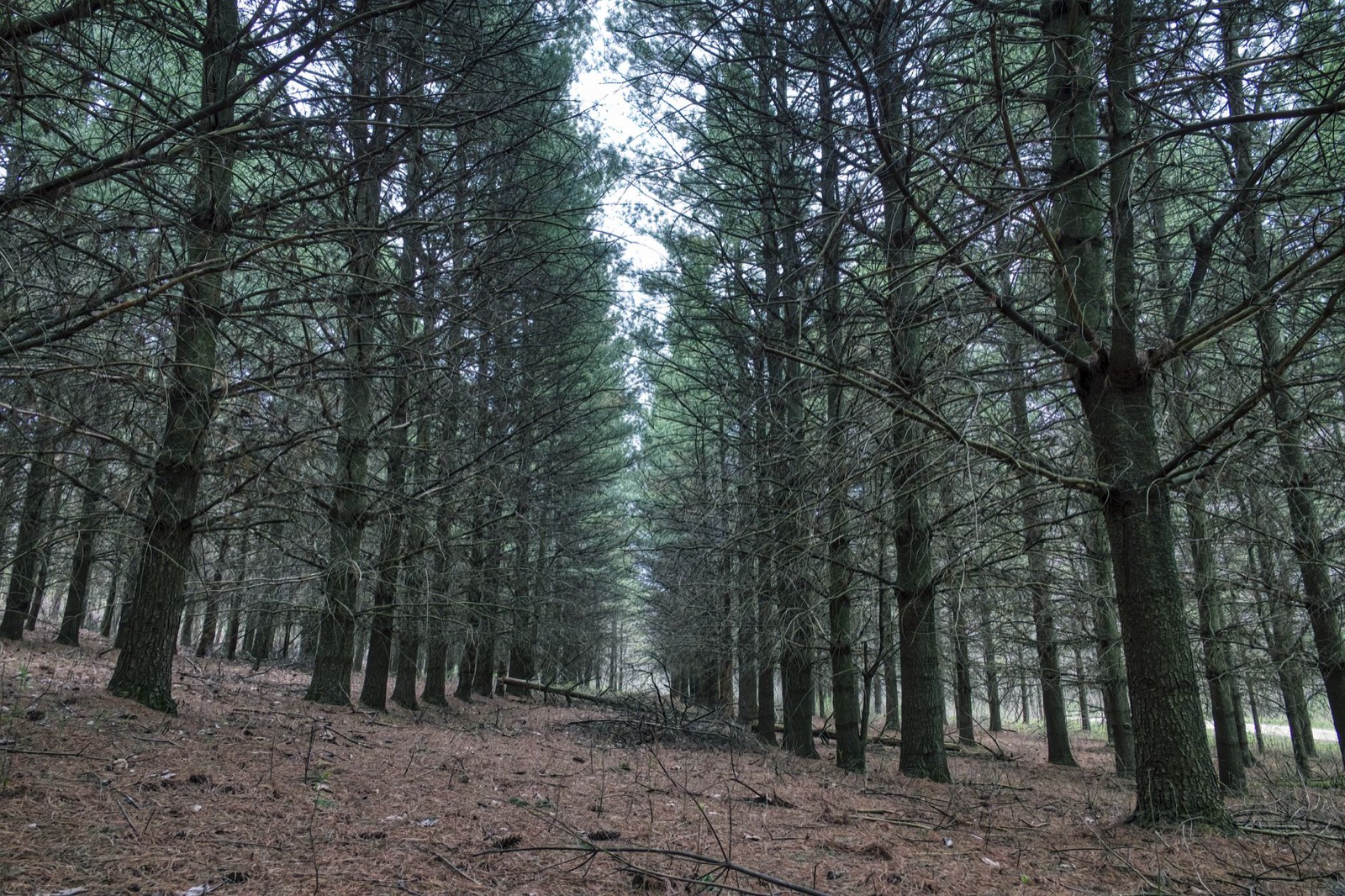
    Northern Michigan pine forest, the landscape surrounding the Lost Leaf grow facility.

    Our Kiwano cultivar, a tropical melon Zkittlez backcross, and Sake Bomb, our Gelato 33 × Sherbanger selection, both come from that lineage — hunted for flavour first, grown without pesticides or sterilizers, and never remediated. You can read more about how Lost Leaf grows micro-batch craft cannabis in Michigan or browse the current Lost Leaf apparel and grow document collection.

    Hand-trimmed craft cannabis flower prepared for curing
    Hand-trimmed craft cannabis flower prepared for curing.

    If Zookies is your cultivar, the Zookies hoodie, the Zookies tee and the Zookies fitted tee are all part of our Michigan cannabis apparel range.

    Frequently Asked Questions

    Is Zookies an indica or a sativa?

    Zookies is a balanced hybrid, generally described as close to 50/50. In practice most consumers report it leaning slightly indica in effect, with the cerebral lift arriving first and body relaxation following.

    How strong is Zookies?

    Typical lab results fall between 23% and 27% THC, with some phenotypes reported closer to 30%. It is a potent cultivar and not the best starting point for someone with low tolerance.

    Who bred Zookies?

    Zookies was bred by Alien Labs in California, crossing Animal Cookies with Original Glue (GG#4).

    What does Zookies taste like?

    Toasted nut and cracked pepper on the inhale, with a citrus-and-diesel finish. The nuttiness comes from the Animal Cookies side and the gas from GG#4.

    Is Zookies good for making hash?

    Yes. Its resin production is one of its strongest traits, inherited from the GG#4 parent, which makes it a popular choice for solventless extraction.

    Educational content for adults 21+ in legal jurisdictions. Lost Leaf flower is available only through licensed Michigan provisioning centres — see our wholesale and stockist contact page for details.

    Related reading: How drying and curing preserve resin and terpenes.

    Related reading: Primal Punch, the other major GG#4 cross.

    Related reading: Gelato 33, the benchmark dessert cultivar.

    Related reading: Animal Cookies, its direct parent.

    Related reading: Fire OG, two generations back.

  • Starting a Video Blog

    Starting a Video Blog

    Audio

    An expert on Greek Art chanced to describe in my hearing one of the engraved gems in the Metropolitan Museum. He spoke of it as ‘certainly one of the great gems of the world,’ and there was something in his tone that was even more thrilling than his words. He might have been describing the Parthenon or Beethoven’s Mass,—such was the passion of reverence that flowed out of him as he spoke. I went to see the gem afterwards. It was badly placed, and for all artistic purposes was invisible. I suppose that even if I had had a good look at it, I should not have been able to appreciate its full merit. Who could?—save the handful of adepts in the world, the little group of gem-readers, by whom the mighty music of this tiny score could be read at sight.

    Light

    Nevertheless it was a satisfaction to me to have seen the stone. I knew that through its surface there poured the power of the Greek world; that not without Phidias and Aristotle, and not without the Parthenon, could it have come into existence. It carried in its bosom a digest of the visual laws of spiritual force, and was as wonderful and as sacred as any4 stone could well be. Its value to mankind was not to be measured by my comprehension of it, but was inestimable. As Petrarch felt toward the Greek manuscript of Homer which he owned but could not read, so did I feel toward the gem.

    Camera

    We may deal with the influence of the gem without striving exactly to translate its meaning into speech. We all concede its importance. We know, for instance, that the admiration of my friend the expert was no accident. He found in the design and workmanship of the intaglio the same ideas which he had been at work on all his life. Greek culture long ago had become a part of this man’s brain, and its hieroglyphs expressed what to him was religion. So of all monuments, languages, and arts which descend to us out of the past.

    Screen Capture

    Good usage has its sanction, like religion or government. We transmit the usage without pausing to think why we do so. We instinctively correct a child, without pausing to reflect that the fathers of the race are speaking6 through us. When the child says, ‘Give me a apple,’ we correct him—“You must say, ‘An apple.’” What the child really means, in fact, is an apple.

    Editing

    The same thing holds true of the other vehicles of idea, of painting, architecture, religion, etc., but since we have been speaking of language, let us continue to speak of language. Expressiveness follows literacy. The poets have been tremendous readers always. Petrarch, Dante, Chaucer, Shakespeare, Milton, Goethe, Byron, Keats—those of them who possessed not much of the foreign languages had a passion for translations.

    It is amazing how little of a foreign language you need if you have a passion for the thing written in it. We think of Shakespeare as of a lightly-lettered person; but he was ransacking books all day to find plots and language for his plays. He reeks with mythology, he swims in classical metaphor: and, if he knew the Latin poets only in translation, he knew them with that famished intensity of interest which can draw the meaning through the walls of a bad text. Deprive Shakespeare of his sources, and he could not have been Shakespeare.

  • Videomaking Tips for Beginners

    Videomaking Tips for Beginners

    Choose the Right Software

    I am here thinking of the whole body of the arts, the vehicles through which the spirit of man has been expressed. I am thinking also of the sciences,—whose refractory, belligerent worshipers are even less satisfied with any past expression than the artists are, for their mission is to destroy and to rearrange. They would leave nothing alive but themselves. Nevertheless, science has always been obliged to make use of written language in recording her ideas. The sciences are as much a part of recorded language as are the arts. No matter how revolutionary scientific thought may be, it must resort to metaphysics when it begins to formulate its ultimate meanings.

    Invest in a Fast Computer

    Now when you approach metaphysics, the Greek and the Hebrew have been there before you: you are very near to matters which perhaps you never intended to approach.

    You are back at the beginning of all things. In fact, human thought does not advance, it only recurs. Every tone and semi-tone in the scale is a keynote; and every point in the Universe is the centre of the Universe; and every man is the centre and focus of the cosmos, and through him passes the whole of all force, as it exists and has existed from eternity; hence the significance which may at any moment radiate out of anything.

    Watch Tutorials and Learn

    Anyone who has something to say is thus found to be in one sense a slave, but a rich slave who has inherited the whole earth. If you can only obey the laws of your slavery, you become an emperor: you are only a slave in so far as you do not understand how to use your wealth. If you have but the gift of submission, you conquer. Many tongues, many hands, many minds, a traditional state of feeling, traditional symbols,—the whole passed through the eyes and soul of a single man,—such is art, such is human expression in all its million-sided variety.

    Edit for a Story

    The age of machinery has peopled this continent with promoters and millionaires, and the work of a thousand years has been done in a century. The thing has, however, been accomplished at some cost. An ignorant man makes a fortune and demands the higher education for his children. But it is too late: he should have given it to them when he was in his shirt sleeves. All that they are able to receive now is something very different from education. In receiving it they drag down the old standards. School and college are filled with illiterates. The whole land must patiently wait till Learning has warmed back to life her chilled and starved descendants. Perhaps the child or grandchild of the fortune-builder will teach the children on his knee what he himself learned too late in life to stead him much.

    Master Color Correction

    The pure chromatic circle was limited, it is true; but, specific as it was, it appears to have been applied to innumerable objects, while it was circumscribed by qualifying characteristics. If we take a glance at the copiousness of the Greek and Roman terms, we shall perceive how mutable the words were, and how easily each was adapted to almost every point in the colorific circle.

    Watch A Lot of Films

    Because the film world had fascinated me always I had made a point of being posted on its people and their activities. I remembered the very first appearance of Stella Lamar back in the days of General Film, when pictures were either Licensed or Independent, when only two companies manufactured worth-while screen dramas, when any subject longer than a reel had to be of rare excellence, such as the art films imported from France for the Licensed program. In those days, Stella rose rapidly to prominence. Her large wistful eyes had set the hearts of many of us to beating at staccato rate.