Author: Leaf Lost

  • Michigan Cannabis Grower Licence Guide: Classes, Costs and Process

    Michigan Cannabis Grower Licence Guide: Classes, Costs and Process

    Michigan issues adult-use grower licences in three classes — Class A up to 100 plants, Class B up to 500, and Class C up to 2,000 — through the Cannabis Regulatory Agency (CRA). Prequalification costs $3,000, there is no cap on the number of grower licences, and your municipality must have opted in.
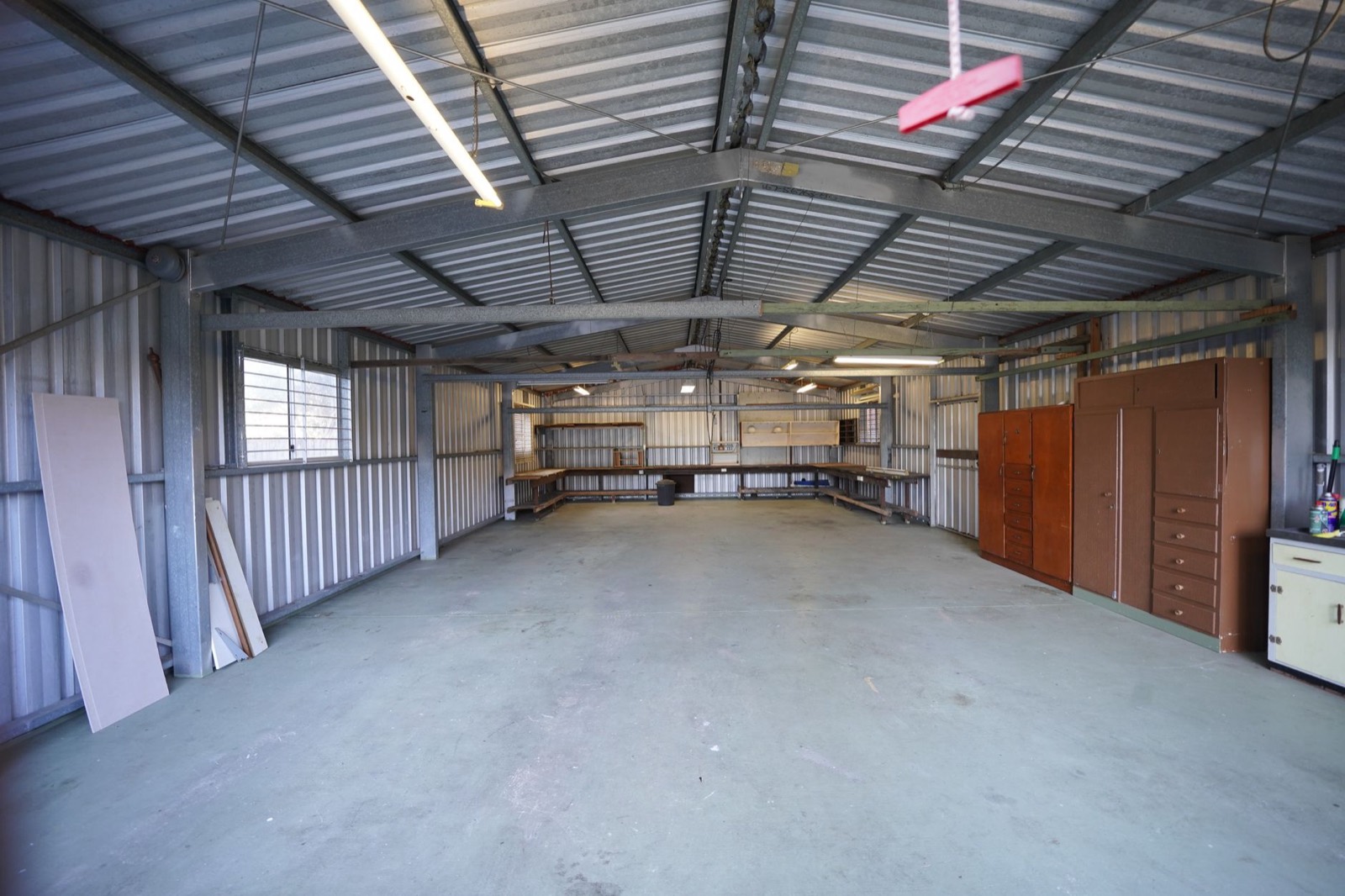
    Industrial facility interior representing a cannabis grow build-out
    Licensing is a paperwork exercise long before it is a growing one.

    That last point stops more applicants than any other. Michigan is a local-opt-in state, and a perfect application means nothing if the township has not adopted an ordinance permitting cannabis businesses. Checking the local ordinance is the first thing to do, before spending money on anything else.

    Grower Licence Classes

    ClassPlant limitTypical fit
    Class AUp to 100 plantsSmall craft operations
    Class BUp to 500 plantsMid-size producers
    Class CUp to 2,000 plantsLarge commercial facilities
    MicrobusinessUp to 150 plantsGrow, process and sell direct
    Michigan adult-use grower licence classes.

    Large operators commonly stack multiple Class C licences at one facility, which is how sites well beyond 2,000 plants operate legally. There is no cap on how many grower licences the CRA will issue overall.

    What It Costs

    ItemAmountNotes
    Prequalification$3,000Same for all licence types
    Application fee$4,000–$40,000Varies by licence type
    Annual assessment$2,000–$30,000Class A lowest, Class C highest
    Build-outHighly variableUsually the largest real cost
    Compliance systemsOngoingSeed-to-sale tracking, security, testing
    Indicative Michigan licensing costs.

    Treat these as indicative rather than current. Fees and requirements change, and the CRA is the authoritative source for what applies on the day you apply. This Michigan cultivation licensing overview is a useful orientation before you go to the regulator’s own documentation.

    The Two-Step Process

    1. Step 1 — Prequalification. Background checks on all applicants and financial disclosure. This establishes whether you are eligible at all.
    2. Step 2 — Establishment licensing. Tied to a specific property, with municipal approval, plans and inspections.

    Splitting it this way means you can establish eligibility before committing to a lease or build. Doing it in the other order is how people lose money.

    Inspections and the 60-Day Clock

    Once you submit, timelines become unforgiving.

    RequirementDeadlineConsequence of failure
    Pre-licensure inspectionWithin 60 days of submissionApplication denied
    Bureau of Fire Services inspectionWithin 60 daysApplication may be denied
    Municipal approvalBefore establishment licensingCannot proceed
    Michigan licensing deadlines that end applications.

    The practical implication is that you should not submit until the facility is genuinely ready. A premature submission burns the clock and the fee.

    Municipal Opt-In

    Michigan lets each municipality decide whether to permit cannabis businesses, and many have declined or capped the number of licences.

    • Check the ordinance first, before looking at property.
    • Ask about caps. Some opt-in municipalities limit licence numbers.
    • Understand local scoring. Capped municipalities often run competitive processes.
    • Verify zoning. Opting in does not mean every parcel qualifies.

    What Nobody Tells You About the Small End

    A Class A licence sounds like the accessible entry point, and in fee terms it is. The economics are harder than the number suggests.

    Inspection checklist representing pre-licensure compliance requirements
    Facility readiness has to precede submission, not follow it.

    Compliance costs do not scale down proportionally. Seed-to-sale tracking, security, testing and insurance cost broadly similar amounts whether you run 100 plants or 2,000, which means the per-gram burden on a small operation is considerably higher.

    Cost typeScales with size?Effect on small growers
    Licence feesYesManageable
    Security and complianceBarelyDisproportionate burden
    TestingPer batchSmall batches cost more per gram
    InsuranceBarelyDisproportionate burden
    LabourYes, if automatedHand-finishing is labour-intensive
    Why small-scale economics are harder than fees suggest.

    The way small producers survive is by not competing on price. Craft operations compete on quality, distinctiveness and relationships with provisioning centres — which is a different business to the one large-scale growers are running.

    Michigan craft cannabis production competing on quality rather than volume
    Compliance overhead falls hardest on the smallest operators.

    Michigan wholesale flower prices have fallen substantially since the market opened, which has squeezed everyone but hurt small producers most. Volume growers can absorb thinner margins; a 1,000 square foot room cannot.

    Business planning session for a Michigan cannabis licence application
    Michigan craft producers compete on quality rather than volume.

    That reality shapes what a small licence is actually for. If the plan is to sell commodity flower by the pound, the economics are punishing. If the plan is to grow something distinctive that buyers ask for by name, the small end is viable — but it is a brand business as much as a farming one.

    Coming From the Caregiver Market

    Many Michigan growers entering the licensed market came from the caregiver system, and the transition is a bigger adjustment than it looks.

    Security systems required for licensed cannabis facility compliance
    Documentation and tracking are the daily reality of licensed production.

    Our owner started growing in the caregiver market in 2012 and still takes pride in those roots. The cultivation skills transfer directly. What does not transfer is the compliance apparatus, the documentation, the tracking, and the reality of building a facility to code.

    Skill at growing plants and skill at running a licensed facility are different things, and the second one is what most applications actually test.

    Practical Sequence

    1. Confirm your municipality has opted in and check for caps.
    2. Complete prequalification before committing to property.
    3. Secure a compliant location with municipal approval.
    4. Build out fully — security, tracking, fire compliance.
    5. Only then submit and start the 60-day inspection clock.
    6. Plan for months of operating costs before first revenue.

    Underestimating the gap between step five and step six is the most common financial mistake. Licensing, build-out and the first crop cycle all consume money before a single gram is sold, and the runway required is routinely longer than applicants plan for.

    Documentation and tracking required in licensed cannabis production
    A licensed facility must be built to code before submission.

    Our own experience of this route is written up in the Lost Leaf grow document on getting into the white market. For the cultivation side, start with grow room climate and VPD, nutrients and feeding, and integrated pest management.

    Frequently Asked Questions

    How many plants can a Class A grower have in Michigan?

    Up to 100 plants. Class B allows up to 500 and Class C up to 2,000. Operators may stack multiple Class C licences at one facility.

    How much does a Michigan cannabis licence cost?

    Prequalification is $3,000 for all types. Application fees run roughly $4,000 to $40,000 and annual assessments $2,000 to $30,000 depending on licence type. Verify current figures with the CRA.

    Is there a cap on Michigan grower licences?

    The state does not cap grower licences. Individual municipalities may cap the number they permit locally, and many have.

    What is the 60-day rule?

    Facilities must pass pre-licensure and Bureau of Fire Services inspections within 60 days of submitting licence qualification applications, or the CRA may deny the application.

    Can I apply before I have a property?

    Yes. Prequalification covers background and financial checks and is not tied to a location. Establishment licensing requires a specific municipally-approved property.

    None of this is a reason not to pursue a licence. It is a reason to go in with accurate expectations about timelines, capital requirements and the amount of the job that has nothing to do with growing plants. The operators who struggle are usually the ones who budgeted for a grow and got a compliance business.

    General information for adults 21+, not legal advice. Requirements and fees change — consult the Michigan Cannabis Regulatory Agency and qualified counsel before applying.

    Related reading: What craft production actually means in practice.

    Related reading: Consumer-side Michigan cannabis rules.
  • Cannabis Irrigation and Watering: Frequency, Runoff and EC

    Cannabis Irrigation and Watering: Frequency, Runoff and EC

    Water cannabis by plant demand rather than on a fixed schedule: let the medium dry back partially between irrigations, aim for 10–20% runoff to prevent salt build-up, and judge timing by pot weight rather than surface appearance. Overwatering kills more indoor plants than underwatering.

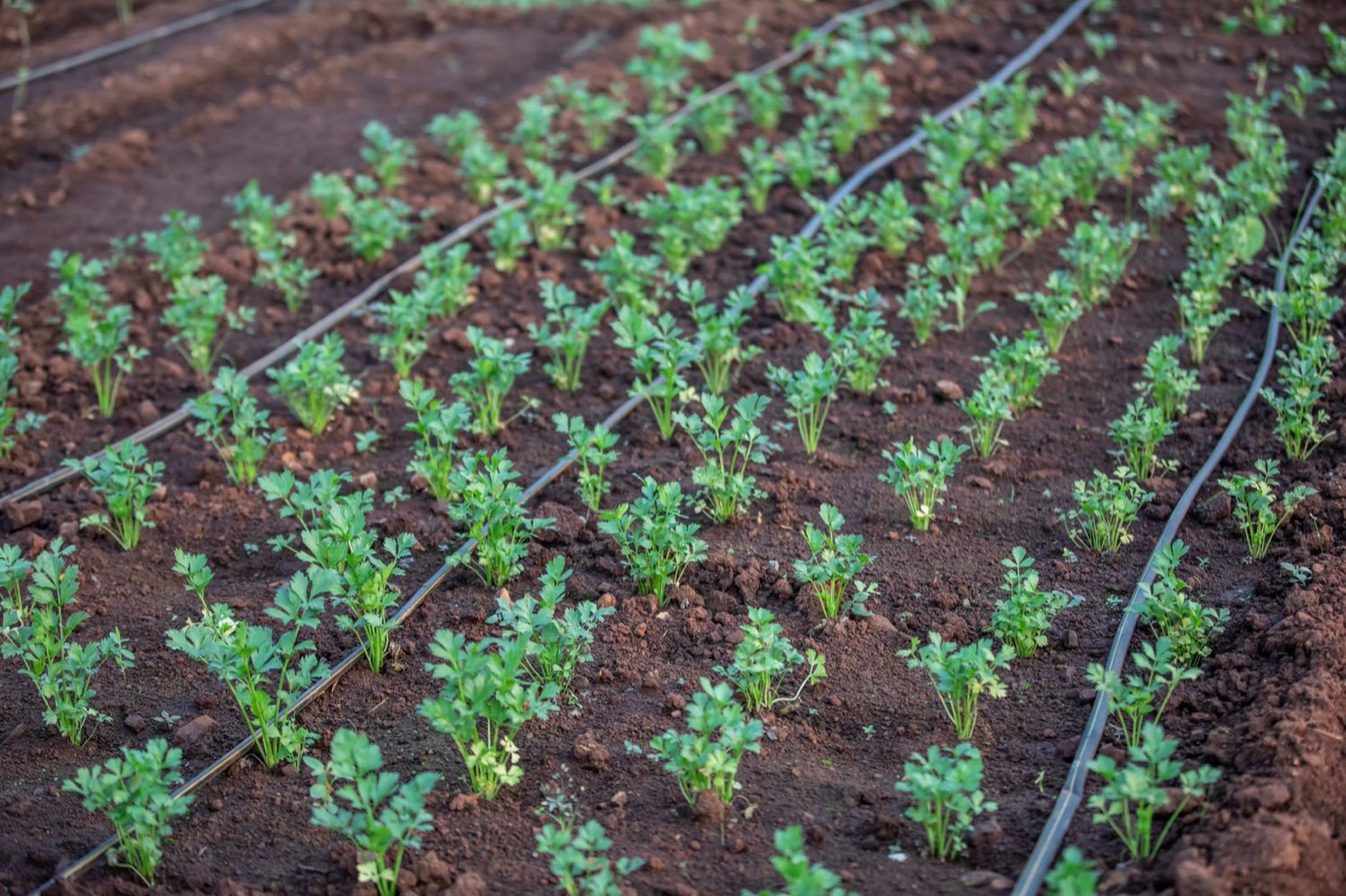
    Drip irrigation system providing even controlled water delivery
    Irrigation practice determines root health more than any additive.

    Watering looks like the simplest task in the room and is one of the easiest to get persistently wrong, because the symptoms of too much and too little look almost identical to an untrained eye and the instinctive correction for one makes the other considerably worse.

    Why Overwatering Is So Common

    Roots need oxygen as much as water. A medium held permanently saturated leaves no air space, roots suffocate, and uptake stalls.

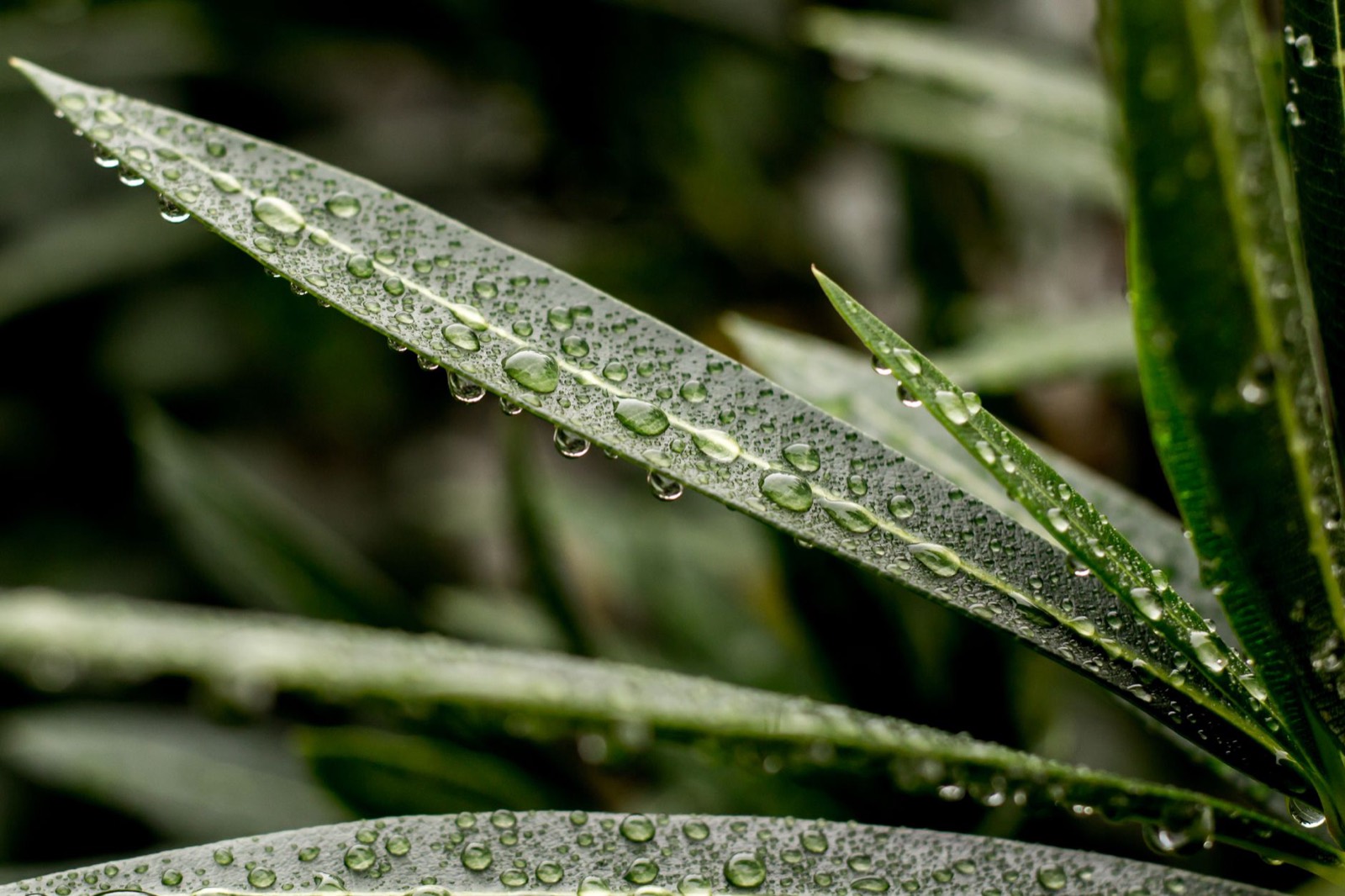
    Water droplets on a plant leaf illustrating humidity and irrigation interaction
    Even, controlled delivery matters more than volume.

    The plant then droops — which looks exactly like thirst. The grower waters again. The cycle accelerates.

    This single misreading probably accounts for more stalled indoor grows than nutrient problems, pest pressure and light issues combined. It is entirely avoidable, and the fix costs nothing.

    Controlled irrigation supporting root health and pest prevention
    Water droplets on foliage — humidity and irrigation are linked.

    The underlying principle is that roots need an oxygen phase as much as a water phase. Irrigation is not just delivering moisture — the dry-back between waterings is doing half the work.

    SymptomOverwateringUnderwatering
    Leaf postureDrooping, firm, curled downDrooping, limp, papery
    Medium weightHeavyVery light
    Recovery after waterNo improvement or worseRapid improvement
    Growth rateSlow, stalledSlow, then resumes
    Root healthBrown, soft, sometimes smellyDry but white
    Pest correlationFungus gnatsNone specific
    Telling overwatering from underwatering.

    The fastest diagnostic is weight. Lift the pot — or learn what a watered and a dry pot feel like on your bench. Surface appearance tells you almost nothing about what is happening at root depth.

    Water by Demand, Not by Calendar

    A fixed schedule ignores everything that actually drives water use: plant size, light intensity, temperature, humidity and stage.

    FactorEffect on water demand
    Plant sizeLarger canopy transpires more
    Light intensityHigher PPFD drives higher uptake
    TemperatureWarmer rooms increase transpiration
    VPDHigher VPD pulls more water through the plant
    Growth stagePeak demand in mid to late flower
    MediumCoco dries fastest, soil slowest
    What determines how often to water.

    Because transpiration is environmental, watering cannot be separated from climate. If your VPD is wrong, the plant will not drink correctly no matter how carefully you irrigate — see our LED grow room temperature, humidity and VPD guide.

    Runoff and Salt Management

    Runoff is the water that drains out the bottom. It is not waste — it is how accumulated salts leave the medium.

    • Target 10–20% runoff on each irrigation in coco and hydro.
    • Measure runoff EC and pH. Rising EC means salts are accumulating.
    • Compare in versus out. If runoff EC is much higher than input, reduce feed strength.
    • Do not chase zero runoff unless you are running a precision system that accounts for it.
    Runoff reading vs inputWhat it meansAction
    Runoff EC higherSalts accumulating; plant eating less than fedReduce feed strength
    Runoff EC similarBalancedContinue
    Runoff EC lowerPlant eating more than suppliedIncrease feed strength
    Runoff pH driftingMedium buffering failingCorrect input pH; consider a flush
    Reading runoff to steer a feed programme.

    This is where irrigation and feeding become the same conversation. Our cannabis nutrients guide covers EC and PPM targets by stage and how to distinguish lockout from genuine deficiency.

    Frequency by Medium

    MediumTypical frequencyDry-back approach
    Coco coirDaily, sometimes multiple timesSmall, frequent; never fully dry
    SoilEvery 2–4 daysAllow meaningful dry-back
    Living soilEvery 2–4 daysKeep biology alive; avoid extremes
    RockwoolMultiple daily in flowerControlled dry-back between shots
    DWC / hydroContinuousMonitor reservoir temperature and oxygenation
    Irrigation frequency by growing medium.

    The USDA Agricultural Research Service’s arid-land agricultural research programme publishes irrigation scheduling and water-use-efficiency research that generalises well to controlled environments.

    Water Quality

    What comes out of the tap varies enormously by region, and it changes what your nutrients actually deliver.

    1. Measure source EC first. Hard water already contains calcium and magnesium.
    2. Account for it in the feed. Adding full CalMag to hard water causes excess.
    3. Deal with chlorine and chloramine. They affect beneficial biology in organic systems.
    4. Watch water temperature. Cold water shocks roots; warm water holds less oxygen.

    Watering and Pest Pressure

    Persistently wet medium is the ideal fungus gnat habitat, and gnat larvae damage roots directly.

    Healthy white cannabis roots resulting from correct irrigation practice
    Controlled irrigation supports both root health and pest prevention.

    Letting the surface dry between irrigations breaks their breeding cycle without any product at all — one of the clearest examples of cultural control doing the work chemicals otherwise would. Our integrated pest management guide covers the wider approach.

    Root pathogens follow similar logic. Pythium and related problems establish in warm, oxygen-poor root zones, which is a description of a chronically overwatered pot or a reservoir running too warm.

    Drip emitters delivering even irrigation across a plant canopy
    Healthy root development follows correct irrigation practice.

    Fixing the irrigation regime removes the conditions rather than treating the symptom, which is both cheaper and more durable than any corrective product.

    Hand watering using a dry-back method between irrigations
    Drip delivery gives even, controlled irrigation across a canopy.

    We grow without pesticides or sterilizers, so watering discipline is part of the defence rather than just a growth input. Our full irrigation protocols are in the Lost Leaf irrigation and watering grow document.

    Frequently Asked Questions

    How often should I water cannabis?

    By demand rather than schedule. Coco often needs daily or more frequent irrigation; soil typically every two to four days. Judge by pot weight and dry-back, not the calendar.

    How much runoff should I aim for?

    Around 10–20% in coco and hydroponic systems. Runoff carries accumulated salts out of the medium and lets you measure EC and pH at the root zone.

    How do I know if I am overwatering?

    Drooping leaves that stay firm and curled, a heavy pot, no improvement after watering, and fungus gnats. Underwatered plants recover quickly once watered; overwatered ones do not.

    Should I water every day?

    In coco, often yes. In soil, rarely. Frequency depends on medium, plant size, light intensity and climate rather than a universal rule.

    Does water temperature matter?

    Yes. Cold water shocks roots and slows uptake; warm water holds less dissolved oxygen and encourages pathogens. Room temperature is a reasonable target.

    Hand Watering Versus Automation

    Automated irrigation is more consistent and saves considerable labour. It also removes the single most reliable diagnostic tool a small grower has: physically handling every plant several times a week.

    Hand wateringAutomated drip
    ConsistencyVariableHigh
    LabourSignificantLow after setup
    Early problem detectionExcellent — you touch every plantPoor unless you still inspect
    ScalabilityLimitedGood
    Failure modeMissed or double wateringBlocked emitter starves one plant silently
    Hand watering compared with automated irrigation.

    At our scale hand watering is practical, and the contact it forces is genuinely useful — problems get noticed early because someone is looking at every plant regularly rather than reading a controller.

    If you take one habit from this guide, make it weighing pots. It costs nothing, requires no equipment beyond your own hands, and it is the single most reliable way to know what is actually happening in the root zone rather than guessing from the surface.

    Educational content for adults 21+ growing legally in their jurisdiction. Check your local regulations before cultivating cannabis.

  • Cannabis Integrated Pest Management: Prevention Before Sprays

    Cannabis Integrated Pest Management: Prevention Before Sprays

    Integrated pest management combines cultural, biological and targeted chemical controls rather than relying on sprays. For cannabis the effective order is prevention first, monitoring second, biological controls third, and intervention last. Spider mites, the most damaging indoor pest, are slowed by raising humidity and lowering temperature — both environmental levers, not products.

    Close inspection of plant leaves during routine pest scouting
    Beneficial insects are a cornerstone of biological pest control.

    We grow without pesticides or sterilizers, which means IPM is not a philosophy here. It is the only defence available.

    The IPM Hierarchy

    TierApproachExamplesWhen it acts
    1. CulturalRemove conditions pests needAirflow, sanitation, quarantine, VPD controlBefore any pest arrives
    2. MonitoringDetect earlySticky traps, scouting, leaf inspectionContinuously
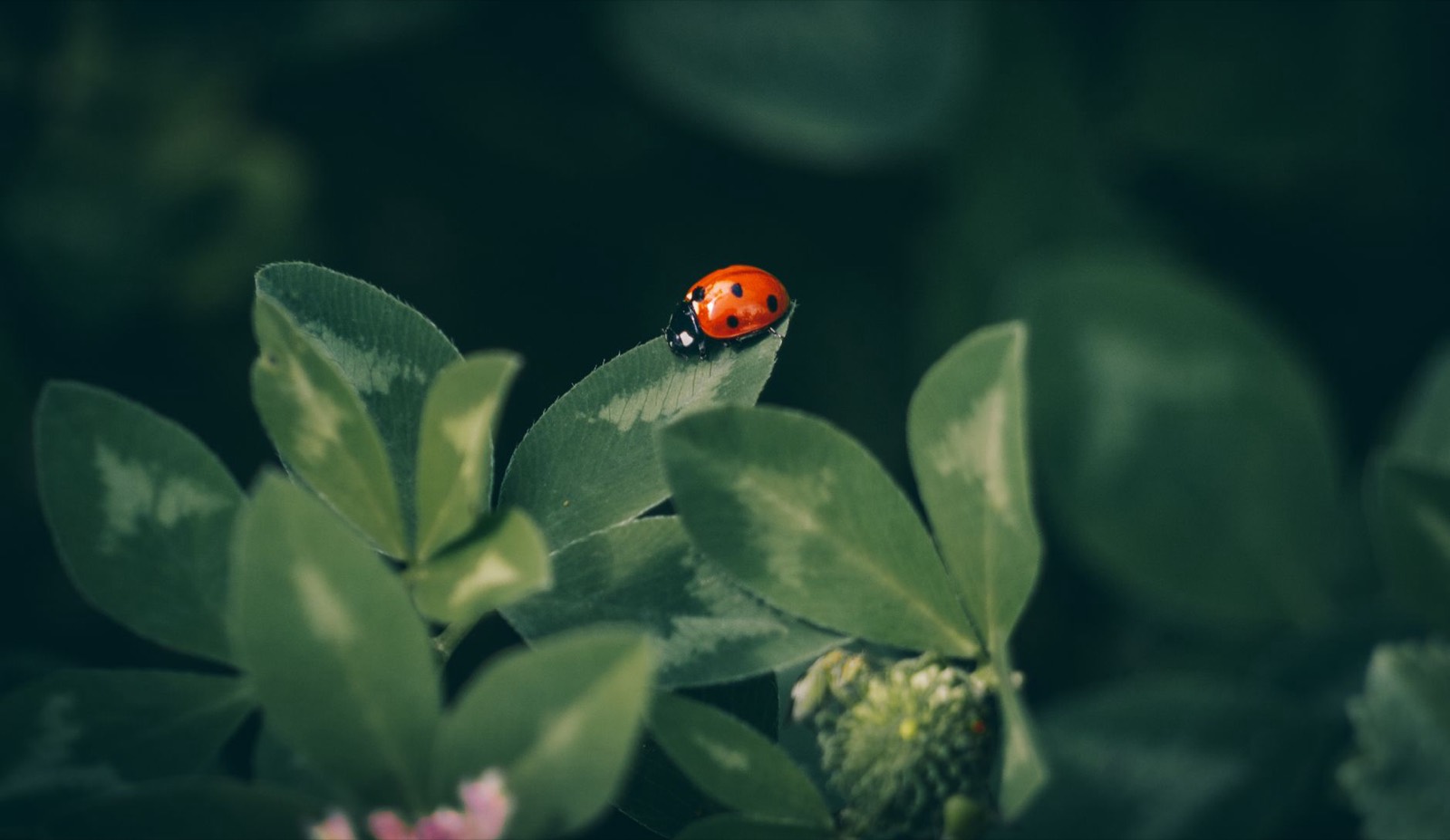
    3. BiologicalPredators and parasitesPredatory mites, ladybirds, lacewingsPreventatively and at first sign
    4. MechanicalPhysical removalPruning, wiping, isolating plantsOn detection
    5. TargetedLeast-toxic productsInsecticidal soap, botanical oilsLast resort, veg only
    The integrated pest management hierarchy for cannabis.

    The tiers are ordered deliberately. Every level you skip increases the chance of needing the level below it, and the bottom tier is the one you least want to reach on a flowering crop.

    Sticky trap monitoring for early pest detection in a grow room
    Regular close inspection catches problems while they are still small.

    Growers new to IPM often invert this, treating it as a list of products to apply when something goes wrong. That is not integrated pest management — that is reactive spraying with extra steps, and it produces exactly the residue problems the approach exists to avoid.

    Prevention Comes First

    Most indoor pest outbreaks are introduced, not spontaneous. They arrive on clones, on clothing, on tools, or through inadequate air filtration.

    1. Quarantine incoming plants. Never put an unverified clone straight into the room.
    2. Control entry. Dedicated clothing and footwear; wash hands between rooms.
    3. Sanitise between runs. Empty room, full clean, no shortcuts.
    4. Filter incoming air. Unfiltered intake is an open door.
    5. Remove plant debris. Dead leaves on the floor host problems.

    Propagating your own plants removes one of the biggest vectors entirely. Our guide to cloning cannabis in rockwool versus aeroponic systems covers keeping a clean mother rather than buying cuttings of unknown origin.

    Canopy airflow management as a frontline pest control measure
    Sticky traps provide an early-warning trend rather than a snapshot.

    Monitoring: Find It Early

    The difference between a nuisance and a lost crop is almost always how quickly you noticed.

    • Yellow sticky traps at canopy height catch fungus gnats, thrips and whitefly.
    • Scout weekly with a loupe, checking leaf undersides where mites live.
    • Watch the stress indicators. Stippling, fine webbing and silvering appear before you see the insect.
    • Keep records. Trap counts over time show a trend; a single count shows nothing.
    PestEarly signWhere to look
    Spider mitesFine stippling, later webbingLeaf undersides, growing tips
    ThripsSilvery streaks, black specksUpper leaf surfaces
    Fungus gnatsSmall flies at medium surfaceGrowing medium, traps
    AphidsSticky honeydew, curled growthNew growth, stems
    Powdery mildewWhite powdery patchesLower canopy, poor airflow zones
    BotrytisBrowning inside dense colasCola interiors in late flower
    Early detection signs by pest.

    Spider Mites: The Main Threat

    Spider mites feed on plant cells, causing stippling, discolouration, webbing and rapid decline. They reproduce fastest in warm, dry conditions — which describes a poorly managed flowering room precisely.

    Early pest damage visible on the underside of a plant leaf
    Airflow and canopy management are frontline pest controls.

    That gives you an environmental lever. Raising humidity disrupts their reproduction, and cooler setpoints slow feeding and can push populations toward diapause.

    ConditionEffect on spider mitesTrade-off
    Warm and dryPopulation explodesAlso the classic late-flower target
    Higher humidityReproduction disruptedRaises botrytis risk in dense flower
    Cooler temperatureFeeding slows, diapause triggeredSlower growth
    Strong airflowHarder to establish, webbing disruptedNone meaningful
    Environmental control of spider mite populations.

    This is where IPM and climate management stop being separate subjects. The same temperature, humidity and VPD targets that optimise growth also determine which pests can establish, and the two goals occasionally conflict.

    Biological Controls

    Predatory insects are the backbone of pesticide-free growing. They work best deployed preventatively, before a population establishes.

    PredatorTargetsNotes
    Phytoseiulus persimilisTwo-spotted spider miteFast, specialised; needs prey to persist
    Neoseiulus californicusSpider mitesMore tolerant; survives on low prey density
    Amblyseius speciesThrips, young mitesGood general preventative
    Ladybirds and lacewingsAphids, soft-bodied pestsBroad, less targeted
    Steinernema nematodesFungus gnat larvaeApplied to the medium
    Beneficial organisms used in cannabis IPM.

    The University of California’s Statewide Integrated Pest Management Program is the best free reference available on biological control and pest identification across crops.

    A clean well-managed grow room supporting pesticide-free cultivation
    Close inspection of leaf undersides is where mites are found first.

    Why We Do Not Spray

    Pesticide residue is a genuine problem in legal markets, and remediation — treating contaminated flower to make it pass testing — is widespread.

    We would rather take the loss than release something that is not up to our standards.

    We use no pesticides and no sterilizers, and we never remediate. If a run develops a problem we cannot manage preventatively, it does not go out. That is an expensive commitment in a 1,000 square foot room, and it is the reason environmental discipline matters so much here.

    Airflow through the canopy is the single highest-leverage control, which makes canopy training and defoliation a pest-management tool as much as a yield one. Watering practice matters too — see our irrigation and watering guide on overwatering and fungus gnats.

    Predatory insect released as part of a biological control programme
    A clean, well-managed room is the foundation of pesticide-free growing.

    Our full protocols are in the Lost Leaf integrated pest management grow document, part of the complete cultivation guide collection.

    Frequently Asked Questions

    What is IPM in cannabis growing?

    Integrated pest management combines cultural, biological, mechanical and targeted chemical controls in a hierarchy, prioritising prevention and monitoring over spraying.

    How do I get rid of spider mites without pesticides?

    Raise humidity and lower temperature to slow reproduction, improve airflow, remove affected material, and introduce predatory mites such as Phytoseiulus persimilis or Neoseiulus californicus.

    When should I release beneficial insects?

    Preventatively, before a population establishes. Predators introduced after an outbreak is visible are working from far behind.

    Can I use neem oil in flower?

    Avoid oils and soaps on flowering plants. They affect taste and can damage trichomes. Anything applied late in flower ends up in the finished product.

    What is remediation and why avoid it?

    Remediation treats contaminated flower so it passes testing. It is legal in many markets. We do not do it, because it addresses the test result rather than the underlying problem.

    Building an IPM Routine

    IPM fails most often not because the principles are wrong but because the routine lapses. Monitoring is boring, and it stops feeling necessary during the long stretches when nothing is wrong.

    FrequencyTask
    DailyVisual walk-through; check for wilting, stippling, anything unusual
    WeeklyLoupe inspection of leaf undersides; record sticky trap counts
    FortnightlyReview trap trend; top up beneficial predator populations
    Per runFull room sanitation between crops
    On intakeQuarantine and inspect anything entering the space
    A workable IPM schedule.

    Written records matter more than they seem to. A trap count means nothing in isolation; the same count compared against the previous four weeks tells you whether a population is building.

    Educational content for adults 21+ growing legally in their jurisdiction. Check your local regulations before cultivating cannabis.

    Related reading: Ruling out non-pest causes first.

  • Baijiu Strain: Garlic, Citrus and Blueberry Complexity

    Baijiu Strain: Garlic, Citrus and Blueberry Complexity

    Baijiu is a Lost Leaf in-house selection from Sherbcake × Garlic Cocktail, bred by Billytheroot. It is the outlier in our catalogue — garlic and citrus with a hint of blueberry, loud and genuinely complex, and a buzz that stays heady and clear.

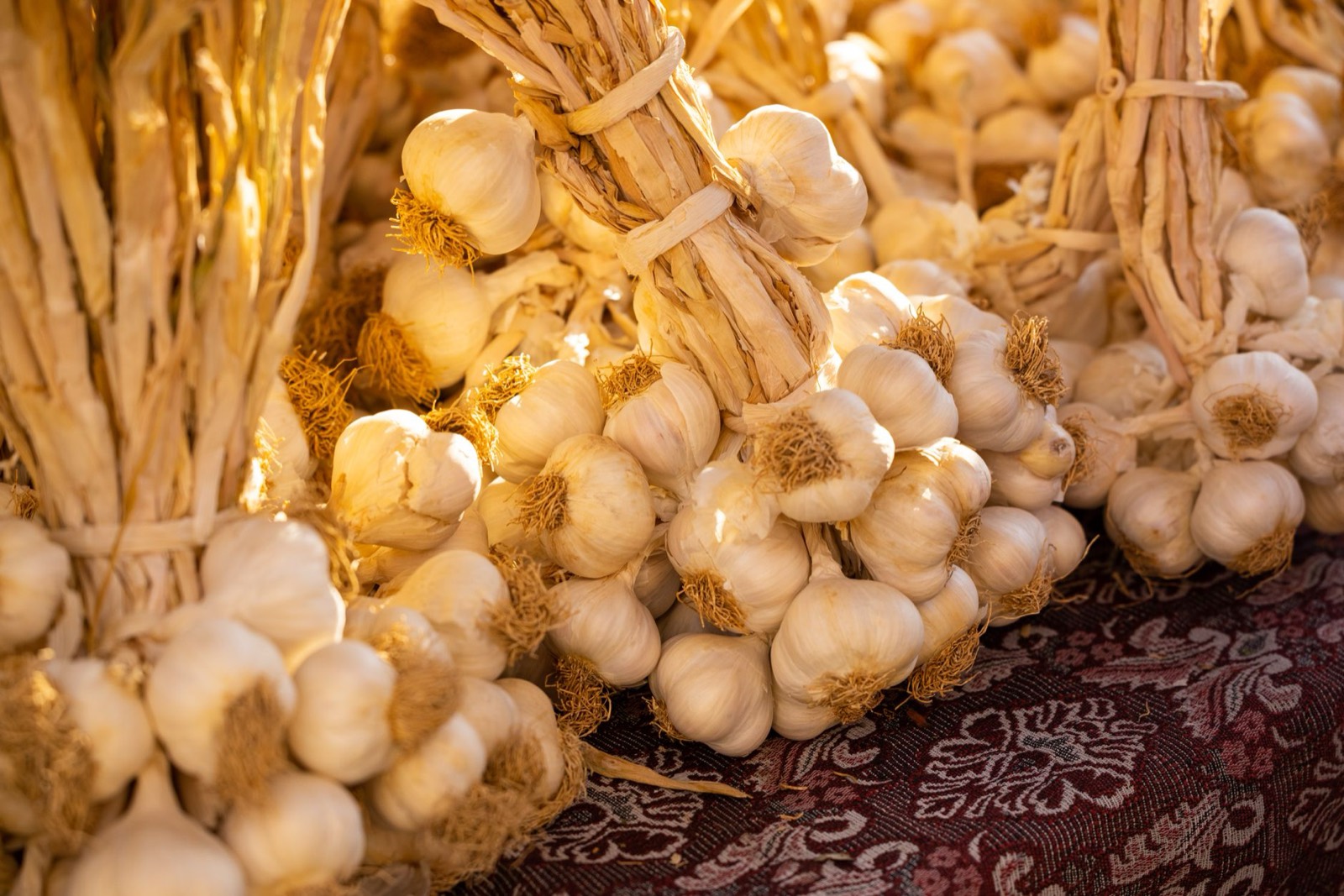
    Garlic bulbs as the flavour reference for the Baijiu terpene profile
    Baijiu is a savoury outlier in a catalogue of candy and gas cultivars.

    Almost everything else we grow sits somewhere on the candy-to-gas spectrum. Baijiu does not sit anywhere near it, and that is precisely why we kept it.

    Baijiu at a Glance

    AttributeDetail
    GeneticsSherbcake × Garlic Cocktail
    BreederBillytheroot
    SelectionHunted from seed in-house by Lost Leaf
    Terpene profileGarlic, citrus, hint of blueberry — loud and complex
    BuzzHeady, clear
    Pesticides / sterilizersNone
    RemediationNever
    AvailabilitySold out
    Baijiu specifications.

    Where the Garlic Comes From

    Garlic Cocktail is a GMO × Mimosa cross, originally bred by Uprising Seed Co and circulated as a clone-only cut.

    GMO — sometimes called Garlic Cookies — is the source of the savoury character. It is one of the few genuinely famous funk cultivars, known for a heavy garlic, onion and chemical-gas profile that divides opinion sharply. This GMO strain profile covers the parent line in more detail.

    Craft cannabis cured in glass to preserve a complex terpene profile
    Garlic is the unlikely reference point for this cultivar.

    Mimosa pulls in the opposite direction, contributing sweet citrus and berry. Garlic Cocktail sits between them — funk on the inhale, orange-soda sweetness on the exhale.

    Garlic Cocktail circulates as a clone-only cut, which makes it comparatively uncommon. Crossing it into Sherbcake was Billytheroot’s work, and the result keeps the tension between savoury and sweet rather than resolving it in either direction.

    Small-batch craft cannabis production in northern Michigan
    Craft cannabis cured in glass to preserve a complex terpene profile.

    Sherbcake brings the dessert side — creamy, rounded, resinous — which stops the garlic sitting on its own. That balance is what makes the cultivar work rather than simply being unusual.

    ComponentGeneticsContribution to Baijiu
    GMO (Garlic Cookies)Chemdawg × GSCGarlic, onion, savoury funk
    MimosaClementine × Purple PunchSweet citrus and berry lift
    Garlic CocktailGMO × Mimosa (Uprising Seed Co)The funk-and-citrus tension
    SherbcakeSherbert-line dessert crossCreamy rounding, resin
    The lineage behind Baijiu.

    A Savoury Cultivar in a Sweet Catalogue

    Cannabis terpene fashion has run heavily toward dessert and candy profiles for years. Funk cultivars have persisted anyway, because for the people who like them nothing else substitutes.

    Cannabis flower detail showing dense resin coverage
    Small-batch craft cannabis production in northern Michigan.

    Baijiu is not a subtle garlic note buried under sweetness. The garlic is present and forward, with citrus alongside it and a blueberry hint underneath. Loud and complex is the honest description.

    Savoury cannabis divides people more sharply than almost any other characteristic. Nobody is ambivalent about GMO-line genetics — the reaction is either immediate recognition or immediate rejection, and both are reasonable.

    Northern Michigan forest surrounding the Lost Leaf facility
    Cannabis flower detail showing dense resin coverage.

    We released it knowing it would not be for everyone. A catalogue where every cultivar is designed for broad appeal ends up tasting the same, and the whole reason to hunt from seed is to find things worth having an opinion about.

    Consumer typeLikely reaction
    Funk enthusiastsImmediately at home
    Dessert-profile regularsSurprising, sometimes divisive
    Flavour chasersCompelling for the complexity alone
    NewcomersUnusual as a first impression of craft cannabis
    Who Baijiu tends to suit.

    The Effect

    Heady and clear is how we describe it, and both words matter.

    It is cerebral rather than physical, and it does not carry the fog that heavier cultivars bring. Of everything we have released, Baijiu is the one that works best when you still need to think.

    • Character: heady, cerebral
    • Clarity: high — minimal fog
    • Body load: light
    • Best for: daytime and creative work

    Growing Notes

    GMO-line genetics are vigorous and pungent well before harvest. Odour control is a genuine consideration with anything carrying this heritage.

    1. Plan for smell. Funk cultivars announce themselves from veg onward.
    2. Airflow. Sherbert-line density plus GMO resin needs moving air.
    3. Do not over-defoliate. Vigorous plants still need their engine.
    4. Cure patiently. The garlic-citrus tension only resolves properly in glass.

    Our environmental protocols are in the LED grow room VPD guide, canopy work in plant training techniques, watering in the cannabis irrigation and watering guide, and the finish in harvesting, drying and curing.

    Where Baijiu Sits

    CultivarGeneticsTerpsBuzz
    BaijiuSherbcake × Garlic CocktailGarlic, citrus, blueberry hintHeady, clear
    SarcophagosRS11 × Coffin Candy (gas)Sour gas, Smarties backendStrong, euphoric
    Cherry LimettaMoonbow 112 IXLime, cherry, gas backendHeavy, cerebral
    KiwanoZbx2 Z × (Z × Strawberry Zkillato)Tropical sweet melon zestHeady euphoric
    Lou BegaMoonbow 112 IXComplex Z, doughy candyZ that hits
    Baijiu against the rest of the catalogue.

    Nothing else we grow is close to it. The nearest in clarity of effect is Kiwano; the nearest in loudness is Sarcophagos, though it is loud in a completely different direction. For the citrus side, Cherry Limetta.

    Availability

    Baijiu has sold through. Like the rest of our catalogue it was a single small batch rather than an ongoing production run.

    Dark botanical still life reflecting the complexity of the cultivar
    Northern Michigan forest surrounding the facility.

    Read more about our approach to micro-batch growing, follow the cultivation journal, or contact us about wholesale.

    Frequently Asked Questions

    What are Baijiu genetics?

    Baijiu is a Lost Leaf in-house selection from Sherbcake × Garlic Cocktail, bred by Billytheroot. Garlic Cocktail itself is a GMO × Mimosa cross.

    Does Baijiu really taste like garlic?

    Yes, and it is forward rather than subtle. Citrus sits alongside it with a blueberry hint underneath. The profile is loud and complex.

    What is GMO in cannabis?

    GMO, also called Garlic Cookies, is a Chemdawg × GSC cross known for a savoury garlic, onion and chemical-gas profile. It has nothing to do with genetic modification.

    Is Baijiu good for daytime use?

    It is the clearest-headed cultivar we have released. The effect is cerebral with a light body load and minimal fog, which suits daytime and creative work.

    Why is it called Baijiu?

    Baijiu is a strong Chinese grain spirit known for a pungent, polarising aroma and considerable strength — a fitting reference for a loud, complex, high-clarity cultivar.

    Savoury Terpenes and Why They Persist

    The compounds behind garlic and onion character in cannabis are sulphur-containing volatiles rather than conventional terpenes, which is part of why they smell so unlike anything else in the plant.

    They are also unusually persistent. Where bright citrus notes fade with time and heat, the savoury character in GMO-line cultivars holds up in the jar considerably longer.

    NoteSourceStability over time
    Garlic / onion funkSulphur volatiles (GMO line)High — persists well
    CitrusLimonene-dominant terpenesLow — fades first
    Blueberry hintSecondary terpene interactionModerate
    Creamy roundingSherbcake contributionModerate
    How the Baijiu profile ages.

    The practical upshot is that Baijiu holds its character in storage better than most of what we grow. The citrus softens over months while the funk stays put, so the balance shifts savoury with age rather than fading to nothing.

    Cultivars like Baijiu are also a useful reminder that cannabis flavour is far broader than the sweet end of the spectrum most menus advertise. Savoury, herbal and funk profiles have their own long history in the plant, and they reward anyone willing to look past the dessert names.

    Educational content for adults 21+ in legal jurisdictions. Lost Leaf flower is available only through licensed Michigan provisioning centres.

    Related reading: GMO, the source of the garlic funk.

    Related reading: Mimosa, the citrus half of Garlic Cocktail.

    Related reading: Purple Punch, behind Mimosa in the pedigree.

  • Starbury Strain: The Candy Pheno and Its Creeper Effect

    Starbury Strain: The Candy Pheno and Its Creeper Effect

    Starbury is the candy phenotype from Lost Leaf’s RS11 × Coffin Candy hunt, using Duke of Erb and Doja Pak genetics. It leads with strawberry Z and Smarties candy, and its defining trait is a delayed creeper effect that catches people out.

    Colourful candy representing the Starbury strawberry and Smarties profile
    Starbury leads with strawberry and candy notes.

    Its sibling from the same cross, Sarcophagos, went gas-forward and arrives fast. Starbury does the opposite in both respects, which makes the pair unusually useful for showing what a single cross is actually capable of producing when you grow enough plants to find out.

    Starbury at a Glance

    AttributeDetail
    GeneticsRS11 × Coffin Candy — candy phenotype
    BreederDuke of Erb × Doja Pak
    SelectionHunted from seed in-house by Lost Leaf
    Terpene profileStrawberry Z with Smarties mixed in
    BuzzStrong, creeper
    Sibling phenoSarcophagos (gas phenotype from the same cross)
    Pesticides / sterilizersNone
    AvailabilitySold out
    Starbury specifications.

    The Creeper Problem

    A creeper is a cultivar whose full effect arrives well after you expect it. Instead of landing within a few minutes, it builds gradually and peaks considerably later.

    Resin-heavy cannabis flower characteristic of RS11 genetics
    Strawberry and candy notes define the Starbury terpene profile.

    The practical consequence is predictable. Someone consumes, feels little after ten minutes, concludes the flower is mild, and consumes more. Twenty minutes later both doses arrive together.

    Royal Queen Seeds has a useful explainer on creeper strains and why onset varies so much between cultivars and individuals.

    Time after consumptionTypical creeper experienceCommon mistake
    0–10 minLittle to nothing noticeableAssuming it is weak
    10–20 minFirst subtle signsHaving already redosed
    20–40 minFull effect arrivesBoth doses landing at once
    40–90 minPeak, stronger than intendedWaiting it out
    How a creeper cultivar typically unfolds.

    How to approach it

    1. Take one modest dose.
    2. Wait a full 45 minutes before considering more.
    3. Judge by the peak, not the first ten minutes.
    4. Treat an unfamiliar cultivar from this cross as a creeper until proven otherwise.

    Onset varies for reasons that have little to do with the flower itself. Metabolism, tolerance, whether you have eaten, and consumption method all shift the timeline substantially.

    Craft cannabis packaged in-house at a small Michigan facility
    Resin-heavy flower characteristic of RS11 genetics.

    What makes a cultivar a creeper is that the delay is consistent across people rather than occasional. Starbury does this reliably enough that we consider it a defining characteristic rather than a quirk.

    Two Phenos, One Cross

    Starbury and Sarcophagos came from the same packs. Selecting both was deliberate — they demonstrate the range hiding inside a single cross.

    Starbury (candy pheno)Sarcophagos (gas pheno)
    Lead noteStrawberry ZSour gas
    BackendSmarties candySmarties candy
    OnsetDelayed creeperFast
    BuzzStrong, buildsStrong, immediate
    SuitsPatient consumersGas chasers
    The two keepers from one RS11 hunt.

    The Coffin Candy side supplies the confectionery backend in both. What separates them is how much RS11 fuel character each plant expressed on top of it. The full Sarcophagos profile covers the other half of this hunt.

    The RS11 Background

    RS11, or Rainbow Sherbert #11, came from Doja Pak working with Deep East Oakland and Wizard Trees. The Rainbow Sherbert line was developed out of OZ Kush seed, with phenotypes selected for sweet, fruit-forward expressions and heavy resin.

    Craft cannabis flower detail showing heavy resin coverage
    Craft cannabis packaged in-house at a small Michigan facility.

    Starbury sits firmly on that fruity side of the family. The strawberry note is the RS11 heritage showing clearly, rather than being buried under fuel as it is in its sibling.

    RS11 built its reputation on two things: extraordinary resin production and a sweet profile that stayed distinctive in a market crowded with dessert crosses. Both carried through into this selection.

    Confectionery reference for the Smarties candy backend
    Craft cannabis flower detail showing heavy resin coverage.

    The Coffin Candy side adds the Smarties-like confectionery note that sits behind the strawberry. It is the same backend Sarcophagos carries, which is the clearest evidence the two really did come from one cross despite how differently they present.

    Growing Notes

    RS11-line plants produce enormous amounts of resin, which is the attraction and the workload.

    • Airflow is non-negotiable. Sticky, dense flower in still air invites botrytis.
    • Handle gently at trim. Greasy cultivars shed trichomes easily.
    • Do not push the feed. Candy and fruit notes fade under heavy late nitrogen.
    • Dry slowly. Strawberry notes are volatile and a rushed dry removes them.

    Environmental targets are covered in our LED grow room VPD guide, pest prevention without sterilizers in our integrated pest management guide, and the finish in harvesting, drying and curing cannabis.

    Where Starbury Sits

    CultivarGeneticsTerpsOnset
    StarburyRS11 × Coffin Candy (candy)Strawberry Z with SmartiesDelayed creeper
    SarcophagosRS11 × Coffin Candy (gas)Sour gas, Smarties backendFast
    KiwanoZbx2 Z × (Z × Strawberry Zkillato)Tropical sweet melon zestFast
    PandemoniumZ × SherbangerCandy and gasQuick, euphoric
    Lou BegaMoonbow 112 IXComplex Z, doughy candyFaster than expected
    Starbury among the candy-forward cultivars.

    For another strawberry-adjacent Z cultivar, Kiwano shares Strawberry Zkillato in its pedigree. For candy with more immediate impact, Pandemonium.

    Availability

    Starbury has sold through. Our releases are small single batches, hunted, grown and moved on from rather than kept in continuous rotation.

    Starbury craft cannabis cured in a sealed glass jar
    Confectionery reference for the Smarties candy backend.

    Follow the cultivation journal for drop updates or contact us about wholesale enquiries.

    Frequently Asked Questions

    What are Starbury genetics?

    Starbury is the candy phenotype from an RS11 × Coffin Candy cross using Duke of Erb and Doja Pak genetics, hunted from seed in-house by Lost Leaf.

    What is a creeper strain?

    One whose full effect arrives well after consumption — often 20 to 40 minutes rather than a few. The risk is redosing before the first dose has landed.

    How is Starbury different from Sarcophagos?

    Same cross, opposite phenotypes. Starbury is strawberry and candy with a delayed creeper onset; Sarcophagos is sour gas with a fast onset.

    What does Starbury taste like?

    Strawberry Z with Smarties-style candy mixed in. It is a fruit-forward, confectionery profile rather than a gas-driven one.

    How long should I wait before redosing?

    At least 45 minutes with any unfamiliar cultivar, and particularly with anything from this cross. Judge by the peak rather than the first ten minutes.

    Why Creepers Get a Bad Reputation

    Delayed onset is not a flaw in the flower. It is a mismatch between how the cultivar behaves and how people are used to consuming.

    Most consumption habits are built around fast feedback — take some, assess, adjust. That loop works fine with a cultivar that lands in five minutes and fails badly with one that takes forty.

    HabitWorks with fast-onsetWorks with creepers
    Assess after 10 minutesYesNo — nothing has happened yet
    Redose when underwhelmedUsually fineReliably too much
    Wait for the peakUnnecessaryEssential
    Start low with new flowerSensibleGenuinely important
    Why consumption habits matter more with creeper cultivars.

    Approached properly, a creeper is simply a longer, more gradual experience. Approached with a fast-onset mindset, it is an unpleasant surprise — and the flower gets blamed for the method.

    Fruit-forward cultivars like this one have a particular appeal in a market where gas and dessert profiles dominate the shelf. Strawberry that reads as genuine fruit rather than confectionery flavouring is harder to find than it should be, and it is one of the reasons this pheno earned its place in the catalogue over its siblings.

    Educational content for adults 21+ in legal jurisdictions. Lost Leaf flower is available only through licensed Michigan provisioning centres.

    Related reading: RS11, the parent of both keepers.

  • Lou Bega Strain: The Doughy Candy Side of Moonbow 112 IX

    Lou Bega Strain: The Doughy Candy Side of Moonbow 112 IX

    Lou Bega is a Lost Leaf in-house selection from Archive Seed Bank’s Moonbow 112 IX, the same Zkittlez × Do-Si-Dos line behind Cherry Limetta — but it expresses completely differently. Where Cherry Limetta went citrus, Lou Bega came out complex and doughy: candy with hints of gas, and a buzz we can only describe as Z that hits.

    Trichome-dense cannabis flower typical of the Moonbow line
    Lou Bega expresses the doughy candy side of the Moonbow line.

    Two keepers from one line, pulling in opposite directions. That is the argument for hunting seed rather than buying a proven cut.

    Lou Bega at a Glance

    AttributeDetail
    GeneticsMoonbow 112 IX — ((Z × Dosido) × (Z × Dosido))
    BreederArchive Seed Bank
    SelectionHunted from seed in-house by Lost Leaf
    Terpene profileComplex Z, doughy candy with hints of gas
    BuzzZ that hits
    Harvest date5 June 2024
    Pesticides / sterilizersNone
    RemediationNever
    AvailabilitySold out
    Lou Bega specifications.

    The Moonbow 112 IX Line

    Archive Seed Bank built Moonbow by crossing Zkittlez with a Do-Si-Dos phenotype. The goal was to keep the candy-fruit terpenes Zkittlez is famous for while correcting its weak yields and awkward structure.

    The #112 designation marks a phenotype selected from a large hunt for resin density and candy aromatics. Moonbow #112 IX is a later intercross of that selection — Archive have kept refining the line rather than freezing it. The Archive Moonbow 112 IX listing covers the breeder’s own description of the cross.

    ElementWhat it contributes
    ZkittlezCandy-fruit terpene base, dense resinous flower
    Do-Si-DosOG-derived potency, improved structure and weight
    #112 selectionResin density and candy-forward aromatics
    IX intercrossStabilised expression across the line
    What sits behind Moonbow 112 IX.

    One Line, Two Very Different Plants

    This is the most interesting thing about Lou Bega, and the reason it is worth reading alongside our Cherry Limetta profile.

    Craft cannabis cured in glass to develop the doughy candy profile
    Trichome-dense flower typical of the Moonbow line.

    Both came from Moonbow 112 IX. Both were selected by the same people in the same room on the same criteria. They smell almost nothing alike.

    Lou BegaCherry Limetta
    Lead noteComplex Z, doughy candyLime
    SecondaryHints of gasCherry
    FinishSweet, roundedGas
    BuzzZ that hitsHeavy smoke, cerebral
    Harvest5 June 2024Nov and Dec 2024
    CharacterClassic Z expressionCitrus outlier
    Two Moonbow 112 IX selections compared.

    If you want the citrus version of this line, read the full Cherry Limetta strain profile. Lou Bega is the plant that stayed closer to what the Moonbow name promises.

    What “Z That Hits” Means

    Zkittlez-dominant cultivars have a reputation for being pleasant and a little gentle. Excellent flavour, moderate impact.

    Lou Bega is not that. The terpene profile reads classic Z — sweet, doughy, candy-forward — and then the effect arrives with considerably more weight than the nose suggests.

    Small-batch cannabis production in a Michigan craft facility
    Craft cannabis cured in glass to develop the candy profile.

    That mismatch between what you smell and what you get is exactly why we kept it. It is a more interesting plant than a straightforwardly loud one.

    Northern Michigan forest beside the Lost Leaf grow facility
    Small-batch cannabis production in a Michigan craft facility.

    There is a broader point here about how people shop for cannabis. Nose is the first thing anyone judges, and a sweet, approachable jar sets an expectation of a gentle experience. Lou Bega breaks that assumption, which is either a pleasant surprise or a lesson depending on how much you took.

    Do-Si-Dos is where the weight comes from. It is an OG-derived line with a reputation for genuine potency, and in this pheno it stayed dominant in effect even as the Zkittlez side won the argument over flavour.

    • Nose: sweet, doughy, complex candy with gas underneath
    • Onset: faster than expected
    • Effect: substantial, physical, not subtle
    • Best for: evening, experienced consumers

    Growing Notes

    Moonbow crosses inherit Zkittlez density. Everything about running them well comes back to airflow and restraint.

    1. Airflow through the canopy. Dense flower in still air is how runs are lost.
    2. Feed conservatively late. Heavy nitrogen flattens the candy notes first.
    3. Train for an even canopy. Light distribution matters on a plant this dense.
    4. Cure properly. Doughy candy notes need weeks in glass to separate and sharpen.

    The environmental targets are in our LED grow room temperature and VPD guide, the feeding side in the cannabis nutrients guide, canopy management in topping, LST and SCROG techniques, and the finish in harvesting, drying and curing.

    Where Lou Bega Sits

    CultivarGeneticsTerpsBuzz
    Lou BegaMoonbow 112 IX (Archive)Complex Z, doughy candy, gas hintsZ that hits
    Cherry LimettaMoonbow 112 IX (Archive)Lime, cherry, gas backendHeavy, cerebral
    KiwanoZbx2 Z × (Z × Strawberry Zkillato)Tropical sweet melon zestHeady euphoric
    PandemoniumZ × SherbangerCandy and gasStrong, euphoric
    StarburyRS11 × Coffin Candy (candy)Strawberry Z with SmartiesStrong creeper
    Lou Bega among the Z-forward Lost Leaf cultivars.

    Almost everything we release carries Zkittlez somewhere in the pedigree. Kiwano takes it tropical, Pandemonium adds Sherbanger structure, and Starbury pushes it toward strawberry candy.

    Availability

    Lou Bega’s June 2024 harvest sold through and has not been re-run. We produce small single batches rather than keeping cultivars in continuous rotation.

    Hand-trimmed craft cannabis flower prepared for curing
    Northern Michigan forest beside the grow facility.

    That model has an obvious downside for anyone who finds something they like. It also means we are never sitting on ageing stock, and every drop reflects what the room was doing that season rather than a product line being maintained indefinitely.

    A 1,000 square foot room only holds so much. Choosing to run a cultivar again means choosing not to hunt something new, and so far the hunting has usually won.

    Confectionery reference for the doughy candy terpene profile
    Hand-trimmed craft flower prepared for curing.

    Follow the cultivation journal for drop announcements, read more about how we grow, or get in touch about stockist enquiries.

    Frequently Asked Questions

    What are Lou Bega genetics?

    Lou Bega is a Lost Leaf in-house selection from Archive Seed Bank’s Moonbow 112 IX, an intercross of the Zkittlez × Do-Si-Dos Moonbow line.

    How is Lou Bega different from Cherry Limetta?

    They come from the same Moonbow 112 IX line but express very differently. Lou Bega is doughy candy with gas hints; Cherry Limetta leads with lime over cherry.

    What does “Z that hits” mean?

    Zkittlez-dominant cultivars are often pleasant but moderate. Lou Bega has the classic Z terpene profile with noticeably more physical impact than the nose suggests.

    Is Lou Bega available?

    No. The June 2024 harvest sold through. Lost Leaf runs small single batches rather than continuous production of one cultivar.

    What is Moonbow 112 IX?

    An Archive Seed Bank cultivar from crossing Zkittlez with a Do-Si-Dos phenotype, with #112 marking a selected pheno and IX indicating a later intercross of that selection.

    Why the Name

    The cultivar is named after the singer behind a famously inescapable 1999 hit. The joke is that both are sweeter and more cheerful on the surface than the impact suggests.

    Our naming is not systematic. Cultivars get called whatever seemed appropriate in the room at the time, which is how a catalogue ends up containing Sarcophagos, Baijiu and Lou Bega without any obvious through-line.

    Educational content for adults 21+ in legal jurisdictions. Lost Leaf flower is available only through licensed Michigan provisioning centres.

    Related reading: The Zkittlez background to the Moonbow line.

    Related reading: The Do-Si-Dos parent behind Moonbow.

  • Cannabis Plant Training: Topping, LST, SCROG and Defoliation

    Cannabis Plant Training: Topping, LST, SCROG and Defoliation

    Low-stress training (LST) adds roughly 20–40% yield with no cutting and almost no risk, topping adds 20–35% by creating multiple colas, and SCROG combines both to produce the highest yield per light by holding an even canopy. Defoliation supports all three but should stay under 20–30% of foliage at once.

    Pruning shears making clean cuts for cannabis topping
    Training turns a single dominant cola into an even, productive canopy.

    Untrained cannabis grows one dominant cola and wastes light on everything below it. Training is simply the practice of turning one apex into many, at the same height.

    The Techniques Compared

    TechniqueStress levelTypical yield gainDifficultyBest for
    LST (tying down)Low20–40%EasyBeginners, any grow size
    ToppingHigh20–35%ModerateCreating multiple colas
    FIMHighSimilar to toppingModerateMore tops, less predictable
    SCROGLow (with a net)Highest per lightModerateMaximising a fixed footprint
    SOGNoneHigh per plant countEasyMany small plants, fast turnaround
    DefoliationModerateIndirectEasy to overdoLight penetration and airflow
    LollipoppingModerateImproves qualityEasyRemoving weak lower growth
    Cannabis training techniques compared by stress, yield and difficulty.

    Low-Stress Training

    LST means bending branches down and tying them in place so no single tip dominates. Nothing is cut, so there is no recovery period and effectively no risk of setting the plant back.

    1. Start in early vegetative growth while stems are still flexible.
    2. Bend the main stem gently to one side and secure it with soft plant ties.
    3. As side branches rise, tie them outward to keep the canopy flat.
    4. Adjust every few days — the plant will keep trying to reassert an apex.
    5. Stop adjusting once flowering stretch finishes.

    If you only ever learn one technique, learn this one. It works in any medium, at any scale, and costs nothing but attention.

    Topping and FIM

    Topping removes the growing tip above a node, which forces the plant to send energy to the two shoots below it. One cola becomes two, and repeated topping multiplies from there.

    Trellis netting supporting an even SCROG cannabis canopy
    Clean cuts and sterile tools keep high-stress training low-risk.

    FIM (“F’d I Missed”) is a partial cut of the same tip that can produce four shoots instead of two, but results are less consistent.

    ToppingFIM
    CutClean, above a nodePartial — roughly 75% of the tip
    Typical resultTwo even colasThree to four, uneven
    Recovery3–7 daysShorter
    PredictabilityHighLower
    Best forStructured, even canopiesMaximum tops, less symmetry
    Topping versus FIM.

    Timing matters. Top after the plant has at least four to five nodes, and stop topping well before the flip so the plant has time to recover.

    SCROG

    Screen of Green is LST with a trellis net doing the work. A horizontal screen sits above the plant and branches are tucked under and through it as they grow.

    Even cannabis canopy improving light distribution and airflow
    Trellis netting holds an even canopy through flowering.

    The screen forces a flat, even field of colas and then holds it there through flowering — which also solves the support problem when the flower gets heavy.

    • Install the net early, before the canopy fills in.
    • Tuck, do not force. Weave new growth under the screen every couple of days.
    • Fill the screen before flipping. Roughly 70–80% coverage is a good trigger.
    • Stop tucking once stretch ends; let the colas rise through.

    Defoliation and Lollipopping

    Defoliation improves light penetration and airflow, both of which matter enormously on dense cultivars grown without sterilizers.

    Careful pruning and training used to shape a cannabis canopy before flowering
    An even canopy improves both light distribution and airflow.

    It is also the technique most often overdone. Leaves are the plant’s engine, and stripping them sets growth back.

    RuleDetail
    Maximum at once20–30% of foliage
    Best windowEarly flower, weeks 1–3
    Stop afterWeek 3 of flower
    Target leavesInterior and downward-facing, clearly blocking bud sites
    Leave aloneHealthy fan leaves receiving direct light
    Safe defoliation limits.

    Lollipopping removes weak lower growth that would only produce airy, larfy flower. It concentrates the plant’s resources into the canopy where the light actually is. Do it just before the flip.

    Combining Techniques

    These are not alternatives. The standard indoor recipe stacks them.

    1. Top once or twice in early veg to create multiple colas.
    2. LST those colas outward to spread the canopy.
    3. Install a SCROG net and weave growth through it.
    4. Lollipop the understory just before flipping to flower.
    5. Defoliate lightly in weeks 1–3 of flower for light and airflow.

    Each step compounds the last. Topping creates the colas, LST distributes them, the screen locks the field in place, and lollipopping stops the plant wasting energy below it.

    Training Affects More Than Yield

    An even canopy is not only about weight. It changes airflow, light distribution and therefore disease pressure.

    Rows of trained plants in a controlled indoor growing environment
    Careful pruning and training shape the canopy before flowering.

    That matters more when you grow without pesticides or sterilizers, as we do. A flat, open canopy with air moving through it is a preventative measure, not just a productivity one.

    Vegetative plant care during the cannabis training window
    Vegetative plant care during the cannabis training window.

    Oregon State University’s extension service publishes practical horticultural guidance on pruning and plant training that generalises well beyond any single crop.

    Our full training procedures are in the Lost Leaf plant training grow document, available individually or in the complete grow document package.

    Frequently Asked Questions

    What is the best cannabis training technique for beginners?

    Low-stress training. It requires no cutting, carries almost no risk of setting the plant back, and typically adds 20–40% yield on its own.

    When should I top cannabis plants?

    Once the plant has four to five nodes, during vegetative growth. Stop topping well before flipping to flower so the plant has time to recover.

    How much can I safely defoliate?

    No more than 20–30% of foliage at once, focused on interior and downward-facing leaves that block bud sites. Stop after week three of flower.

    Is SCROG better than LST?

    SCROG is LST with a net enforcing the canopy, so it is an extension rather than an alternative. It generally produces the highest yield per light in a fixed footprint.

    Can I train autoflowering plants?

    Low-stress training yes, carefully. High-stress techniques like topping are riskier because autoflowers run on a fixed timeline and may not recover before flowering begins.

    Common Training Mistakes

    MistakeConsequenceBetter approach
    Topping too latePlant flowers before recoveringStop at least two weeks before the flip
    Over-defoliatingStalled growth, reduced yieldStay under 20–30% at a time
    Tying too tightStems girdle and snapSoft ties, checked and loosened regularly
    Installing the net lateBranches too rigid to weaveScreen goes up before the canopy fills
    Training through stretchDamaged flowering sitesStop once stretch finishes
    Training errors and how to avoid them.

    The thread running through all of these is timing. Training is a vegetative-stage activity, and the window closes once the plant commits to flowering. Work with that window rather than against it and most of the difficulty disappears.

    Educational content for adults 21+ growing legally in their jurisdiction. Check your local regulations before cultivating cannabis.

  • Harvesting, Drying and Curing Cannabis: The Complete Timeline

    Harvesting, Drying and Curing Cannabis: The Complete Timeline

    Harvest cannabis when roughly 80–90% of trichomes on the calyxes are cloudy and 10–20% have turned amber. Dry at 60–70°F and 50–60% relative humidity over 7–14 days, then cure in sealed jars at 60–65% humidity for two weeks or more.

    Macro view of cannabis trichomes used to judge harvest timing
    Trichome maturity is the most reliable harvest indicator available.

    Everything you did in the room can be undone in the last three weeks. Harvest timing sets the effect, the dry sets the smoothness, and the cure sets the flavour.

    Reading Trichomes

    Pistils browning is a rough guide. Trichomes are the actual signal, and you need a jeweller’s loupe or a cheap USB microscope to read them properly.

    Look at trichomes on the calyxes, not the sugar leaves. Sugar-leaf trichomes mature earlier and will tell you to chop too soon.

    Trichome stateWhat it meansEffect if harvested here
    ClearImmature resin, cannabinoids still developingWeak, often unpleasant
    Cloudy / milkyPeak cannabinoid contentMost potent, energetic, cerebral
    Mostly cloudy, some amberPeak with early degradationBalanced — the usual target
    AmberTHC degrading to CBNSedative, heavier body
    Mostly amberWell past peakNarcotic, dulled flavour
    What each trichome stage indicates at harvest.

    Choosing your window

    • Cerebral, bright effect: harvest at mostly cloudy with almost no amber.
    • Balanced: 80–90% cloudy, 10–20% amber. Most growers land here.
    • Heavy, sedating: allow 30%+ amber.

    The Dry

    This is where most quality is lost. A fast, hot dry strips terpenes and leaves a harsh smoke no amount of curing will rescue.

    ParameterTargetWhy
    Temperature60–70°FHigher volatilises terpenes
    Relative humidity50–60%Lower dries the outside before the inside
    Duration7–14 daysSlow and even beats fast
    AirflowGentle, indirectDirect fans on flower dry unevenly
    LightComplete darknessLight degrades cannabinoids
    Target drying conditions for cannabis.

    The stem-snap test is the traditional readiness check: smaller stems should snap rather than bend. If they bend, it needs longer.

    Microscope used to inspect cannabis trichome maturity before harvest
    A loupe or microscope is essential for reading trichome maturity accurately.

    Resist the urge to speed things up with heat or a dehumidifier set aggressively. A dry finished in four days will smoke harshly regardless of how good the flower was on the plant, and no cure fully recovers it.

    Whole-plant versus bucked

    Hanging whole plants slows the dry because moisture has to travel further, which is usually an advantage. Bucking branches down speeds things up and suits smaller spaces.

    Slow dark drying process that preserves cannabis terpenes
    Slow, dark drying preserves the terpenes developed during the grow.

    Wet trimming before the dry is faster and produces tidier flower. Dry trimming preserves more trichomes but takes longer and needs more room. We hand-trim, which costs time and protects resin.

    Machine trimming is the obvious efficiency at scale, and it is also where a great deal of trichome damage happens. A tumbler knocks resin off flower no matter how gently it is run.

    Sealed glass jars used for curing cannabis at controlled humidity
    Sealed glass storage at controlled humidity is where flavour develops.

    At our size that trade is easy to refuse. Everything is trimmed by hand by the owner and his wife, which is slow, and which is the point — the flower reaching the jar looks the way it looked coming off the plant.

    The Cure

    Curing is a slow, controlled release of remaining moisture while enzymes break down residual chlorophyll and sugars. It is what removes the grassy note from freshly dried flower, and it is the stage most often cut short by growers impatient to see the result.

    1. Jar at the right point. Too wet invites mould; too dry and the cure does nothing.
    2. Target 60–65% RH inside the jar. A small hygrometer removes the guesswork.
    3. Burp daily for the first two weeks. Open, let it breathe a few minutes, reseal.
    4. Then taper. Weekly burps once humidity stabilises.
    5. Keep it dark and cool. Light and heat undo the work.
    Cure stageDurationWhat changes
    Week 1–2Daily burpingMoisture equalises; grassy notes fade
    Week 2–4Weekly burpingFlavour sharpens and separates
    Week 4–8StorageComplexity develops; smoothness improves
    Beyond 8 weeksLong-termDiminishing returns; stability is the goal
    What happens during each phase of the cure.

    Terpenes are volatile compounds and their retention through drying and curing is an active area of plant science research — this Frontiers in Plant Science paper covers terpene biosynthesis and behaviour in more depth.

    Troubleshooting

    ProblemCauseFix
    Grassy, hay-like smellUnder-cured, dried too fastLonger cure; nothing else will fix it
    Harsh smoke, black ashRushed dry or residual nutrientsSlower dry; taper feed late in flower
    Mould in the jarJarred too wetDiscard affected flower; re-dry the rest
    Flower crumbles to dustOver-driedRehydrate slowly with a humidity pack
    Smell faded after weeksHeat or light exposureStore cool and dark in sealed glass
    Common drying and curing failures.

    Why This Stage Decides Everything

    We select every cultivar we release primarily for flavour. That selection is worthless if the finish is rushed.

    Cured craft cannabis flower ready for licensed retail
    Cured craft cannabis ready for licensed retail.

    Our cultivars are hunted from seed in-house and grown without pesticides or sterilizers, on a nutrient program tuned for smoothness and smokability. The dry and cure are the last chance to protect all of it — and the easiest place to lose it.

    You can taste the difference on gas-forward cultivars especially. Sarcophagos loses its sour top notes to a fast dry, and Cherry Limetta needs weeks in glass before the lime sharpens properly.

    Finished cannabis flower showing the result of a slow dry and cure
    Finished cannabis flower showing the result of a slow dry and cure.

    The stages before this one matter too: grow room climate and VPD determines terpene development, and feeding determines how clean the flower finishes. Our full procedures are in the Lost Leaf harvesting, drying and curing grow document.

    Frequently Asked Questions

    When should I harvest cannabis?

    When roughly 80–90% of calyx trichomes are cloudy and 10–20% have turned amber. Check calyxes rather than sugar leaves, which mature earlier.

    What temperature and humidity should I dry at?

    60–70°F and 50–60% relative humidity, in complete darkness with gentle indirect airflow, over 7–14 days.

    How long should cannabis cure?

    Two weeks minimum, though flavour continues developing for four to eight weeks. Burp jars daily for the first fortnight, then weekly.

    Why does my cannabis smell like hay?

    It was dried too quickly or has not cured long enough. Chlorophyll has not broken down. A longer cure is the only fix.

    Should I wet trim or dry trim?

    Wet trimming is faster and tidier. Dry trimming preserves more trichomes but needs more space and time. Hand-trimming either way protects resin better than machine trimming.

    Storing Flower After the Cure

    A good cure can still be undone by careless storage. Cannabinoids and terpenes degrade with exposure to light, heat, oxygen and excessive handling.

    FactorTargetWhat goes wrong
    ContainerSealed glassPlastic leaches and holds static
    Humidity58–62% RHToo dry crumbles; too wet risks mould
    TemperatureCool and stableHeat accelerates cannabinoid degradation
    LightComplete darknessUV breaks down THC quickly
    HandlingMinimalEvery touch knocks trichomes off
    Storage conditions that preserve a finished cure.

    Two-way humidity packs are worth using for anything kept beyond a few weeks. They hold the jar in range without the daily attention a fresh cure demands.

    Educational content for adults 21+ growing legally in their jurisdiction. Check your local regulations before cultivating cannabis.

    Related reading: How savoury terpene profiles age in the jar.

    Related reading: Why terpenes fade and how to protect them.

    Related reading: The hashish tradition behind solventless methods.

    Related reading: Solventless hash and rosin explained.

  • Cannabis Nutrients Guide: NPK, Feeding Schedules and Deficiencies

    Cannabis Nutrients Guide: NPK, Feeding Schedules and Deficiencies

    Cannabis needs nitrogen-heavy feed in vegetative growth (around 3-1-2 NPK) and shifts to phosphorus and potassium in flower (around 1-3-4), running roughly 400–800 PPM in veg and peaking near 1,000–1,400 PPM in mid flower. Root-zone pH should sit at 6.0–6.8 in soil and 5.5–6.2 in coco or hydro.

    Healthy cannabis canopy indicating a well-balanced feeding programme
    Nutrient management is the difference between a healthy canopy and a stalled one.

    That last number matters more than any product on the shelf. A large share of what growers diagnose as a deficiency is actually pH lockout — the nutrient is present, the plant simply cannot take it up.

    Yellowing leaves showing a typical early nutrient deficiency symptom
    Yellowing leaves are the most common early symptom growers encounter.

    NPK by Growth Stage

    StageApprox. NPK ratioTarget PPMPriority
    Seedling1-1-1 (quarter strength)100–250Root establishment
    Early veg3-1-2400–600Nitrogen for leaf mass
    Late veg3-1-2600–800Structure before the flip
    Transition2-2-2700–900Easing nitrogen down
    Early flower1-2-3900–1,100Phosphorus for bud set
    Mid flower1-3-41,000–1,400P and K for density
    Late flower0-2-3 tapering600–900Finishing clean
    Cannabis feeding targets by growth stage.

    Treat these as a starting point, not gospel. Cultivar, medium, light intensity and room temperature all shift the numbers. A plant under heavy LED light in a warm room eats more than the same cutting in a cooler, dimmer space.

    Measuring nutrient solution strength before adjusting a cannabis feed schedule
    Measuring solution strength before adjusting a feed schedule.

    Check pH Before You Change Anything

    This is the single most useful habit a new grower can build. Before adding anything to fix a suspected deficiency, measure your root-zone pH.

    MediumTarget pHWhat happens outside the window
    Soil6.0–6.8Iron, manganese and phosphorus lock out first
    Coco coir5.5–6.2Calcium and magnesium issues appear rapidly
    Hydroponic5.5–6.2Broad lockout, fast onset
    Root-zone pH targets by growing medium.

    Purdue University’s horticulture department publishes broadly applicable research on plant nutrition and controlled-environment crop production if you want the underlying agronomy.

    Deficiency Symptom Chart

    Work top to bottom on the plant. Mobile nutrients show symptoms on old growth first; immobile ones appear on new growth.

    NutrientWhere it appearsWhat it looks likeFirst action
    NitrogenOlder, lower leavesUniform yellowing moving upwardIncrease N; check pH
    PhosphorusOlder leavesDark, purple-tinged leaves, stunted growthLower pH to 6.0–6.3; check roots
    PotassiumOlder leavesBrown spots, scorched leaf marginsReduce overall EC; add K
    CalciumNew growthRusty spots, distorted new leavesCalMag; check coco buffering
    MagnesiumOlder leavesInterveinal yellowing, veins stay greenCalMag; verify pH
    IronNew growthInterveinal chlorosis on young leavesLower pH before adding iron
    Diagnosing cannabis nutrient deficiencies by symptom and location.

    Deficiency or lockout?

    1. Measure runoff or reservoir pH first.
    2. Measure EC / PPM — overfeeding presents like deficiency surprisingly often.
    3. Check root health; brown or slimy roots explain a lot of foliar symptoms.
    4. Only then adjust the feed, and change one variable at a time.

    Overfeeding Is More Common Than Underfeeding

    Nutrient burn — crispy, clawed leaf tips working inward — is what happens when growers respond to every symptom by adding more.

    Healthy white root development supporting cannabis nutrient uptake
    Healthy root development is the foundation of nutrient uptake.

    Salt build-up in the medium raises EC beyond what the plant can handle, which then causes lockout, which then looks like a new deficiency. The cycle is easy to enter and slow to exit.

    SymptomLikely causeCorrection
    Burnt, clawed leaf tipsNutrient burn, EC too highFlush; resume at lower strength
    Dark green, glossy, clawing leavesNitrogen excessCut N immediately
    Salt crust on medium surfaceAccumulated saltsFlush with pH-corrected water
    Symptoms worsening after feedingLockout, not deficiencyStop adding; fix pH and EC
    Recognising overfeeding before it costs you a run.

    Flavour Over Yield

    Feeding schedules built for maximum weight and schedules built for maximum flavour are not the same schedule. This is a genuine trade-off, not marketing.

    Even cannabis canopy showing the result of a balanced feeding programme
    A healthy canopy is the clearest evidence a feed schedule is working.

    Pushing nitrogen deep into flower adds bulk but blunts terpene expression and leaves a harsher smoke. Our nutrient program was built from scratch and tuned specifically for flavour, smoothness and smokability — which means accepting less weight than the room could technically produce.

    We would rather take the loss than release something that is not up to our standards.

    We also grow without pesticides or sterilizers, which raises the stakes on plant health. A well-fed plant resists pressure that a stressed one does not.

    Organic growing medium used in a hydro-organic hybrid cannabis programme
    Organic growing medium used in a hydro-organic hybrid programme.

    Nutrients Do Not Work in Isolation

    Uptake depends on transpiration, and transpiration depends on your environment. A room sitting at the wrong VPD will show nutrient symptoms no feed change can fix.

    Our full protocols — feeding schedules, ratios and the reasoning behind them — are in the Lost Leaf cannabis nutrients grow document, part of the complete cultivation guide collection.

    Frequently Asked Questions

    What NPK does cannabis need?

    Roughly 3-1-2 in vegetative growth and 1-3-4 in mid flower. Nitrogen drives leaf and stem mass early; phosphorus and potassium drive bud density and terpene synthesis later.

    What pH should cannabis nutrients be?

    6.0–6.8 in soil and 5.5–6.2 in coco or hydroponics. Outside those windows nutrients lock out regardless of how much you feed.

    How do I tell deficiency from nutrient burn?

    Deficiency usually starts as yellowing or spotting and spreads; burn starts at leaf tips as crisping and works inward. If symptoms worsen after feeding, suspect excess rather than shortage.

    What PPM should cannabis run at?

    Around 400–800 PPM in vegetative growth, peaking near 1,000–1,400 in mid flower, then tapering through late flower. Adjust to cultivar and environment.

    Does feeding affect flavour?

    Considerably. Heavy nitrogen late in flower adds weight but reduces terpene expression and smoothness. Flavour-focused programs feed more conservatively through the back half.

    Organic, Synthetic, or Both

    The argument between organic and synthetic feeding generates more heat than light. Both produce excellent flower in competent hands.

    ApproachStrengthsTrade-offs
    Synthetic / mineralPrecise control, fast correction, repeatableUnforgiving of mistakes; salt build-up
    Organic / living soilBuffered, forgiving, strong flavour reputationSlow to correct; harder to diagnose
    Hybrid (our approach)Hydroponic control with organic inputsRequires understanding both systems
    Comparing feeding philosophies.

    We run a hybrid, combining the responsiveness of hydroponics with organic inputs. It is more work than committing to either camp, but it gives us precise control without the harshness that heavy mineral feeding can leave behind.

    Start Simple

    New growers routinely run four or five additives before they can reliably read a plant. That makes diagnosis nearly impossible, because when something goes wrong there is no way to isolate the cause.

    1. Use a single base nutrient line at manufacturer strength or below.
    2. Add CalMag only if your water or medium actually requires it.
    3. Learn to read pH and EC before adding anything else.
    4. Introduce one additive at a time, and only to solve an observed problem.

    Educational content for adults 21+ growing legally in their jurisdiction. Check your local regulations before cultivating cannabis.

    Related reading: Irrigation frequency, runoff and salt management.

    Related reading: The full diagnostic troubleshooting guide.

  • Sarcophagos Strain: The Gas Pheno from Our RS11 Hunt

    Sarcophagos Strain: The Gas Pheno from Our RS11 Hunt

    Sarcophagos is the gas phenotype from Lost Leaf’s RS11 × Coffin Candy hunt, using Duke of Erb and Doja Pak genetics. It leads with sour gas and finishes on a Smarties-like candy note, with a strong, euphoric buzz.

    Trichome-heavy cannabis flower typical of the RS11 line
    Sarcophagos leads with sour gas over a candy backend.

    The same seed hunt produced a second keeper, Starbury, from the candy side of the range. Running both from one cross is a useful illustration of how far phenotypes can diverge.

    Indoor cannabis grown under controlled environmental conditions
    Trichome-heavy flower typical of the RS11 line.

    Most growers never see this directly, because most flower reaching a shelf comes from an established clone rather than a fresh hunt. When you grow a pack out yourself, the variation is impossible to ignore — and it reframes what a strain name actually promises.

    Sarcophagos is the darker of the two siblings in every sense: heavier on the nose, sharper on the exhale, and considerably more direct in how it arrives.

    Sarcophagos at a Glance

    AttributeDetail
    GeneticsRS11 × Coffin Candy — gas phenotype
    BreederDuke of Erb × Doja Pak
    SelectionHunted from seed in-house by Lost Leaf
    Terpene profileSour gas forward with a Smarties backend
    BuzzStrong, euphoric
    Sibling phenoStarbury (candy phenotype from the same cross)
    Pesticides / sterilizersNone
    AvailabilitySold out
    Sarcophagos specifications.

    The RS11 Side

    RS11, also called Rainbow Sherbert #11, came out of Doja Pak working with Deep East Oakland and Wizard Trees. The Rainbow Sherbert line was developed from OZ Kush seeds, with phenotypes selected for their sweet, fruit-forward expressions.

    Craft cannabis hand-finished at a small Michigan facility
    Indoor cannabis grown under controlled environmental conditions.

    Doja Pak describes RS11 as OZK and Pink Guava crossed with Black Sherb. Reporting on the line varies by source — this RS11 strain profile covers the lineage and the disagreement around it.

    ComponentOriginContribution
    OZ Kush (OZK)Eddy OG × ZkittlezFuel backbone with candy undertone
    Pink GuavaOZK backcross by Deep East OaklandSweet, fruity emphasis
    Black SherbSherbert lineDepth and colour
    Coffin CandyDuke of ErbThe confectionery backend
    What sits behind the Sarcophagos cross.

    Two Phenos, One Cross

    This is the part worth paying attention to if you are hunting seed yourself.

    Cannabis flower detail showing dense resin coverage
    Craft cannabis hand-finished at a small Michigan facility.

    From the same RS11 × Coffin Candy packs we kept two very different plants. Sarcophagos went gas-forward. Starbury went the other way entirely, leading with strawberry and Z-candy notes.

    Sarcophagos (gas pheno)Starbury (candy pheno)
    Lead noteSour gasStrawberry Z
    BackendSmarties candySmarties mixed in
    BuzzStrong, euphoricStrong, creeper
    OnsetFastDelayed — easy to overdo
    Best forGas chasersPatient consumers
    How two keepers from one cross diverged.

    Neither is more correct than the other. They are simply different expressions of the same genetic material, which is exactly why pheno hunting takes room, time and a willingness to throw plants away.

    The Coffin Candy side is where the confectionery note comes from in both. What differs is how much of the RS11 fuel character each plant expresses on top of it — Sarcophagos took nearly all of it, Starbury almost none.

    Colourful candy representing the Smarties backend in the terpene profile
    Cannabis flower detail showing dense resin coverage.

    This is why buying by strain name alone tells you less than people assume. Two growers running the same cross can produce flower that smells and behaves nothing alike, and both are being honest about what they have.

    The Creeper Warning

    Sarcophagos itself comes on fast, but its sibling does not, and the two get confused. If you are handed something from this cross without a label, give it time before reaching for more.

    Dark moody botanical still life reflecting the Sarcophagos character
    Dark moody botanical still life reflecting the Sarcophagos character.

    Creeper cultivars catch out experienced consumers more often than beginners, precisely because experience breeds confidence about how quickly something should land. Twenty minutes of nothing reads as weak flower right up until it very much does not.

    The plants that hit hardest are rarely the ones that announce themselves quickly.

    Growing Notes

    RS11-line plants are resin factories. That is the appeal and also the maintenance burden, because everything that makes the flower desirable also makes it fragile and slow to finish properly.

    • Airflow. Dense, sticky flower in still air is an invitation to botrytis.
    • Handle gently. Trichome loss at trim is real on cultivars this greasy.
    • Watch the feed. Gas expression fades fast if the plant is pushed too hard late.
    • Slow dry. Sour gas notes are volatile and a fast dry strips them.

    The environmental side is covered in our LED grow room VPD and climate guide, and the finish in harvesting, drying and curing cannabis — which matters more on gas-forward cultivars than almost anything else you do.

    Where Sarcophagos Sits in the Range

    CultivarGeneticsTerpsBuzz
    SarcophagosRS11 × Coffin Candy (gas)Sour gas, Smarties backendStrong, euphoric
    StarburyRS11 × Coffin Candy (candy)Strawberry Z with SmartiesStrong, creeper
    PandemoniumZ × SherbangerCandy and gasStrong, euphoric
    BaijiuSherbcake × Garlic CocktailGarlic, citrus, hint of blueberryHeady, clear
    Cherry LimettaMoonbow 112 IXLime, cherry, gas backendHeavy, cerebral
    Sarcophagos among the Lost Leaf cultivars.

    If gas is what you are after, Pandemonium is the nearest neighbour with more candy in the mix, while Cherry Limetta puts the gas at the back rather than the front. For something completely different, Kiwano goes tropical.

    Frequently Asked Questions

    What are Sarcophagos genetics?

    Sarcophagos is the gas phenotype from an RS11 × Coffin Candy cross using Duke of Erb and Doja Pak genetics, hunted from seed in-house by Lost Leaf.

    What is RS11?

    RS11, or Rainbow Sherbert #11, is a Doja Pak cultivar developed with Deep East Oakland and Wizard Trees from the OZ Kush line. It is known for heavy resin and sweet fuel character.

    What is the difference between Sarcophagos and Starbury?

    They are two phenotypes from the same cross. Sarcophagos is gas-forward with a candy backend; Starbury leads with strawberry Z candy and has a delayed creeper effect.

    Is Sarcophagos still available?

    No. Sarcophagos is sold out. Lost Leaf runs small rotating batches rather than continuous production.

    Why do two plants from the same seeds smell so different?

    Every seed is a unique genetic combination of its parents. Pheno hunting means growing many plants and selecting the few worth keeping, which is why expressions from one cross can diverge sharply.

    Why We Hunt From Seed

    Buying a proven clone is faster, cheaper and lower risk. Most small producers do exactly that, and there is nothing wrong with it.

    We stopped after our late-2022 rebuild. Every cultivar released since has been hunted from seed in our own room, which means the phenos are ours and are not available anywhere else.

    The cost is real. A hunt occupies space that could be producing sellable flower, and most of what you grow gets discarded. Sarcophagos and Starbury were the two keepers from a run that produced plenty of plants worth nothing.

    What you get in return is a catalogue nobody can replicate. When a Lost Leaf cultivar appears on a menu, it is genuinely a Lost Leaf cultivar rather than the same widely-distributed cut everyone else is running that season.

    Educational content for adults 21+ in legal jurisdictions. Lost Leaf flower is available only through licensed Michigan provisioning centres.

    Related reading: Starbury, the candy pheno from the same cross.

    Related reading: The terpene vocabulary behind these profiles.
    Related reading: The RS11 parent profile.