Author: Leaf Lost

  • GMO Strain (Garlic Cookies): Why It Smells Like That

    GMO Strain (Garlic Cookies): Why It Smells Like That

    GMO, also called Garlic Cookies or GMO Cookies, is a Chemdawg × Girl Scout Cookies cross known for an unmistakable garlic, onion and chemical-gas profile. The name has nothing to do with genetic modification — it is commonly read as “Garlic, Mushroom, Onion”.
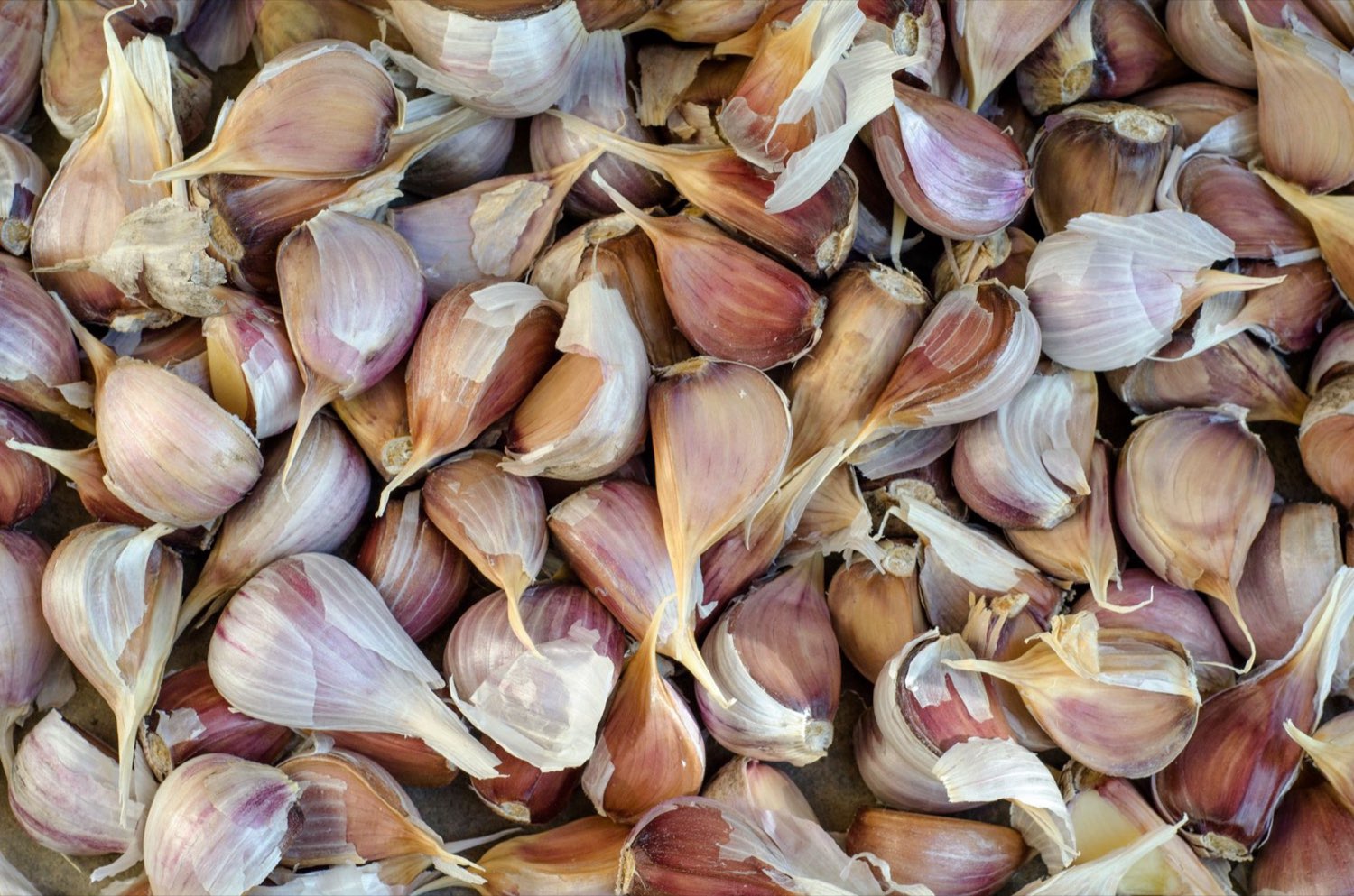
    Garlic and onion as the honest flavour reference for GMO
    GMO is the reference point for savoury cannabis.

    It is one of the few genuinely savoury cultivars in wide circulation, and it sits two steps behind our Baijiu. Understanding GMO explains why that cultivar smells the way it does, and why savoury profiles behave so differently from everything else on a menu — in the jar, in storage, and in how sharply people react to them.

    GMO at a Glance

    AttributeDetail
    GeneticsChemdawg × Girl Scout Cookies
    Also known asGarlic Cookies, GMO Cookies
    AromaGarlic, onion, chemical gas, savoury funk
    FlavourSavoury and pungent with a coffee-like depth
    EffectHeavy, long-lasting, strongly relaxing
    StructureLarge, dense, extremely resinous
    ReputationPolarising — people love it or reject it
    GMO quick reference.

    Why It Smells Like That

    The savoury character in GMO comes largely from sulphur-containing volatile compounds rather than conventional terpenes.

    That is why it smells so unlike the rest of cannabis. Terpenes produce citrus, pine, pepper and floral notes; sulphur compounds produce garlic and onion. Most cultivars have almost none of the latter, and GMO has enough to define its entire identity.

    Compound classProducesStability
    Sulphur volatilesGarlic, onion, savoury funkHigh — persists in storage
    LimoneneCitrus brightnessLow — fades first
    CaryophyllenePepper, spiceModerate
    MyrceneEarthy, musky depthModerate
    What produces the GMO aroma and how it ages.

    The practical consequence is that GMO-line flower holds its character far longer than fruit-forward cultivars. An old jar of citrus flower smells like nothing much; an old jar of GMO still smells like GMO.
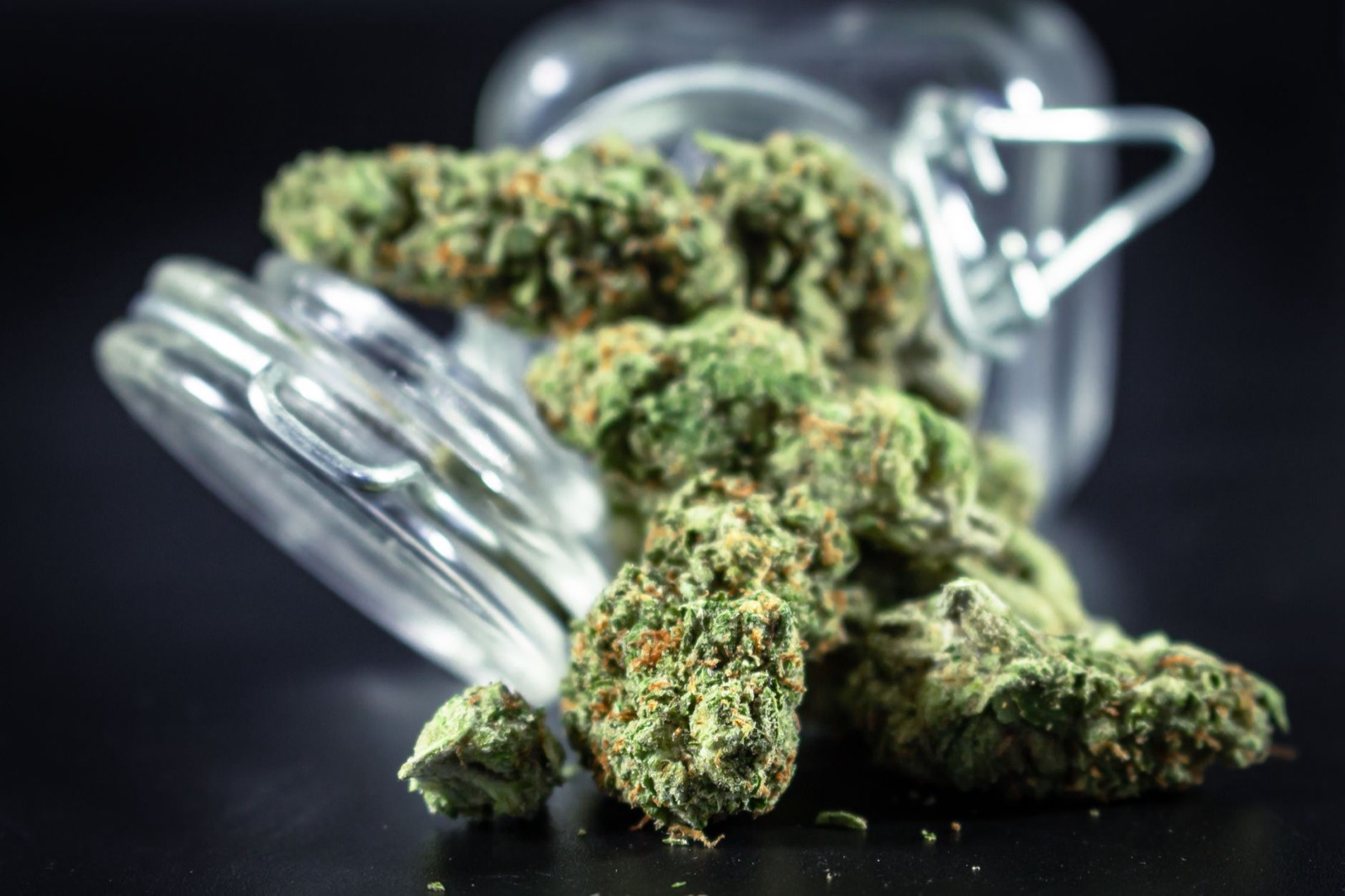
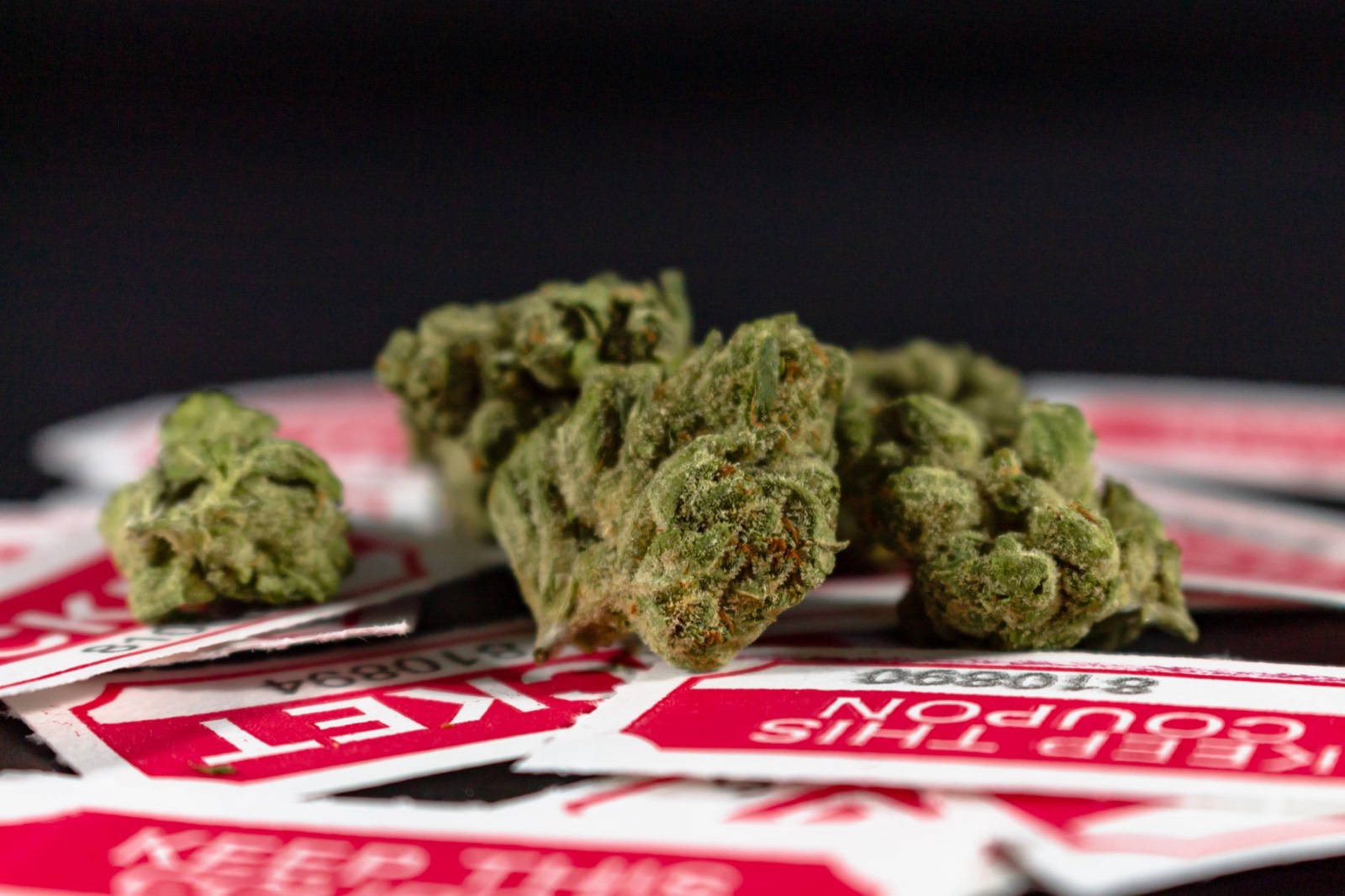
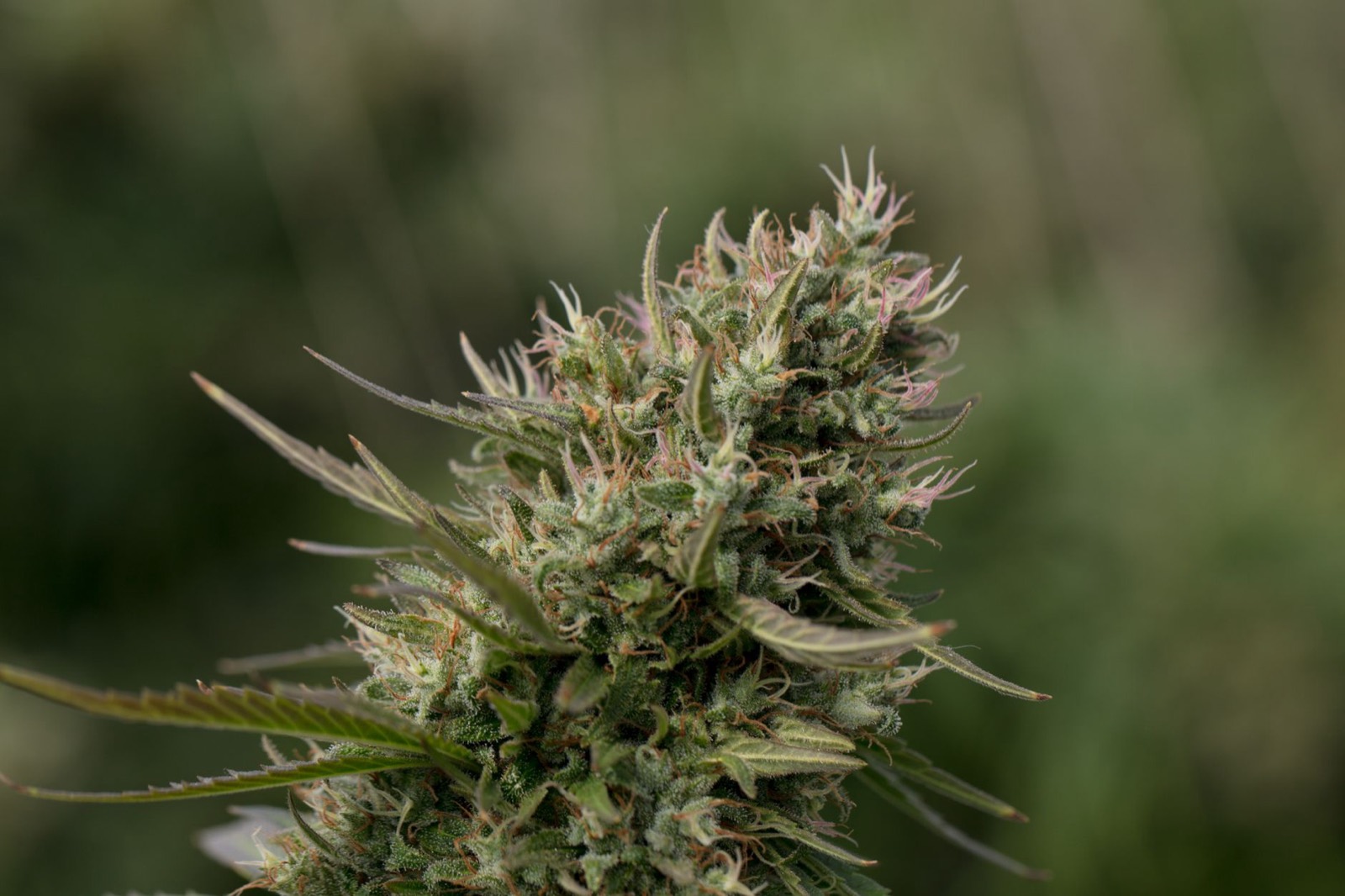
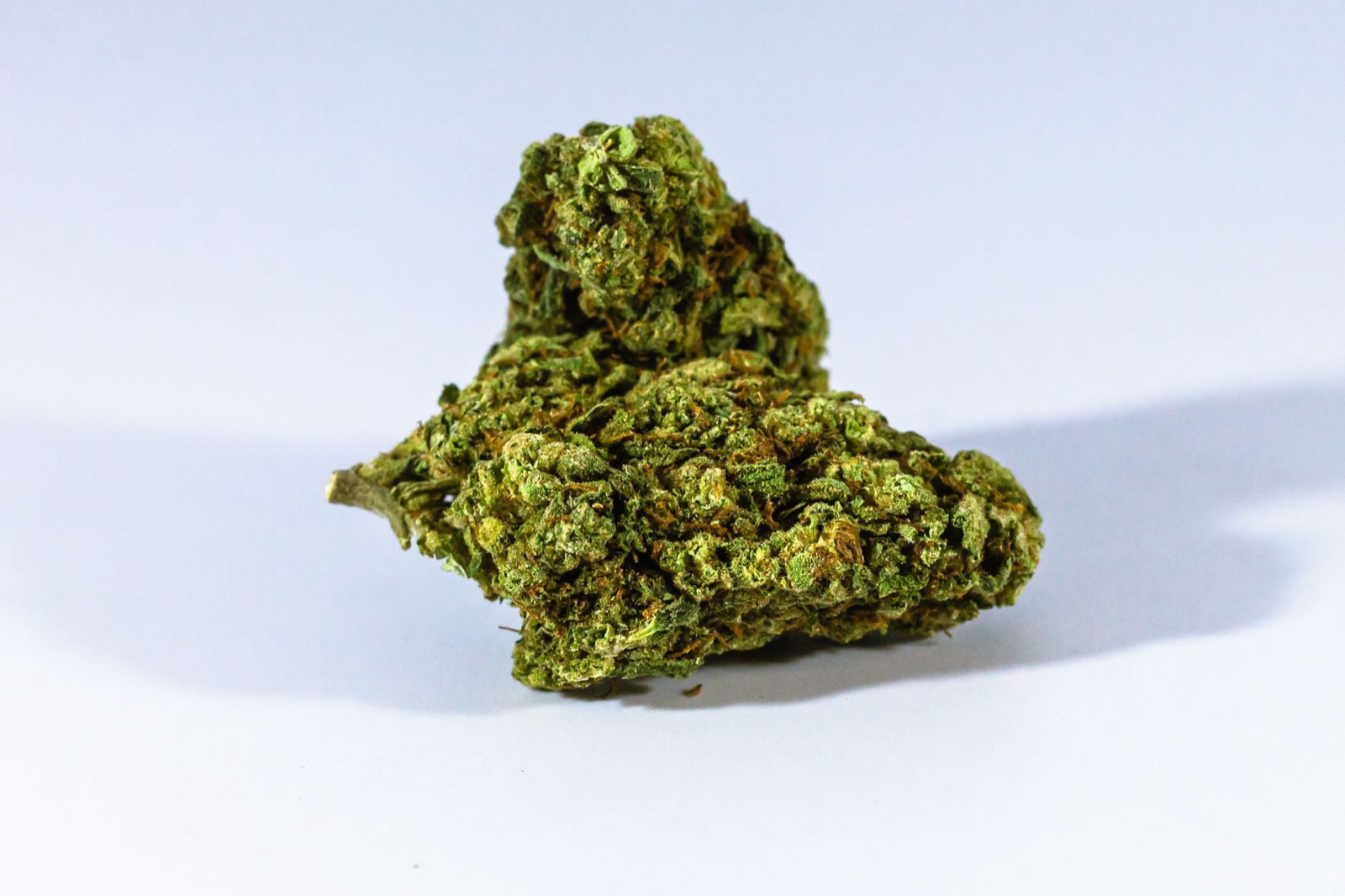
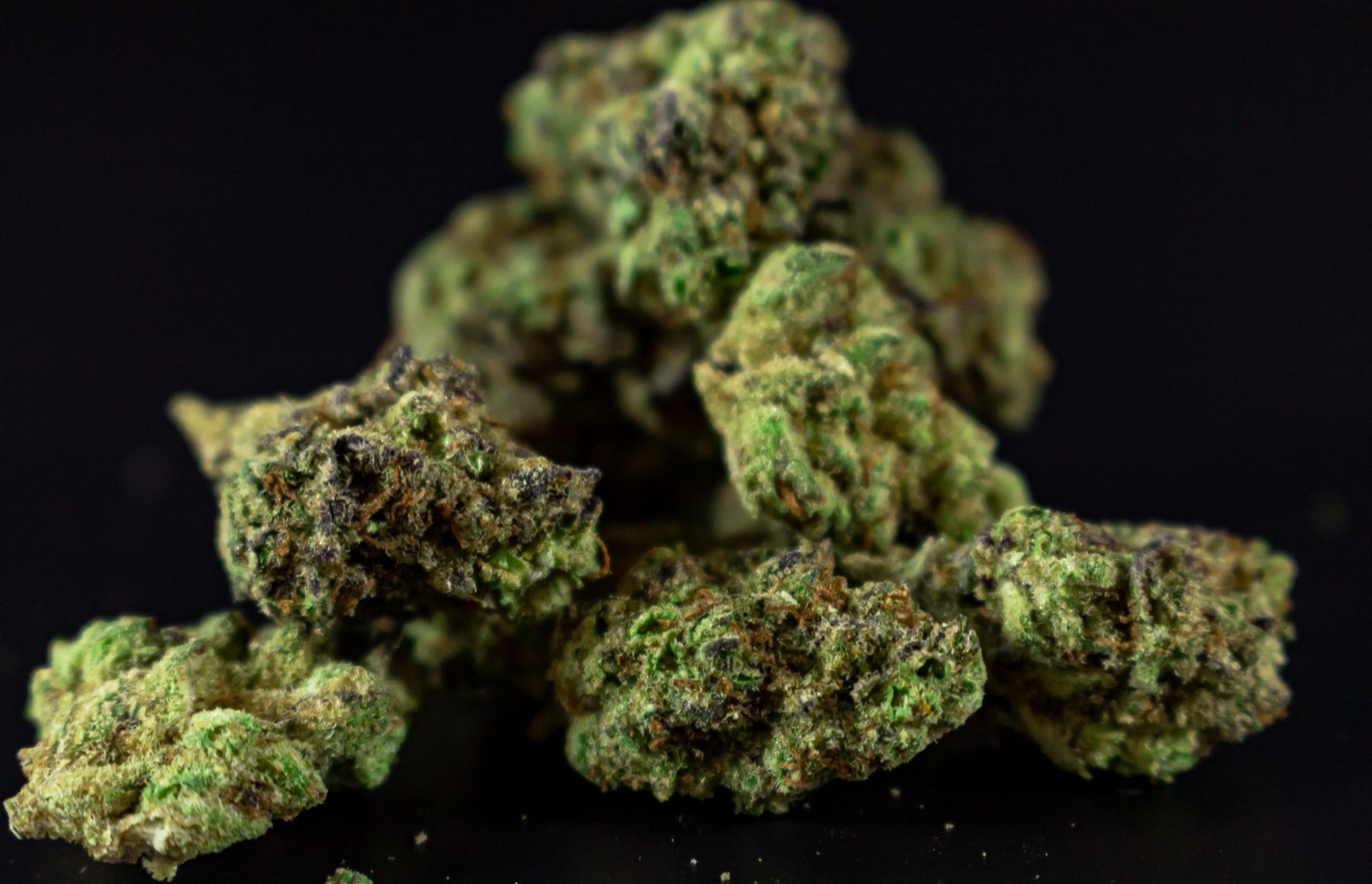
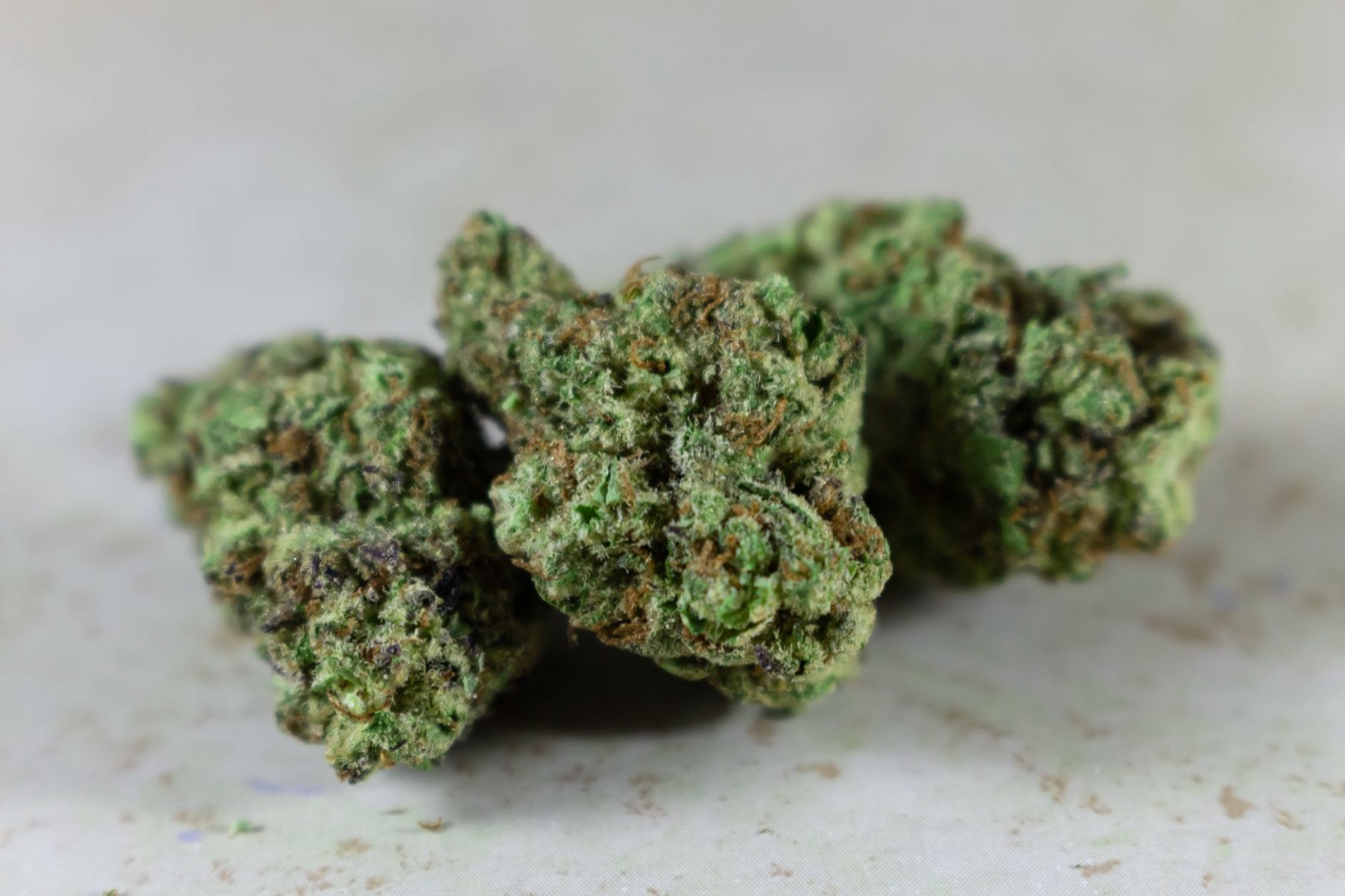
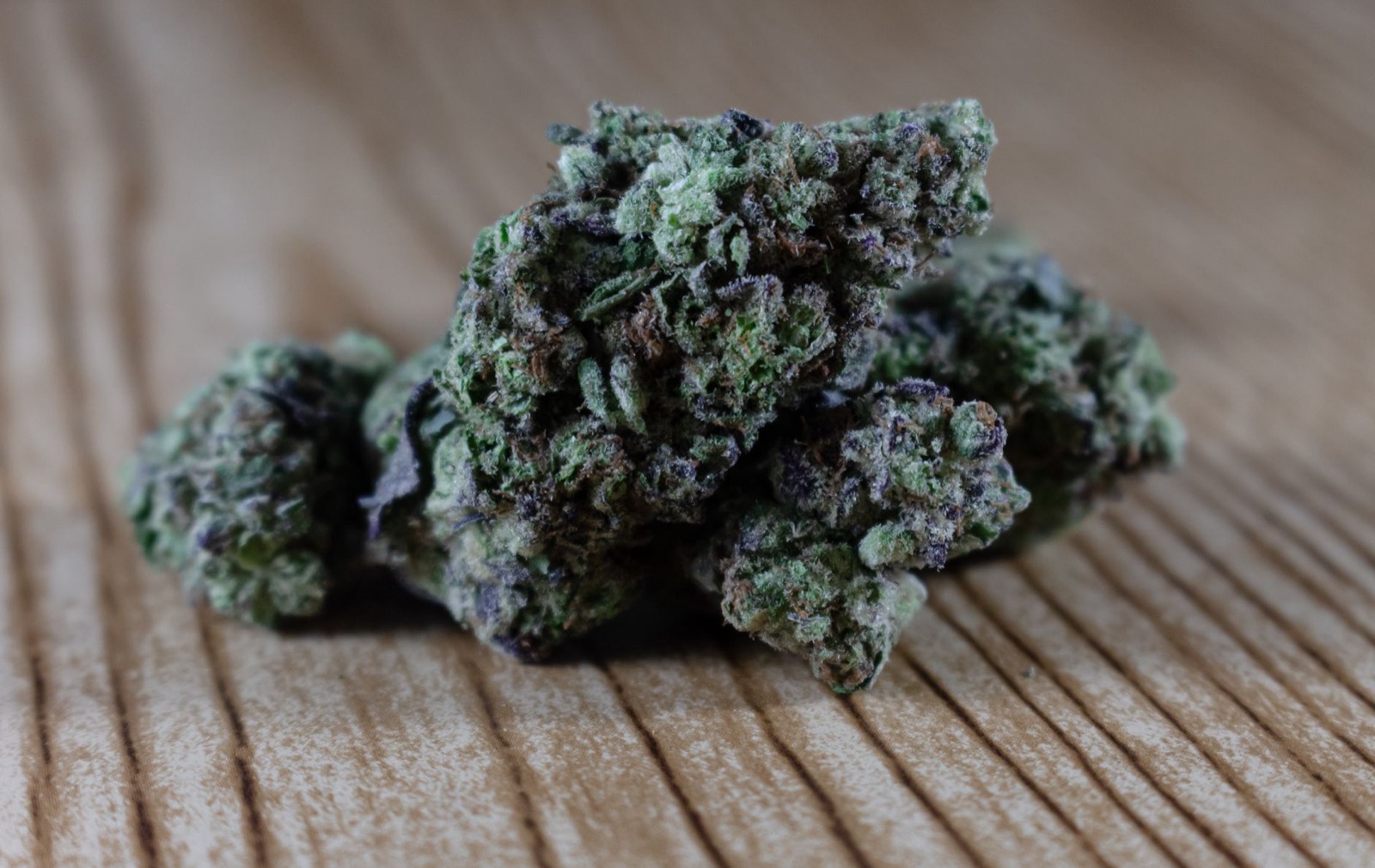
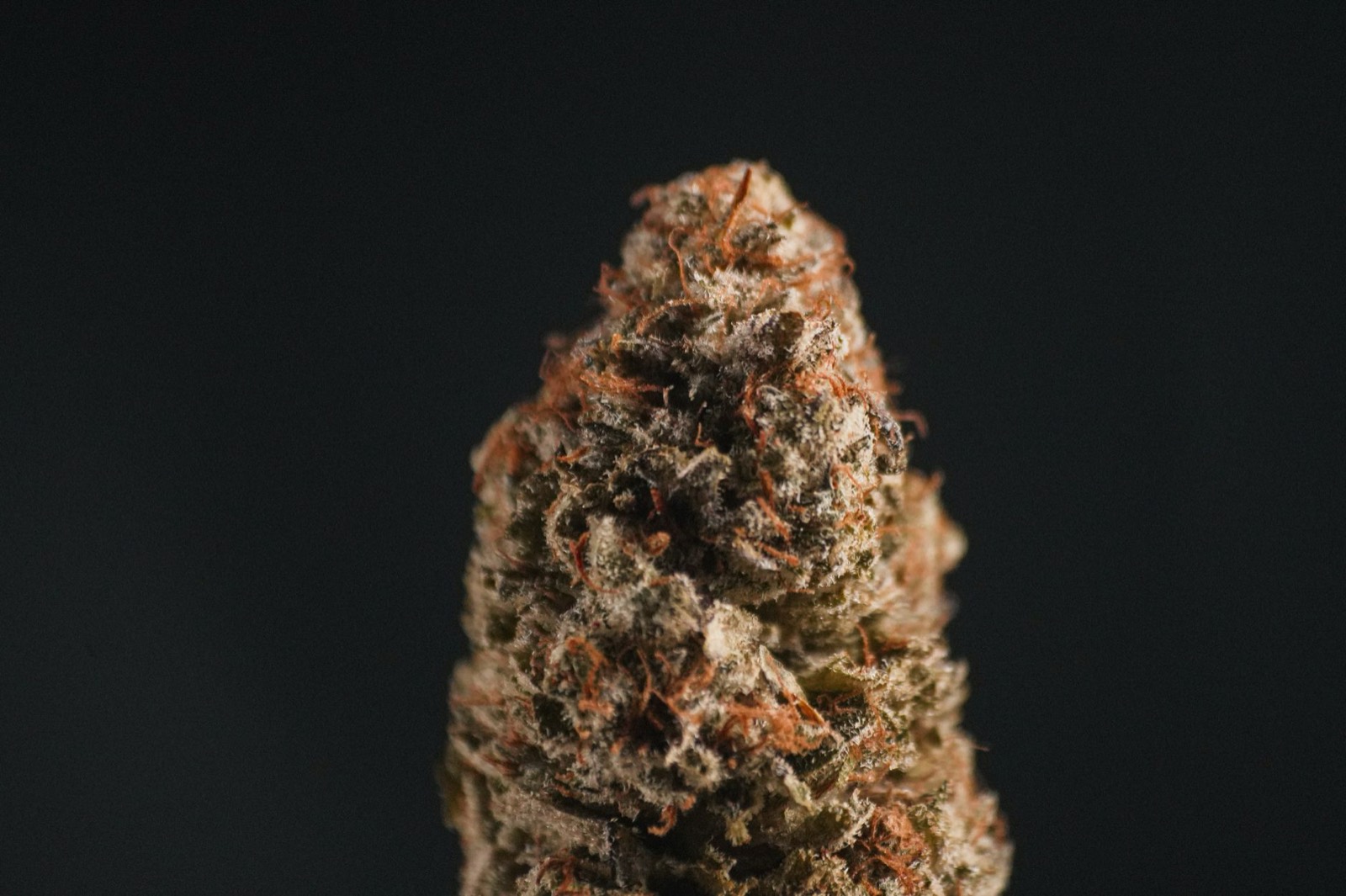
    Dense extremely resinous GMO cannabis flower
    Garlic is the honest reference point, not a marketing flourish.

    This GMO strain overview covers the lineage and reported effects in more depth.

    The Name Problem

    Calling a cannabis cultivar GMO was, commercially speaking, an odd decision. The abbreviation carries baggage in food contexts that has nothing to do with this plant.

    Nothing about the cultivar involves genetic modification. It is a conventional cross made the ordinary way, and the letters are a joke about the smell — Garlic, Mushroom, Onion.

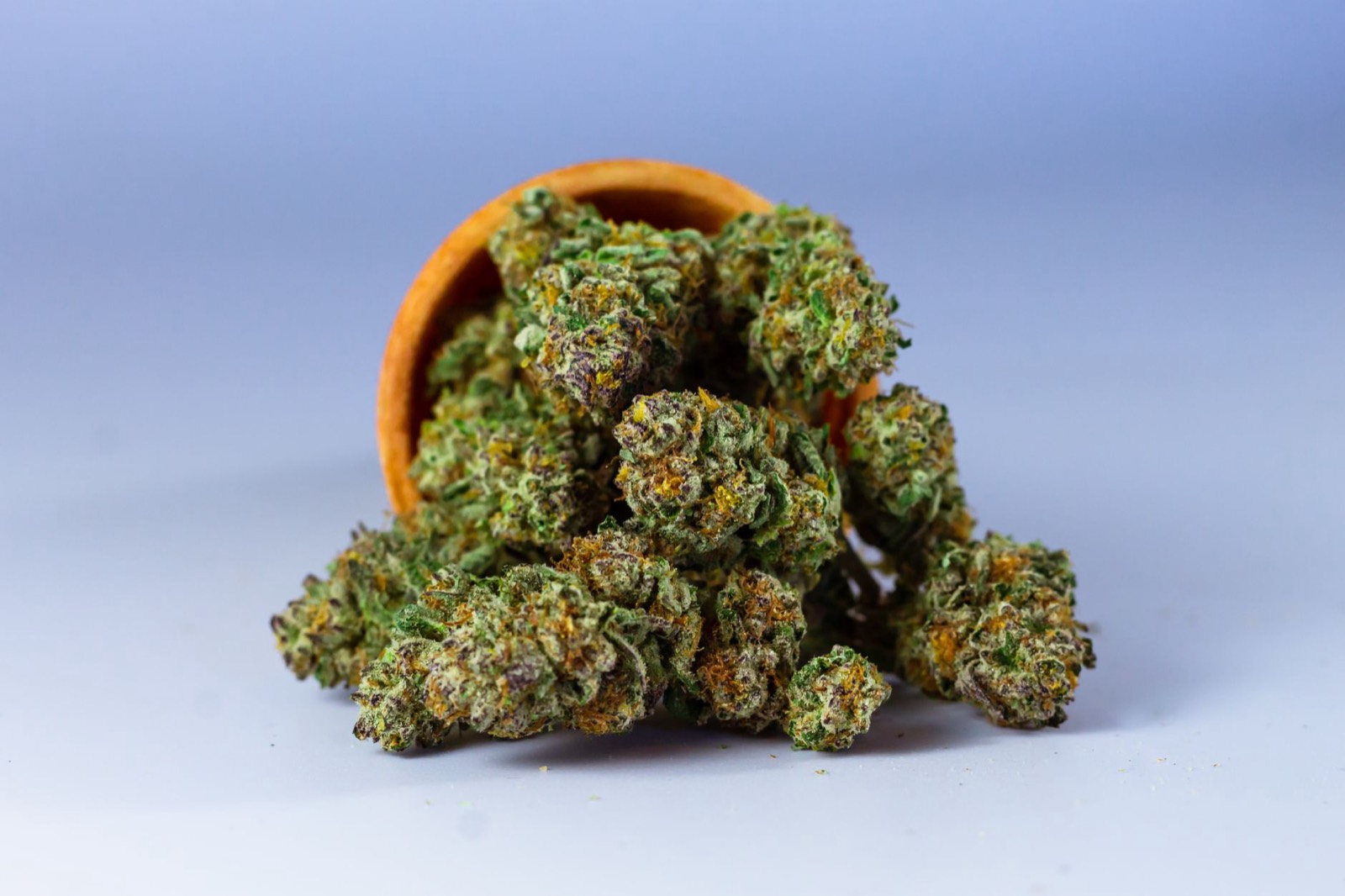
    Extreme resin coverage characteristic of the GMO line
    Savoury cultivars keep a loyal audience despite the dessert trend.

    The confusion is common enough that many producers now list it as Garlic Cookies instead, which describes it more accurately and avoids the misunderstanding entirely.

    Name usedNotes
    GMOOriginal, most widely recognised
    Garlic CookiesIncreasingly preferred; describes the profile
    GMO CookiesCombines both conventions
    Names used for the same cultivar.

    The Parents

    Chemdawg

    Chemdawg is one of the foundational American cultivars, responsible for the diesel and chemical notes running through an enormous amount of modern genetics. Sour Diesel and OG Kush both trace back to it.

    It supplies the sharp chemical edge in GMO and much of the potency. Chemdawg is also notoriously pungent in its own right, so the funk in GMO is not solely a product of the cross — some of it was already there.

    Girl Scout Cookies

    GSC contributes structure, resin production and a sweet, doughy base that sits underneath the savoury notes rather than competing with them.

    ParentContributes
    ChemdawgChemical gas, sharpness, potency
    Girl Scout CookiesStructure, resin, sweet base
    GMOGarlic and onion funk over a cookie foundation
    The GMO lineage.

    GMO in Our Catalogue

    Our Baijiu is Sherbcake × Garlic Cocktail. Garlic Cocktail is itself GMO × Mimosa, originally from Uprising Seed Co and circulated as a clone-only cut.

    StepCrossEffect
    1Chemdawg × GSCGMO — savoury funk established
    2GMO × MimosaGarlic Cocktail — funk plus citrus sweetness
    3Sherbcake × Garlic CocktailBaijiu — garlic, citrus, blueberry hint
    From GMO to Baijiu.

    Our Baijiu profile covers the finished cultivar, which keeps the garlic forward while Mimosa and Sherbcake add citrus and creamy rounding on either side of it.

    Why Savoury Persists

    Dessert and candy profiles have dominated cannabis fashion for a decade. Funk cultivars have survived anyway, and the reason is straightforward: nothing substitutes for them.
    Sharp citrus representing the Chemdawg chemical heritage in GMO
    Extremely resinous flower is characteristic of the line.

    Someone who wants garlic funk is not satisfied by a sweeter alternative. That makes the audience smaller but far more loyal than the market for the tenth similar dessert cross.

    A catalogue where everything is designed for broad appeal ends up tasting the same.

    GMO in Breeding

    GMO has become one of the most used funk parents in modern breeding, for the same reason Zkittlez dominates the candy side: it contributes something no other parent does.

    Crossing GMO into a sweet cultivar produces a tension rather than a blend. The savoury notes do not dissolve into the sweetness — they sit against it, which is what makes the results interesting rather than muddled.

    CrossPartner contributesResult
    GMO × MimosaCitrus and berry sweetnessGarlic Cocktail — funk with orange-soda finish
    GMO × dessert linesCream and sugarSavoury-sweet tension
    GMO × gas linesMore fuelIntensely pungent, narrow appeal
    How GMO behaves as a breeding parent.

    An Acquired Taste, Honestly

    It is worth being straightforward about this. GMO is not a cultivar most people like on first encounter, and plenty never come round to it.
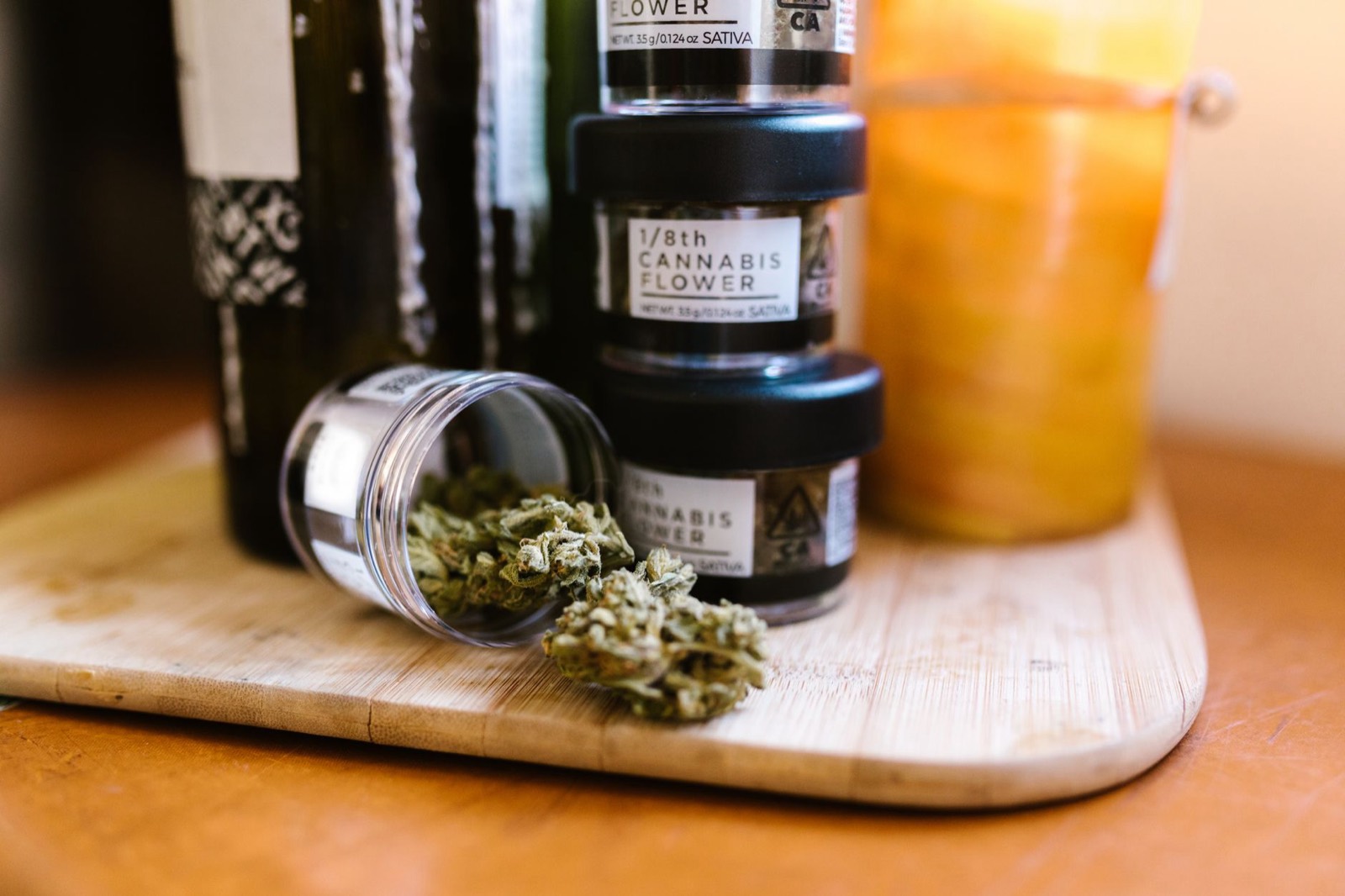
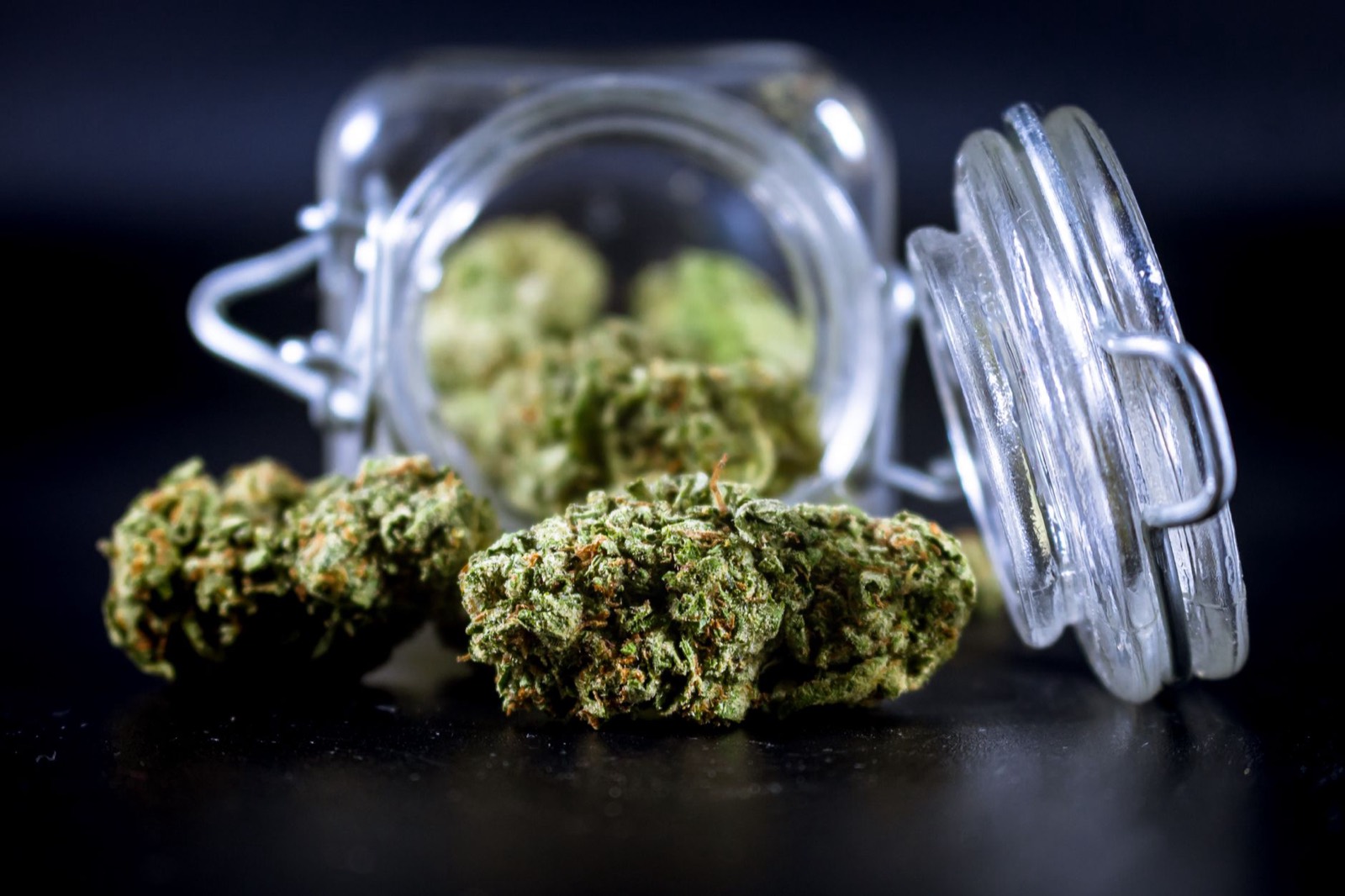
    Craft cannabis cured in glass, where savoury notes persist well
    Chemdawg heritage supplies the sharp chemical edge.

    The garlic note reads as wrong to anyone expecting cannabis to smell sweet or piney. There is no gentle version of it and no way to ease into the profile — the plant is what it is.

    For the people who do like it, nothing else works. That is the whole economics of funk cultivars: a smaller audience with no substitutes available.

    Growing Notes

    GMO-line plants are vigorous, resinous and extremely pungent from vegetative growth onward.

    1. Plan odour control early. These plants announce themselves long before harvest.
    2. Expect large, dense flower. Airflow is essential.
    3. Support branches. Heavy colas on vigorous plants need help.
    4. Cure patiently. The savoury-sweet balance takes weeks to resolve.

    See grow room climate targets, canopy training and harvesting, drying and curing for the practical detail.

    Storage

    GMO is among the most storage-stable profiles available. Sulphur volatiles persist where citrus and berry notes vanish, so an older jar still reads recognisably like itself.
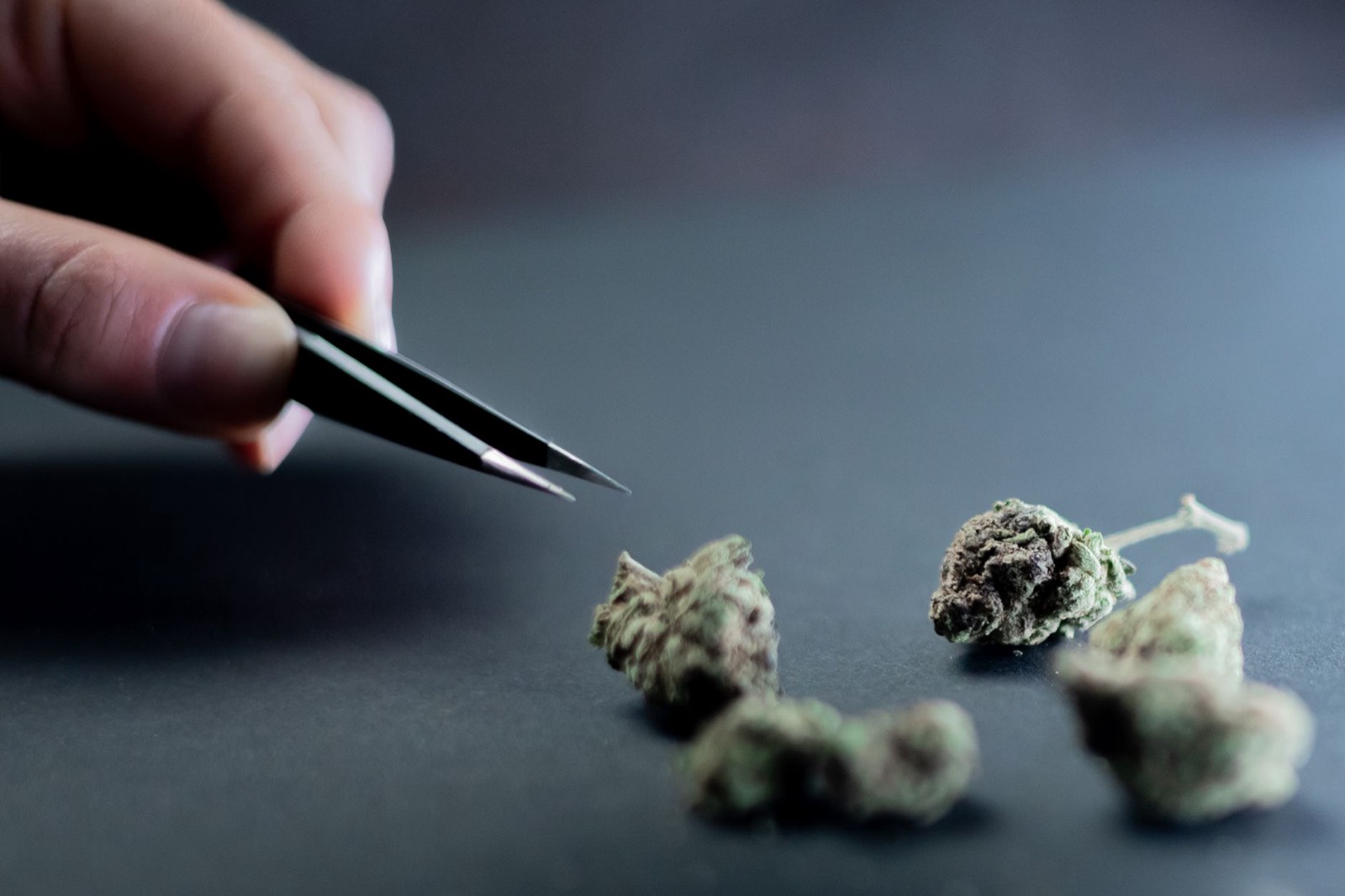
    Savoury botanicals reflecting the unusual GMO aroma family
    Craft cannabis cured in glass.

    That makes it a reasonable choice if you buy in quantity or work through jars slowly, which is not something you can say about most fruit-forward cultivars.

    Frequently Asked Questions

    What does GMO stand for?

    It is commonly read as “Garlic, Mushroom, Onion”, describing the aroma. It has nothing to do with genetic modification.

    What are GMO strain genetics?

    GMO is a cross of Chemdawg and Girl Scout Cookies, combining chemical diesel sharpness with Cookies structure and resin.

    Why does GMO smell like garlic?

    The savoury character comes largely from sulphur-containing volatile compounds rather than conventional terpenes, which is why it smells so unlike other cannabis.

    Is GMO the same as Garlic Cookies?

    Yes. GMO, Garlic Cookies and GMO Cookies all refer to the same cultivar.

    Does GMO flower age well?

    Better than most. Sulphur volatiles are more stable than citrus terpenes, so the savoury character persists in storage longer than fruit-forward profiles.

    Educational content for adults 21+ in legal jurisdictions. Lost Leaf flower is available only through licensed Michigan provisioning centres.

    Related reading: Mimosa, its partner in Garlic Cocktail.

  • Gelato 33 Strain: The Benchmark Dessert Cultivar

    Gelato 33 Strain: The Benchmark Dessert Cultivar

    Gelato 33 is a Sunset Sherbet × Thin Mint GSC cross, the most widely grown numbered phenotype from the Cookie Fam Gelato line. It is prized for creamy dessert flavour, compact resinous structure and a balanced euphoric effect that stays even rather than sedating.

    Gelato 33 cannabis flower with compact resinous structure
    Gelato 33 is the benchmark creamy dessert cultivar.

    Along with Sherbanger, it is one of the two parents behind our Sake Bomb — and one of the most reliable flavour parents in modern breeding. Few cultivars have shaped contemporary menus as thoroughly, and fewer still have done it while remaining genuinely pleasant to grow.

    Gelato 33 at a Glance

    AttributeDetail
    GeneticsSunset Sherbet × Thin Mint GSC
    Lineage familyCookie Fam Gelato line
    Also known asLarry Bird
    AromaCreamy, sweet dessert with citrus brightness
    Dominant terpeneLimonene-leaning
    EffectEuphoric, even, creative
    StructureCompact, dense, highly resinous
    Best forDaytime through evening
    Gelato 33 quick reference.

    The Numbered Phenotypes

    Gelato is not one plant. The Cookie Fam hunted the Sunset Sherbet × Thin Mint GSC cross extensively and numbered the keepers, which is why menus carry Gelato 25, 33, 41, 45 and others.

    Each number is a distinct phenotype from the same parents, and they are genuinely different plants — not marketing variations.

    PhenoReputation
    Gelato 33The benchmark — balanced, creamy, most widely grown
    Gelato 41Gassier, heavier
    Gelato 25Sweeter, more citrus-forward
    Gelato 45Denser, darker expression
    Commonly circulated Gelato phenotypes.

    Gelato 33 became the default because it balances flavour, structure and yield better than most of its siblings. This Gelato 33 strain profile covers reported effects and lab ranges in more detail.

    The Parents

    Sunset Sherbet

    The same parent behind Sherbanger and Rainbow Chip. It contributes creaminess, fruit sweetness and colour expression, and descends from GSC by way of Pink Panties.

    Thin Mint GSC

    A selected Girl Scout Cookies phenotype known for mint-tinged cookie sweetness, tight structure and heavy trichome coverage.

    Compact resinous cannabis structure inherited from Cookies parents
    The creamy dessert profile is the defining characteristic.

    Both parents come from the Cookies family, which is why Gelato reads as so consistently dessert-like — there is no gas or funk parent pulling against it.

    ParentLineageContributes
    Sunset SherbetGSC × Pink PantiesCream, fruit, colour
    Thin Mint GSCGSC phenotypeMint-cookie sweetness, density, resin
    Gelato 33The crossBalanced creamy dessert with citrus lift
    The Gelato 33 lineage.

    Why It Is Used So Widely

    Gelato 33 is a reliable flavour parent in a way few cultivars are. It passes on creaminess and structure consistently, and it does not fight whatever it is crossed with.

    • Consistent flavour transmission. Offspring reliably inherit the creamy character.
    • Good structure. Compact and resinous rather than lanky.
    • Broad appeal. Dessert profiles sell, and Gelato is the archetype.
    • Balanced effect. Rarely produces overly sedating offspring.

    Gelato 33 in Our Catalogue

    Our Sake Bomb is Gelato 33 crossed with Sherbanger, from Boston Roots, hunted from seed in-house.

    Craft cannabis cured to preserve the creamy dessert character
    Compact, resinous structure is inherited from both Cookies parents.

    In that cross Gelato 33 lost the battle for the nose — Sherbanger dominates — but it won underneath. The creamy gelato undertone is what stops Sake Bomb being a straightforwardly gassy cultivar.

    Contribution to Sake Bomb
    SherbangerDominant nose: citrus, sherbet, loud
    Gelato 33Creamy undertone, structure, resin
    ResultSherbanger-forward with dessert depth beneath
    How Gelato 33 expresses in Sake Bomb.

    The full Sake Bomb profile covers that cross in detail, and our Sherbanger guide covers the other parent.

    Gelato and Craft Growing

    Gelato is grown at every scale, from warehouse operations producing tonnes to small rooms running a few plants. Same genetics, entirely different results.

    The gap comes down to finishing. Gelato rewards a slow dry and a long cure more than most cultivars because its defining quality is nuance rather than intensity — and nuance is exactly what a rushed finish destroys.

    Dessert imagery reflecting why these profiles dominate cannabis menus
    Craft cannabis cured to preserve the creamy dessert character.

    A commodity Gelato and a craft Gelato are barely the same product, which is a useful illustration of why producer matters as much as cultivar name.

    Growing Notes

    Gelato-line plants are compact and resinous, which is generally good news and creates one specific problem.

    1. Density needs airflow. Compact Cookies structure traps humidity in late flower.
    2. Moderate stretch. Easier to plan around than lanky sativas.
    3. Resin is heavy. Trim gently.
    4. Feed conservatively. The creamy notes go first under heavy nitrogen.

    See grow room climate and VPD and integrated pest management for managing dense canopies without sterilizers.

    Why Dessert Profiles Took Over

    Gelato arrived at the point where the market shifted from potency-first to flavour-first, and it became the template for everything that followed.

    Dense trichome-heavy flower from the Cookies genetic line
    Dessert-profile cultivars dominate modern menus for a reason.

    Dessert profiles are broadly likeable in a way gas and funk are not. They are approachable for new consumers, they photograph well, and they translate easily into product names people understand. Commercially that combination is very hard to beat.

    The consequence is a market where a great many cultivars taste roughly similar. That is the argument for keeping outliers around — and it is why our own catalogue includes a garlic cultivar alongside the candy ones.

    EraWhat soldRepresentative cultivar
    2000sPotency and gasSour Diesel, OG Kush
    Early 2010sCookies structure and resinGirl Scout Cookies
    Mid 2010s onwardDessert flavourGelato, Sherbet lines
    Late 2010s onwardCandy fruitZkittlez and its crosses
    How cannabis flavour fashion has shifted.

    Buying Gelato

    Because Gelato is so widely grown, quality varies enormously. The name on the jar tells you almost nothing about what is in it.

    Citrus representing the limonene brightness in Gelato 33
    Dense, trichome-heavy Cookies-line flower.

    Ask which phenotype, who grew it, and when it was harvested. A well-grown Gelato 33 is genuinely excellent; a rushed commodity version of the same genetics is unremarkable.

    The Cookies Family

    CultivarCookies connection
    Gelato 33Sunset Sherbet × Thin Mint GSC
    SherbangerSunset Sherbet × Headbanger
    Rainbow ChipSunset Sherbet × Mint Chocolate Chip
    Animal CookiesGSC × Fire OG
    Do-Si-DosOGKB (GSC-derived) × Face Off OG
    How Girl Scout Cookies genetics propagate.

    Almost everything in modern craft cannabis traces back to GSC somewhere. Zookies comes via Animal Cookies, Do-Si-Dos via OGKB, and Rainbow Chip via Sunset Sherbet.

    Storage and Freshness

    The creamy character fades before the citrus does, so an older Gelato jar often reads sharper and thinner than a fresh one. Check harvest dates, and store in sealed glass somewhere cool and dark.

    Frequently Asked Questions

    What are Gelato 33 genetics?

    Gelato 33 is a cross of Sunset Sherbet and Thin Mint GSC, one of several numbered phenotypes from the Cookie Fam Gelato line.

    Why is it called 33?

    The number identifies a specific selected phenotype from an extensive hunt of the same cross. Gelato 25, 41 and 45 are different plants from the same parents.

    What does Gelato 33 taste like?

    Creamy dessert sweetness with citrus brightness. It is the archetypal dessert-profile cultivar.

    Is Gelato 33 sedating?

    Generally not. The effect is described as euphoric and even, which is part of why it works so well as a breeding parent.

    What is Larry Bird?

    Larry Bird is another name for Gelato 33, a reference to the basketball player’s number 33.

    Educational content for adults 21+ in legal jurisdictions. Lost Leaf flower is available only through licensed Michigan provisioning centres.

  • Do-Si-Dos Strain: Archive’s OGKB × Face Off OG Cross

    Do-Si-Dos Strain: Archive’s OGKB × Face Off OG Cross

    Do-Si-Dos is an Archive Seed Bank cultivar created in 2016 by crossing OG Kush Breath (OGKB) with Face Off OG. It runs roughly 70% indica, can reach 30% THC, and delivers a brief hard-hitting euphoria followed by pronounced body heaviness.

    Sharp citrus representing the fuel-forward Face Off OG side
    Do-Si-Dos is a heavy, OG-derived indica from Archive Seed Bank.

    It also happens to be one half of Moonbow, which means Do-Si-Dos sits directly behind two of our own releases. If you have wondered where the weight in Cherry Limetta comes from, given how bright the nose is, this is the answer — the effect is inherited from a plant that smells nothing like it.

    Do-Si-Dos at a Glance

    AttributeDetail
    GeneticsOG Kush Breath (OGKB) × Face Off OG
    BreederArchive Seed Bank, Portland
    Released2016
    Indica / sativaApproximately 70 / 30
    THCCan reach 30%
    AromaFloral, earthy, sweet with sharp fuel
    EffectBrief euphoria then heavy body, borderline sleepy
    Best forEvening and night
    Do-Si-Dos quick reference.

    The Parents

    OG Kush Breath

    OGKB is an unconfirmed descendant of Girl Scout Cookies, and it brings floral, earthy aromatics along with mood lift and body relaxation.

    It is also responsible for the distinctive growth habit that runs through this family — OGKB phenotypes tend toward slow, squat, dense structure that is not always easy to work with.

    Face Off OG

    Face Off OG is a heavy-hitting OG Kush phenotype selected in California. It contributes structural vigour, a stronger root system and a sharp, fuel-forward gas profile.

    Dense resin coverage characteristic of Do-Si-Dos genetics
    The OG side supplies sharp fuel over a floral base.

    Where OGKB is floral and soft, Face Off OG is aggressive. The combination is what gives Do-Si-Dos both its complexity and its weight.

    ParentCharacterContribution
    OG Kush BreathFloral, earthy, GSC-derivedAroma complexity, mood lift
    Face Off OGSharp, fuel-forward OGVigour, root system, gas, sedation
    Do-Si-DosThe crossComplex nose, heavy body effect
    The Do-Si-Dos lineage.

    This Do-Si-Dos strain overview collects reported effects and medical use cases if you want a broader sample than any single review provides.

    Archive Seed Bank and the Moonbow Connection

    This is where Do-Si-Dos becomes directly relevant to our catalogue.

    Archive created Do-Si-Dos in 2016. They then crossed it with Zkittlez to make Moonbow — a deliberate attempt to keep Zkittlez terpenes while fixing its weak yields and awkward structure using Do-Si-Dos vigour and potency.

    Craft cannabis cured in a sealed glass jar
    Dense, heavily resinous flower is characteristic of the line.

    Moonbow #112 is a selected phenotype from that project, and Moonbow 112 IX is a later intercross. Both of our Moonbow selections descend directly from Do-Si-Dos.

    StepCrossPurpose
    1OGKB × Face Off OGDo-Si-Dos — potency and vigour
    2Zkittlez × Do-Si-DosMoonbow — Z flavour, better agronomy
    3Moonbow #112 selectionResin density, candy aromatics
    4Moonbow 112 IXStabilised intercross
    5Lost Leaf pheno huntCherry Limetta and Lou Bega
    From Do-Si-Dos to our cultivars.

    Cherry Limetta and Lou Bega both came out of that final step, and the weight in both of them traces back to this plant. Our Zkittlez guide covers the other half of the Moonbow equation.

    The OGKB Line

    OG Kush Breath deserves more attention than it usually gets. It is an unconfirmed GSC descendant that produced an entire family of slow, squat, intensely resinous plants.

    Growers either love OGKB genetics or refuse to run them. The flower is exceptional and the plants test patience — long vegetative periods, modest yields and a habit of sulking if pushed.

    Do-Si-Dos is arguably the most successful attempt at keeping what OGKB does well while removing the reasons commercial growers avoid it.

    What It Feels Like

    Do-Si-Dos is not subtle. Reports consistently describe a short, hard euphoric onset followed by a pronounced body high and a mellow, sedated mood.

    Floral and herbal botanicals representing the OGKB aroma base
    Craft cannabis cured in glass.

    Many people describe it as borderline sleepy. It is an evening cultivar in the fullest sense, and not one to reach for if you have anything left to do.

    AspectCharacter
    OnsetFast, briefly euphoric
    BodyHeavy, pronounced
    HeadMellow, quiet
    DurationLong
    SuitsEvening, sleep, experienced consumers
    The Do-Si-Dos experience.

    Growing Notes

    OGKB-derived plants have a reputation for being slow and squat. Face Off OG improves that considerably, but this is still not a beginner cultivar.

    1. Expect slow vegetative growth. OGKB genetics take their time.
    2. Train early. Squat structure benefits from canopy work.
    3. Watch density in late flower. Heavy, tight buds need airflow.
    4. Feed carefully. This family is sensitive to being pushed.

    Our plant training guide covers canopy management for squat plants, and the troubleshooting guide helps with the sensitivity.

    Why Archive Made It

    Archive Seed Bank have a consistent approach: take something with an exceptional quality and cross it with something that fixes its weaknesses.

    Do-Si-Dos was that project applied to OGKB. The GSC-derived aromatics were worth keeping, but OGKB phenotypes are notoriously slow, squat and unproductive. Face Off OG brought vigour, a stronger root system and considerably more punch.

    Indoor cannabis grown under controlled environmental conditions
    Herbal and floral notes sit under the fuel.

    They then applied the same logic again with Moonbow, using Do-Si-Dos to fix Zkittlez. It is the same method one generation on, and it is why so much of our own catalogue traces back to this breeder.

    Archive projectProblem being solvedSolution
    Do-Si-DosOGKB grows poorlyFace Off OG vigour and potency
    MoonbowZkittlez yields badlyDo-Si-Dos structure and weight
    Moonbow #112 IXExpression driftIntercross to stabilise
    How Archive builds on its own work.

    The Weight Problem

    Do-Si-Dos is potent enough that it is easy to overdo, and the onset pattern makes that more likely rather than less.

    The initial euphoria is short and pleasant. If you judge by that window you will misjudge the plant, because what follows is considerably heavier and lasts considerably longer.

    Dense indica-dominant bud structure typical of the OG family
    Indoor cannabis grown under controlled conditions.

    Start low with anything from this family, and give it a proper 45 minutes before deciding it was underwhelming.

    The OG Family Tree

    CultivarOG connection
    Do-Si-DosOGKB × Face Off OG
    MoonbowZkittlez × Do-Si-Dos
    Cherry Limetta (Lost Leaf)Moonbow 112 IX selection
    Lou Bega (Lost Leaf)Moonbow 112 IX selection
    GMOChemdawg × GSC — a parallel funk-forward line
    How OG genetics reach our catalogue.

    For the savoury branch of this world, see our GMO guide. For everything about how these terpene profiles actually work, cannabis terpenes explained.

    Finding It

    Do-Si-Dos is widely grown, so quality varies considerably. Ask for the harvest date and the producer rather than relying on the name, and expect a heavy evening cultivar regardless of who grew it.

    Frequently Asked Questions

    What are Do-Si-Dos genetics?

    Do-Si-Dos is OG Kush Breath crossed with Face Off OG, created by Archive Seed Bank in Portland in 2016.

    Is Do-Si-Dos indica or sativa?

    It is roughly 70% indica and 30% sativa, and behaves like a heavy indica in practice.

    How strong is Do-Si-Dos?

    THC can reach 30%. The effect is a brief hard euphoria followed by pronounced body heaviness.

    What is Moonbow?

    Moonbow is Archive’s cross of Zkittlez with Do-Si-Dos, made to keep Zkittlez terpenes while improving its poor yields and structure.

    Is Do-Si-Dos good for sleep?

    Many people report it as borderline sleepy. It is widely used as an evening or night cultivar rather than a daytime one.

    Educational content for adults 21+ in legal jurisdictions. Lost Leaf flower is available only through licensed Michigan provisioning centres.

    Related reading: The OG Kush lineage behind Face Off OG and OGKB.

  • Sherbanger Strain: Sunset Sherbet Meets Headbanger

    Sherbanger Strain: Sunset Sherbet Meets Headbanger

    Sherbanger is a cross of Sunset Sherbet and Karma Genetics’ Headbanger, typically testing 22–27% THC with a fuel-drenched sherbet profile. Headbanger is itself Sour Diesel × Biker Kush, which is where the gas comes from — the creamy dessert side arrives entirely from Sherbet.

    Sherbanger cannabis flower with dense resinous structure
    Sherbanger balances creamy sherbet sweetness against pungent fuel.

    If you have read our cultivar profiles, Sherbanger keeps appearing. It sits behind two of our releases, and there is a reason breeders reach for it so often. Understanding what it contributes makes the rest of the catalogue considerably easier to read, because the same parent shows up doing different jobs depending on what sits opposite it.

    Sherbanger at a Glance

    AttributeDetail
    GeneticsSunset Sherbet × Headbanger
    Headbanger lineageSour Diesel × Biker Kush (Karma Genetics)
    THC rangeApproximately 22–27%
    AromaFuel-drenched sherbet — creamy sweetness with pungent gas
    Effect arcCerebral spark, then grounding full-body calm
    StructureRobust, resinous
    Best forAfternoon and evening
    Known phenoSherbanger #22
    Sherbanger quick reference.

    The Two Sides

    Sunset Sherbet

    Sunset Sherbet is an indica-dominant hybrid from the Girl Scout Cookies family, celebrated for sweet dessert aroma, creamy texture and colour expression.

    It contributes everything soft about Sherbanger: the sweetness, the creaminess, and the balanced quality that stops the cross becoming purely aggressive.

    Headbanger

    Headbanger comes from Karma Genetics and crosses Sour Diesel with Biker Kush. It is the source of the fuel, the structural vigour and a good deal of the potency.

    Heavy trichome density characteristic of Sherbanger genetics
    The fuel note comes entirely from the Headbanger side.

    This is the parent people underestimate. Without Headbanger, Sherbanger would be another pleasant dessert cultivar rather than something with genuine backbone.

    ParentLineageContributes
    Sunset SherbetGSC × Pink PantiesCreamy sweetness, colour, balance
    HeadbangerSour Diesel × Biker KushFuel, potency, vigour, structure
    SherbangerThe crossSherbet nose over a gas backbone
    What each side brings to Sherbanger.

    This Sherbanger #22 genetics profile covers the specific phenotype most commonly circulated.

    Why Breeders Use It

    Sherbanger solves a specific problem. A great many terpene-rich cultivars grow badly — light yields, weak structure, poor resin. Zkittlez is the classic example.

    Craft cannabis cured in glass to develop sherbet and gas balance
    Resinous, robust structure is the practical gift of the Headbanger side.

    Sherbanger brings structure, vigour and trichome density without flattening whatever flavour the other parent contributes. That makes it an unusually cooperative breeding partner.

    CrossPartnerResult
    Z × SherbangerZkittlezCandy Fumez — candy nose, better structure
    Gelato 33 × SherbangerGelato 33Creamy dessert with sherbet volume
    Sherbet lines generallyVariousImproved yield and resin without losing flavour
    Common Sherbanger crosses.

    Sherbanger in Our Catalogue

    Two of our cultivars carry it, and they demonstrate how differently the same parent can express depending on what it is crossed with.

    CultivarCrossWhat Sherbanger did
    PandemoniumZ × Sherbanger (Candy Fumez)Added structure and gas to a candy nose
    Sake BombGelato 33 × SherbangerDominated the nose over creamy gelato
    Sherbanger in the Lost Leaf lineup.

    In Pandemonium it sits behind the candy, adding weight. In Sake Bomb it takes the lead entirely, with Gelato 33 filling in underneath. Same parent, opposite roles.

    Boston Roots, who worked on the Sherbanger line, are credited on both of those crosses. It is a small world at the genetics end of craft cannabis.

    What It Is Like

    The effect arc is consistent across reports. A fast cerebral lift that boosts creativity and sociability, then a gradual settle into deep physical calm without full couch-lock.

    PhaseCharacterTiming
    OnsetCerebral spark, sociableFast
    MidCreative, talkative, energised20–40 minutes
    LateGrounding body calm1 hour onward
    TailRelaxed, not sedatedExtended
    The Sherbanger effect arc.

    Reading a Sherbanger Cross

    When you see Sherbanger listed as a parent, it usually tells you two things about the finished plant: it will grow better than the other parent would alone, and there will be fuel somewhere in the profile even if sweetness leads.

    Dense trichome-heavy cannabis flower from the Sherbanger line
    Craft cannabis cured in glass to develop the sherbet-and-gas balance.

    That is a more useful prediction than most parent names offer. Many breeding partners contribute unpredictably; Sherbanger is consistent enough that growers plan around it.

    Growing Notes

    Sherbanger-line plants are the easier end of the craft spectrum, which is precisely why they get used to fix difficult genetics.

    1. Expect robust structure. These plants hold themselves up better than most Sherbet crosses.
    2. Resin is heavy. Handle gently at trim to preserve trichomes.
    3. Airflow still matters. Density plus resin always does.
    4. Do not overfeed late. The sherbet sweetness fades before the gas does.

    Our grow room climate guide, nutrients guide and harvest and cure walkthrough cover the practical side.

    Sherbanger #22

    Most Sherbanger circulating today traces to the #22 phenotype, selected from a hunt of the original cross. As with Gelato’s numbered cuts, the designation marks a specific plant rather than a marketing variation.

    Northern Michigan forest beside the Lost Leaf craft cannabis facility
    Dense, trichome-heavy flower typical of the line.

    Boston Roots are closely associated with the line, and that connection runs directly into our own catalogue — they are credited on both of the crosses we selected from.

    The practical upshot is that Sherbanger is unusually consistent for a widely distributed cultivar. When a breeder lists it as a parent, there is reasonable confidence about what it contributed.

    Gas Cultivars and the Market

    Fuel-forward profiles have never gone out of fashion the way trend cultivars do. Dessert and candy genetics dominate menus, but gas retains a permanent audience.

    Sour citrus representing the Sour Diesel heritage in Headbanger
    Northern Michigan forest beside the Lost Leaf facility.

    Sherbanger sits usefully between the two camps. It is sweet enough for people who came in through dessert profiles and gassy enough for people who never left the Sour Diesel era.

    AudienceWhat they respond to in Sherbanger
    Dessert-profile consumersThe creamy Sherbet sweetness
    Gas chasersThe Headbanger fuel and potency
    GrowersStructure, vigour and resin production
    BreedersA parent that improves difficult genetics
    Why Sherbanger has broad appeal.

    The Sherbet Family

    CultivarSherbet connection
    SherbangerSunset Sherbet × Headbanger
    Gelato 33Sunset Sherbet × Thin Mint GSC
    Rainbow ChipSunset Sherbet × Mint Chocolate Chip
    Sake BombGelato 33 × Sherbanger — Sherbet on both sides
    How Sunset Sherbet propagates through modern breeding.

    Our Gelato 33 guide covers the other major Sherbet descendant, and Rainbow Chip is a third. For the wider picture on how terpene profiles are built, see our guide to cannabis terpenes.

    Storage

    Sherbanger holds its gas note longer than its sweetness. If an older jar smells fuel-forward with the creamy side faded, that is age rather than a poor phenotype. Sealed glass, cool and dark slows it.

    Frequently Asked Questions

    What are Sherbanger genetics?

    Sherbanger crosses Sunset Sherbet with Headbanger. Headbanger is a Karma Genetics cultivar from Sour Diesel and Biker Kush.

    How strong is Sherbanger?

    It typically tests between 22% and 27% THC, placing it firmly in the potent range without being extreme.

    What does Sherbanger smell like?

    Fuel-drenched sherbet. Creamy dessert sweetness from the Sherbet parent with pungent gas from Headbanger sitting over the top.

    Why do so many strains use Sherbanger?

    It contributes structure, vigour and trichome density without suppressing the other parent’s flavour, which makes it useful for improving terpene-rich but agronomically weak cultivars.

    Is Sherbanger indica or sativa?

    It is a hybrid. The effect starts cerebral and sociable, then settles into body relaxation without full sedation.

    Educational content for adults 21+ in legal jurisdictions. Lost Leaf flower is available only through licensed Michigan provisioning centres.

    Related reading: Headbanger, the fuel half of the cross.

  • Michigan Craft Cannabis: A Buyer’s Guide to Small-Batch Flower

    Michigan Craft Cannabis: A Buyer’s Guide to Small-Batch Flower

    Michigan has one of the strongest small-producer cannabis scenes in the country, but craft flower is hard to identify on a menu because the labels do not distinguish it. The useful signals are harvest date, named producer, hand-trimming, terpene information and batch size — not the THC percentage everyone reads first.

    Customer asking questions at a Michigan dispensary counter
    Craft flower is on Michigan menus; the hard part is identifying it.

    This guide is about how to find genuinely good small-batch flower in Michigan, whoever grew it. Plenty of it is on shelves right now, sitting next to commodity product at a similar price, distinguished only by details most shoppers never think to ask about.

    What “Craft” Actually Means

    There is no legal definition, which is why the word appears on packaging that has nothing to do with small-batch production.

    Small-batch craft cannabis production in a Michigan facility
    Ask about harvest date and terpenes rather than potency numbers.

    In practice the distinction is about scale and method. A craft producer runs small rooms, selects genetics deliberately, finishes by hand, and accepts lower yields for better flower.

    Craft productionVolume production
    Room sizeHundreds to low thousands of sq ftLarge warehouse facilities
    GeneticsOften hunted from seed in-houseEstablished commercial clones
    TrimmingHand-trimmedMachine-trimmed
    Batch sizeSmall, rotatingLarge, continuous
    Selection priorityFlavour and qualityYield and consistency
    Drying and curingSlowCompressed for throughput
    Price positionPremiumCompetitive
    Craft versus volume cannabis production.

    Neither is dishonest. They are different businesses solving different problems, and volume producers keep the market supplied at accessible prices. But if you are looking for flavour, the difference is real.

    It is also worth saying that plenty of large facilities produce excellent flower, and plenty of small ones do not. Scale correlates with method rather than determining quality outright — a careless small grower beats nobody.

    The THC Percentage Trap

    The single most common mistake at a dispensary counter is shopping by THC number.

    Small producer hand-finishing craft cannabis
    Small rooms produce small quantities, and they move quickly.

    Potency inflation is a documented problem across legal markets. Labs vary in how generously they report, and producers can choose which lab to use. A jar reading 32% next to one reading 22% has not necessarily been tested the same way.

    A well-grown 20% cultivar with a loud terpene profile will out-perform a rushed 30% one every time.

    Terpene content, cure quality and freshness influence the experience far more than the headline cannabinoid figure. Ask about those instead.

    What to Ask at the Counter

    QuestionWhat a good answer sounds likeWhat it tells you
    When was it harvested?A specific recent dateFreshness; staff who know their stock
    Who grew it?A named producerCraft producers are usually named
    Was it hand-trimmed?Yes, with detailTrichome preservation, care taken
    What are the dominant terpenes?Named terpenes or a clear profileFlavour-led rather than number-led
    How big was the batch?Small or limitedSmall-batch production
    Was it remediated?NoNo contamination requiring treatment
    Questions that identify craft flower on a Michigan menu.

    Budtenders who can answer these tend to work somewhere that cares about what it stocks. Ones who immediately redirect to the highest THC number are telling you something too.

    Freshness Matters More Than People Think

    Cannabis is an agricultural product and it degrades. Terpenes are volatile, cannabinoids oxidise, and flower that has sat in a warehouse for eight months is not what it was at harvest.

    Michigan landscape where much of the craft cannabis scene is based
    Hand-finishing is one of the clearest markers of craft production.

    Harvest date is printed on packaging in Michigan, and it is one of the most useful numbers on the label. Yet almost nobody reads it, while everybody reads the THC figure.

    Time since harvestTypical condition
    Under 3 monthsPeak terpene expression
    3–6 monthsStill good if stored properly
    6–12 monthsNoticeable terpene loss
    Over 12 monthsSubstantially diminished
    How cannabis quality changes after harvest.

    Reading the Flower Itself

    • Smell it if you can. Loud is good; hay or grass means a rushed dry.
    • Look at the trim. Machine trimming leaves a uniform, slightly rounded look.
    • Check the moisture. Bone dry means over-dried; damp risks mould.
    • Look for trichome coverage, not just colour or density.
    • Notice the structure. Hand-trimmed flower keeps its natural shape.

    Michigan’s Craft Scene

    The state has an unusually deep bench of small producers, partly because Michigan’s caregiver system built a generation of experienced growers before the adult-use market opened.

    Many of the people running small licensed rooms today learned their craft in that earlier system. Our own owner started in the caregiver market in 2012.

    RetailerRegionNotes
    DunegrassNorthern MichiganMultiple locations including Beulah, Cadillac, Gaylord, Traverse City
    OlswellWest and SoutheastAdrian, Grand Rapids and other locations; in-house brands
    ButterAnn ArborSoutheast Michigan
    High ProfileStatewideMultiple locations
    Provisioning centres that stock Michigan craft brands.

    The Michigan Cannabis Guide maintains a directory of Michigan cannabis makers worth asking for by name, which is a reasonable place to start if you are exploring beyond one brand.

    Price Is Not a Quality Signal

    Expensive flower is not automatically craft, and craft flower is not automatically expensive. Premium pricing is easy to apply to ordinary product, and some excellent small producers price modestly because they are not trying to signal anything.

    Why Small Producers Sell Out

    If you find something you like from a craft producer, buy it then. It very likely will not be there next month.

    Named small producers, the craft model applied to cannabis
    Michigan built a generation of growers before adult-use legalisation.

    Small rooms produce small quantities, and many craft growers run single batches rather than keeping a cultivar in continuous production. That is a feature of how they work, not a supply failure.

    Craft cannabis flower showing trichome coverage and hand-trimmed structure
    Ask who grew it – craft producers are usually named.

    Our own releases work exactly this way — where to find Lost Leaf and why availability rotates explains the mechanics.

    The Economics Behind the Price

    Craft flower costs more, and it is worth understanding why rather than assuming it is positioning.

    Cost factorEffect on small producers
    Compliance and securitySimilar cost regardless of size; disproportionate per gram
    TestingPer batch, so small batches cost more per gram
    Hand-trimmingLabour-intensive by design
    Lower yieldsFlavour-first selection costs weight
    No remediationFailed runs are losses, not reworked product
    Why craft flower carries a premium.

    The licensing and compliance side is covered in more detail in our Michigan grower licence guide.

    Frequently Asked Questions

    What makes cannabis “craft”?

    There is no legal definition. In practice it means small rooms, deliberate genetics selection, hand-trimming, slow drying and curing, and accepting lower yields for better flower.

    Is higher THC better?

    No. Potency inflation is a known problem and labs vary in reporting. Terpene content, cure quality and freshness affect the experience far more than the percentage.

    How do I find craft flower in Michigan?

    Ask for the harvest date, the producer name, whether it was hand-trimmed, and what the dominant terpenes are. Craft producers are usually named; commodity flower often is not.

    Why is craft cannabis more expensive?

    Compliance, testing and insurance cost roughly the same regardless of scale, so per-gram overhead is much higher for small producers. Hand-trimming and lower yields add to it.

    Why do craft brands sell out so fast?

    Small rooms produce limited quantities and many craft growers run single batches rather than continuous production of one cultivar.

    Educational content for adults 21+ in legal jurisdictions. Lost Leaf flower is available only through licensed Michigan provisioning centres.

    Related reading: How to read a cannabis certificate of analysis. Terpene benchmarks worth knowing.

    Related reading: The Michigan consumer law essentials.

  • Rainbow Chip Strain: Sunset Sherbet Meets Mint Chocolate Chip

    Rainbow Chip Strain: Sunset Sherbet Meets Mint Chocolate Chip

    Rainbow Chip is an Exotic Genetix cultivar crossing Sunset Sherbet with Mint Chocolate Chip. It expresses a caryophyllene-forward profile with limonene and linalool support, tasting of sugar, berries, tropical fruit and mint, with higher-than-average potency and an energising effect.

    Mint and chocolate representing the Mint Chocolate Chip parent
    Rainbow Chip balances sherbet sweetness against cooling mint.

    It is frequently misattributed to Alien Labs. The breeder is Exotic Genetix, and the distinction matters if you are trying to source genuine genetics.

    Rainbow Chip at a Glance

    AttributeDetail
    GeneticsSunset Sherbet × Mint Chocolate Chip
    BreederExotic Genetix
    Dominant terpenesCaryophyllene, with limonene and linalool
    AromaSugar, berries, sherbet
    FlavourTropical fruit and mint
    PotencyHigher than average THC
    EffectsMostly energising
    ColourStrong anthocyanin expression
    Rainbow Chip quick reference.

    The Parents

    Sunset Sherbet

    Sunset Sherbet descends from Girl Scout Cookies and Pink Panties. It contributes the fruit-sherbet aroma, creamy sweetness, and the colourful anthocyanin expression Rainbow Chip is known for.

    It is also a parent of Sherbanger, which appears in two of our own cultivars — the Sherbet line runs through a great deal of modern craft breeding.

    Colour expression from anthocyanins in Sherbet-line cannabis genetics
    Mint and dessert notes define the Mint Chocolate Chip side.

    Pink Panties is the less familiar half of that pedigree and contributes much of the creaminess. Between GSC structure and Pink Panties softness, Sunset Sherbet became one of the most reliable flavour parents available, which is why it appears in so many contemporary crosses.

    Mint Chocolate Chip

    Commonly reported as Green Ribbon crossed with SinMint Cookies, Mint Chocolate Chip brings the cooling mint note, cookie-dough undertones and robust resin production.

    ParentLineageContribution
    Sunset SherbetGSC × Pink PantiesFruit sherbet, cream, colour
    Mint Chocolate ChipGreen Ribbon × SinMint CookiesMint, cookie dough, resin
    Rainbow ChipThe crossSugar and berries into tropical mint
    The Rainbow Chip lineage.

    Exotic Genetix document their own catalogue at the breeder’s official site, which is the most reliable source for what they actually released.

    Terpenes and Variability

    Rainbow Chip tends caryophyllene-forward with limonene and linalool underneath, but batches swing toward myrcene or humulene depending on environment and phenotype.

    Craft cannabis cured to preserve delicate mint and citrus notes
    Anthocyanin expression gives the cultivar its colour.

    That variability is worth understanding. Two jars labelled Rainbow Chip from different producers can read quite differently, and neither is necessarily wrong — environment shapes terpene expression substantially.

    Light spectrum and intensity, late-flower temperature, feeding regime and cure length all move terpene expression. The same clone grown in two rooms will not produce identical flower, which is why producer matters as much as cultivar name.

    TerpeneTypical roleContributes
    CaryophylleneUsually dominantPepper, spice, warmth
    LimoneneSupportingCitrus brightness
    LinaloolSupportingFloral, soft, calming edge
    Myrcene / humuleneVariable by batchEarthy depth or herbal woodiness
    Rainbow Chip terpene profile and its variability.

    This is the same reason we document harvest dates and stockists for our own cultivars — growing conditions matter as much as genetics. Our grow room climate guide covers how environment drives terpene expression.

    Effects

    Reported as mostly energising, with potency above average. It is a dessert-profile cultivar that does not behave like a sedative, which is part of its appeal.

    Dense colourful cannabis flower from the Sherbet line
    Craft cannabis cured to preserve delicate mint and citrus notes.

    Dessert cultivars have a reputation for heaviness that Rainbow Chip largely avoids. The mint note from the Mint Chocolate Chip side seems to carry through into the effect as much as the flavour — consumers describe it as cooling and clear rather than sinking.

    Robust resin production inherited from Mint Chocolate Chip
    Dense, colourful flower from the Sherbet line.

    Potency above average means it is not the place to start if your tolerance is modest. The energising character can read as sharp at higher doses.

    • Character: energising, bright
    • Potency: higher than average THC
    • Body: present but not heavy
    • Best for: daytime and social use

    Growing Notes

    Sherbet-line genetics are resinous and colour-expressive, and both traits reward careful environmental control. Colour in particular is often chased for bag appeal, but the pigment itself contributes nothing to flavour or effect — it is a by-product, not a quality marker.

    1. Cool late flower brings colour — but do not chase purple at the expense of terps.
    2. Airflow. Dense, resinous flower always needs it.
    3. Watch the feed. Sweetness and mint both fade under heavy late nitrogen.
    4. Slow dry and cure. Mint notes are volatile and disappear in a rushed dry.

    Our nutrients guide, irrigation guide and harvest, dry and cure walkthrough cover the details.

    Finding It Fresh

    Mint is a delicate note and it is the first thing to disappear from a Rainbow Chip jar. Flower more than a few months past harvest often reads as generic sweet dessert with the cooling edge gone.

    If the mint is absent, the cultivar is not underwhelming — the flower is old. Check the harvest date before concluding anything about the genetics.

    The Sherbet Thread

    CultivarSherbet connection
    Rainbow ChipSunset Sherbet × Mint Chocolate Chip
    Sake Bomb (Lost Leaf)Gelato 33 × Sherbanger — Sherbet on both sides
    Pandemonium (Lost Leaf)Z × Sherbanger
    SherbangerSunset Sherbet × Headbanger
    Gelato 33Sunset Sherbet × Thin Mint GSC
    How Sunset Sherbet runs through modern breeding.

    Our Sake Bomb profile covers a cultivar with Sherbet on both sides of its pedigree, and Pandemonium pairs Sherbanger with Zkittlez.

    The Merch

    Rainbow Chip is one of the cultivars our apparel is named after. The Rainbow Chip tee and Rainbow Chip premium hoodie sit in the Lost Leaf apparel range.

    The Alien Labs Confusion

    Rainbow Chip is regularly attributed to Alien Labs online, including by sources that should know better. Alien Labs is a well-known California brand with its own catalogue, and it did breed Zookies — but Rainbow Chip is Exotic Genetix work.

    Sugar and berry aroma reference for the Rainbow Chip profile
    Lost Leaf apparel takes its names from cultivars like this.

    The mix-up probably comes from both brands occupying the same premium, dessert-forward space in the same period. It is a useful reminder that strain information online is copied far more often than it is verified.

    CultivarActual breeder
    Rainbow ChipExotic Genetix
    ZookiesAlien Labs
    Moonbow 112 IXArchive Seed Bank
    Candy FumezBloom Seed Co with Boston Roots
    RS11Doja Pak with Deep East Oakland and Wizard Trees
    Correct breeder attribution for commonly confused cultivars.

    We ran into the same problem documenting our own catalogue — Kiwano shares a name with two unrelated cultivars, and Sake Bomb with at least two more. Checking genetics rather than names is the only reliable approach.

    Frequently Asked Questions

    Who bred Rainbow Chip?

    Exotic Genetix. It is often misattributed to Alien Labs, which is a separate California brand with its own catalogue.

    What are Rainbow Chip genetics?

    Sunset Sherbet crossed with Mint Chocolate Chip. Sunset Sherbet descends from GSC and Pink Panties; Mint Chocolate Chip is commonly reported as Green Ribbon × SinMint Cookies.

    What does Rainbow Chip taste like?

    Sugar and berries on the nose, with tropical fruit and mint on the palate.

    Is Rainbow Chip strong?

    Yes. It tests higher than average for THC and is reported as mostly energising rather than sedating.

    Why do different batches smell different?

    Terpene expression varies with environment and phenotype. Rainbow Chip is usually caryophyllene-forward but can swing toward myrcene or humulene depending on how it was grown.

    Educational content for adults 21+ in legal jurisdictions. Lost Leaf flower is available only through licensed Michigan provisioning centres.

    Related reading: Gelato 33, another Sunset Sherbet descendant.

  • Primal Punch Strain: GG#4 Meets Banana Punch

    Primal Punch Strain: GG#4 Meets Banana Punch

    Primal Punch is a hybrid of GG#4 and Banana Punch, combining the structure and resin of Original Glue with sweet banana fruit character. The effect is uplifting and clear-headed with gentle physical relaxation — motivating rather than sedating.

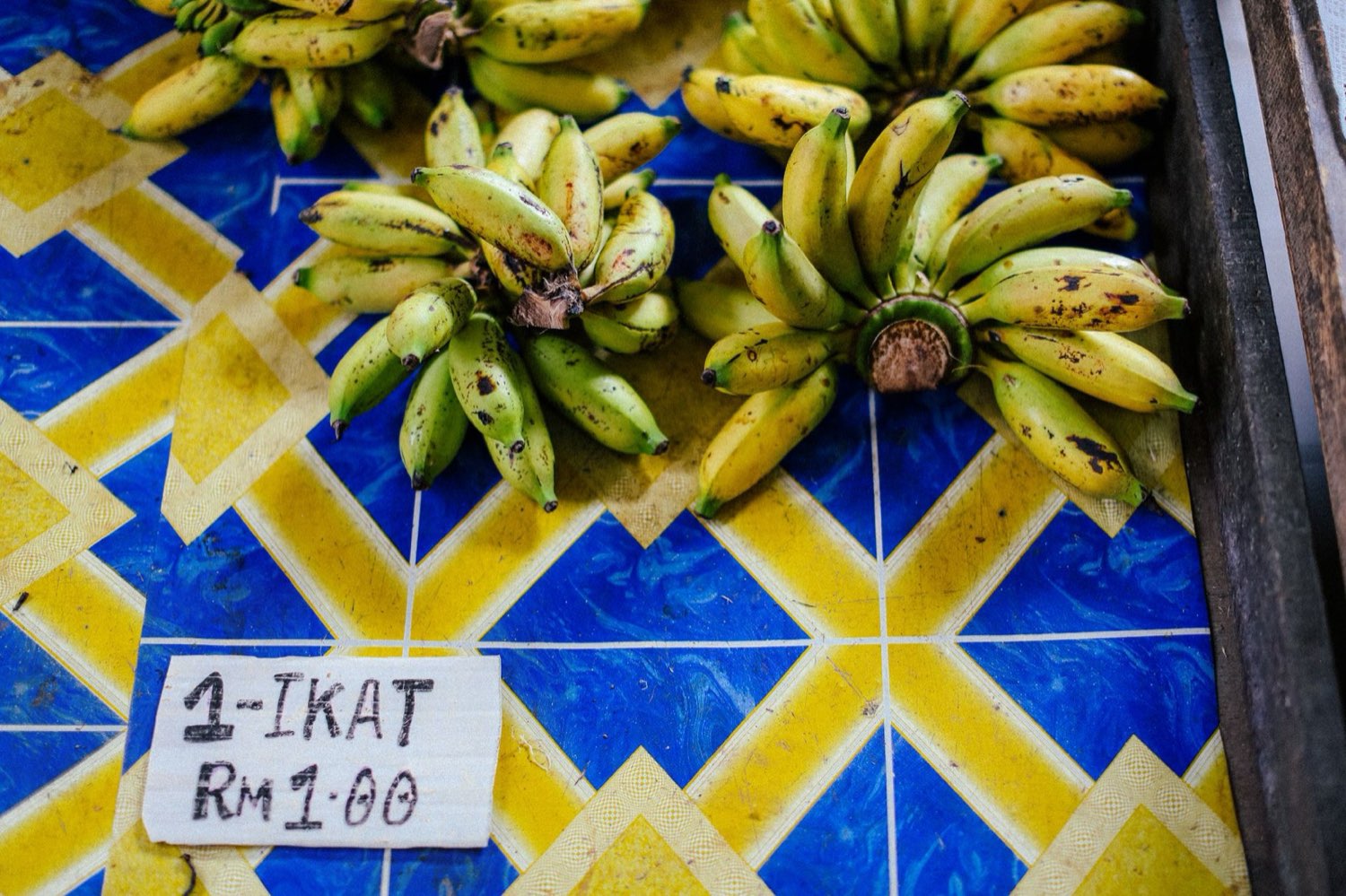
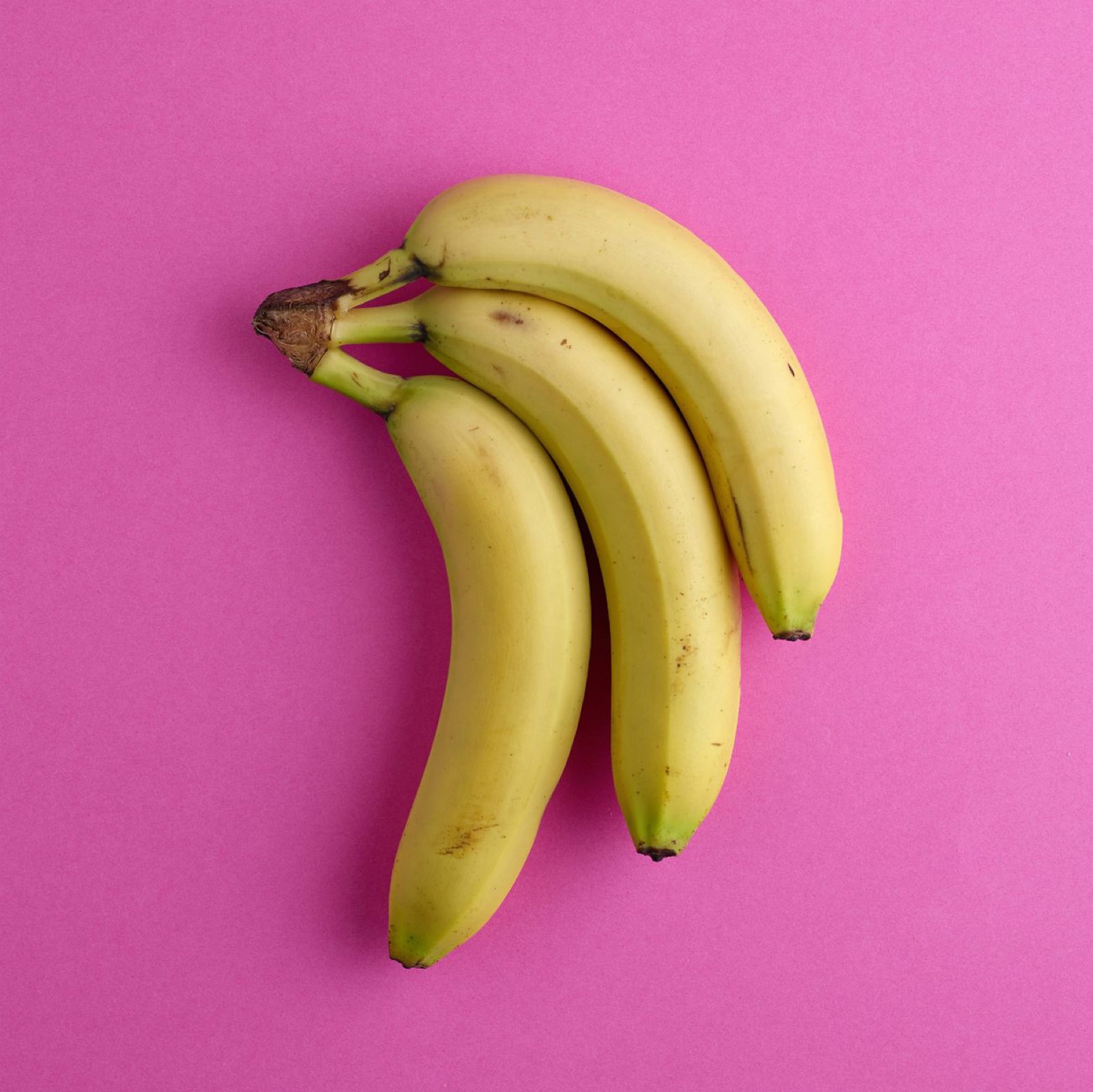
    Bananas representing the sweet banana note in Primal Punch
    Primal Punch pairs GG#4 structure with banana sweetness.

    It is one of the cultivars our merchandise is named after, and one people ask about most often, so here is the full profile.

    Primal Punch at a Glance

    AttributeDetail
    GeneticsGG#4 (Original Glue) × Banana Punch
    TypeBalanced hybrid, sometimes described as sativa-leaning
    AromaSweet banana, ripe fruit, earthy undertone
    FlavourSweet and earthy, bold but smooth
    EffectsUplifting, focused, motivating, gently relaxing
    Best forDaytime, creative work, social settings
    ResinHigh — inherited from GG#4
    Primal Punch quick reference.

    The Parents

    GG#4 (Original Glue)

    GG#4 is one of the most decorated hybrids in modern cannabis, known for extreme resin production and a heavy, diesel-forward character. It contributes the structure, the stickiness and much of the potency.

    It is also the parent behind Zookies, which makes Primal Punch and Zookies half-siblings in a sense — both built on the same glue backbone but pulled in very different directions.

    Banana Punch

    Banana Punch supplies the fruit. Sweet banana is the dominant note, with a tropical roundness that softens the diesel edge GG#4 would otherwise dominate with.

    TraitGG#4Banana PunchPrimal Punch inherits
    AromaDiesel, sour, chemicalSweet banana, tropicalBanana forward, earthy base
    ResinExtremeModerateHigh
    EffectHeavy, hard-hittingRelaxed, fruityUplifting with gentle body
    StructureChunky, coatedDenseDense, frost-coated
    How each parent shapes Primal Punch.

    AllBud’s Primal Punch listing collects consumer reports on the cultivar if you want a broader sample of experiences than any single review.

    What It Feels Like

    Primal Punch is unusual among GG#4 crosses in that it does not flatten you. The reports are consistent: uplifting mental stimulation, improved focus and motivation, with mild physical ease rather than sedation.

    Heavy resin production inherited from the GG#4 parent
    Banana is the dominant fruit note in the profile.

    Most Glue descendants inherit the heaviness along with the resin. That is the trade breeders usually accept, and it is why so many GG#4 crosses end up as evening cultivars regardless of what the other parent contributed.

    Craft cannabis cured in a sealed glass jar
    GG#4 heritage means heavy resin production.

    Banana Punch appears to counteract it. The fruit-forward parent brings enough brightness that the finished plant lands closer to functional than sedating, which is genuinely uncommon in this part of the family tree.

    AspectCharacter
    HeadClear, focused, motivated
    BodyLight relaxation, no couch-lock
    MoodHappy, uplifted, sociable
    Best windowDaytime through early evening
    SuitsCreative work, activity, conversation
    The Primal Punch experience.

    That combination makes it a genuinely functional daytime cultivar, which is less common than menus suggest. A great deal of flower sold as daytime or sativa-leaning turns out to be sedating in practice, because the label reflects lineage rather than observed effect.

    Primal Punch is one of the cases where the description and the experience broadly agree, which is part of why it retains a following despite never being a headline cultivar.

    Growing Notes

    Anything carrying GG#4 produces serious resin, and resin plus density means the same two rules apply as always. Glue descendants also tend to stretch considerably at the flip, so plan vertical space and set your training schedule with that in mind rather than reacting to it later.

    1. Airflow through the canopy. Sticky, dense flower needs moving air.
    2. Handle gently at trim. Resin-heavy cultivars shed trichomes easily.
    3. Feed conservatively late. Banana sweetness fades under heavy nitrogen.
    4. Support the branches. Dense colas on a vigorous plant need help.

    Our LED grow room climate guide, plant training techniques and troubleshooting guide cover the practical side of running cultivars like this.

    Storage and Freshness

    Banana and tropical fruit notes are among the first to fade with age, so freshness matters more on this cultivar than on gas-forward flower where the dominant character is more stable.

    Dense frost-coated cannabis bud typical of Glue crosses
    Craft cannabis cured in glass.

    Sealed glass, cool storage and minimal handling preserve it. If the banana has gone and what remains is generic earthy sweetness, the flower is simply old rather than badly grown.

    Primal Punch and the Glue Family

    CultivarGeneticsCharacter
    Primal PunchGG#4 × Banana PunchBanana sweetness, uplifting
    ZookiesAnimal Cookies × GG#4Nutty, peppery, gas
    Original GlueChem Sis × Sour Dubb × Chocolate DieselDiesel, heavy
    SarcophagosRS11 × Coffin CandySour gas, candy backend
    Primal Punch alongside related gas-forward cultivars.

    If you like the glue backbone, our full Zookies strain guide covers the other major GG#4 cross. For gas without the sweetness, Sarcophagos.

    The Merch

    Primal Punch is one of the cultivars our apparel is named for. The Primal Punch tee and Primal Punch hoodie are part of the Lost Leaf apparel range.

    Craft cannabis flower that inspires Lost Leaf apparel designs
    Dense, frost-coated flower typical of Glue crosses.

    Our own cultivars are documented separately — see Kiwano, Pandemonium and the rest of the current Lost Leaf lineup and where to find it.

    The GG#4 Legacy

    Original Glue is one of the most consequential cultivars in modern cannabis. It swept competitions in the mid-2010s and became a default breeding partner for anyone wanting resin and potency.

    Its weakness as a solo cultivar is the same as its strength: it is heavy, diesel-dominant and not especially nuanced. Breeders have spent a decade crossing that intensity into more interesting flavour partners.

    CrossWhat the partner addsResult
    GG#4 × Banana PunchSweet tropical fruitPrimal Punch — uplifting, banana-forward
    Animal Cookies × GG#4Dessert, nutty sweetnessZookies — nutty, peppery, gas
    GG#4 × variousWhatever is missingResin and potency with a new profile
    How breeders use Original Glue.

    Primal Punch is a good example of the approach working. The banana sweetness is genuinely forward rather than a faint note under diesel, and the effect stays clear where GG#4 alone would flatten you.

    Naming and Sourcing

    As with most cultivar names, Primal Punch appears on menus from multiple producers with varying genetics. Some sources list it as an evenly balanced hybrid, others as sativa-leaning, and seed databases record it under uncertain lineage.

    Tropical fruit representing the Banana Punch side of the cross
    Lost Leaf apparel is named after cultivars like this one.

    If the specifics matter to you, ask the producer directly rather than relying on the name. This is a recurring theme — strain names in cannabis are marketing, not taxonomy.

    Frequently Asked Questions

    What are Primal Punch genetics?

    Primal Punch is a cross of GG#4 (Original Glue) and Banana Punch, combining Glue structure and resin with sweet banana fruit character.

    Is Primal Punch indica or sativa?

    It is a hybrid. Some sources describe it as evenly balanced and others as sativa-leaning; the effect is uplifting and clear rather than sedating.

    What does Primal Punch taste like?

    Sweet banana and ripe fruit over a mild earthy, slightly spicy base. Bold but smooth.

    Is Primal Punch good for daytime?

    Yes. It is noted for uplifting mental stimulation, focus and motivation with only gentle physical relaxation, which suits daytime use well.

    Does Lost Leaf grow Primal Punch?

    Our apparel is named for it, but our own releases are cultivars we hunt from seed in-house. Those are documented individually across our strain guides.

    Educational content for adults 21+ in legal jurisdictions. Lost Leaf flower is available only through licensed Michigan provisioning centres.

  • Zkittlez Strain Guide: Genetics, Terpenes and Why It Is Everywhere

    Zkittlez Strain Guide: Genetics, Terpenes and Why It Is Everywhere

    Zkittlez is a Grape Ape × Grapefruit cross bred by 3rd Gen Family and Terp Hogz, known for a candy-fruit terpene profile led by caryophyllene and limonene. It won first place for Best US Hybrid Concentrate at the 2015 San Francisco Cannabis Cup and has since become one of the most widely used parents in modern breeding.

    Zkittlez cannabis flower showing dense candy-line structure
    Zkittlez is the candy-fruit backbone behind a generation of modern cultivars.

    If you have followed our cultivar releases, you have been reading about Zkittlez the whole time. Almost everything in our catalogue carries Z somewhere in its pedigree.

    Zkittlez at a Glance

    AttributeDetail
    GeneticsGrape Ape × Grapefruit
    Breeders3rd Gen Family and Terp Hogz
    TypeIndica-leaning hybrid (roughly 60/40)
    Dominant terpenesCaryophyllene, limonene, myrcene, humulene
    AromaTropical candy, berry, citrus
    EffectsRelaxed, happy, euphoric, sensory
    OnsetFast — not a creeper
    Notable2015 SF Cannabis Cup, Best US Hybrid Concentrate
    Zkittlez quick reference.

    The Parents

    Grape Ape supplies the indica backbone: physical calm, dense structure and dark colour expression. Grapefruit contributes the sativa side, keeping the effect mood-positive rather than sedating and adding the citrus lift.

    Grapes and citrus representing the Grape Ape and Grapefruit parent strains
    The candy-fruit character is what made Z a breeding staple.

    That combination is why Zkittlez reads as sweet without being heavy. It is relaxing but not flattening, which is unusual for something this indica-leaning.

    Craft cannabis cured in glass to develop Zkittlez terpene complexity
    Grape and citrus are the two flavour poles behind the Z profile.

    Grape Ape is an old-school indica with genuine heritage, and it is where the dark colour expression and the grape sweetness originate. Grapefruit is the less discussed parent but arguably the more important one — without it, Z would be a much heavier and less interesting plant.

    Dense resinous flower typical of Z-dominant cannabis cultivars
    Craft cannabis cured in glass to develop Z terpene complexity.

    Limonene from the Grapefruit side also does something specific. Clinical research has associated it with reduced THC-induced anxiety, which may partly explain why Z-dominant cultivars have a reputation for being comfortable at higher doses than their potency suggests.

    ParentTypeContribution
    Grape ApeIndicaBody calm, density, colour, grape sweetness
    GrapefruitSativa-leaningCitrus lift, uplifted headspace
    Result (Zkittlez)Hybrid ~60/40Candy fruit, relaxed but bright
    How the Zkittlez cross balances.

    Terpene Profile

    Caryophyllene typically dominates, which is notable because it interacts directly with CB2 receptors — unusual among terpenes. Limonene supports it with citrus brightness, myrcene adds physical depth, and humulene rounds the profile with a herbal, woody edge.

    TerpeneRoleContributes
    CaryophylleneDominantPepper, spice, warmth
    LimoneneSecondaryCitrus brightness, mood lift
    MyrceneSecondaryEarthy depth, physical relaxation
    HumuleneSupportingHerbal, woody rounding
    Zkittlez terpene breakdown.

    Abstrax has published detailed terpene analysis of the Zkittlez profile for anyone interested in the underlying chemistry rather than the marketing description.

    Why Everyone Breeds With It

    Zkittlez has an obvious strength and an equally obvious weakness. The terpenes are exceptional. The plant itself is difficult — light yielding, awkward structure, and not especially cooperative.

    Northern Michigan forest beside the Lost Leaf craft cannabis facility
    Z-dominant cultivars throw dense, resinous flower.

    That combination made it the perfect breeding parent. Cross Z with something structurally sound and you keep the flavour while fixing the agronomy. An enormous amount of modern breeding is exactly that project.

    CrossPartner bringsExample
    Z × SherbangerStructure, yield, trichome densityCandy Fumez
    Z × Do-Si-DosPotency, weight, improved growthMoonbow
    Z backcrosses (Zbx)Concentrated Z terpenesKiwano lineage
    Z × dessert linesCreamy roundingVarious Gelato-adjacent crosses
    Common approaches to breeding with Zkittlez.

    The Z Thread Through Our Catalogue

    We did not set out to become a Z-focused producer. It happened because we hunt for flavour first, and the flavour we kept selecting for kept coming from the same family.

    CultivarZ connection
    KiwanoZbx2 Z × (Z × Strawberry Zkillato) — heavily Z-dominant
    PandemoniumZ × Sherbanger, our Candy Fumez selection
    Cherry LimettaMoonbow 112 IX — (Z × Dosido) intercross
    Lou BegaMoonbow 112 IX — same line, different expression
    Sake BombGelato 33 × Sherbanger — the non-Z outlier
    Zkittlez heritage across the Lost Leaf catalogue.

    The clearest expression is Kiwano, a double Zkittlez backcross, which pushes the Z terpenes tropical. Pandemonium shows what Sherbanger structure does for the line, and Lou Bega is about as close to classic Z as our catalogue gets.

    Buying Z-Dominant Flower

    Because Zkittlez appears in so many pedigrees, “Z” on a menu tells you very little on its own. The useful question is which cross, and which side of it the grower selected for.

    Citrus fruit representing the limonene brightness in Zkittlez
    Northern Michigan forest beside the Lost Leaf facility.

    A Z crossed into a gas line and a Z backcrossed into itself are different products with the same shorthand. Ask what the other parent was and you will learn far more than the name conveys.

    Growing Z-Dominant Cultivars

    If you take on anything Z-heavy, plan around density and modest yields. The terpenes are the reason to grow it, and almost every cultivation decision should be made in service of protecting them rather than chasing weight the plant was never going to give you.

    1. Airflow first. Z crosses throw tight flower that traps moisture.
    2. Do not push nitrogen late. The candy notes go first when you overfeed.
    3. Train for an even canopy. Z structure is often uneven without help.
    4. Cure patiently. Z terpenes develop considerably in glass.

    Our grow room climate guide, canopy training techniques and harvest, dry and cure walkthrough cover the practical side.

    Frequently Asked Questions

    What are Zkittlez genetics?

    Zkittlez is a cross of Grape Ape and Grapefruit, bred by 3rd Gen Family and Terp Hogz in California.

    Is Zkittlez indica or sativa?

    It is an indica-leaning hybrid, roughly 60/40. The Grape Ape parent supplies the body calm and Grapefruit keeps the headspace bright.

    What does Zkittlez taste like?

    Tropical candy fruit with berry and citrus notes. The name is a direct reference to the sweet, multi-fruit character.

    Why is Zkittlez used in so many crosses?

    Exceptional terpenes paired with difficult agronomy. Breeders cross it with structurally sound partners to keep the flavour while improving yield and plant behaviour.

    Is Zkittlez a creeper?

    No. Onset is relatively fast, often noticed as pressure around the eyes that develops into heightened sensory awareness.

    The Award and What It Changed

    Zkittlez winning Best US Hybrid Concentrate at the 2015 San Francisco Cannabis Cup mattered more than a trophy usually does.

    It arrived at a moment when the market was shifting from potency-first to flavour-first, and it gave breeders a commercially proven reason to prioritise terpenes. A great deal of what followed — the entire candy-and-dessert wave — traces back to that period.

    The consequence is that Zkittlez genetics are now almost impossible to avoid. If you buy fruit-forward flower in any legal market, there is a reasonable chance Z is somewhere in its background.

    Terpenes Over THC

    Zkittlez is a useful argument against shopping by potency number. It rarely tests at the top of a menu, and it has remained popular for a decade anyway.

    What people buy onWhat actually drives the experience
    THC percentageTerpene content and profile
    Bag appealCure quality and freshness
    Strain nameThe specific phenotype and how it was grown
    PriceWhether it was hand-finished
    Why potency is a poor proxy for quality.

    That principle runs through everything we grow. Our guide to buying Michigan craft cannabis covers what to ask for instead.

    Educational content for adults 21+ in legal jurisdictions. Lost Leaf flower is available only through licensed Michigan provisioning centres.

    Related reading: Do-Si-Dos, its partner in the Moonbow line. How terpene profiles actually work.

    Related reading: RS11, another Z-influenced line.

  • Where to Buy Lost Leaf in Michigan: Stockists and Availability

    Where to Buy Lost Leaf in Michigan: Stockists and Availability

    Lost Leaf flower is sold exclusively through licensed Michigan provisioning centres. Past drops have been stocked at Dunegrass, Olswell, Butter, High Profile, Amazing Budz and 315 North locations across the state. We do not sell flower online, and we never will — Michigan law simply does not permit producers to do so.

    Retail shelves representing a Michigan cannabis provisioning centre menu
    Lost Leaf flower reaches customers only through licensed provisioning centres.

    Our merchandise and grow documents are available directly. Flower is not. This page explains where to look and why availability moves so quickly.

    Where Lost Leaf Has Been Stocked

    RetailerLocationsRegion
    DunegrassBeulah, Cadillac, Gaylord, Traverse City West, Traverse City DowntownNorthern Michigan
    OlswellGrand Rapids, AdrianWest and Southeast Michigan
    ButterAnn ArborSoutheast Michigan
    High ProfileMultiple locationsStatewide
    Amazing BudzMultiple locationsMichigan
    315 NorthMichiganMichigan
    Provisioning centres that have carried Lost Leaf.

    This is a record of where drops have gone, not a live inventory. Stock moves fast and menus change weekly — always check with the store before travelling.

    Why Availability Moves So Fast

    We grow in a 1,000 square foot room. That is the entire operation, and it sets a hard ceiling on how much flower exists at any point.

    Dispensary storefront exterior in Michigan
    Menus at Michigan provisioning centres change week to week.

    Most cultivars are single batches. We hunt a pheno, grow it, sell it through, and move on to the next selection rather than keeping a product line in continuous rotation.

    • Small runs. A 1,000 sq ft room produces a limited amount, full stop.
    • Single batches. Most cultivars are not repeated.
    • Rotating releases. What is on a menu this month is often gone next.
    • No stockpiling. We would rather sell out than hold ageing flower.
    CultivarStatusLast known stockists
    Cherry LimettaTwo harvests, sold throughOlswell, Butter, Dunegrass
    PandemoniumSold throughOlswell Adrian, Dunegrass
    KiwanoSold outRotating
    Sake BombSold outRotating
    Lou Bega, Starbury, Sarcophagos, BaijiuSold outRotating
    Recent Lost Leaf cultivar availability.

    Full profiles for each are linked from Cherry Limetta, Pandemonium, Kiwano, Sake Bomb, Lou Bega, Starbury, Sarcophagos and Baijiu.

    How to Actually Find It

    1. Ask for it by name. Budtenders know what is in the case and what is coming.
    2. Check menus online first. Most provisioning centres publish live inventory.
    3. Follow the drops. Instagram is where releases get announced first.
    4. Ask the store to request it. Retailer demand genuinely influences what we allocate where.

    That last point is not a platitude. We are small enough that a provisioning centre asking for a cultivar is a meaningful signal about where the next batch should go.

    Northern Michigan landscape where much of the state craft scene is based
    Merch and grow documents are available directly; flower is not.

    Retail relationships work differently at our scale than they do for large producers. We are not negotiating shelf space across hundreds of stores — we are working with a handful of buyers who know what we grow and tell us when their customers are asking for it.

    Lost Leaf craft cannabis flower prepared for licensed retail
    Northern Michigan is home to much of the state craft scene.

    If your local provisioning centre does not carry us, telling them is genuinely the most effective thing you can do about it.

    What You Can Buy Directly

    Flower is retail-only, but two things are available straight from us.

    ProductAvailableNotes
    Cannabis flowerLicensed provisioning centres onlyMichigan law; no online sales
    Apparel and merchDirect from our shopTees, hoodies, hats, backpack
    Grow documentsDirect, digital downloadCultivation guides written in-house
    What is sold directly versus through retail.
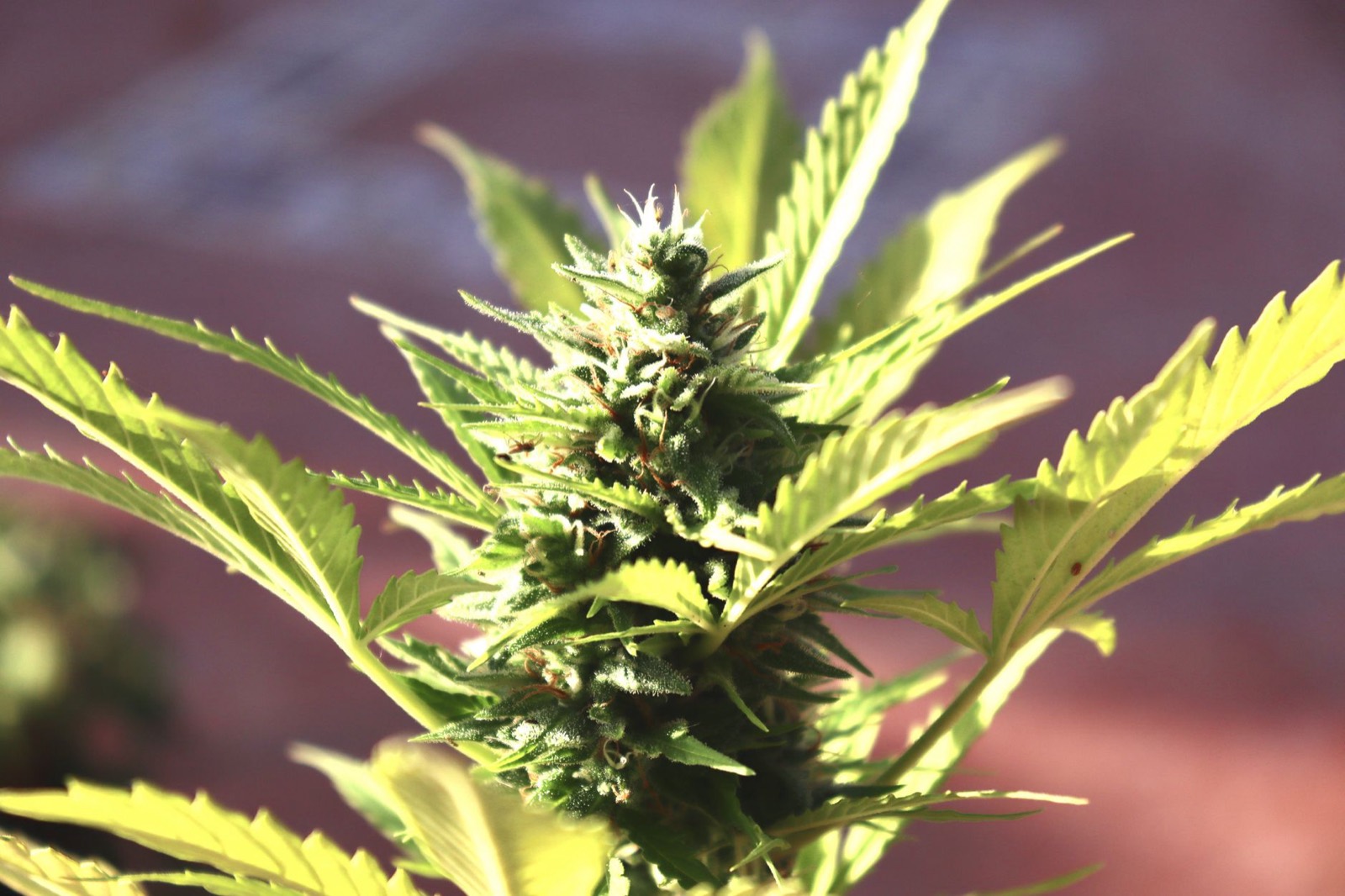
    Browse the Lost Leaf apparel and merch range or the cannabis grow document collection, which covers everything from cloning and nutrients through to harvest and cure.

    Buying Craft Flower Well

    Whether or not it is ours, a few habits make it far easier to find genuinely good small-batch flower on a Michigan menu.

    • Ask the harvest date. Fresh matters, and staff usually know.
    • Ask about the terpene profile, not just the THC number.
    • Ask whether it was hand-trimmed. It tells you a lot about the producer.
    • Ask who grew it. Craft producers are usually named; commodity flower often is not.

    Our fuller guide to buying Michigan craft cannabis goes into what separates small-batch flower from volume production, and why potency numbers are a poor proxy for quality.

    Wholesale and Stockist Enquiries

    If you run a provisioning centre and want to carry Lost Leaf, we would like to hear from you. We work with a small number of retailers and prefer relationships to volume.

    Customer asking at a dispensary counter for craft cannabis by name
    Craft flower prepared for licensed retail.
    Get in touch through our contact page, or read more about how and why we grow the way we do.

    Micro-batch craft cannabis flower detail
    Ask for it by name at the counter.

    Olswell publish live menus across their Michigan locations, which is a reasonable place to start if you are checking current availability in West or Southeast Michigan.

    Frequently Asked Questions

    Can I buy Lost Leaf flower online?

    No. Michigan law permits cannabis sales only through licensed provisioning centres. Our merchandise and grow documents are available online; flower is not.

    Which dispensaries carry Lost Leaf?

    Past drops have been stocked at Dunegrass, Olswell, Butter, High Profile, Amazing Budz and 315 North locations. Availability rotates, so check the store menu first.

    Why does Lost Leaf sell out so quickly?

    We grow in a 1,000 square foot room and most cultivars are single batches. There is simply not much of any given release.

    Do you ship to other states?

    No. Cannabis cannot legally cross state lines. Merchandise and digital grow documents ship normally.

    How do I get a dispensary to stock Lost Leaf?

    Ask them to request it, and get in touch with us directly. We are small enough that retailer interest genuinely affects where batches are allocated.

    Why We Sell Through Retailers Only

    Michigan permits adult-use cannabis sales exclusively through licensed provisioning centres. Producers cannot ship flower to customers, run a farm gate, or sell direct at any scale.

    That is not a preference on our part — it is how the regulatory structure works, and it applies to every licensed grower in the state. Any site offering to post you Michigan flower is not operating legally.

    RouteLegal in Michigan?Notes
    Licensed provisioning centreYesThe only lawful retail channel
    Direct from producerNoGrowers cannot sell to consumers
    Online flower orders shippedNoNot permitted
    Across state linesNoFederally prohibited
    Merchandise and digital goodsYesOrdinary e-commerce
    How Michigan cannabis reaches customers.

    Understanding Our Release Cycle

    Because we hunt every cultivar from seed, a release is genuinely finite. The pheno exists, we run it, and unless we keep a mother and choose to run it again, that is the end of it.

    Cherry Limetta is the exception that proves the rule — it earned a second harvest by performing consistently. Most cultivars get one run before the room moves on to the next hunt.

    If you want to know what is coming rather than what has gone, the cultivation journal is where drops get written up, and the individual strain guides linked above document what each release actually was.

    Educational content for adults 21+ in legal jurisdictions. Lost Leaf flower is available only through licensed Michigan provisioning centres.

    Related reading: Reading the lab report behind the package.

    Related reading: Michigan possession limits and consumption rules.

  • Cannabis Growing Problems: A Diagnostic Troubleshooting Guide

    Cannabis Growing Problems: A Diagnostic Troubleshooting Guide

    Most cannabis growing problems trace back to four causes: root-zone pH, watering practice, environment, or light stress — in that order of frequency. Before treating a symptom, check pH and EC, weigh the pot, and read your leaf-level VPD. The majority of what looks like disease or deficiency resolves at one of those three checks.

    Leaf damage showing burnt tips typical of nutrient excess
    Reading the plant accurately is the whole of troubleshooting.

    Diagnosis is a process of elimination, and the biggest mistake is skipping straight to a product. This guide works through symptoms in the order a grower actually encounters them.

    The Diagnostic Order

    Work through these in sequence. Each step is cheap, fast, and eliminates a large category of causes.

    1. Root-zone pH. Outside 6.0–6.8 in soil or 5.5–6.2 in coco and hydro, nutrients lock out regardless of what you feed.
    2. EC / PPM. Overfeeding presents as deficiency more often than growers expect.
    3. Pot weight. Over and underwatering look almost identical from above.
    4. Leaf-level VPD. Wrong environment stalls transpiration and therefore uptake.
    5. Light distance and intensity. Bleaching and foxtailing are light problems, not feed ones.
    6. Only then consider pests, pathogens or genuine deficiency.

    If you change more than one variable at a time you lose the ability to learn anything from the result. Change one, wait, observe.

    Controlled grow environment preventing common cultivation problems
    Leaf damage tells you where to look, not what to add.

    This sounds obvious and is routinely ignored. A struggling plant creates urgency, urgency creates the impulse to fix everything at once, and the grower ends up with a recovered plant and no idea which of the four changes did it.

    Grow log records used to track pH, EC and plant health over time
    Environmental control prevents most problems before they appear.

    The cost is not just curiosity. Next time the same problem appears you are starting from scratch again, because you never learned what caused it.

    Symptom Reference

    SymptomMost likely causeFirst checkFix
    Yellowing lower leavesNitrogen deficiency or pH lockoutRunoff pHCorrect pH, then feed
    Yellow between veins, veins greenMagnesium deficiencypH and CalMagCalMag at correct pH
    Burnt, clawed leaf tipsNutrient burn, EC too highRunoff ECFlush, reduce strength
    Drooping, firm, curled downOverwateringPot weightExtend dry-back
    Drooping, limp, paperyUnderwateringPot weightWater thoroughly
    Leaf edges curling upwardHeat stress, VPD too highCanopy temperatureCool or humidify
    White powder on leavesPowdery mildewAirflow and humidityAirflow, lower RH, remove leaves
    Fine stippling then webbingSpider mitesLeaf undersidesRaise RH, predators
    Bleached white bud tipsLight too intense or closeLight distanceRaise lights
    Foxtailing towers on colasHeat at canopyCanopy temperatureReduce intensity or heat
    Brown mush inside colasBotrytis (bud rot)Late-flower humidityRemove, dehumidify, airflow
    Purple stems, dark leavesPhosphorus issue or geneticspH, then lineageLower pH to 6.0–6.3
    Cannabis symptom, cause and correction reference.

    pH Lockout: The Most Common Culprit

    A large share of apparent deficiencies are not shortages at all. The nutrient is present in the medium and the plant simply cannot access it.
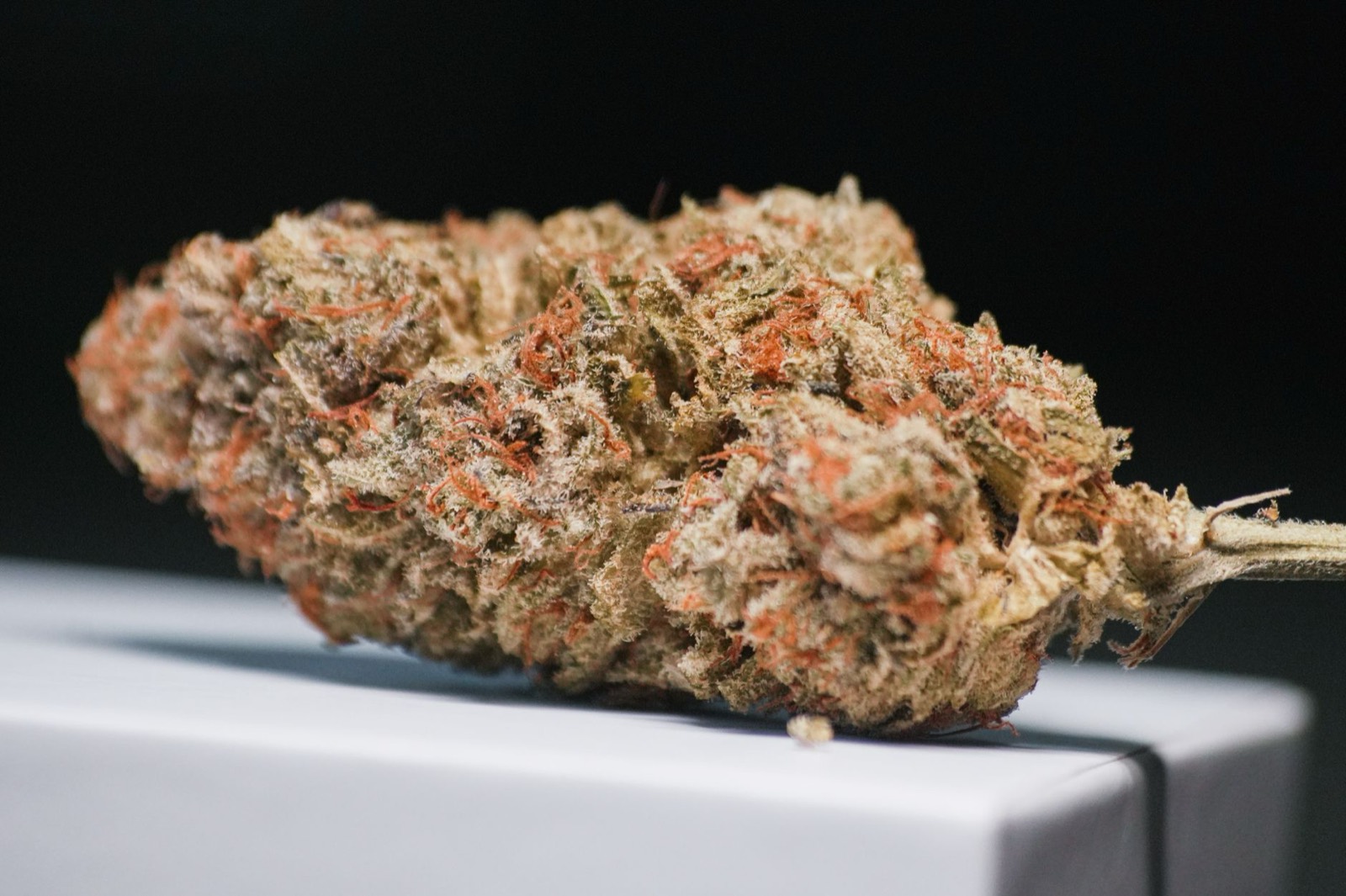
    Healthy new cannabis growth confirming a successful correction
    Records and photographs make diagnosis far more reliable than memory.

    This is why adding more of the “missing” nutrient so often makes things worse — it raises EC without solving access, and now you have two problems.

    MediumTarget pHWhat locks out first
    Soil6.0–6.8Iron, manganese, phosphorus
    Coco coir5.5–6.2Calcium and magnesium
    Hydroponic5.5–6.2Broad lockout, rapid onset
    pH windows and typical lockout order.

    Feeding ratios, EC targets and the full deficiency chart are in our cannabis nutrients guide.

    Environmental Problems Masquerading as Deficiency

    If transpiration stalls, uptake stalls with it. A room at the wrong VPD produces symptoms that look nutritional and will not respond to any feed change.

    • VPD too low: slow growth, guttation droplets, edema, mould risk.
    • VPD too high: leaf curl, wilting despite adequate water, stunted growth.
    • Poor airflow: mildew, botrytis, uneven canopy performance.
    • Insufficient day-night differential: excessive stretch, weak structure.

    The stage-by-stage targets are in our LED grow room temperature, humidity and VPD guide, and watering diagnosis in the irrigation and watering guide.

    Light Stress

    Modern LED fixtures are powerful enough to damage plants that are otherwise perfectly healthy, and the symptoms get misread as nutritional constantly.

    SignCauseCorrection
    Bleached white topsExcessive intensity, lights too closeRaise fixtures or dim
    FoxtailingHeat stress at canopy levelReduce heat, increase distance
    Taco-ing leavesLight or heat stressReduce intensity
    Stretchy, weak growthInsufficient intensityLower fixtures or increase output
    Even yellowing at canopy topLight burn, not deficiencyRaise lights before feeding
    Diagnosing light-related stress.

    When It Is Actually Pests or Pathogens

    Once pH, feed, water, environment and light are eliminated, look at what is living on the plant.

    Methodical close inspection of a cannabis plant during diagnosis
    Healthy new growth is the only real confirmation a fix worked.

    Because we grow without pesticides or sterilizers, our approach is entirely preventative — the full method is in our integrated pest management guide. Early detection is the difference between a nuisance and a lost run.

    By the time a problem is obvious across the room, you are weeks behind it.

    Building a Diagnostic Habit

    1. Take photographs. Progression over days tells you far more than one snapshot.
    2. Log pH, EC and runoff. Trends reveal causes that single readings hide.
    3. Check the same plants each time. Consistency makes change visible.
    4. Look at leaf undersides. Most pest problems start where you are not looking.
    5. Change one variable. Then wait long enough to see the result.

    Grow Weed Easy maintains a well-illustrated plant problem reference that is useful for visual comparison when you are trying to match a symptom.

    Yellowing cannabis leaves often caused by pH lockout rather than deficiency
    A methodical approach beats reaching for another bottle.

    Our own diagnostic procedures are in the Lost Leaf problem solving and troubleshooting grow document, available individually or in the complete grow document package.

    Frequently Asked Questions

    Why are my cannabis leaves turning yellow?

    Most often nitrogen deficiency or pH lockout. Check runoff pH before adding anything — if pH is out of range the nutrient is present but inaccessible.

    What is pH lockout?

    When root-zone pH sits outside the usable window, nutrients cannot be absorbed even though they are present. It produces symptoms identical to deficiency and worsens if you feed more.

    How do I tell light burn from nutrient burn?

    Light burn appears at the top of the canopy nearest the fixtures and often as even yellowing or bleaching. Nutrient burn starts at leaf tips and works inward, anywhere on the plant.

    Should I flush when I see a problem?

    Only if EC is high or you suspect salt build-up. Flushing a plant that is actually underfed makes things worse. Measure first.

    How long before I see improvement?

    Existing damaged leaves will not recover. Judge by new growth, which typically takes three to seven days to show whether a correction worked.

    Problems That Are Not Problems

    Some of what growers panic about is normal plant behaviour, and treating it makes things worse.

    ObservationOften normal becauseWhen to worry
    Yellowing fan leaves in late flowerThe plant is remobilising nitrogenIf it starts early in flower
    Lower leaves dying offLight cannot reach them; the plant is sheddingIf it spreads up rapidly
    Purple stemsGenetics in many cultivarsIf paired with poor growth
    Slight droop at lights-offNormal circadian responseIf persistent during lights-on
    Leaf tips pointing down late in flowerMaturityIf accompanied by burn
    Normal plant behaviour that is frequently misdiagnosed.

    The general rule is that gradual, bottom-up changes late in the cycle are usually the plant doing what plants do. Sudden changes, changes at the top of the canopy, and anything affecting new growth deserve attention.

    Educational content for adults 21+ growing legally in their jurisdiction. Check your local regulations before cultivating cannabis.