Author: Leaf Lost

  • Animal Cookies Strain: GSC With Fire OG Weight Behind It

    Animal Cookies Strain: GSC With Fire OG Weight Behind It

    Animal Cookies is a cross of Girl Scout Cookies and Fire OG, created in the 2010s by BC Bud Depot in Canada. It runs roughly 75% indica, tests between 18% and 27% THC, and hits noticeably harder and earlier than the GSC it descends from.

    Cookies representing the dessert nose inherited from GSC
    Animal Cookies takes GSC sweetness and adds Fire OG weight.

    It is also the parent of Zookies, which is why it matters to anyone reading our catalogue. If you have wondered why Zookies carries a dessert nose over a genuinely heavy backbone, Animal Cookies is where both halves came from, and understanding it explains the cultivar considerably better than the Zookies page can on its own.

    Animal Cookies at a Glance

    AttributeDetail
    GeneticsGirl Scout Cookies × Fire OG
    BreederBC Bud Depot, Canada
    Created2010s
    Indica / sativaApproximately 75 / 25
    THC18–27%
    AromaSweet dessert, doughy, earthy OG undertone
    EffectFast euphoric rush, then heavy sedation
    Also known asAnimal Crackers
    Animal Cookies quick reference.

    What Fire OG Changed

    Animal Cookies smells and tastes close to GSC. The effect is a different matter entirely.
    Dense resinous flower with strong bag appeal
    The dessert nose is inherited almost intact from GSC.

    Fire OG is an OG Kush descendant with a reputation for genuine potency, and it shifts the whole effect arc: earlier sedation, a higher THC ceiling, and a considerably shorter functional window than GSC offers.

    GSCAnimal Cookies
    GeneticsOG Kush × Durban PoisonGSC × Fire OG
    Indica lean~60%~75%
    THCModerate to high18–27%
    OnsetBalanced, gradualFast and hard
    EffectEuphoric then relaxedEuphoric then sedating
    Functional windowLongerShort
    Animal Cookies compared with its GSC parent.

    That comparison is worth internalising if you are choosing between them on a menu. They read similarly in the jar and behave quite differently an hour later.

    A Note on Naming

    Animal Cookies and Animal Crackers are the same plant. You will also see Animal Cookies used loosely as a family label for its own descendants, which muddies menus further.
    Cookie dough representing the doughy sweetness in the profile
    Dense, heavily resinous flower with strong bag appeal.

    If you want the actual cultivar rather than something in its orbit, ask for the genetics. GSC crossed with Fire OG is the answer you are looking for.

    The Effect Arc

    Reports are consistent: a fast rushing lift, happy and unfocused, that slides into giggly haziness and then into a heavy body calm. Appetite is pronounced. Sedation arrives sooner than most people expect.

    • Onset: fast, euphoric, disorienting for low tolerance
    • Middle: giggly, hazy, appetite-driven
    • Late: heavy eyelids, strong urge to recline
    • Best for: evening, appetite, sleep

    The OG Kush lineage from Fire OG is what produces that back half. Pure Cookies genetics rarely sedate this reliably.

    This OG Kush background piece covers the family Fire OG belongs to, which explains where the weight comes from.

    Animal Cookies and Zookies

    Zookies is Animal Cookies crossed with Original Glue, and it is the reason this cultivar appears in our catalogue at all.

    StepCrossResult
    1OG Kush × Durban PoisonGSC
    2GSC × Fire OGAnimal Cookies
    3Animal Cookies × GG4Zookies
    From OG Kush to Zookies in three steps.

    Our Zookies guide covers the finished cultivar. Interestingly Zookies is markedly less sedating than Animal Cookies — the Glue side pulls it back toward a balanced effect. Original Glue covers that half.

    The BC Bud Depot Angle

    Animal Cookies is one of the few widely grown American-market cultivars that came out of Canada rather than California.

    Craft cannabis cured in a sealed glass jar
    Cookie dough sweetness remains the dominant nose.

    BC Bud Depot built it in the 2010s specifically to raise the THC ceiling on the Cookies profile. That was a deliberate commercial goal at a moment when potency numbers were becoming the primary sales driver, and it worked.

    Restful setting representing the sedating evening effect
    Craft cannabis cured in glass.

    The trade was functional range. Animal Cookies is stronger than GSC and considerably less versatile.

    What Fire OG Brings

    Fire OG is itself an OG Kush cross, and it carries the heaviness that runs through that entire family. Understanding it explains the whole effect profile.

    ParentLineageContribution to Animal Cookies
    GSCOG Kush × Durban PoisonDessert sweetness, density, bag appeal
    Fire OGOG Kush × SFV OGPotency, early sedation, heavy body
    The Animal Cookies cross.

    Both parents trace back to OG Kush, which is why the OG character comes through so strongly despite the Cookies nose. Our GSC guide covers the other side.

    Choosing Between Cookies Cultivars

    If you are standing in front of a menu with several Cookies-family options, the practical differences are worth knowing.

    CultivarEffectBest for
    GSCBalanced, euphoric then relaxedBroad use
    Animal CookiesFast euphoria then heavy sedationEvening, sleep, appetite
    ZookiesFocused then relaxed, not sedatingAfternoon, social
    Gelato 33Euphoric, even, creativeDaytime through evening
    How the Cookies family differs in practice.

    They smell similar and behave differently, which is exactly the argument for shopping on terpene profile and producer rather than family name. Our piece on classification covers why category labels fail at this.

    Storage

    The dessert notes fade before the OG earthiness does, so an older Animal Cookies jar tends to read heavier and less sweet than a fresh one. Check the harvest date, and store in sealed glass somewhere cool and dark to slow it.

    Growing Notes

    Animal Cookies inherits Cookies density and OG sensitivity, which is a demanding combination.

    1. Airflow. Dense Cookies structure in still air is a botrytis risk.
    2. Do not overfeed. The OG side sulks when pushed.
    3. Moderate yields. This is a quality cultivar rather than a weight one.
    4. Slow cure. The doughy sweetness develops over weeks.

    See grow room climate targets and harvesting, drying and curing for the practical detail.

    The Potency Era

    Animal Cookies belongs to a specific moment in cannabis breeding: the period when raising THC ceilings became the dominant commercial objective.
    Dense indica-dominant bud structure
    Heavy resin production inherited from both sides.

    It succeeded at that. It also illustrates the cost, because a cultivar optimised for peak potency is not necessarily one people reach for most often. GSC remains more widely grown than its stronger descendant.

    Breeding goalWhat it optimisesWhat it can cost
    Maximum potencyTHC ceilingFunctional range, versatility
    Flavour firstTerpene expressionYield and weight
    Commercial yieldWeight per lightNuance and character
    StructureGrowabilityNothing much — usually additive
    What different breeding priorities produce.

    We hunt for flavour rather than potency, which is why our own numbers are often unremarkable. Our guide to reading a COA covers why that figure predicts less than people assume.

    Frequently Asked Questions

    What are Animal Cookies genetics?

    Animal Cookies is Girl Scout Cookies crossed with Fire OG, bred by BC Bud Depot in Canada during the 2010s.

    Is Animal Cookies stronger than GSC?

    Generally yes. THC runs 18–27% and the Fire OG influence produces earlier, heavier sedation than GSC alone.

    Is Animal Cookies the same as Animal Crackers?

    Yes, the two names refer to the same cultivar.

    What is Animal Cookies good for?

    Evening use, appetite and sleep. The functional window is short because sedation arrives quickly.

    How does it relate to Zookies?

    Zookies is Animal Cookies crossed with Original Glue. The Glue side makes Zookies noticeably less sedating than its Animal Cookies parent.

    Educational content for adults 21+ in legal jurisdictions. Lost Leaf flower is available only through licensed Michigan provisioning centres.

    Related reading: Fire OG, the parent behind its weight.
  • OG Kush Strain: The West Coast Foundation Nobody Can Verify

    OG Kush Strain: The West Coast Foundation Nobody Can Verify

    OG Kush is the most consequential cultivar in American cannabis after Chemdawg, and its genetics have never been confirmed. The most widely accepted account has it emerging from Chemdawg crossed with Lemon Thai and a Hindu Kush line, stabilised in 1990s Los Angeles by Josh D and Matt “Bubba” Berger.

    Pine needles representing the earthy pine note in OG Kush
    OG Kush defined West Coast cannabis for two decades.

    Even major strain databases describe the parentage as supposed rather than documented, because like Chemdawg it started from bag seed. For a plant that shaped an entire coast’s idea of what cannabis should smell like, the paper trail is remarkably thin.

    OG Kush at a Glance

    AttributeDetail
    GeneticsChemdawg × Lemon Thai × Hindu Kush (widely accepted, unconfirmed)
    Stabilised byJosh D and Matt “Bubba” Berger, Los Angeles, 1990s
    TypeIndica-leaning hybrid
    AromaEarthy pine, lemon, fuel, skunk
    EffectHeavy, euphoric, deeply relaxing
    DescendantsGSC, Fire OG, OGKB, Face Off OG and hundreds more
    SignificanceDefined the West Coast profile
    OG Kush quick reference.

    The Genetics Question

    According to Josh D, one of the Los Angeles growers who stabilised it, OG Kush came from a Chemdawg selfed seed crossed with a Lemon Thai and Pakistani Kush hybrid.

    Dense resin and trichome coverage typical of OG genetics
    Earthy pine and lemon over fuel is the classic OG signature.

    Other accounts point to accidental pollination, or to secret cuts traded between trusted growers and never documented. Leafly lists it as Chemdawg crossed with Hindu Kush while acknowledging the uncertainty directly.

    Lemon citrus representing the Lemon Thai influence in OG Kush
    Dense, resinous flower is the structural OG inheritance.

    What is agreed is the Chemdawg ancestry. Everything sharp and fuel-driven about OG Kush comes from that side, and it is why OG and Sour Diesel feel like relatives despite their differences.

    Proposed parentContributesConfidence
    ChemdawgFuel, sharpness, potencyHigh — broadly agreed
    Hindu KushIndica structure, earthiness, resinModerate
    Lemon ThaiCitrus liftContested
    What may sit behind OG Kush.

    Cali Terpenes have a detailed write-up of the OG Kush history covering the competing accounts.

    Storage and Freshness

    OG profiles hold up reasonably well in storage. The pine and fuel notes persist where citrus fades, so an older OG jar reads earthier and heavier than a fresh one rather than losing character entirely. Sealed glass, cool and dark, as always.

    What Does “OG” Mean?

    This is disputed too, which is fitting for a cultivar whose entire history is contested.

    • Original Gangster — a nod to its reputation and popularity in hip-hop culture.
    • Ocean Grown — a claim that it was grown near the Pacific.
    • Original Kush — the simplest reading, marking it as the reference plant.

    None is settled. All three circulate, and the ambiguity has become part of the folklore.

    Why It Mattered

    OG Kush did for the West Coast what Sour Diesel did for the East. It set the expectation of what good cannabis smelled like for an entire region and generation.

    More importantly, it became a breeding foundation. Crossed with Durban Poison it produced GSC, and GSC went on to produce most of the modern dessert catalogue.

    DescendantCrossLeads to
    GSCOG Kush × Durban PoisonGelato, Sunset Sherbet, GMO, Animal Cookies
    Fire OGOG Kush × SFV OGAnimal Cookies
    Face Off OGOG Kush phenotypeDo-Si-Dos
    OGKBGSC-derived, OG-influencedDo-Si-Dos
    Major OG Kush descendants.

    Follow those forward and you reach nearly everything we grow. GSC is the crucial link, and Do-Si-Dos reaches our Moonbow cultivars through two separate OG routes.

    OG Kush in Our Catalogue

    Lost Leaf cultivarRoute back to OG Kush
    Cherry LimettaMoonbow → Do-Si-Dos → OGKB and Face Off OG
    Lou BegaMoonbow → Do-Si-Dos → OGKB and Face Off OG
    Sake BombGelato 33 → Sunset Sherbet → GSC → OG Kush
    BaijiuGarlic Cocktail → GMO → GSC → OG Kush
    How OG Kush reaches our cultivars.

    Cherry Limetta and Lou Bega carry the heaviest OG influence, which is where the weight in both of them comes from.

    The Kush Half

    Hindu Kush is the other side of the widely accepted account, and it is worth understanding what a Kush landrace contributes.

    Craft cannabis cured in a sealed glass jar
    Pine and citrus sit over the fuel base.

    Kush populations adapted to the mountainous regions along the Afghanistan-Pakistan border — short, broad-leaved, fast-flowering plants with dense resinous flower and earthy, hashy aromatics. They are the archetypal indica in the botanical sense.

    Pacific coast referencing the Ocean Grown theory behind the OG name
    Craft cannabis cured in glass.

    That structure is what pulled OG Kush away from its Chemdawg parent. Chemdawg is tall and stretchy; OG is denser and heavier, and the Kush side is why.

    Growing OG Genetics

    OG lines have a reputation for being demanding, and it is deserved.

    1. Sensitive to overfeeding. OG plants sulk when pushed harder than they want.
    2. Structure needs support. Long branches, heavy colas.
    3. Moderate yields. These are flavour plants, not weight plants.
    4. Strong odour. Fuel profiles announce themselves early.

    Our nutrients guide covers feeding sensitive genetics and plant training covers supporting long branches.

    Why OG Lost Ground

    OG Kush is still grown everywhere, but it no longer defines the market the way it did. The reasons are the familiar commercial ones.

    FactorOG KushModern dessert cultivar
    YieldModerateHigh
    Feeding toleranceSensitiveForgiving
    StructureLong branches, needs supportCompact
    Bag appealGoodExcellent
    Consumer familiarityHigh but datedCurrent
    Why OG Kush ceded ground commercially.

    None of that reflects on quality. A well-grown OG remains one of the best things in cannabis, and the profile is distinctive in a way that a great many contemporary cultivars are not.

    The OG Family

    What OG Kush lost as a product it more than made up for as a parent. The descendant list is close to unmatched.

    CultivarRelationshipWhere it leads
    Fire OGOG Kush × SFV OGAnimal Cookies, then Zookies
    Face Off OGSelected OG phenotypeDo-Si-Dos, then Moonbow
    OGKBGSC-derived, OG-influencedDo-Si-Dos
    GSCOG Kush × Durban PoisonGelato, Sunset Sherbet, GMO
    The OG Kush descendant tree.

    That means OG Kush reaches our catalogue by at least three separate routes. Animal Cookies via Fire OG, Do-Si-Dos via Face Off OG and OGKB, and GSC directly.

    Buying OG Today

    OG Kush is grown everywhere and the name is applied loosely. A great deal of what is labelled OG on menus has only distant OG heritage.

    Northern Michigan forest beside the Lost Leaf facility
    Northern Michigan forest beside the facility.

    Ask who grew it and what the terpene profile is rather than trusting the name. Our craft cannabis buyer’s guide covers the questions worth asking.

    Frequently Asked Questions

    What are OG Kush genetics?

    Most commonly given as Chemdawg crossed with Lemon Thai and a Hindu Kush line, though the parentage has never been confirmed. It originated from bag seed.

    What does OG stand for?

    It is disputed. Original Gangster, Ocean Grown and Original Kush all circulate, and none is settled.

    Who created OG Kush?

    It was stabilised in 1990s Los Angeles, most often credited to Josh D and Matt “Bubba” Berger.

    What strains come from OG Kush?

    GSC most importantly, plus Fire OG, Face Off OG and OGKB. Through GSC it is an ancestor of Gelato, Sunset Sherbet and GMO.

    What does OG Kush smell like?

    Earthy pine and lemon over a fuel and skunk base. It is one of the defining aromas in cannabis.

    Educational content for adults 21+ in legal jurisdictions. Lost Leaf flower is available only through licensed Michigan provisioning centres.

    Related reading: Hindu Kush, one of its proposed parents. Fire OG, its strongest descendant.

  • Indica vs Sativa vs Hybrid: What the Science Actually Says

    Indica vs Sativa vs Hybrid: What the Science Actually Says

    The indica and sativa labels do not reliably predict how cannabis will make you feel. When researchers compared terpene profiles across products labelled indica, sativa and hybrid, they found no meaningful chemical differences between the groups. The terms describe plant structure and growing history, not effect.

    Molecular model representing chemovar classification by chemistry
    The labels are useful shorthand for growers and misleading for consumers.

    This is not a fringe position. It is the mainstream scientific view, and it has been for some years — the dispensary menu simply has not caught up. Understanding why the labels fail makes it far easier to buy cannabis you actually enjoy.

    What the Terms Originally Meant

    The distinction began as botany, describing plant morphology and geographic origin rather than anything about the experience.

    TermOriginal meaningWhat it does not tell you
    IndicaShort, broad-leaved, fast-floweringWhether it will relax you
    SativaTall, narrow-leaved, slow-floweringWhether it will energise you
    HybridA cross between the twoAlmost nothing at all
    What indica and sativa actually describe.

    For a grower those descriptions remain genuinely useful. A short, fast-finishing plant and a tall, slow one need different rooms and different schedules.

    Why the Effect Prediction Fails

    The problem is that fifty years of hybridisation have thoroughly mixed the two populations.

    Practically everything sold today is a hybrid of a hybrid of a hybrid. Cultivars described as “indica” or “sativa” usually have undocumented mixed backgrounds, and the label reflects marketing convention rather than measured chemistry.

    Cannabis leaf showing the morphology the labels actually describe
    Chemistry, not leaf shape, determines the experience.

    National Geographic covered the research on this in a useful summary of why the labels do not hold up.

    Common beliefWhat the evidence shows
    Indica sedates youNo consistent correlation with plant type
    Sativa energises youNo consistent correlation with plant type
    Hybrids are balancedDepends entirely on the specific plant
    Leaf shape predicts effectIt predicts growth habit, not chemistry
    The label is standardisedIt is applied inconsistently across producers
    Indica and sativa claims against the evidence.

    What Actually Predicts Effect

    If the labels do not work, something has to. The answer researchers and experienced consumers converge on is chemical composition.

    The proposed alternative is the chemovar — short for chemical variety — which groups cannabis by its actual cannabinoid and terpene content rather than by plant shape.

    Chemovar groupingTypical character
    Limonene-dominantBright, uplifting, mood-lifting
    Myrcene-dominantEarthy, relaxing, body-heavy
    Caryophyllene-dominantPeppery, warm, calming
    Pinene-dominantClear, alert, fresh
    Terpinolene-dominantComplex, fruity, energetic
    Grouping cannabis by dominant terpene rather than plant type.

    That is a far better predictor than indica or sativa, and it is measurable rather than inferred. Our guide to cannabis terpenes covers each compound in detail.

    How to Shop Instead

    None of this means the categories are worthless in a dispensary. They are a rough starting point. But there are far better questions to ask.

    1. Ask for the dominant terpenes. This predicts character better than anything else.
    2. Ask for total terpene content. Above 2% is where good flower starts.
    3. Ask the harvest date. Old flower underperforms regardless of label.
    4. Ask who grew it. Producer matters as much as cultivar.
    5. Track what you respond to. Your own record beats any category.

    Our guide to reading a cannabis COA covers where to find terpene data, and the Michigan craft buyer’s guide covers what to ask at the counter.

    Why We Describe Cultivars the Way We Do

    You will notice our own strain pages do not lead with indica or sativa percentages. That is deliberate.

    Balance scales representing measurable terpene data versus category labels
    Two plants from one cross can behave completely differently.

    We describe terpenes and the observed effect instead, because those are the things that actually tell you what a cultivar is like. Saying Kiwano is a hybrid conveys nothing; saying it is tropical melon with a heady, clear-headed lift conveys something real.

    CultivarHow we describe it
    KiwanoTropical sweet melon zest; heady euphoric hitter
    BaijiuGarlic, citrus, blueberry hint; heady and clear
    Sake BombSherbanger-dominant with creamy gelato; strong, pressure-forward
    SarcophagosSour gas with Smarties backend; strong, euphoric
    StarburyStrawberry Z with Smarties; strong creeper
    Describing cultivars by profile rather than category.

    Full profiles for each: Kiwano, Baijiu, Sake Bomb, Sarcophagos and Starbury.

    Where the Labels Still Help

    It would be overcorrecting to say the terms are useless. They remain genuinely informative in one context: growing.

    Notebook representing keeping a personal record of cannabis effects
    Terpene profile is the measurable alternative to category labels.

    A grower planning a room needs to know whether a plant will finish in eight weeks or twelve, and whether it will stay short or triple in height. Indica and sativa describe exactly that, and they describe it well.

    ContextAre the labels useful?
    Planning grow room heightYes — genuinely predictive
    Estimating flowering timeYes — broadly reliable
    Predicting consumer effectNo — not supported
    Comparing two dispensary productsNo — applied inconsistently
    When indica and sativa are worth using.

    The confusion comes from a cultivation vocabulary being repurposed as a consumer one. It was never designed for that job.

    Why This Persists

    Dispensary menus, ordering systems and packaging are all built around three categories. Replacing them means rebuilding how the entire retail layer describes its products.

    Some producers now publish full terpene data alongside the category, which is a reasonable middle path — it keeps the familiar shorthand while giving anyone who wants better information access to it.

    The Pheno Hunt Argument

    The strongest practical evidence against category labels comes from growing seed yourself.

    Craft cannabis described by terpene profile rather than category label
    Keeping your own record beats trusting a menu heading.

    Our Sarcophagos and Starbury came from the same packs of the same cross. One is gas-forward with a fast onset; the other is strawberry candy with a delayed creeper effect. Same parents, same room, same grower.

    No category label distinguishes them, and no category label would have predicted either. Only the chemistry does.

    Keeping Your Own Record

    The most reliable system is personal and takes almost no effort: note what you tried, its dominant terpenes if published, and how it actually felt.

    Cannabis flower illustrating phenotype variation within a single cross
    Craft flower described by profile rather than category.

    After a dozen entries patterns emerge that no menu category would have predicted. Most people find they respond to particular terpene profiles consistently, regardless of what the products were labelled.

    A Reasonable Position

    You do not have to abandon the vocabulary entirely. Treat indica and sativa as loose starting points and terpene data as the real answer, and you will make better decisions without fighting every menu you encounter.

    Frequently Asked Questions

    Is the indica sativa difference real?

    The botanical distinction describes plant structure and growth habit and is real. The claim that it predicts effect is not supported by evidence.

    What is a chemovar?

    A chemical variety — grouping cannabis by its actual cannabinoid and terpene content rather than by plant type. It predicts effect far better.

    Why do dispensaries still use the labels?

    They are familiar shorthand that customers expect, and menus are built around them. Change is slow even where staff know the limitations.

    Does indica really make you sleepy?

    Not reliably. Myrcene-dominant cultivars are commonly associated with relaxation, but many plants labelled indica are not myrcene-dominant.

    What should I ask for instead?

    Dominant terpenes, total terpene content, harvest date and producer. Those four answers tell you more than any category label.

    Educational content for adults 21+ in legal jurisdictions.

    Related reading: Durban Poison, a genuine landrace sativa.

    Related reading: Hindu Kush, where the indica archetype comes from.

  • Sour Diesel Strain: The Cultivar That Defined the East Coast

    Sour Diesel Strain: The Cultivar That Defined the East Coast

    Sour Diesel is a Chemdawg descendant, generally described as Chemdawg crossed with Nepalese and Thai landrace genetics, and it defined East Coast cannabis for two decades. Its sharp, sour, fuel-forward profile is one of the few in cannabis that is genuinely unmistakable.

    Sour citrus representing the sharp notes in Sour Diesel
    Sour Diesel defined an era of American cannabis.

    It reaches our catalogue through Headbanger, and from there into Sherbanger and two of our cultivars. If you have wondered why Sake Bomb and Pandemonium both carry a fuel note underneath their sweetness, the answer is four generations back in a plant that defined how the East Coast thought about cannabis.

    Sour Diesel at a Glance

    AttributeDetail
    GeneticsChemdawg with Nepalese and Thai landrace ancestry
    TypeSativa-dominant hybrid
    AromaSharp sour fuel, citrus, chemical
    EffectFast, cerebral, energising, talkative
    FloweringLong — often 10 weeks or more
    StructureTall, stretchy, sativa habit
    Best forDaytime, activity, conversation
    Sour Diesel quick reference.

    The Lineage Debate

    As with its parent, Sour Diesel’s exact genetics are contested. The widely accepted account has Chemdawg crossed with Nepalese and Thai landrace material, but competing versions circulate.

    Tall stretchy sativa plant structure characteristic of diesel genetics
    Sharp sour fuel is the defining aroma.

    What is not in dispute is the Chemdawg ancestry and the resulting profile. Everything sharp and chemical about Sour Diesel comes from that side.

    This Sour Diesel strain profile covers cultivation characteristics and reported effects.

    The Effect That Made It Famous

    Sour Diesel arrives fast and stays cerebral. It is energising, talkative and clear in a way that very little modern flower is.

    Sour Diesel cannabis flower with moderate density sativa structure
    Tall, stretchy sativa structure is characteristic of the line.

    That is partly genetics and partly fashion. The market has moved so far toward indica-leaning dessert cultivars that a genuinely energising sativa now feels unusual.

    AspectCharacter
    OnsetFast, noticeable
    HeadCerebral, alert, talkative
    BodyLight — minimal physical weight
    DurationLong
    SuitsDaytime, social settings, activity
    The Sour Diesel experience.

    Why Growers Find It Difficult

    Sour Diesel has a reputation for being commercially awkward, and the reasons are structural rather than mysterious.

    • Long flowering. Ten weeks or more ties up room time.
    • Significant stretch. Sativa habit demands vertical space.
    • Modest density. Airier flower than dessert cultivars.
    • Extreme odour. Among the most pungent plants in cultivation.

    In a market that rewards fast turnaround and dense bag appeal, none of that helps. Sour Diesel survives on flavour and effect rather than agronomics — which is a familiar story in craft cannabis.

    FactorSour DieselModern dessert cultivar
    Flowering time10+ weeks8–9 weeks
    StretchHighModerate
    DensityModerate, airierHigh
    Turnaround per yearFewer cyclesMore cycles
    Commercial fitPoorStrong
    Why Sour Diesel lost ground commercially.

    Sour Diesel in Our Catalogue

    The route is indirect but real. Karma Genetics crossed Sour Diesel with Biker Kush to make Headbanger. Headbanger was then crossed with Sunset Sherbet to make Sherbanger.

    StepCrossResult
    1Chemdawg → Sour DieselThe diesel archetype
    2Sour Diesel × Biker KushHeadbanger
    3Sunset Sherbet × HeadbangerSherbanger
    4Gelato 33 × SherbangerSake Bomb
    4Zkittlez × SherbangerPandemonium (Candy Fumez)
    From Sour Diesel to our cultivars.

    The gas in Sake Bomb and Pandemonium traces back through Sherbanger to this plant. Chemdawg sits one step further back again.

    The East Coast Identity

    For roughly two decades Sour Diesel was what cannabis meant on the American East Coast, in the same way OG Kush defined the West.

    Craft cannabis cured in a sealed glass jar
    Citrus and fuel notes sit together in the profile.

    That regional split was real and it shaped consumer expectations for a generation. East Coast buyers expected sharp, sour, energising flower; West Coast buyers expected earthy, piney, heavier OG profiles. Both traced back to Chemdawg by different routes.

    RegionDefining cultivarCharacter
    East CoastSour DieselSharp, sour, energising
    West CoastOG KushEarthy, piney, heavier
    Common ancestorChemdawgSharp chemical diesel
    How one ancestor produced two regional identities.

    Legalisation largely dissolved that geography. National distribution and shared genetics mean a menu in Michigan now looks much like a menu in California, and regional identity survives mainly through small producers growing things the national brands will not touch. That is one of the few advantages craft operations still hold.

    The Sativa Gap

    One genuine consequence of the dessert-cultivar era is that clear, energising flower has become hard to find.

    Most modern cultivars lean indica-dominant in structure and effect, partly because they finish faster and yield better. Consumers who want a daytime cultivar often struggle, and Sour Diesel remains one of the reliable answers.

    Industrial fuel imagery as a reference for diesel terpene character
    Craft cannabis cured in glass.

    That is a market gap rather than a genetics problem. The plants exist; they are just commercially awkward enough that fewer producers run them, and the ones who do tend to be small operations choosing character over throughput.

    Growing Diesel Genetics

    If you take on Sour Diesel or a diesel-dominant descendant, plan the room around it rather than expecting it to fit a standard schedule.

    1. Allow vertical space. Stretch is substantial.
    2. Train early and consistently. Sativa structure benefits enormously.
    3. Budget the extra weeks. Do not flip on a dessert-cultivar timetable.
    4. Take odour seriously. This is a genuinely pungent plant.

    Our plant training guide covers managing stretch and the climate guide covers long-flowering environmental control.

    What Sour Diesel Contributed to Breeding

    Beyond its own popularity, Sour Diesel became one of the most heavily used breeding parents in American cannabis.

    DescendantCrossWhere it leads
    HeadbangerSour Diesel × Biker KushSherbanger, and into our catalogue
    Sour DubbEast Coast Sour Diesel × Sour BubbleOriginal Glue
    Chocolate DieselSour Diesel × Chocolate ThaiOriginal Glue
    Major Sour Diesel descendants.

    Two of those three feed directly into Original Glue, which means GG4 carries Sour Diesel ancestry on multiple sides. The diesel character in modern cannabis is far more concentrated than the family tree first suggests.

    Finding Good Sour Diesel

    Because it is commercially awkward, Sour Diesel quality varies more than most cultivars. Growers who run it are usually doing so deliberately rather than because it fits their schedule.

    Trichome detail on Sour Diesel cannabis flower
    Diesel genetics remain a permanent minority taste.

    That is actually a useful signal. A producer running a ten-week sativa in a market that rewards eight-week turnarounds is making a choice about quality over throughput.

    Storage and Freshness

    Sour Diesel keeps its sharpness longer than most profiles, but the citrus lift on top fades first. Sealed glass, cool and dark, and check the harvest date before assuming a jar is underwhelming.

    Frequently Asked Questions

    What are Sour Diesel genetics?

    Sour Diesel descends from Chemdawg, most commonly described as Chemdawg crossed with Nepalese and Thai landrace genetics. Competing accounts exist.

    Is Sour Diesel a sativa?

    It is a sativa-dominant hybrid, and it behaves like one — energising, cerebral and light on body effect.

    Why is Sour Diesel less common now?

    Long flowering times, significant stretch and moderate density make it commercially awkward compared with faster, denser dessert cultivars.

    What does Sour Diesel smell like?

    Sharp sour fuel with citrus and chemical notes. It is one of the few genuinely unmistakable aromas in cannabis.

    What strains come from Sour Diesel?

    Headbanger and through it Sherbanger, plus Sour Dubb and Chocolate Diesel which both feed into Original Glue.

    Educational content for adults 21+ in legal jurisdictions. Lost Leaf flower is available only through licensed Michigan provisioning centres.

    Related reading: Headbanger, its most useful descendant.

  • Sunset Sherbet Strain: Modern Cannabis’s Busiest Parent

    Sunset Sherbet Strain: Modern Cannabis’s Busiest Parent

    Sunset Sherbet is a cross of Girl Scout Cookies and Pink Panties, and it is the single most productive flavour parent in modern breeding. Gelato, Sherbanger and Rainbow Chip all descend from it — which means it appears in three of our own cultivars.

    Fruit sherbet dessert as the honest flavour reference
    Sunset Sherbet is where the creamy dessert profile originates.

    If GSC is the grandparent of modern dessert cannabis, Sunset Sherbet is the parent that actually did the work. It is the bridge between the cookie era and everything that followed, and its fingerprints are on a remarkable proportion of what sells today. Understanding it explains most of the modern dessert catalogue in one step.

    Sunset Sherbet at a Glance

    AttributeDetail
    GeneticsGirl Scout Cookies × Pink Panties
    TypeIndica-dominant hybrid
    AromaSweet fruit sherbet, creamy, citrus
    TextureCreamy, soft, dessert-like
    ColourStrong anthocyanin expression
    EffectCerebral euphoria with physical relaxation
    Role in breedingParent of Gelato, Sherbanger, Rainbow Chip
    Sunset Sherbet quick reference.

    The Parents

    Girl Scout Cookies

    GSC brings structure, resin production and the mint-cookie sweetness that defines the whole family. It is where the density and bag appeal come from.

    Pink Panties

    The less discussed half, and the one responsible for what makes Sherbet distinct from GSC itself. Pink Panties contributes softness, creaminess and much of the colour expression.

    Purple colour expression from anthocyanins in Sherbet genetics
    Fruit sherbet is the honest flavour reference.

    Without it, Sunset Sherbet would be another cookie cultivar. With it, the profile turns creamy and fruit-forward — which is precisely the quality every descendant inherited, and the reason the line spread as widely as it did.

    ParentContributed
    Girl Scout CookiesStructure, resin, mint-cookie base
    Pink PantiesCreaminess, softness, colour
    Sunset SherbetFruit sherbet over a cookie foundation
    The Sunset Sherbet cross.

    This overview of how GSC shaped modern genetics covers the wider family including the Sherbet branch.

    Why It Became the Default Parent

    Breeders reach for Sunset Sherbet constantly, and the reason is reliability.

    • Consistent transmission. Offspring reliably inherit the creamy character.
    • Good structure. Compact and resinous rather than unruly.
    • Colour. Anthocyanin expression sells flower.
    • Broad appeal. Almost nobody dislikes a well-grown Sherbet descendant.
    • Cooperative. It does not overpower whatever it is crossed with.

    That last point matters most. Some parents dominate everything they touch; Sherbet contributes without erasing, which makes it useful in a far wider range of crosses.

    The Descendants

    CultivarCrossWhat Sherbet gave it
    Gelato 33Sunset Sherbet × Thin Mint GSCCream, fruit, colour
    SherbangerSunset Sherbet × HeadbangerThe sweet half against the gas
    Rainbow ChipSunset Sherbet × Mint Chocolate ChipSherbet aroma and colour
    The three major Sunset Sherbet descendants.

    All three have their own profiles here: Gelato 33, Sherbanger and Rainbow Chip.

    Sunset Sherbet in Our Catalogue

    Three of our cultivars carry it, two of them twice over.

    CultivarRouteSherbet appearances
    Sake BombGelato 33 × SherbangerBoth sides
    PandemoniumZ × SherbangerOne side
    Sunset Sherbet in the Lost Leaf range.

    Sake Bomb is the interesting case: Sunset Sherbet appears on both sides of the cross, via Gelato 33 and via Sherbanger. That doubled heritage is why the creamy undertone is so persistent underneath the gas. Pandemonium carries it once, through Sherbanger.

    Reading a Sherbet Cross

    When Sunset Sherbet appears in a pedigree, you can reasonably predict three things about the finished plant.

    1. There will be creaminess. It transmits reliably, even when another parent leads.
    2. Structure will be compact and resinous. This comes through consistently.
    3. Colour is likely in a cool finish. Anthocyanin expression carries through.

    Our own Sake Bomb demonstrates the first point well. Sherbanger dominates the nose completely, and the Gelato 33 creaminess still shows up underneath. Sherbet contributions are hard to suppress.

    The Dessert Ceiling

    One honest criticism of the Sherbet family is that it has made a great deal of cannabis taste similar. When one parent is this reliable and this commercially safe, breeders use it constantly.

    The result is menus where a dozen cultivars share a recognisable creamy sweetness. That is not a failure of the genetics — it is what happens when something works too well.

    Growing Sherbet Genetics

    Sherbet-line plants are compact, resinous and colour-expressive. All three traits reward careful environmental control.

    1. Cool late flower brings colour — but do not chase purple over terpenes.
    2. Density needs airflow. Compact structure traps humidity.
    3. Feed conservatively. Creamy notes fade first under heavy nitrogen.
    4. Slow dry and cure. The dessert character develops in glass.

    Our grow room climate guide covers late-flower targets and the harvest and cure walkthrough covers protecting delicate profiles.

    The Pink Panties Question

    Pink Panties is the least documented part of this pedigree, and it is worth flagging honestly.

    Craft cannabis cured to preserve delicate dessert notes
    Colour expression is one of the traits Sherbet passes on reliably.

    It is generally described as a Burmese Kush derivative, but records are thin and accounts vary. For a cultivar that has shaped as much of the modern market as Sunset Sherbet has, that is a surprisingly large gap.

    Compact resinous cannabis flower inherited from the Cookies side
    Craft cannabis cured to preserve delicate dessert notes.

    This is common in cannabis. Documentation improved dramatically once legal markets created a reason for it, but a great deal of foundational material predates that shift.

    Sherbet Versus Its Own Descendants

    An interesting quirk: Sunset Sherbet itself appears on menus far less often than Gelato, Sherbanger or Rainbow Chip.

    That is normal for successful breeding parents. Once a cultivar produces offspring that improve on it commercially, growers switch. The parent survives as genetics rather than as a product.

    CultivarCommercial presenceRole today
    Sunset SherbetModestBreeding parent
    Gelato 33Very highMenu staple and breeding parent
    SherbangerModerateBreeding parent
    Rainbow ChipModerateMenu cultivar
    How Sunset Sherbet and its descendants compare commercially.

    A Note on Colour

    Sherbet descendants purple readily in cool finishes, and that has commercial consequences. Purple flower photographs well and sells faster.

    Creamy dessert representing the reference point for Sherbet cannabis
    Compact, resinous structure inherited from the Cookies side.

    It contributes nothing to flavour or effect. Anthocyanin is a pigment, not a terpene, and chasing colour at the expense of terpene expression is a genuinely bad trade that plenty of growers make anyway.

    Trichome detail on Sherbet-line cannabis flower
    Sherbet remains the reference point for creamy cannabis.

    Our terpenes guide covers what actually determines the experience.

    Buying Sherbet-Line Flower

    Because the family is so widely grown, quality varies enormously. Ask the harvest date and the producer — the creamy character fades early, so freshness matters more here than on gas cultivars.

    Frequently Asked Questions

    What are Sunset Sherbet genetics?

    Sunset Sherbet is Girl Scout Cookies crossed with Pink Panties. GSC supplies structure and cookie sweetness; Pink Panties supplies creaminess and colour.

    What strains come from Sunset Sherbet?

    Gelato, Sherbanger and Rainbow Chip most notably, and through Gelato an enormous number of modern dessert cultivars.

    Is Sunset Sherbet indica or sativa?

    It is indica-dominant, with an effect usually described as cerebral euphoria alongside physical relaxation.

    Why does Sherbet turn purple?

    Anthocyanin pigments express more strongly in cool late-flower temperatures. It is a visual trait and does not affect flavour or potency.

    Why is it used in so many crosses?

    It transmits creamy flavour and good structure reliably without overpowering the other parent, which makes it unusually versatile.

    Educational content for adults 21+ in legal jurisdictions. Lost Leaf flower is available only through licensed Michigan provisioning centres.

    Related reading: Animal Cookies, another GSC descendant.

  • Chemdawg Strain: The Ancestor Nobody Can Fully Explain

    Chemdawg Strain: The Ancestor Nobody Can Fully Explain

    Chemdawg is the common ancestor of most modern American cannabis, and nobody knows exactly what it is. The story begins at a Grateful Dead show in Deer Creek, Indiana in 1991, where a grower nicknamed Chemdog bought an ounce of unusually potent flower containing thirteen seeds.

    Diesel imagery representing the sharp chemical Chemdawg profile
    Chemdawg sits at the root of the modern American gene pool.

    Those seeds produced Chem 91, Chem D and Chem 4. Between them they went on to parent Sour Diesel and OG Kush, and by extension a very large share of everything sitting on a dispensary shelf today.

    Chemdawg at a Glance

    AttributeDetail
    GeneticsUnknown — likely Thai and Nepalese landrace ancestry
    OriginDeer Creek, Indiana, 1991
    SeedsThirteen, from a single ounce
    Known cutsChem 91, Chem D, Chem 4
    AromaSharp diesel, chemical, pungent
    EffectPotent, cerebral, heavy
    DescendantsSour Diesel, OG Kush, GMO, GG4 lineages
    SignificanceFoundational to American cannabis
    Chemdawg quick reference.

    The Genetics Nobody Can Confirm

    This is the unusual part. For a cultivar this influential, the actual parentage is unknown.

    Chemdawg is commonly associated with Thai and Nepalese landrace ancestry, but that is inference rather than documentation. The seeds came from a bag, not a breeder, and no records exist.

    Concert crowd representing the 1991 origin story of Chemdawg
    Sharp chemical diesel is the unmistakable Chemdawg signature.

    Everything downstream is well documented. The origin itself is not, and at this distance it probably never will be. What survives is the plant material itself, which has been propagated continuously for over thirty years and remains recognisable to anyone who knows the profile.

    This Chemdawg family tree overview traces the descendant lines in detail.

    The Keeper Cuts

    From those thirteen seeds came several distinct phenotypes, each expressing a different face of the same diesel character. They are still circulated as clones decades later.

    CutCharacter
    Chem 91The sharpest, most aggressively diesel
    Chem DDeeper, heavier, rounder
    Chem 4Balanced, widely used in breeding
    Chem SisterSativa-leaning variant; parent of Original Glue
    Chemdawg phenotypes still in circulation.

    What It Produced

    The descendant list is why Chemdawg matters. Two crosses in particular reshaped the entire market.

    DescendantCrossImpact
    Sour DieselChemdawg with Nepalese and Thai geneticsDefined East Coast cannabis
    OG KushChemdawg with Hindu Kush geneticsDefined West Coast cannabis
    GMOChemdawg × GSCThe savoury funk line
    Chem Sister → GG4Via Original GlueThe resin standard
    Major cultivars descended from Chemdawg.

    OG Kush then parented GSC. GSC parented Sunset Sherbet, Gelato and Animal Cookies. Follow the chain far enough and an enormous proportion of modern cannabis has Chemdawg somewhere in it.

    Chemdawg in Our Catalogue

    Every route is indirect, but there are several.

    Lost Leaf cultivarRoute back to Chemdawg
    BaijiuGarlic Cocktail → GMO → Chemdawg
    Sake BombSherbanger → Headbanger → Sour Diesel → Chemdawg
    PandemoniumSherbanger → Headbanger → Sour Diesel → Chemdawg
    Cherry LimettaDo-Si-Dos → OGKB and Face Off OG → OG Kush → Chemdawg
    How Chemdawg reaches our cultivars.

    The clearest line is through GMO into Baijiu. The others arrive via Sour Diesel and Do-Si-Dos.

    The Clone-Only Problem

    The original Chemdawg cuts are clone-only, which creates a specific issue: there is no seed you can buy that gives you the real thing.

    Branching roots representing the Chemdawg family tree of descendants
    Diesel profiles have outlasted every trend that was supposed to replace them.

    Everything sold as Chemdawg seed is a recreation or a cross rather than the original plant. The authentic cuts move between growers as living clones, which means access depends on relationships rather than commerce.

    Chemdawg cannabis flower with sativa-leaning structure
    The keeper cuts are still circulated as clones decades on.

    That is true of a surprising number of foundational cultivars, and it is why clone provenance matters so much in craft circles. A cut is only as trustworthy as the chain it came through.

    Access routeWhat you get
    Original clone lineageThe authentic cut, if the chain is genuine
    Seeds labelled ChemdawgA recreation or cross, not the original
    Chemdawg-crossed cultivarsThe heritage, expressed differently
    How Chemdawg genetics actually circulate.

    Why the Diesel Profile Endures

    Dessert and candy profiles have dominated menus for a decade, and diesel has never gone away.

    Part of that is nostalgia among older consumers. Most of it is that the profile is genuinely distinctive — sharp, chemical, unmistakable, and impossible to confuse with anything else.

    Fashion moves. The plants that defined a category tend to stay.

    Why the Origin Story Matters

    It is tempting to treat the Grateful Dead account as folklore, and some of the detail probably is. The substance is not really in dispute though, and it illustrates something real about how cannabis genetics developed.

    Craft cannabis cured in a sealed glass jar
    Craft cannabis cured in glass.

    Before legal breeding programmes existed, the gene pool was built by hobbyists trading seeds found in flower. Nobody was keeping records because there was no legal framework in which records made sense.

    The result is a foundational cultivar with unknown parentage and thirty years of meticulously documented descendants. That inversion is common in cannabis and almost unheard of in other agricultural crops.

    EraHow genetics moved
    Pre-1996Seeds found in flower, traded informally
    1996–2012Medical markets; clone sharing, some seed banks
    2012 onwardLegal markets; documented breeding programmes
    How cannabis genetics have been developed and recorded.

    Landrace Ancestry

    The Thai and Nepalese associations are inference from the plant’s structure and profile rather than documentation. Chemdawg has the tall, stretchy habit and long flowering time associated with equatorial sativas.

    Northern Michigan forest beside the Lost Leaf facility
    Northern Michigan forest beside the facility.

    Landrace genetics are populations that adapted to a specific region over long periods without deliberate hybridisation. Almost all modern cannabis traces back to a handful of them, and Chemdawg appears to be one of the routes.

    Growing Chem-Line Genetics

    Chemdawg descendants are typically vigorous, pungent and sativa-leaning in structure.

    1. Plan for height. Chem lines often stretch considerably.
    2. Plan for smell. These are among the most pungent plants in cannabis.
    3. Longer flowering. Many chem-dominant cultivars finish slowly.
    4. Airflow and support. Tall, productive plants need both.

    See grow room climate targets and canopy training techniques for managing vigorous plants in limited space.

    Finding It Today

    Genuine Chemdawg is uncommon on modern menus, partly because it is clone-only and partly because it is commercially awkward. If you find it from a producer who names the cut, that is worth trying.

    Frequently Asked Questions

    What are Chemdawg genetics?

    Unknown. The seeds came from a bag of flower purchased in 1991, with no breeding records. Thai and Nepalese landrace ancestry is commonly suggested but unconfirmed.

    Where did Chemdawg come from?

    According to the widely told account, from an ounce bought at a Grateful Dead show in Deer Creek, Indiana in 1991, which contained thirteen seeds.

    What strains come from Chemdawg?

    Sour Diesel and OG Kush most importantly, and through them GSC, Gelato, GMO, Original Glue and hundreds more.

    What is the difference between Chem 91, Chem D and Chem 4?

    They are distinct phenotypes from the original seeds. Chem 91 is sharpest, Chem D deeper and heavier, Chem 4 more balanced and widely used in breeding.

    Is Chemdawg still grown?

    Yes. The original cuts are still circulated as clones more than three decades later.

    Educational content for adults 21+ in legal jurisdictions. Lost Leaf flower is available only through licensed Michigan provisioning centres.

    Related reading: OG Kush, its most consequential descendant.

  • Original Glue (GG4) Strain: The Accident That Became a Classic

    Original Glue (GG4) Strain: The Accident That Became a Classic

    Original Glue, formerly Gorilla Glue #4 or GG4, is (Sour Dubb × Chem Sister) × Chocolate Diesel, testing between 24% and 30% THC. It was created by accident when a hermaphrodite Chem Sis plant pollinated a Sour Dubb, and the breeder threw the seeds away.

    Original Glue cannabis flower with chunky resin-coated structure
    Original Glue is named for trichomes that gum up trimming scissors.

    A friend kept some. Years later he popped them, found four phenotypes, and kept number four. That plant went on to become one of the most decorated cultivars in American cannabis.

    Original Glue at a Glance

    AttributeDetail
    Genetics(Sour Dubb × Chem Sister) × Chocolate Diesel
    Also known asGG4, Gorilla Glue #4, Glue
    THC24–30%
    AromaDiesel, sour, chemical, earthy
    ResinExtreme — the origin of the name
    EffectHeavy, hard-hitting, relaxing
    StructureChunky, coated, sticky
    Best forEvening, experienced consumers
    Original Glue quick reference.

    The Accident

    The origin story is well documented and genuinely unusual, because nobody set out to make this plant.

    Joesy Whales was growing Chem Sis when the plants hermied and pollinated his Sour Dubb. Seeded gardens are a nuisance, and he discarded the result. His friend Mardogg kept some of the seeds and grew them out years later, finding four distinct phenotypes.

    Extreme trichome production characteristic of Original Glue
    The name refers to how sticky the flower is, not to any adhesive brand.

    Number four was the keeper. It has been GG4 ever since.

    ParentLineageContributed
    Chem SisterSativa-leaning Chemdawg variantChemical sharpness, potency
    Sour DubbEast Coast Sour Diesel × Sour BubbleSweet-sour diesel character
    Chocolate DieselSour Diesel × Chocolate ThaiDepth, earthiness, complexity
    The Original Glue lineage.

    This GG4 strain guide covers the genetics and effects in more depth.

    The Other Name Change

    The Gorilla Glue Company — the adhesive manufacturer — took issue with the name, and the cultivar was renamed Original Glue as part of the settlement.

    It is the second trademark dispute in this batch, after GSC. Cannabis naming conventions did not anticipate trademark law, and a generation of cultivars named after snacks, brands and pop culture has produced a steady stream of legal letters. Most producers now list it simply as Glue.

    Why the Resin Matters

    GG4 produces so much resin that it genuinely interferes with trimming. That is not marketing language — scissors gum up and need cleaning repeatedly.

    Diesel imagery representing the fuel heritage in Original Glue
    Extreme resin production is the defining GG4 trait.

    For growers that means careful handling. For extractors it made GG4 a favourite, because resin yield is the whole point of solventless production.

    • Trimming: hand-trim carefully; machines strip trichomes badly on this one.
    • Extraction: high resin yield made it a hash-making staple.
    • Handling: every touch costs trichomes.
    • Cure: the diesel sharpens and rounds over weeks.

    GG4 in Our Catalogue

    We do not grow Original Glue, but two cultivars our merchandise is named for descend directly from it — and they demonstrate how differently one parent can express.

    CultivarCrossWhat GG4 contributed
    ZookiesAnimal Cookies × GG4Gas edge, resin, potency
    Primal PunchGG4 × Banana PunchStructure, resin, backbone
    GG4 descendants in the Lost Leaf range.

    Zookies takes the glue backbone toward nutty dessert; Primal Punch takes it toward sweet banana and, unusually for the family, stays clear-headed rather than sedating.

    Most GG4 crosses inherit the heaviness along with the resin. Primal Punch is one of the few that escapes it, which is why it remains interesting a decade later.

    Solventless and the Resin Question

    GG4 arrived just as solventless extraction was becoming serious, and the timing was fortunate for both.

    Sticky resin-heavy cannabis flower from the Glue line
    Diesel and fuel notes define this branch of the family tree.

    Ice water hash and rosin depend entirely on resin yield and trichome quality. A cultivar that gums up scissors is exactly what you want when the goal is separating trichome heads from plant material.

    That gave GG4 a second commercial life beyond flower sales, and it is part of why the genetics remain in demand a decade after the initial hype passed.

    Growing Glue Genetics

    GG4 and its descendants are vigorous and productive, with two specific things to plan around.

    1. Stretch. Glue crosses tend to stretch considerably at the flip — plan vertical space.
    2. Branch support. Heavy colas on tall plants need help staying upright.
    3. Airflow. Sticky, dense flower always does.
    4. Odour. Diesel profiles announce themselves well before harvest.

    Our plant training guide covers managing stretch, and the nutrients guide covers feeding vigorous plants without blunting terpenes.

    What the Accident Teaches

    The GG4 story is repeated so often that its actual lesson gets lost. It is not that luck matters — it is that unplanned genetics get discarded constantly, and some of them are keepers.

    Craft cannabis cured in a sealed glass jar
    Sticky, resin-heavy flower is the practical signature.

    Joesy Whales did the sensible commercial thing by throwing out a seeded run. Mardogg did the curious thing by keeping some anyway. The difference between those two instincts produced one of the most decorated cultivars in American cannabis.

    Pheno hunting is the same instinct applied deliberately. You grow more than you need, accept that most of it is unremarkable, and keep looking for the one plant that justifies the space.

    Most of what you grow in a hunt gets thrown away. The exception is the entire point.

    Awards and Reputation

    GG4 swept competitions through the mid-2010s and became a default reference point for potency and resin. That reputation is why it appears in so many breeding programmes.

    Sticky residue representing resin build-up during trimming
    Craft cannabis cured in glass.

    It also created a problem. When a cultivar becomes a benchmark, everything gets crossed into it, and the market fills with descendants that inherit the resin without the character.

    Reputation driverConsequence
    Extreme resin productionBecame an extraction and hash standard
    High THCSet consumer expectations for potency
    Competition winsDrove breeding demand
    Distinctive diesel noseRecognisable across countless crosses
    Why GG4 became a breeding default.

    The Diesel Family

    CultivarDiesel connection
    Original GlueChem Sister, Sour Dubb and Chocolate Diesel — diesel on all sides
    Sour DieselChemdawg-derived; the archetype
    ChemdawgThe common ancestor of the whole family
    SherbangerVia Headbanger — Sour Diesel × Biker Kush
    GMOChemdawg × GSC
    How diesel genetics propagate.

    Everything above traces to Chemdawg eventually. Sour Diesel is the other major branch, and it reaches our catalogue through Sherbanger.

    Storage

    Diesel profiles hold up better in storage than fruit-forward ones. An older Glue jar loses some brightness but keeps its fundamental character, which is not true of most dessert cultivars.

    Frequently Asked Questions

    What are Original Glue genetics?

    Original Glue is (Sour Dubb × Chem Sister) × Chocolate Diesel, giving it diesel ancestry on every side.

    Why was Gorilla Glue renamed?

    The Gorilla Glue adhesive company objected to the name. The cultivar became Original Glue as part of the settlement.

    How strong is GG4?

    It typically tests between 24% and 30% THC and is known for a heavy, hard-hitting effect. It is not a beginner cultivar.

    Why is it called Glue?

    Its trichome production is so heavy that the resin gums up trimming scissors during harvest.

    Was GG4 created deliberately?

    No. It came from an accidental pollination when Chem Sis plants hermied onto Sour Dubb. The seeds were nearly thrown away.

    Educational content for adults 21+ in legal jurisdictions. Lost Leaf flower is available only through licensed Michigan provisioning centres.

    Related reading: Animal Cookies, its partner in Zookies.

    Related reading: Why GG4 became an extraction favourite.

  • Girl Scout Cookies (GSC) Strain: The Most Influential Cultivar

    Girl Scout Cookies (GSC) Strain: The Most Influential Cultivar

    Girl Scout Cookies, now usually sold as GSC, is a cross of OG Kush and Durban Poison bred by the Cookie Fam in the San Francisco Bay Area around 2012. It is roughly 60% indica, and it is almost certainly the single most influential cannabis cultivar of the last fifteen years.

    Mint representing the thin-mint character in Girl Scout Cookies
    GSC reshaped what commercial cannabis tastes like.

    Nearly every cultivar in our catalogue traces back to it. So does most of what is on any dispensary shelf in America.

    GSC at a Glance

    AttributeDetail
    GeneticsOG Kush × Durban Poison
    BreedersCookie Fam, San Francisco Bay Area
    CreatedAround 2012
    Indica / sativaApproximately 60 / 40
    AromaSweet mint, cookie dough, earthy fuel
    StructureDense, frosty, heavily resinous
    EffectEuphoric then relaxing, balanced
    LegacyParent of Gelato, Sunset Sherbet, Wedding Cake and hundreds more
    GSC quick reference.

    Where the Flavour Came From

    The cross is unusual because the parents are so unlike each other. OG Kush is indica-leaning, earthy, piney and fuel-forward. Durban Poison is a pure African sativa, sweet and energetic.

    OG Kush passed on the earthy, musky fuel undertones and much of the potency. Durban Poison contributed sweetness and lift. Where they meet is the thin-mint, cookie-dough character that basically defines GSC and everything descended from it.

    ParentTypeContributed
    OG KushIndica-leaningEarthy pine, fuel undertones, potency, density
    Durban PoisonPure sativa (South Africa)Sweetness, energy, uplift
    GSCHybrid ~60/40Mint-cookie sweetness over an earthy base
    The GSC cross.

    This GSC strain overview covers the cultivar’s characteristics and cultivation profile in more detail.

    The Name Change

    The strain was named for its sweet, cookie-like aroma. The Girl Scouts of the USA took a different view and issued a cease-and-desist over the trademark.

    Dense frost-covered cannabis flower typical of the GSC line
    The mint-and-cookie-dough character is the GSC signature.

    The breeders responded by shortening it. In legal markets it is now almost always listed simply as GSC, which is why you see both names used for the same plant.

    Why It Changed Everything

    GSC arrived at a moment when the American market was still dominated by fuel and haze profiles. It offered something genuinely different: dessert sweetness with real potency and exceptional bag appeal.

    Commercially that combination was unbeatable. Growers wanted it, consumers wanted it, and breeders immediately started crossing it into everything.

    DescendantCrossSignificance
    Sunset SherbetGSC × Pink PantiesParent of Gelato, Sherbanger, Rainbow Chip
    GelatoSunset Sherbet × Thin Mint GSCThe dessert benchmark
    Animal CookiesGSC × Fire OGParent of Zookies
    OGKBGSC-derived phenotypeParent of Do-Si-Dos
    GMOChemdawg × GSCThe savoury outlier
    Wedding CakeCherry Pie × GSCModern menu staple
    Major cultivars descended from GSC.

    Look at that list and you have most of modern cannabis. Four of those six lines appear directly in our own catalogue.

    GSC in Our Catalogue

    We do not grow GSC. We grow its descendants, and almost all of them.

    Lost Leaf cultivarRoute back to GSC
    Sake BombGelato 33 and Sherbanger — both via Sunset Sherbet
    PandemoniumSherbanger — via Sunset Sherbet
    Cherry LimettaMoonbow — via Do-Si-Dos and OGKB
    Lou BegaMoonbow — via Do-Si-Dos and OGKB
    BaijiuGarlic Cocktail — via GMO
    How GSC reaches the Lost Leaf catalogue.

    The chain runs through Sunset Sherbet for the dessert cultivars, Do-Si-Dos for the Moonbow line, and GMO for the savoury branch. Gelato 33 and Sherbanger are both one step further down.

    The Durban Poison Half

    Durban Poison deserves more credit than it gets in this story. It is a pure South African landrace sativa, energetic and sweet, and it is genetically about as far from OG Kush as cannabis gets.

    Craft cannabis cured in a sealed glass jar
    Dense, frost-covered flower is the structural GSC legacy.

    Crossing something that distant is a gamble. Most such crosses produce muddled offspring rather than something coherent. GSC came out the other way, and the mint note that defines the family exists only because those two very different plants met.

    The Structural Legacy

    Flavour gets the attention, but GSC changed how cannabis looks as much as how it tastes.

    Baked cookie dough as the reference flavour for GSC
    Craft cannabis cured in glass.

    It produces dense, tight, heavily frosted flower with strong colour expression. That became the commercial standard for bag appeal, and it is why so much modern flower shares a family resemblance regardless of what it is called.

    • Density: tight, compact bud structure
    • Resin: heavy trichome coverage
    • Colour: anthocyanin expression in cool finishes
    • Trim: high calyx-to-leaf ratio

    Growing GSC-Line Genetics

    The density that makes these cultivars attractive is also their main cultivation risk.

    1. Airflow is non-negotiable. Tight flower in still air invites botrytis.
    2. Watch late-flower humidity. Dense colas hold moisture internally.
    3. Feed conservatively. The sweet notes fade first under heavy nitrogen.
    4. Cure patiently. Mint and cookie notes develop over weeks in glass.

    Our grow room climate guide and integrated pest management guide cover managing dense canopies without sterilizers, and the harvest and cure walkthrough covers the finish.

    The Cookie Fam

    GSC did not come from a seed company. It came from a Bay Area collective known as the Cookie Fam, including cultivator Jai “Jigga” Chang and the rapper Berner.

    That matters because it is a genuinely different origin story from most foundational cultivars. GSC was built inside a culture rather than a breeding programme, and it spread through reputation and clone-sharing long before it was ever commercially available.

    Northern Michigan forest beside the Lost Leaf craft cannabis facility
    Cookie dough and mint remain the reference flavours.

    The Cookies brand that grew out of it became one of the largest in American cannabis. Few plants have generated an entire company.

    A Decade On

    Foundational cultivars usually fade from menus even as their descendants thrive. GSC has partly avoided that — it is still widely grown and still sells.

    Part of the reason is that it genuinely holds up. The profile that felt revolutionary in 2013 is now the baseline expectation, but the original still delivers it well.

    Buying GSC Today

    GSC is grown at every scale, and the name alone tells you very little. Ask who grew it, when it was harvested, and what the terpene profile looks like.

    Heavy trichome coverage that became the GSC structural standard
    Northern Michigan forest beside the Lost Leaf facility.

    A well-grown GSC remains genuinely excellent more than a decade on. A commodity version is unremarkable. Our Michigan craft cannabis buyer’s guide covers how to tell the difference at the counter.

    Frequently Asked Questions

    What are Girl Scout Cookies genetics?

    GSC is a cross of OG Kush and Durban Poison, bred by the Cookie Fam in the San Francisco Bay Area around 2012.

    Why is it called GSC now?

    The Girl Scouts of the USA issued a cease-and-desist over the name. Breeders shortened it to GSC, which is how it appears in most legal markets.

    Is GSC indica or sativa?

    It is an indica-dominant hybrid, roughly 60% indica and 40% sativa, though the effect is generally described as balanced.

    What does GSC taste like?

    Sweet mint and cookie dough over an earthy, slightly fuel-like base. The mint comes from where OG Kush and Durban Poison meet.

    Which strains come from GSC?

    Sunset Sherbet, Gelato, Animal Cookies, OGKB, GMO and Wedding Cake among many others. Most modern dessert cultivars trace back to it.

    Educational content for adults 21+ in legal jurisdictions. Lost Leaf flower is available only through licensed Michigan provisioning centres.

    Related reading: The OG Kush parent profile. Durban Poison, the other GSC parent.

    Related reading: The Kush landrace in the OG Kush line.

  • How to Read a Cannabis COA: Potency, Terpenes and Contaminants

    How to Read a Cannabis COA: Potency, Terpenes and Contaminants

    A certificate of analysis (COA) is the lab report behind a cannabis product, showing cannabinoid potency, terpene content and contaminant screening. The three things worth checking are total THC, total terpenes above 2%, and a PASS on every contaminant panel — in roughly that order of unimportance to importance.

    Laboratory glassware used in cannabis potency and terpene analysis
    A COA tells you far more than the number on the front of the package.

    Most people read the THC number and stop. The rest of the document is considerably more useful, and learning to read it properly is the single biggest upgrade available to anyone buying cannabis regularly. It takes about two minutes once you know where to look.

    What a COA Contains

    SectionWhat it showsWhy it matters
    Cannabinoid potencyTHCa, THC, CBD and minor cannabinoidsStrength, but a poor quality proxy
    Terpene panelIndividual and total terpene contentPredicts aroma, flavour and character
    PesticidesScreening against a state listMust PASS
    Heavy metalsLead, arsenic, cadmium, mercuryMust PASS
    MicrobialsMould, yeast, bacteriaMust PASS
    Residual solventsRelevant to extractsMust PASS
    Moisture / water activityStorage stabilityAffects shelf life and mould risk
    The sections of a cannabis certificate of analysis.

    THCa Versus Total THC

    This is the single most misunderstood part of a COA, and it explains why some numbers look impossibly high.

    Laboratory testing representing cannabis contaminant screening panels
    The terpene panel predicts the experience better than potency does.

    Raw cannabis contains almost no THC. It contains THCa, the acidic precursor, which converts to THC when heated. A COA reports both, plus a calculated total.

    ValueMeaning
    THCaThe acid form present in raw flower
    Delta-9 THCActive THC already present, usually small
    Total THCTHCa × 0.877 + THC
    How total THC is calculated.

    The 0.877 factor accounts for the mass lost during decarboxylation. If a label quotes THCa alone as though it were potency, the figure is inflated relative to what you will actually get.

    The Terpene Panel Is the Useful Part

    If a COA includes terpenes, that section tells you what the THC number cannot: how the product will actually smell, taste and feel.

    Total terpenesAssessment
    Under 1%Weak — old, poorly grown or badly dried
    1–2%Average
    2–3%Good
    3–4%Excellent
    Above 4%Exceptional
    Total terpene benchmarks for flower.

    Look at the dominant terpenes too, not just the total. A myrcene-dominant profile and a limonene-dominant one at the same total will behave quite differently — our guide to cannabis terpenes covers what each contributes.

    Batch Testing and Variability

    A COA describes the sample that was tested, not necessarily every gram in the batch. Cannabis is agricultural and varies plant to plant, even within one harvest.

    Reading a document closely rather than scanning a single figure
    Contaminant panels are the sections that actually matter for safety.

    Larger batches average out more variation, which cuts both ways: a commodity batch is more consistent, while a small craft batch may be better or worse than its paperwork suggests depending on which plants went into the sample.

    Molecular model representing THCa conversion to THC
    Reading the whole document beats reading one number.

    This is not a reason to distrust COAs. It is a reason to treat them as a good indicator rather than a precise measurement of what is in your particular jar.

    Contaminant Panels

    These are the sections that actually matter for safety, and they are the ones almost nobody reads.

    • Pesticides: must PASS. Residue in flower ends up in what you inhale.
    • Heavy metals: cannabis accumulates metals from growing media readily.
    • Microbials: mould and bacteria, particularly relevant for dense flower.
    • Residual solvents: applies to extracts rather than flower.

    A PASS on all panels is the baseline, not an achievement. What a COA cannot tell you is whether a product passed on the first attempt or after remediation.

    What a COA Does Not Show

    This is the important limitation, and it is where reading labs critically matters.

    Not shownWhy it matters
    Which lab was usedLabs vary in how generously they report potency
    Whether the batch was remediatedTreated flower can pass after initially failing
    Whether the sample was representativeOne sample may not reflect the whole batch
    How the flower was dried and curedDetermines whether terpenes survived
    Harvest dateSometimes on the package rather than the COA
    The limits of what a certificate of analysis reveals.

    Lab shopping is a documented issue across legal markets. Producers can choose where to test, and some labs consistently report higher potency than others on identical material.

    We do not use labs known for inflating numbers, and we never remediate. Sometimes that means our figures read lower than flower sitting beside ours.

    That decision costs us on the shelf, because the THC number is the first thing many customers look at. Our approach to growing is covered in more detail here, and our Michigan craft cannabis buyer’s guide covers what to ask beyond the paperwork.

    Why Potency Became the Headline

    THC percentage is a single number that appears comparable across products, which makes it perfect for shelf labels and terrible as a measure of quality.

    Craft cannabis flower prepared for licensed retail with lab documentation
    Lab analysis is only as useful as the questions you bring to it.

    Consumers adopted it because nothing else was offered. Retailers organise menus by it, producers optimise for it, and labs compete partly on how generously they report it. The whole system now reinforces a metric most experienced consumers already distrust.

    MetricHow comparableHow useful
    Total THCHighly comparable on paperWeak predictor of experience
    Total terpenesComparableStrong predictor
    Dominant terpenesDescriptiveStrong predictor of character
    Harvest dateObjectiveStrong predictor of freshness
    ProducerNot numericOften the best single signal
    What actually predicts a good experience.

    A Practical Reading Order

    1. Check every contaminant panel says PASS. Safety first.
    2. Find total terpenes. Above 2% is where good flower starts.
    3. Look at the dominant terpenes. This predicts character.
    4. Then read total THC — and read total, not THCa alone.
    5. Check the test date. Old tests mean old flower.

    New Jersey’s cannabis regulator publishes a plain-language guide to reading a COA that generalises well beyond that state.

    Where to Find the COA

    Most Michigan packaging carries a QR code or batch number linking to the lab report. If a product has no accessible COA at all, that is worth asking about before buying.

    Notes representing the questions to bring to a lab report
    Craft flower prepared for licensed retail.

    Budtenders can usually pull one up. Whether they can interpret it varies, which is the reason to know what you are looking at yourself.

    Frequently Asked Questions

    What is a cannabis COA?

    A certificate of analysis: the third-party lab report showing cannabinoid potency, terpene content and contaminant screening for a cannabis product.

    How is total THC calculated?

    Total THC = THCa × 0.877 + delta-9 THC. The factor accounts for mass lost when THCa converts to THC under heat.

    What terpene percentage should I look for?

    Above 2% total terpenes is good, above 3–4% is excellent. Under 1% suggests old or poorly handled flower.

    Can COA numbers be inflated?

    Potency inflation is a documented problem. Producers choose which lab to use, and labs vary in how they report. Treat large differences between similar products with scepticism.

    Does a COA show if flower was remediated?

    Generally no. A COA shows the result of the test performed, not whether the material was treated beforehand to achieve it.

    Educational content for adults 21+ in legal jurisdictions. Testing requirements vary by state; consult your regulator for local rules.

    Related reading: What each cannabinoid on the report actually does.

  • Cannabis Terpenes Explained: Aroma, Effect and What to Look For

    Cannabis Terpenes Explained: Aroma, Effect and What to Look For

    Terpenes are the aromatic compounds that give cannabis its smell and flavour, and they explain far more about how a cultivar feels than the THC percentage does. Total terpene content above 2% is good for flower; above 3–4% is excellent. Most cultivars are defined by three or four dominant terpenes out of dozens present.

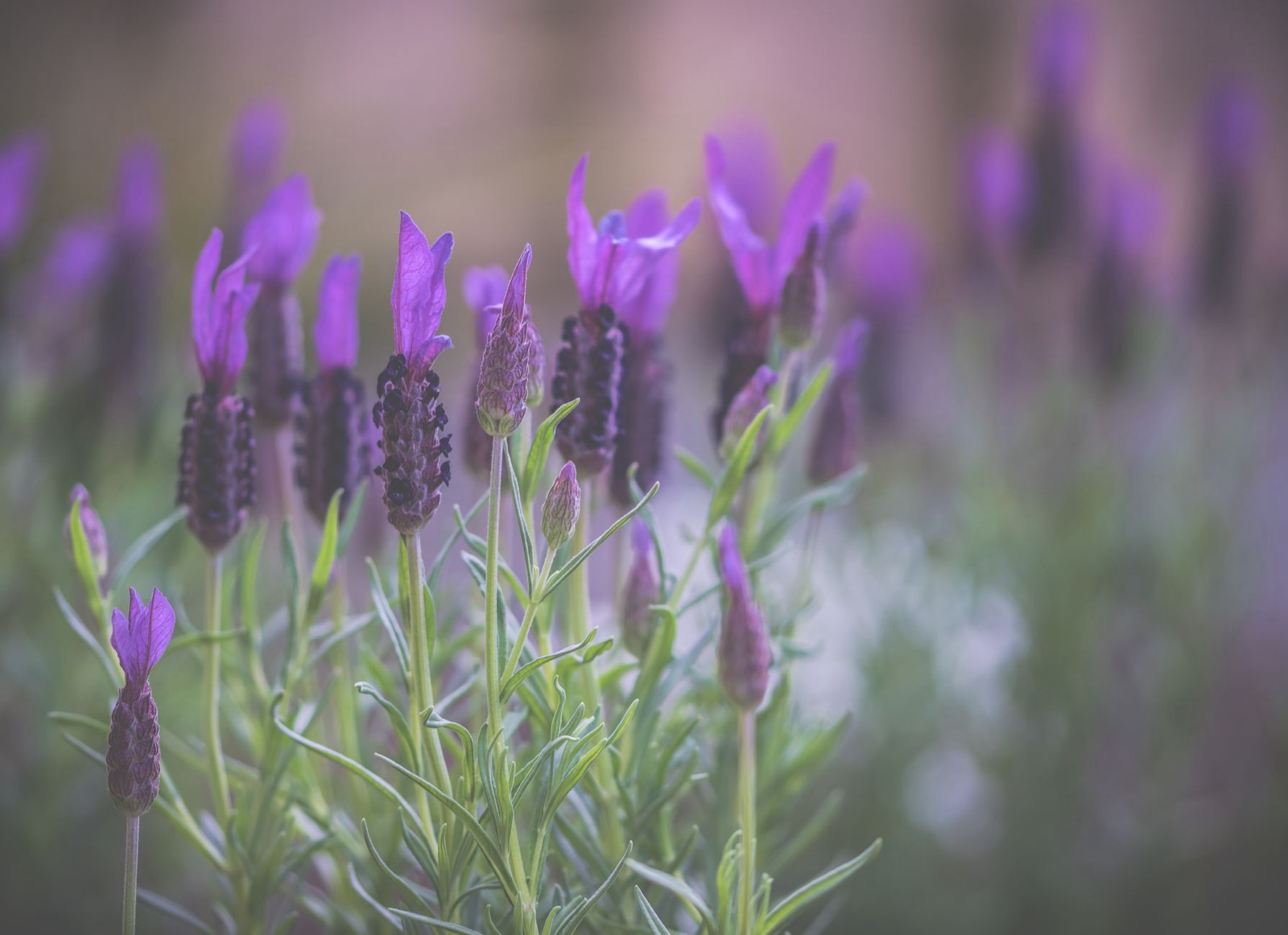
    Lavender, the botanical source most associated with linalool
    Terpenes are what you actually smell when you open a jar.

    Terpenes are not unique to cannabis. The same compounds produce the smell of pine forests, citrus peel, lavender and black pepper — which is exactly why cannabis aromas are so easy to describe in kitchen terms. That shared chemistry is also why terpene research extends far beyond cannabis, into food science, perfumery and botany.

    The Main Terpenes in Cannabis

    TerpeneAromaAlso found inCommonly associated with
    MyrceneEarthy, musky, herbalHops, mango, thymeRelaxation, body heaviness
    LimoneneCitrus peel, brightLemon, orange, juniperMood lift, stress relief
    CaryophylleneBlack pepper, spiceBlack pepper, clovesCalming; binds CB2 receptors
    PinenePine, fresh forestPine needles, rosemaryAlertness, clarity
    LinaloolFloral, lavenderLavender, corianderSoftening, calming
    HumuleneHops, dry woodinessHops, ginger, sageAppetite moderation
    TerpinoleneFresh, fruity, complexNutmeg, apples, cuminUplifting, energetic
    OcimeneSweet, herbal, tropicalMint, parsley, orchidsBright, active
    The major cannabis terpenes and their characteristics.

    Caryophyllene is the unusual one. It is the only common terpene known to bind directly to CB2 receptors, which is why it appears in research far more often than the others.

    Trichomes, where cannabis terpenes are produced and stored
    The same compounds appear across the botanical world.

    How to Read a Terpene Percentage

    Terpene content is measured as a percentage of total weight, and the numbers are much smaller than cannabinoid figures. That makes them easy to dismiss and easy to misread.

    Total terpenesWhat it means
    Under 1%Weak — likely old, poorly grown or badly dried
    1–2%Average
    2–3%Good — noticeably aromatic
    3–4%Excellent
    Above 4%Exceptional, uncommon
    Benchmarks for total terpene content in flower.

    A 2% terpene reading on a 20% THC flower will almost always deliver a better experience than 0.5% on a 30% one. Our guide to reading a cannabis certificate of analysis covers where to find these numbers.

    Why Terpenes Fade

    Terpenes are volatile, which is precisely why you can smell them. Volatility also means they escape, and everything from harvest onward either preserves or destroys them.

    • Heat drives terpenes off — the single biggest loss factor.
    • Light degrades them along with cannabinoids.
    • Time reduces content steadily even under good storage.
    • Rough handling knocks trichomes off, and trichomes hold the terpenes.
    • Fast drying strips them before they ever reach the jar.

    This is why a slow dry and patient cure matter so much, and why harvest date is one of the most useful numbers on a package. Our harvesting, drying and curing guide covers the process in detail.

    StageTerpene riskMitigation
    Late flowerHeat volatilising terpenes on the plantCooler late-flower temperatures
    DryingFast, warm dry strips volatiles60–70°F, 7–14 days, dark
    TrimmingTrichome lossHand-trim rather than machine
    CuringUnder-cure leaves grassy notes60–65% RH, weeks not days
    StorageHeat, light, oxygenSealed glass, cool, dark
    Where terpenes are lost and how to protect them.

    Terpenes and Effect

    The popular version of this is the “entourage effect” — the idea that terpenes and cannabinoids interact to shape the experience rather than THC acting alone.

    Pine needles representing the pinene terpene aroma
    Terpene expression is shaped by how a plant is grown, not just its genetics.

    The honest position is that this is plausible, widely believed among growers and consumers, and still an active area of research rather than settled science. What is not in dispute is that terpenes determine smell and flavour, and that people consistently prefer high-terpene flower.

    Dutch Passion have a solid overview of cannabis terpenes if you want to go further into individual compounds.

    Sealed glass storage protecting volatile cannabis terpenes
    Pine, citrus and pepper are all terpene aromas.

    Terpenes Beyond Cannabis

    Every terpene in cannabis occurs elsewhere in nature, often in far higher concentrations. Limonene is more abundant in citrus peel than in any cannabis flower, and pinene is more abundant in pine.

    This matters for two reasons. It means the compounds themselves are well studied outside cannabis research, and it means the aromas are genuinely comparable — when someone says a cultivar smells like lemon, they are describing shared chemistry rather than using a metaphor.

    TerpeneHighest natural sources
    LimoneneCitrus peel, particularly lemon and orange
    PinenePine resin, rosemary, basil
    MyrceneHops, lemongrass, mango
    LinaloolLavender, coriander, birch
    CaryophylleneBlack pepper, cloves, cinnamon
    Where these compounds occur outside cannabis.

    Growing for Terpenes

    Terpene expression is genetic in potential and environmental in delivery. The same clone grown in two rooms will not produce the same profile.

    1. Select genetics for flavour, not yield — potential is set at the seed.
    2. Control late-flower climate. Cooler finishes preserve volatiles.
    3. Do not overfeed nitrogen late. It reliably blunts terpene expression.
    4. Dry slowly and cure patiently. More terpenes are lost here than anywhere.
    5. Hand-trim. Machine trimming removes the trichomes holding the terpenes.

    Every cultivar we release is hunted from seed primarily for terpene expression, and our nutrient programme is built around flavour and smoothness rather than weight. That is a deliberate trade.
    CultivarTerpene character
    KiwanoTropical sweet melon zest
    BaijiuGarlic, citrus, blueberry hint
    Cherry LimettaLime forward, cherry, gas backend
    Sake BombSherbanger-dominant, creamy gelato
    SarcophagosSour gas with Smarties backend
    Terpene profiles across the Lost Leaf catalogue.

    Full profiles are linked from Kiwano, Baijiu, Cherry Limetta, Sake Bomb and Sarcophagos.

    Black pepper, the aroma associated with caryophyllene
    Sealed glass, cool and dark is how terpenes survive.

    Buying by Terpene Rather Than Name

    Once you know which terpenes you respond to, shopping becomes considerably more reliable than chasing strain names.

    Strain names are inconsistent across producers, but a myrcene-dominant profile behaves like a myrcene-dominant profile regardless of what it is called. If a menu publishes terpene data, that is better information than the name above it.
    Botanical arrangement showing aromas shared with cannabis terpenes
    Aromatic compounds shared across the botanical world.

    A Note on Added Terpenes

    Some products reintroduce terpenes after extraction, either cannabis-derived or botanical. That is not inherently dishonest, but it is different from terpenes present in the original flower, and a COA will not always distinguish them.

    Frequently Asked Questions

    What are cannabis terpenes?

    Aromatic compounds that produce the smell and flavour of cannabis. They also occur throughout the plant world — the same compounds make pine smell like pine and lemons smell like lemons.

    What is a good terpene percentage?

    Above 2% total terpenes is good for flower, above 3–4% is excellent. Under 1% usually indicates old, poorly grown or badly dried material.

    Do terpenes affect the high?

    Many growers and consumers believe so, described as the entourage effect. Research is ongoing rather than settled. What is certain is that terpenes determine aroma and flavour.

    Why did my flower lose its smell?

    Terpenes are volatile and degrade with heat, light, time and handling. Store in sealed glass, cool and dark, and check the harvest date when buying.

    Which terpene makes you sleepy?

    Myrcene is most often associated with relaxation and body heaviness, though effect is shaped by the whole profile rather than any single compound.

    Educational content for adults 21+ in legal jurisdictions.

    Related reading: Cannabinoids and how they differ from terpenes.

    Related reading: How extraction preserves or loses terpenes.